Legislation
This Act establishes a grant program to fund mobile screening units to increase access to vital cancer screenings, particularly for lung cancer, in rural and underserved communities.
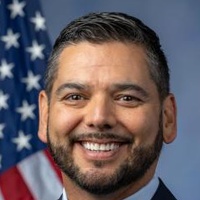
Raul Ruiz
Representative
CA
Raul Ruiz
Representative
CA
The Mobile Cancer Screening Act establishes a grant program to fund the creation and operation of mobile screening units, such as vans, to increase access to vital cancer screenings in rural and underserved communities. These grants will help organizations purchase vehicles, acquire necessary technology, and cover operational costs, prioritizing applicants who can significantly reduce screening gaps and provide immediate follow-up care. The Secretary must report to Congress on the program's impact on patient outcomes and screening rates within four years of enactment.
This bill officially designates the United States Postal Service facility at 1157 West Mission Avenue in Escondido, California, as the "Captain E. Royce Williams Post Office Building."
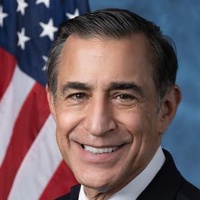
Darrell Issa
Representative
CA
Darrell Issa
Representative
CA
This bill officially designates the United States Postal Service facility located at 1157 West Mission Avenue in Escondido, California, as the "Captain E. Royce Williams Post Office Building." The legislation ensures that all federal records and documents will henceforth use this new official name for the location.
This bill establishes a new NOAA program to significantly improve the accuracy and skill of precipitation forecasts across all timeframes using advanced modeling and research.
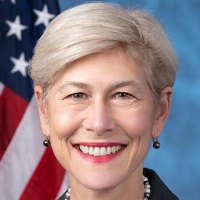
Deborah Ross
Representative
NC
Deborah Ross
Representative
NC
This bill establishes a new program within the National Oceanic and Atmospheric Administration (NOAA) dedicated to significantly improving precipitation forecasts across all timeframes. The program will advance forecasting science, enhance Earth System Models, and incorporate new technologies like AI to better predict extreme rainfall events. It also mandates coordination across NOAA and engagement with external partners to ensure high-quality, accessible forecast data.
This bill authorizes the creation and sale of commemorative coins for the 2028 Los Angeles and 2034 Salt Lake City Olympic and Paralympic Games to help fund the events, with all surcharges going to the respective organizing committees after covering production costs.
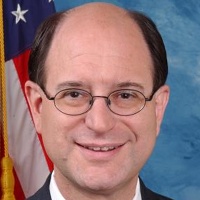
Brad Sherman
Representative
CA
Brad Sherman
Representative
CA
This Act authorizes the Secretary of the Treasury to mint and sell special commemorative coins for the 2028 Los Angeles Olympic and Paralympic Games and the 2034 Salt Lake City Winter Olympic and Paralympic Games. The coins will feature designs celebrating American athletes and the Games themselves. All surcharges collected from the sale of these coins will be directed to the respective organizing committees to help fund the events and related youth sports programs. The entire program must be conducted at no cost to the U.S. Government.
The Strong Farms, Strong Future Act updates conservation programs by expanding definitions, strengthening stewardship contract evaluations and renewals, adjusting payments for inflation, and establishing new climate change mitigation bundles for producers.
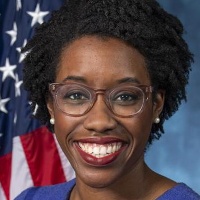
Lauren Underwood
Representative
IL
Lauren Underwood
Representative
IL
The Strong Farms, Strong Future Act updates conservation programs by broadening definitions to explicitly include climate change mitigation and "enhancements." It revises how stewardship contract offers are evaluated to prioritize soil health and carbon sequestration goals. Furthermore, the bill mandates the creation of climate change mitigation bundles for producers and requires the Secretary to adjust conservation payments for inflation.
This Act modifies the challenge cost-sharing program for recreation facility management by allowing fees collected at one site to count toward the cost-sharing requirements for any recreation facility within the associated civil works project.
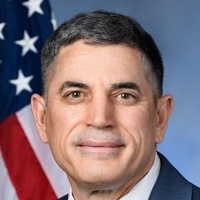
Andrew Clyde
Representative
GA
Andrew Clyde
Representative
GA
The Lanier Parks Local Access Act modifies the challenge cost-sharing program for managing recreation facilities. This change allows fees collected at one recreation site to count toward the cost-sharing requirements for any recreation facility within the broader civil works project area. This broadens the scope for how local cost-sharing obligations are calculated.
This act modernizes the Fairness to Contact Lens Consumers Act by requiring online sellers to accept electronic prescription transfers, mandating encrypted email for health information, and updating required seller contact information.
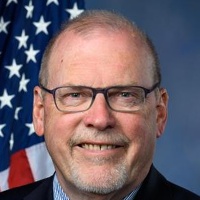
H. Griffith
Representative
VA
H. Griffith
Representative
VA
The Contact Lens Prescription Verification Modernization Act updates existing law to ensure consumers can easily obtain and use their contact lens prescriptions. This bill specifically requires online sellers to provide a HIPAA-compliant method for electronically receiving prescriptions and mandates encryption for any protected health information sent via email. Additionally, it updates seller record-keeping requirements to include customer email addresses.
This bill mandates the relocation of the Department of Energy's Office of Fossil Energy and Carbon Management from Washington, D.C., to Pittsburgh, Pennsylvania, by the end of 2026.
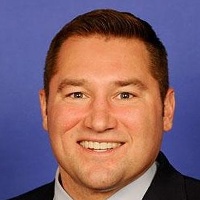
Guy Reschenthaler
Representative
PA
Guy Reschenthaler
Representative
PA
This Act mandates the relocation of the Department of Energy's Office of Fossil Energy and Carbon Management from Washington, D.C., to Pittsburgh, Pennsylvania, by the end of 2026. The Secretary of Energy must report to Congress afterward detailing employee turnover resulting from the move and plans to address resulting staff shortages.
The Autonomous Vehicle Accessibility Act prohibits disability discrimination in licensing for self-driving vehicles and mandates a study on infrastructure improvements needed for accessible pickup and drop-off of ride-hail autonomous vehicles.
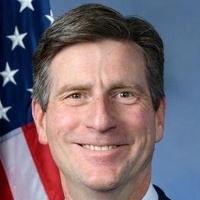
Greg Stanton
Representative
AZ
Greg Stanton
Representative
AZ
The Autonomous Vehicle Accessibility Act ensures that individuals with disabilities are not discriminated against when obtaining licenses to operate highly automated vehicles. It mandates a study to identify necessary infrastructure changes for accessible pickup and drop-off of passengers using driverless ride-hail services. The Act also authorizes funding to support the recommendations resulting from this accessibility study.
This bill establishes a five-year pilot program allowing pregnancy to serve as a qualifying event for enrollment in TRICARE Select.
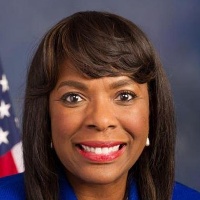
Terri Sewell
Representative
AL
Terri Sewell
Representative
AL
This bill establishes a five-year pilot program allowing individuals to treat pregnancy as a qualifying event for enrolling in TRICARE Select outside of standard enrollment periods. The Secretary of Defense must implement this program within 180 days and provide annual reports to Congress detailing enrollment changes made under this new provision. This aims to offer greater flexibility in healthcare plan selection during pregnancy for eligible beneficiaries.
This Act establishes a pilot program allowing the FAA to grant waivers for federal funding to repair or replace previously subsidized sound insulation in homes near certain airports if the original work is proven defective or damaging.
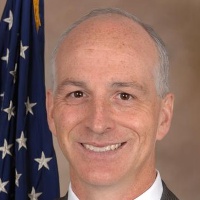
Adam Smith
Representative
WA
Adam Smith
Representative
WA
The Sound Insulation Treatment Repair and Replacement Program Act establishes a pilot program allowing the FAA to grant waivers for federal funding to repair or replace previously subsidized sound insulation at select airports. This program targets homes where original soundproofing has failed, caused structural damage, or proven ineffective. Airports can also use funds to survey older, federally insulated properties to check current noise levels and potential eligibility for repairs.
This bill requires the Secretary of Defense to reimburse certain ROTC students for educational expenses incurred while awaiting a final determination on financial assistance if they are ultimately deemed medically ineligible for continued participation.
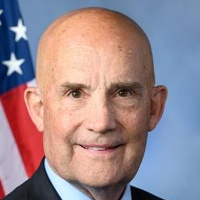
Keith Self
Representative
TX
Keith Self
Representative
TX
This bill mandates the Secretary of Defense to issue regulations for reimbursing Senior ROTC students for educational expenses. This reimbursement applies specifically to students who are ultimately deemed medically ineligible for continued participation after waiting for a financial aid determination. The regulations must also establish a clear process for students to claim these covered costs.
This bill officially renames a segment of U.S. Highway 75 in Texas to the "U.S. Congressman and Prisoner of War Sam Johnson Memorial Highway."
Keith Self
Representative
TX
Keith Self
Representative
TX
This bill officially renames a specific segment of U.S. Highway 75 in Texas. The portion between the President George Bush Turnpike and U.S. Highway 380 will now be known as the "U.S. Congressman and Prisoner of War Sam Johnson Memorial Highway." This action formalizes the designation for all official records and maps.
This bill updates the Joint Chiefs Landscape Restoration Partnership program to expand its focus to include post-wildfire recovery, mandate closer collaboration between the NRCS and Forest Service, and extend the program's timeline through 2031.
Joe Neguse
Representative
CO
Joe Neguse
Representative
CO
The Joint Chiefs Reauthorization Act of 2025 updates the existing Landscape Restoration Partnership program to enhance collaboration between federal agencies. This bill expands the program's focus to specifically include post-wildfire recovery and requires greater alignment with state-level forest action plans. It also clarifies restrictions on activities within sensitive Forest Service areas and extends the program's operational timeline through 2031.
This Act mandates the Secretary of State to conduct and annually report on a comprehensive review of U.S. diplomatic posture, resources, and alignment with national security priorities.
Ami Bera
Representative
CA
Ami Bera
Representative
CA
The U.S. Diplomatic Posture Review Act of 2025 mandates that the Secretary of State conduct a comprehensive review of all U.S. diplomatic offices and resource allocation globally. This annual report, the USDPR, must align the State Department's posture with current U.S. national security and foreign policy priorities. The Act requires detailed reporting on staffing, foreign aid, operational costs, and planned strategic shifts to ensure effective global engagement.
This Act establishes a renewable energy grant program for U.S. territories and mandates a GAO study on clean energy options for those regions.
Ted Lieu
Representative
CA
Ted Lieu
Representative
CA
The Renewable Energy for U.S. Territories Act establishes a new grant program, administered by the Secretary of Agriculture, to fund renewable energy projects and efficiency improvements in U.S. territories. The bill also mandates a study by the Government Accountability Office (GAO) to assess clean energy potential and grid modernization options across these territories. This legislation aims to boost clean energy infrastructure and resilience in American territories by providing dedicated funding and technical support.
The Clean Shipping Act of 2025 establishes mandatory, phased reductions for marine fuel carbon intensity on covered voyages and sets a goal for zero emissions from ships docked at U.S. ports by 2035.
Robert Garcia
Representative
CA
Robert Garcia
Representative
CA
The Clean Shipping Act of 2025 establishes mandatory, phased-in standards to drastically reduce the carbon intensity of marine fuels used by large vessels on voyages involving U.S. ports, aiming for a 100% reduction by 2050. Additionally, the bill requires the EPA to set standards ensuring that ships docked or anchored in U.S. coastal waters achieve zero greenhouse gas and air pollutant emissions by 2035, or the maximum feasible reduction if that goal proves impossible. The legislation also mandates annual public reporting on fuel usage and emissions data for compliance monitoring.
This Act establishes a program for the Air Force to demonstrate and potentially deploy a resilient, commercial Low Earth Orbit alternative to GPS for positioning, navigation, and timing services.
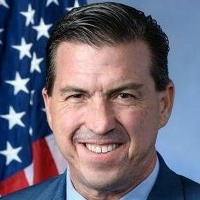
Kevin Mullin
Representative
CA
Kevin Mullin
Representative
CA
The Resilient LEO PNT Act establishes a program for the Secretary of the Air Force to contract with commercial providers to demonstrate a resilient Positioning, Navigation, and Timing (PNT) system operating in Low Earth Orbit. This demonstration must prove the system can operate independently of GPS, resist jamming, and maintain high accuracy for users. Following a successful test, the Secretary is directed to move toward awarding a contract for full operational deployment of the proven technology.
This act prioritizes research funding for utilizing commercial weather information within agricultural research grants.
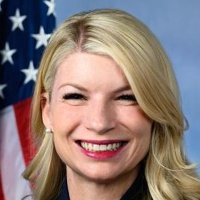
Brittany Pettersen
Representative
CO
Brittany Pettersen
Representative
CO
The Satellite-Based Agricultural Data Act prioritizes research utilizing commercial weather information within the existing agricultural research grant programs. This amendment specifically encourages the use of data and tools from private weather companies in federally funded agricultural research projects. The goal is to integrate cutting-edge commercial weather technology into agricultural science priorities.
This Act mandates that VA medical staff promptly certify the deaths of veterans who died from natural causes within 48 hours to expedite burial and survivor benefits.
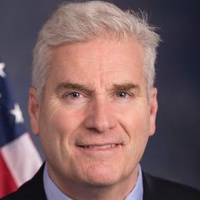
Tom Emmer
Representative
MN
Tom Emmer
Representative
MN
The Veteran Burial Timeliness and Death Certificate Accountability Act addresses significant delays in obtaining death certificates for veterans who die from natural causes, often due to VA medical staff delays. This bill mandates that VA medical providers must certify a veteran's death within 48 hours or allow the local medical examiner to step in. Furthermore, the VA must annually report on its compliance with this new timely certification requirement.