Legislation
This bill prohibits the termination or layoff of career federal civil service employees during a government shutdown due to a lapse in discretionary funding.
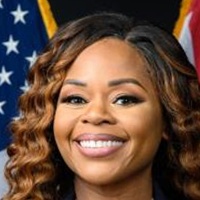
Sheila Cherfilus-McCormick
Representative
FL
Sheila Cherfilus-McCormick
Representative
FL
The Stop Stealing Our Jobs Act prohibits the President or agency heads from firing, laying off, or removing career civil service employees during a government shutdown caused by a lapse in discretionary funding. This protection ensures job security for the career federal workforce, while explicitly excluding political appointees from coverage. The bill clarifies definitions to specify which employees are shielded and which are not.
The Warehouse Worker Protection Act establishes new federal standards for large employers regarding performance quotas, mandatory paid breaks, data transparency, and workplace safety, while strengthening NLRA protections against retaliatory metrics.
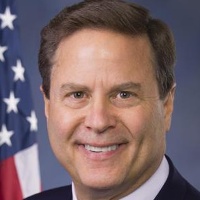
Donald Norcross
Representative
NJ
Donald Norcross
Representative
NJ
The Warehouse Worker Protection Act establishes new federal standards to increase transparency and fairness for warehouse workers at large companies by mandating disclosure of performance quotas and monitoring data. It guarantees mandatory paid rest breaks, strengthens protections against using quotas to suppress organizing efforts, and introduces new federal ergonomics and safety standards under OSHA. The bill creates a new Department of Labor office to enforce these provisions and invalidates mandatory pre-dispute arbitration for related claims.
This resolution officially recognizes October 2025 as "American Pharmacists Month" to honor the vital contributions of pharmacists in ensuring safe, accessible, and effective patient care nationwide.
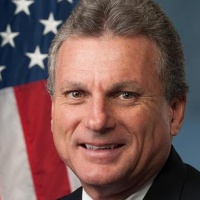
Earl Carter
Representative
GA
Earl Carter
Representative
GA
This resolution officially recognizes October 2025 as "American Pharmacists Month" to honor the vital contributions of pharmacists nationwide. It acknowledges their role as highly accessible healthcare providers who ensure patients receive safe, affordable, and effective medication care. The measure celebrates the dedication of over 330,000 pharmacists and their staff in protecting public health and managing patient wellness.
This Act waives the 10% early withdrawal penalty on Thrift Savings Plan distributions up to $30,000 during a federal government shutdown and provides special provisions for TSP hardship withdrawals and loan payments affected by the lapse in appropriations.
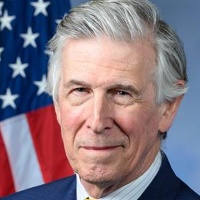
Donald Beyer
Representative
VA
Donald Beyer
Representative
VA
The Emergency Relief for Federal Workers Act of 2025 provides financial relief to federal employees affected by government shutdowns. This bill waives the 10% early withdrawal penalty on Thrift Savings Plan (TSP) distributions up to $30,000 during a qualifying shutdown. Additionally, it allows affected employees greater access to TSP hardship withdrawals and loans, and prevents missed TSP loan payments due to a shutdown from being treated as a taxable distribution.
The RIDE FAST Act extends the authorization for federal appropriations for intercity passenger rail grants from 2026 to 2032.
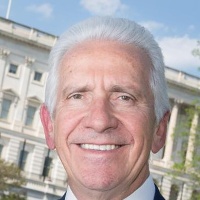
Jim Costa
Representative
CA
Jim Costa
Representative
CA
The RIDE FAST Act extends the authorization of appropriations for crucial intercity passenger rail grants from 2026 to 2032. This change ensures continued federal funding availability for vital passenger rail improvement projects.
This Act ensures that members of the Armed Forces, DoD civilian employees, and necessary contractors receive pay and allowances for fiscal year 2026 if a full budget has not been enacted by October 1, 2025.
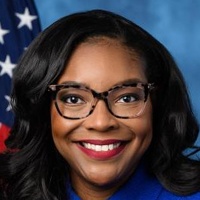
Emilia Sykes
Representative
OH
Emilia Sykes
Representative
OH
The Pay Our Military Act ensures that members of the Armed Forces continue to receive their pay and allowances if a full budget for fiscal year 2026 has not been enacted. This continuing appropriation provides necessary funds for active duty, reserves, and essential civilian support staff. This automatic funding remains in effect until a full appropriation is passed or until January 1, 2027.
This bill removes the restriction preventing Medicaid from covering medical services for patients aged 65 and older in Institutions for Mental Diseases (IMDs), effective October 1, 2025.
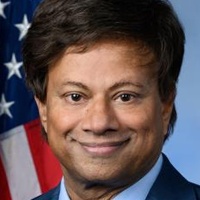
Shri Thanedar
Representative
MI
Shri Thanedar
Representative
MI
The Improving Access to Institutional Mental Health Care Act removes the existing restriction that prevents Medicaid from covering medical services for individuals aged 65 and older receiving care in an Institution for Mental Diseases (IMD). This change aims to broaden Medicaid eligibility for necessary care within these specialized facilities. These provisions will take effect for services furnished on or after October 1, 2025.
The Stronger Schools Act establishes a competitive grant program for local school districts to fund mandatory physical safety upgrades, including hiring armed School Resource Officers and installing single, secured entry points with metal detectors.
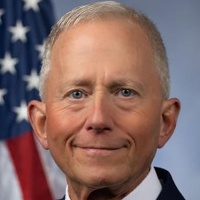
Jefferson Van Drew
Representative
NJ
Jefferson Van Drew
Representative
NJ
The Stronger Schools Act establishes a competitive grant program for local school districts to enhance physical safety at elementary and secondary schools. Funds must be used to hire armed School Resource Officers and implement single-point entry systems featuring locked waiting rooms and metal detectors for visitor screening. The Secretary of Education will oversee the grant process and report on implementation to Congress within one year of enactment.
The No Shame at School Act of 2025 mandates that schools must eliminate meal debt stigma by prohibiting overt identification of students who owe fees and ensuring immediate action to certify eligible children for free or reduced-price meals.

Ilhan Omar
Representative
MN
Ilhan Omar
Representative
MN
The No Shame at School Act of 2025 mandates that schools must stop shaming students over unpaid meal debt by prohibiting overt identification or segregation of students who owe fees. This law requires local agencies to actively pursue free meal certification for students with outstanding balances and prevents schools from taking food away after it has been served. Furthermore, it establishes strict rules for debt collection, forbidding communication directed at the child and banning the use of third-party debt collectors.
This Act eliminates the Medicare coinsurance requirement for certain colorectal cancer screening tests, ensuring 100% coverage starting in 2026.
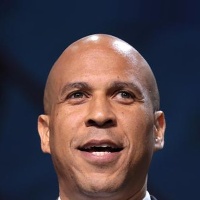
Cory Booker
Senator
NJ
Cory Booker
Senator
NJ
The Colorectal Cancer Payment Fairness Act eliminates the Medicare coinsurance requirement for certain colorectal cancer screening tests. This legislation removes the existing deadline related to cost-sharing for these screenings. Crucially, starting in 2026, Medicare will cover 100 percent of the cost for these preventative tests.
This Act ensures FEMA has automatic funding to continue essential disaster relief operations if Congress has not passed the Fiscal Year 2026 budget by the start of the fiscal year.
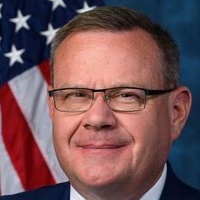
Tim Moore
Representative
NC
Tim Moore
Representative
NC
The Disaster Relief Continuity Act of 2025 ensures FEMA has immediate access to necessary funding to respond to declared disasters if Congress has not yet passed the budget for Fiscal Year 2026. This automatic funding allows essential disaster aid, operational costs, and ongoing recovery projects to continue without interruption. This temporary measure remains in effect until a new budget is passed or until January 1, 2027.
This bill prohibits the Department of State from offering or issuing a non-binary "X" gender marker on U.S. passports, passport cards, and Consular Reports of Birth Abroad.

Roger Marshall
Senator
KS
Roger Marshall
Senator
KS
The Passport Sanity Act mandates that the Department of State limit gender designation options on official travel documents to only "male" or "female." This law specifically prohibits the issuance of passports, passport cards, or Consular Reports of Birth Abroad that include an "X" gender marker.
This bill officially designates the United States Postal Service facility at 514 Frelinghuysen Avenue in Newark, New Jersey, as the "Mildred Joyce Coleman Crump Post Office Building."
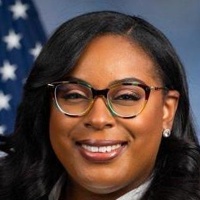
LaMonica McIver
Representative
NJ
LaMonica McIver
Representative
NJ
This bill officially designates the United States Postal Service facility located at 514 Frelinghuysen Avenue in Newark, New Jersey. The facility will now be known as the "Mildred Joyce Coleman Crump Post Office Building." This action ensures all official records reflect the new name for the Newark post office.
This act temporarily maintains current Medicare payment rates for durable medical equipment in non-competitive bidding areas until the end of 2025.
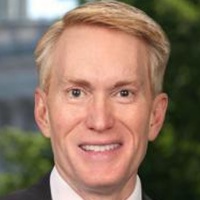
James Lankford
Senator
OK
James Lankford
Senator
OK
The Competitive Bidding Relief Act temporarily maintains existing Medicare payment rates for durable medical equipment (DMEPOS) in areas not subject to competitive bidding. This legislation specifically mandates the use of a current transition rule for non-rural areas until the end of 2025. Furthermore, it delays the implementation of a new, potentially disruptive payment regulation until January 1, 2026.
The Child Care for Every Community Act establishes a universal, federally-backed system guaranteeing access to high-quality, affordable early learning for every child while mandating rigorous standards and improved compensation for the childcare workforce.
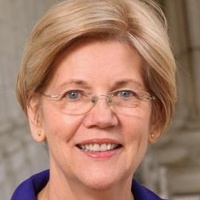
Elizabeth Warren
Senator
MA
Elizabeth Warren
Senator
MA
The Child Care for Every Community Act establishes a universal, high-quality, and affordable early learning system, guaranteeing access to eligible children nationwide. It mandates rigorous federal standards for programs, facilities, and staff compensation, linking pay to public school benchmarks. The bill requires local governance through "prime sponsors" who must plan for equitable access and coordinate closely with K-12 education systems. Finally, it ensures state funding continuity through a maintenance of effort requirement to secure federal support.
This bill officially designates the United States Postal Service facility at 47 Echo Avenue in Miller Place, New York, as the "Christopher Pendergast Post Office Building."
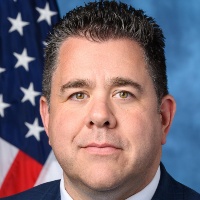
Nicolas LaLota
Representative
NY
Nicolas LaLota
Representative
NY
This bill officially designates the United States Postal Service facility located at 47 Echo Avenue in Miller Place, New York, as the "Christopher Pendergast Post Office Building." The legislation ensures that all official government records and documents reflect this new name for the location.
The FARM SAFE Act ensures that essential Department of Agriculture employees continue working to administer agricultural disaster assistance programs during federal government shutdowns.
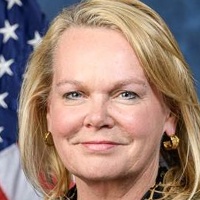
April McClain Delaney
Representative
MD
April McClain Delaney
Representative
MD
The FARM SAFE Act ensures that critical agricultural disaster assistance programs continue to operate without interruption during federal government shutdowns or lapses in appropriations. This legislation mandates that necessary Department of Agriculture employees remain on the job to administer these vital aid programs. By classifying these workers as "excepted employees," the bill prevents layoffs or furloughs that could halt disaster relief efforts for farmers.
The Keep the Heat On Act of 2025 ensures continued funding for the Low-Income Home Energy Assistance Program (LIHEAP) during a federal government shutdown in fiscal year 2026.
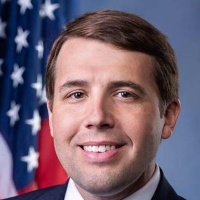
Chris Pappas
Representative
NH
Chris Pappas
Representative
NH
The Keep the Heat On Act of 2025 ensures that the Low-Income Home Energy Assistance Program (LIHEAP) continues to provide vital energy assistance to vulnerable households during a federal government shutdown in fiscal year 2026. This legislation authorizes the Treasury Department to immediately release necessary funds to maintain LIHEAP payments at the same rate as the previous fiscal year. The goal is to prevent disruptions in energy assistance for low-income families during periods of lapsed appropriations.
The Degrees Not Debt Act of 2025 increases the maximum Federal Pell Grant award, tying future increases to the Consumer Price Index, beginning in the 2026–2027 school year.
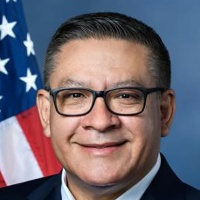
Salud Carbajal
Representative
CA
Salud Carbajal
Representative
CA
The Degrees Not Debt Act of 2025 aims to significantly increase the maximum Federal Pell Grant award, starting in the 2026–2027 school year. This legislation sets an initial maximum award of \$14,800, which will be indexed annually based on changes in the Consumer Price Index (CPI). The bill seeks to boost financial aid availability for students pursuing higher education.
This bill ensures continued federal funding for the District of Columbia courts and related agencies if a new annual appropriation has not yet been enacted.

Eleanor Norton
Representative
DC
Eleanor Norton
Representative
DC
This bill ensures the continued operation of the District of Columbia courts and related agencies by providing automatic, temporary funding if Congress has not yet enacted a full-year budget. It authorizes payments from the Treasury at the previous year's rate until a new official appropriation is passed. This measure specifically covers federal payments to the D.C. Courts, defender services, and several related justice agencies.