Legislation
The Keeping Gun Dealers Honest Act of 2025 increases federal oversight and penalties for licensed firearms dealers through more frequent inspections, harsher sentencing for violations, and new authority for license revocation and inventory checks.
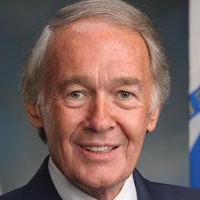
Edward Markey
Senator
MA
Edward Markey
Senator
MA
The Keeping Gun Dealers Honest Act of 2025 significantly increases federal oversight and penalties for licensed firearms dealers. This bill allows for more frequent compliance inspections, raises maximum prison sentences for license violations, and grants the Attorney General new authority to deny licenses based on public safety concerns. Furthermore, it mandates stricter recordkeeping enforcement and requires the ATF to report on the implementation of these new measures.
The Pilot and Aircraft Privacy Act restricts the use of ADS-B tracking data for imposing fees and bans government use of this data in investigations, while also establishing new transparency and spending requirements for airports charging general aviation fees.
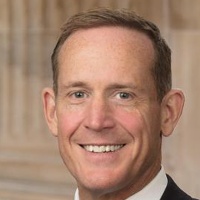
Ted Budd
Senator
NC
Ted Budd
Senator
NC
The Pilot and Aircraft Privacy Act restricts the use of Automatic Dependent Surveillance-Broadcast (ADS-B) tracking data by government entities for investigations or to impose fees on aircraft owners. It also establishes new transparency requirements for public airports seeking to impose landing or takeoff fees on general aviation aircraft. These fees must be specifically dedicated to airside safety projects.
The Algorithmic Accountability Act of 2025 requires large entities using automated decision systems for critical decisions to conduct mandatory impact assessments and report summaries to the FTC to ensure consumer protection.
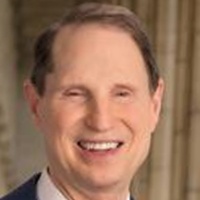
Ron Wyden
Senator
OR
Ron Wyden
Senator
OR
The Algorithmic Accountability Act of 2025 requires large entities using Automated Decision Systems (ADS) for "critical decisions"—like those affecting employment, housing, or finance—to conduct rigorous impact assessments. The Federal Trade Commission (FTC) is tasked with creating detailed regulations and establishing a public repository for summary reports on these systems. This legislation aims to ensure transparency, test for bias, and mandate remediation for significant negative impacts caused by automated decision-making processes.
This act establishes a federal grant program to incentivize states to create and maintain comprehensive federal and state firearms and dealer licensing systems, including background checks and extreme risk protection order procedures.
Edward Markey
Senator
MA
Edward Markey
Senator
MA
The Making America Safe and Secure Act of 2025 (MASS Act) establishes a federal grant program to incentivize states to create comprehensive, federally-aligned licensing systems for firearms purchasers and dealers. This system requires thorough background checks, safety training for new licensees, and the implementation of extreme risk protection orders. States accepting funds must ensure licensees are deemed suitable and that all firearms are securely stored.
This Act establishes the Office of Public Engagement and Participation within the NRC to support public involvement in regulatory proceedings, including coordinating financial assistance for eligible participants.
Edward Markey
Senator
MA
Edward Markey
Senator
MA
The NRC Office of Public Engagement and Participation Act of 2025 establishes a new, independent office within the Nuclear Regulatory Commission (NRC) dedicated to enhancing public involvement in safety proceedings. This office will support public advocates, provide educational guidance, and coordinate financial assistance through a newly created Intervenor Trust Fund. The goal is to ensure that individuals and groups can effectively contribute to NRC decision-making by covering costs associated with participation, provided their input offers a substantial contribution to public health and safety.
The No Adversarial AI Act prohibits federal agencies from acquiring or using Artificial Intelligence systems developed by entities tied to foreign adversaries, with narrow exceptions requiring congressional notification.
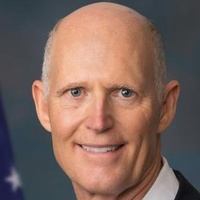
Rick Scott
Senator
FL
Rick Scott
Senator
FL
The No Adversarial AI Act establishes a government "Do Not Buy" list for Artificial Intelligence (AI) tools developed by foreign adversaries. Federal agencies are required to prohibit the acquisition and use of this listed AI within 90 days of the law's enactment. Agencies may only receive an exception to use the restricted AI if they prove it is absolutely necessary for critical national security, research, or mission functions.
This Act mandates annual reporting on the National Nuclear Security Administration's 25-year plan to modernize and reinvest in its aging, specialized infrastructure critical for nuclear deterrence and national security missions.
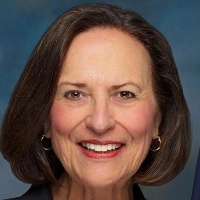
Deb Fischer
Senator
NE
Deb Fischer
Senator
NE
The NNSA Infrastructure Improvements Act of 2025 mandates comprehensive, long-term planning for the National Nuclear Security Administration's critical facilities. This legislation requires the Administrator for Nuclear Security to submit an annual, detailed report to Congress outlining investment needs, costs, and timelines for specialized infrastructure across short, mid, and long-term horizons. The goal is to address aging facilities and ensure the necessary capacity to support the nation's nuclear stockpile modernization and global security missions.
This Act mandates the President to formally withdraw the United States from the North Atlantic Treaty Organization (NATO) and prohibits the use of federal funds for NATO's common budgets.
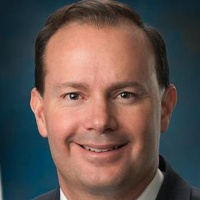
Mike Lee
Senator
UT
Mike Lee
Senator
UT
The Not A Trusted Organization Act (NATO Act) declares that U.S. membership in NATO is no longer in the national interest due to changes in European security and disproportionate U.S. contributions. This bill mandates the President to formally begin the process of withdrawing the United States from the North Atlantic Treaty within 30 days of enactment. Furthermore, it prohibits the use of any federal funds for contributions to NATO's common budgets or investment programs.
This bill directs the Secretary of the Interior to quickly identify existing and potential categorical exclusions under NEPA that could expedite coal production and export.
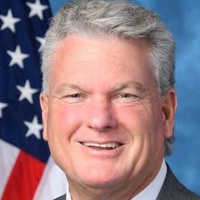
Mike Collins
Representative
GA
Mike Collins
Representative
GA
The Streamlining NEPA for Coal Act directs the Secretary of the Interior to promptly identify existing and potential categorical exclusions under NEPA that could accelerate coal production and export activities. This action requires the Secretary to report specific environmental review exemptions that could speed up coal-related projects to relevant Congressional committees within 30 days of enactment.
The State Public Option Act establishes a new Medicaid buy-in option for certain individuals, updates Medicaid quality measures and primary care payment floors, adjusts enhanced federal funding timelines, and mandates state coverage for comprehensive sexual and reproductive health care services starting in 2026.
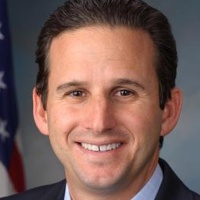
Brian Schatz
Senator
HI
Brian Schatz
Senator
HI
The State Public Option Act establishes a new Medicaid buy-in option for eligible individuals starting in 2026, with federal support for state administrative costs. The bill also mandates that Medicaid payments for certain primary care services must meet Medicare Part B rates and requires states to cover comprehensive sexual and reproductive health care services, including abortions. Finally, it updates federal funding timelines for newly eligible individuals and directs a review of Medicaid quality measures.
The RAPID Reserve Act establishes a program for the HHS Secretary to contract with companies to maintain rolling reserves of critical drugs and their active ingredients to bolster supply chain resilience.
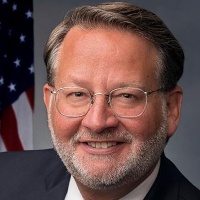
Gary Peters
Senator
MI
Gary Peters
Senator
MI
The RAPID Reserve Act establishes a new program requiring the Secretary of HHS to contract with companies to create and maintain rolling reserves of critical drugs and their active ingredients, focusing on those with vulnerable supply chains. These contracted entities must store a six-month supply, keep it fresh, and agree to surge production or transfer stock upon government direction. The goal is to strengthen domestic manufacturing capacity and ensure supply chain resiliency against shortages or national security threats.
The Keeping Obstetrics Local Act aims to stabilize rural maternity care through enhanced hospital funding, expand postpartum coverage under Medicaid, invest in the maternal health workforce, and mandate transparency regarding unit closures.
Ron Wyden
Senator
OR
Ron Wyden
Senator
OR
The Keeping Obstetrics Local Act is a comprehensive bill designed to stabilize rural and safety-net hospitals providing maternity care through enhanced financial support, including minimum Medicaid payment rates and anchor payments. It also expands continuous Medicaid and CHIP coverage for new mothers for a full year postpartum and invests in the maternal health workforce by supporting emergency staffing and simplifying cross-state provider enrollment. Finally, the act mandates greater transparency by requiring hospitals to give advance public notice of obstetric unit closures and report more detailed operational data to Medicare.
This act allows married survivors of domestic abuse or spousal abandonment to file federal taxes as "unmarried" if they are living separately from their spouse at the end of the tax year.
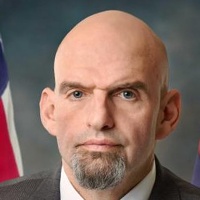
John Fetterman
Senator
PA
John Fetterman
Senator
PA
The SAFE Tax Filing Act of 2025 allows certain married individuals who are survivors of domestic abuse or spousal abandonment to file their federal taxes as "unmarried" if they lived apart from their spouse on the last day of the tax year. This provision offers immediate relief by permitting victims to file separately without waiting for a final divorce decree. The bill also establishes specific definitions for abuse and abandonment for tax purposes and adds due diligence requirements for tax preparers assisting with this election.
This bill authorizes the Attorney General to reimburse state and local governments for the wages, including overtime, paid to employees performing immigration enforcement functions under federal agreement.
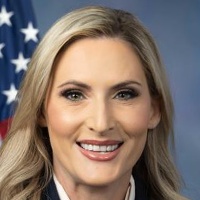
Laurel Lee
Representative
FL
Laurel Lee
Representative
FL
The Reimbursements for Immigration Partnerships with Police to allow Local Enforcement Act of 2025 (RIPPLE Act) authorizes the Attorney General to reimburse state and local governments for the costs associated with performing federal immigration enforcement functions. This reimbursement specifically covers employee wages, including overtime compensation, incurred under official partnership agreements. The Act aims to financially support local law enforcement agencies that assist in federal immigration duties.
The RESTORE Act promotes access to restorative reproductive medicine, protects providers who opt out of assisted reproductive technology, and mandates research and education on fertility and reproductive health conditions.
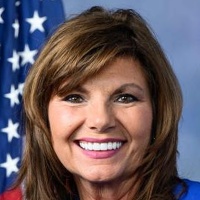
Diana Harshbarger
Representative
TN
Diana Harshbarger
Representative
TN
The RESTORE Act aims to improve reproductive health care by promoting access to restorative reproductive medicine and fertility awareness-based methods. It directs federal agencies to review standards of care, expand relevant research, and update medical coding to ensure accurate classification and reimbursement for these treatments. Furthermore, the bill protects healthcare providers from discrimination based on their refusal to participate in assisted reproductive technology.
This bill repeals the Caesar Syria Civilian Protection Act of 2019.
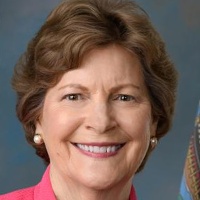
Jeanne Shaheen
Senator
NH
Jeanne Shaheen
Senator
NH
This bill proposes the complete repeal of the Caesar Syria Civilian Protection Act of 2019. By enacting this legislation, all existing rules and requirements established under that 2019 act will be eliminated.
The Insurrection Act of 2025 establishes strict, multi-step requirements and timelines for the President to use the Armed Forces domestically, making military intervention a last resort subject to immediate Congressional review and judicial oversight.
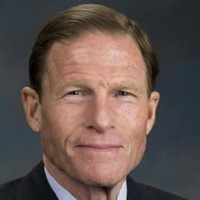
Richard Blumenthal
Senator
CT
Richard Blumenthal
Senator
CT
The Insurrection Act of 2025 completely rewrites the rules governing the President's authority to deploy the U.S. Armed Forces domestically, establishing military intervention as a strict last resort. It mandates specific, severe conditions—such as overwhelming insurrection or widespread denial of constitutional rights—and requires the President to issue a detailed proclamation and consult with Congress before deployment. Any initial deployment automatically expires after seven days unless Congress passes a resolution of approval.
The HCBS Relief Act of 2025 provides a temporary 10-percentage-point boost to the federal share of Medicaid funding for states that commit to improving their Home and Community-Based Services programs, primarily by increasing provider pay and expanding access.
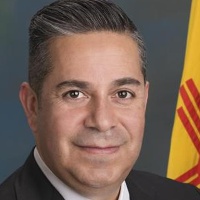
Ben Luján
Senator
NM
Ben Luján
Senator
NM
The HCBS Relief Act of 2025 significantly increases federal Medicaid funding for states that commit to improving their Home and Community-Based Services (HCBS) programs. This temporary boost requires states to use the extra funds to raise provider reimbursement rates, increase worker compensation, and expand access to services for eligible individuals. States must ensure this new federal money supplements, rather than replaces, existing state spending on HCBS.
The Disaster Relief Medicaid Act establishes a temporary, simplified Medicaid pathway with 100% federal funding for survivors of major disasters, while also providing federal support for state response efforts.
Richard Blumenthal
Senator
CT
Richard Blumenthal
Senator
CT
The Disaster Relief Medicaid Act establishes a temporary, simplified Medicaid pathway for survivors of federally declared disasters, effective January 1, 2027. This pathway provides two years of coverage with relaxed income verification rules, ensuring immediate access to necessary healthcare. The bill also mandates 100% federal funding for these services and supports state efforts to rapidly deploy medical assistance and home care teams following a disaster. Finally, it adjusts Medicare enrollment rules to prevent penalties for survivors delayed by the disaster period.
This bill prohibits smoking, including the use of electronic nicotine delivery systems, on all premises of Veterans Health Administration facilities.
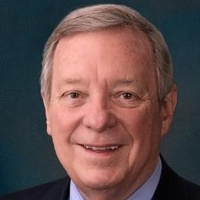
Richard Durbin
Senator
IL
Richard Durbin
Senator
IL
This bill amends federal law to implement a comprehensive ban on smoking and the use of electronic nicotine delivery systems on the premises of all Veterans Health Administration (VHA) facilities. The prohibition covers both indoor spaces and outdoor grounds under VHA control. This measure aims to create entirely smoke-free environments for veterans receiving care.