Legislation
This bill, TREY's Law, voids and prohibits the enforcement of any contract clause that prevents disclosure regarding the sexual abuse of a minor person.
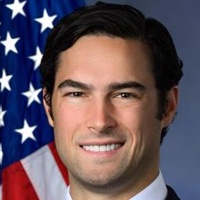
Brandon Gill
Representative
TX
Brandon Gill
Representative
TX
This bill, known as TREY's Law, bans the use of nondisclosure clauses in any contract related to claims of sexual abuse against a minor. It renders such clauses void and unenforceable, even in agreements signed previously, to prevent silencing survivors. The law ensures victims and others can freely disclose information about child sexual abuse without fear of civil liability.
This Act establishes grant programs to fund community reentry centers and 24/7 assistance hotlines to support individuals after conviction or incarceration.
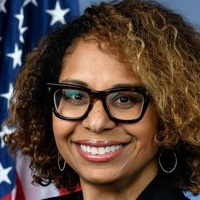
Sydney Kamlager-Dove
Representative
CA
Sydney Kamlager-Dove
Representative
CA
The One Stop Shop Community Reentry Program Act of 2026 establishes federal grant programs to fund community reentry centers and statewide assistance hotlines. These initiatives aim to provide comprehensive, trauma-informed services to individuals post-conviction or incarceration to reduce recidivism. The Act prioritizes hiring formerly incarcerated individuals and mandates rigorous evaluation and reporting on program outcomes.
This bill mandates reasonable efforts to keep siblings together in foster care and establishes a grant program to support specialized placements for large or complex sibling groups.
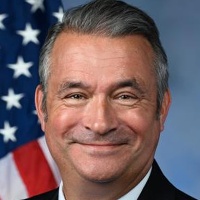
Don Bacon
Representative
NE
Don Bacon
Representative
NE
This bill mandates that state child welfare agencies make reasonable efforts to keep siblings together in foster care and ensure ongoing contact if they are separated. It also establishes a competitive grant pilot program to fund specialized foster care programs designed to successfully place large, widely-aged, or complex-needs sibling groups together. The goal is to prioritize and improve sibling connections while in state care.
This bill mandates a comprehensive report from the Postmaster General detailing mail service performance, workforce issues, and corrective actions to improve USPS operations in the St. Louis region.
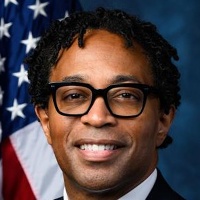
Wesley Bell
Representative
MO
Wesley Bell
Representative
MO
The St. Louis Postal Accountability and Reform Act addresses significant service failures within the USPS St. Louis region, as documented by recent Inspector General audits. This bill mandates the Postmaster General to submit a detailed report to Congress outlining performance, workforce challenges, and the accuracy of internal reporting for mail delivery in the area. Furthermore, it requires the USPS to describe new management accountability systems designed to prevent the recurrence of these documented operational problems.
This bill authorizes the President to construct a permanent, secure ballroom on White House grounds to accommodate large formal events.
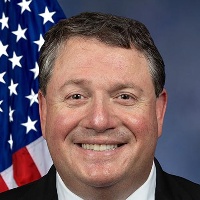
Randall Fine
Representative
FL
Randall Fine
Representative
FL
The Build the Ballroom Act authorizes the President to construct a permanent ballroom on White House grounds to safely host large formal events and state dinners. This measure addresses current space limitations that force large gatherings off-site, citing past security incidents as justification. The President is granted sole authority to approve the project, ensuring it meets modern security and functional needs for the Executive Office.
This bill requires institutions applying for federal research and development awards to certify they do not operate a branch campus in specified foreign countries.
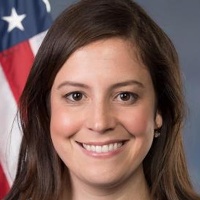
Elise Stefanik
Representative
NY
Elise Stefanik
Representative
NY
This bill amends existing law to require institutions of higher education to certify they do not operate certain branch campuses in specified foreign countries when applying for federal research and development awards. This certification requirement is intended to enhance research security. The bill specifically lists several countries, including China and Russia, for which this restriction applies.
This bill mandates a cost-of-living adjustment for veterans' compensation and related benefits equal to the 2026 Social Security COLA, effective December 1, 2026.
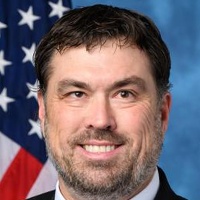
Morgan Luttrell
Representative
TX
Morgan Luttrell
Representative
TX
This bill ensures that veterans' disability compensation and related benefits receive a Cost-of-Living Adjustment (COLA) for 2026. The increase will match the percentage rise applied to Social Security benefits for that year. Effective December 1, 2026, this adjustment will apply to disability compensation, dependent benefits, clothing allowances, and survivor benefits.
This act mandates that National Park Service interpretive materials must be historically and culturally accurate, requires the restoration of recently altered accurate materials, and calls for a report on Indigenous co-stewardship agreements.
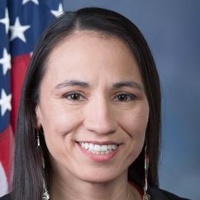
Sharice Davids
Representative
KS
Sharice Davids
Representative
KS
The Truth in National Parks Act mandates that interpretive programs and materials within National Parks must be historically and culturally accurate. It prohibits the alteration of such accurate materials unless updated with new, verified historical information following consultation. Furthermore, the bill requires the restoration of any accurate interpretive materials that were removed or altered between January 20, 2025, and the date of enactment. Finally, it calls for a report on improving co-stewardship agreements with Indigenous communities.
This bill enhances the representation of diverse Alaskan fishing interests, including subsistence users and non-industrial commercial and recreational fishers, on the North Pacific Fishery Management Council.
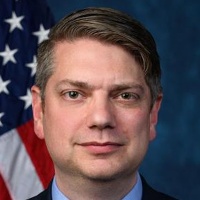
Nicholas Begich
Representative
AK
Nicholas Begich
Representative
AK
This bill, the North Pacific Fishery Management Council Representation Enhancement Act of 2026, aims to increase representation on the Council overseeing Alaskan fisheries. It mandates the inclusion of specific seats for recreational fishers, non-industrial commercial fishers, and subsistence users. Furthermore, the bill increases the total number of voting members and adjusts voting requirements to ensure these new perspectives influence Council decisions.
This bill bans certain institutions of higher education from receiving federal research and development awards for five years if they accept foreign funding for specified national security-related research tasks.
Elise Stefanik
Representative
NY
Elise Stefanik
Representative
NY
This bill amends the National Defense Authorization Act to prohibit certain institutions of higher education from receiving federal research and development awards for five years. This ban is triggered if the institution receives funding from a specified foreign government or its entities to conduct research related to national security or military applications. The legislation specifically targets sensitive areas like artificial intelligence, biotechnology, and quantum information science.
This bill establishes the CARES Hotline Act to create a national, 24/7 hotline providing emotional support, resources, and referrals for caregivers of individuals with developmental disabilities.
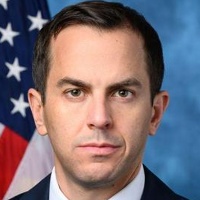
Robert Menendez
Representative
NJ
Robert Menendez
Representative
NJ
The Caregiver Access to Resources and Emotional Support Hotline Act (CARES Hotline Act) establishes a national, 24/7, toll-free hotline for caregivers of individuals with developmental disabilities. This hotline will provide emotional support, brief intervention, and referrals to mental health and local support resources. The Department of Health and Human Services is tasked with establishing and maintaining this vital service, supported by authorized funding through 2032.
This bill revises the Defense Community Infrastructure Program to expand eligibility, broaden the use of funds for infrastructure projects, and include Coast Guard installations.
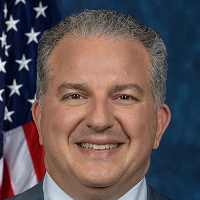
Jimmy Patronis
Representative
FL
Jimmy Patronis
Representative
FL
This bill revises the Defense Community Infrastructure Program to expand eligibility to include states, tribes, and nonprofits, and broadens the allowable uses of funds for infrastructure projects supporting military installations. It also expands the program to include Coast Guard installations, requiring coordination with the Commandant of the Coast Guard for related funding. Furthermore, the legislation establishes a cost-sharing requirement, limiting the federal share of project costs to 80 percent.
This Act establishes regular audits and reporting requirements to ensure the Department of Defense complies with domestic food supply chain rules.
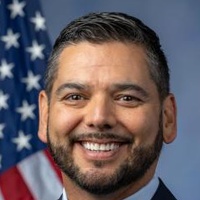
Raul Ruiz
Representative
CA
Raul Ruiz
Representative
CA
The Homegrown Defense Act of 2026 strengthens oversight of the Department of Defense's adherence to domestic food supply chain requirements. This act mandates regular audits by the DoD Inspector General focusing on the procurement of specific items. The results of these audits will be reported directly to the House and Senate Armed Services Committees.
This bill directs Congress to award Congressional Gold Medals to President Donald John Trump, the Secret Service, and local law enforcement partners for heroism and tenacity following recent assassination attempts.
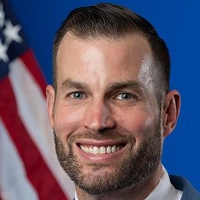
Clay Fuller
Representative
GA
Clay Fuller
Representative
GA
This bill, the Congressional Gold Medal For Inspiring Great Heroism and Tenacity (FIGHT) Act, directs Congress to award Congressional Gold Medals to President Donald John Trump, the United States Secret Service, and their local law enforcement partners. These awards recognize their bravery and tenacity following recent assassination attempts and threats. The legislation authorizes the Secretary of the Treasury to design and strike the medals, with bronze duplicates available for sale.
This act amends the National Quantum Initiative Act to explicitly incorporate social benefit, expand coordination, broaden research focus, and integrate health perspectives into the national quantum information science program.
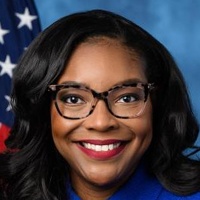
Emilia Sykes
Representative
OH
Emilia Sykes
Representative
OH
The Quantum for Health Act amends the National Quantum Initiative Act to explicitly prioritize the pursuit of **social benefit** through quantum information science and technology. This legislation expands the scope of national quantum efforts to include applications in diverse sectors, notably by adding the Department of Health and Human Services to key advisory bodies. Furthermore, it increases support for research centers and broadens their focus to include applied work and health-related fields, while emphasizing outreach to underrepresented groups.
This Act prohibits most pet restrictions, fees, and breed bans in federally assisted housing while allowing for reasonable pet rules.
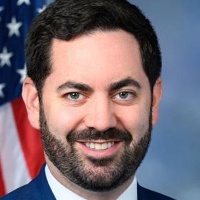
Michael Lawler
Representative
NY
Michael Lawler
Representative
NY
The Pets Belong with Families Act aims to ensure that pets can remain with their families by removing unnecessary barriers in federally assisted housing. This legislation prohibits most pet bans, fees, and breed restrictions in these housing situations. Housing providers can still enforce reasonable rules regarding pet behavior and safety, but cannot charge deposits beyond a specified limit or deny pets based on breed.
The CHARTER Act prohibits federally funded charter schools from contracting with for-profit entities to operate, oversee, or manage the school's core administration, ensuring public funds serve educational needs rather than generate private profit.
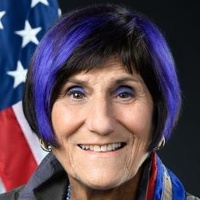
Rosa DeLauro
Representative
CT
Rosa DeLauro
Representative
CT
The CHARTER Act ensures that federally funded charter schools adhere to nonprofit requirements by prohibiting them from contracting with for-profit entities to operate or manage the school's core operations. This legislation aims to prevent public education funds from being diverted as profit for private entities. It clarifies that while core management must remain nonprofit, charters can still contract for specific support services like food or transportation.
The HELP Act of 2026 establishes a program to strengthen nationwide access to and coordination of 211 health and human services referral systems through federal funding and administrative oversight.
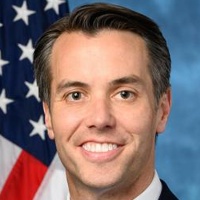
Morgan McGarvey
Representative
KY
Morgan McGarvey
Representative
KY
The HELP Act of 2026 establishes a program within HHS to strengthen nationwide access to 211 services for health and human services information and referrals. This initiative aims to increase 211 capacity, improve coordination with 911 and 988 crisis lines, and raise public awareness. The Act authorizes $250 million annually through 2032 to provide grants to local 211 providers to expand and improve service accessibility across all states.
This bill raises the minimum age for federal juvenile prosecution, limits murder liability for those under 18, mandates data collection on incarcerated youth, and funds state collaboration between child welfare and juvenile justice systems.
Sydney Kamlager-Dove
Representative
CA
Sydney Kamlager-Dove
Representative
CA
The Directly Impacted Child Rehab and Safety Act amends federal juvenile justice laws to raise the minimum age for prosecution as an adult and limits murder convictions for those under 18 to intentional killings. The bill also mandates comprehensive federal data collection on incarcerated youth and authorizes grants to improve collaboration between state child welfare and juvenile justice systems. These measures aim to prioritize rehabilitation and better address the needs of children in the justice system.
This bill repeals the Davis-Bacon Act, eliminating the requirement for contractors on federally funded construction projects to pay locally prevailing wages.
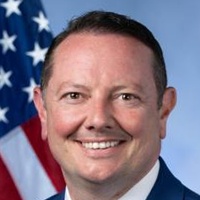
Eric Burlison
Representative
MO
Eric Burlison
Representative
MO
This bill repeals the Davis-Bacon Act of 1931, eliminating the federal requirement for contractors on federally funded construction projects to pay locally prevailing wages. The repeal takes effect 30 days after enactment, though it will not affect existing contracts or bids already submitted.