Legislation
This bill mandates data sharing between the Social Security Administration, HHS, and the Department of Labor to enhance the integrity and prevent improper payments within the Federal Employees’ Compensation Act (FECA) program.
Ryan Mackenzie
Representative
PA
Ryan Mackenzie
Representative
PA
The Federal Workers’ Compensation Integrity and Care Act aims to strengthen the integrity of the Federal Employees’ Compensation Act (FECA) program by improving payment oversight. This bill requires the Social Security Administration and the Department of Health and Human Services to share specific earnings and new hire data with the Department of Labor upon request. This enhanced data access will help the Department of Labor detect and prevent improper payments within the FECA program.
The Pipeline Safety Authorization Act of 2026 revises pipeline safety standards, narrows regulatory definitions, strengthens enforcement penalties, establishes a voluntary information-sharing system, and authorizes funding through FY 2031.
Randy Weber
Representative
TX
Randy Weber
Representative
TX
The Pipeline Safety Authorization Act of 2026 focuses on strengthening pipeline safety regulations and oversight. Key provisions include narrowing the definition of "transporting gas," requiring safety standards to prioritize domestic economic benefits, and establishing a voluntary, confidential information-sharing system for the industry. The bill also updates penalty structures, sets funding authorizations through FY 2031, and mandates states to adopt leading practices for excavation damage prevention.
This bill expresses support for World Sickle Cell Awareness Day to increase public awareness and advocate for research, early detection, novel treatments, and equitable care for sickle cell disease.
Danny Davis
Representative
IL
Danny Davis
Representative
IL
This bill expresses support for "World Sickle Cell Awareness Day" to raise public awareness about sickle cell disease (SCD). It highlights the need for continued research, early detection, novel treatments, and equitable access to care for those affected by SCD. The resolution specifically designates June 19, 2026, as the awareness day and calls for interagency coordination to address healthcare disparities.
This bill seeks to disapprove the CMS rule detailing the 2027 Benefit and Payment Parameters for the Affordable Care Act and the Basic Health Program.

Kathy Castor
Representative
FL
Kathy Castor
Representative
FL
This bill seeks to disapprove the rule submitted by the Centers for Medicare & Medicaid Services (CMS) regarding the 2027 Benefit and Payment Parameters for the Affordable Care Act and the Basic Health Program. If enacted, this disapproval would render the specified CMS rule without any legal force or effect.
This bill grants certified private owners and operators of critical infrastructure the authority to use counter-drone technology to defend their facilities until September 30, 2031, and establishes a grant program to support these efforts.
Matt Van Epps
Representative
TN
Matt Van Epps
Representative
TN
This bill, the Critical Infrastructure Airspace Defense Act, grants authorized and trained private owners of high-risk critical infrastructure the authority to detect, track, and neutralize threatening drones. It establishes a federal training and certification program for personnel and provides liability protections for actions taken under this new authority. The authority is set to expire on September 30, 2031, and the bill also creates a grant program to help facilities acquire counter-drone technology.
This bill establishes federal restrictions and penalties for operating unmanned aircraft systems over major U.S. seaports to enhance national and economic security.
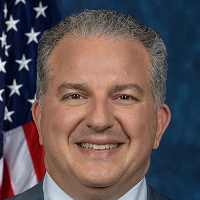
Jimmy Patronis
Representative
FL
Jimmy Patronis
Representative
FL
The Seaport Security Act of 2026 establishes federal restrictions on operating unmanned aircraft systems (drones) over major U.S. seaports to counter national security and smuggling risks. This law prohibits unauthorized drone flights up to 1,000 feet above covered port airspace, with specific exceptions for authorized government or emergency operations. Violators face significant civil penalties up to \$25,000, and willful or malicious violations can result in criminal charges and up to ten years in prison.
This bill establishes the Federal Cryptocurrency Theft Task Force within the Department of Justice to coordinate the investigation and prosecution of cryptocurrency theft across federal, state, and local agencies.
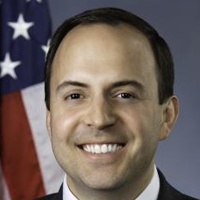
Lance Gooden
Representative
TX
Lance Gooden
Representative
TX
This bill establishes the Federal Cryptocurrency Theft Task Force within the Department of Justice to combat the growing threat of digital asset crimes. The Task Force will coordinate federal efforts, develop best practices, and provide technical assistance to state and local law enforcement. Its primary focus is on improving the investigation and prosecution of cryptocurrency theft without creating new regulations or criminal offenses.
This bill incentivizes the domestic production of permanent magnets and their use in critical U.S. manufacturing through new tax credits.

John Moolenaar
Representative
MI
John Moolenaar
Representative
MI
This bill, the "Magnets Value Chain Support Act of 2026," establishes new tax credits to incentivize the domestic production of permanent magnets, magnet metals, and rare earth oxides. It also creates a corresponding tax credit for businesses that use these domestically produced magnets in manufacturing critical technologies for defense, energy, and advanced electronics. The legislation aims to reduce U.S. dependence on foreign supply chains, particularly China, for these vital components.
This bill establishes a right for citizens to sue federal employees who violate First Amendment rights through actions related to the censorship or interference with artificial intelligence.
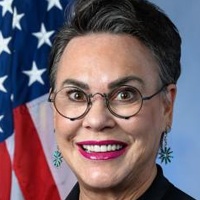
Harriet Hageman
Representative
WY
Harriet Hageman
Representative
WY
The Preventing AI Censorship Act establishes a private right of action allowing U.S. citizens to sue federal employees who violate First Amendment rights through actions related to artificial intelligence. This includes coercing AI providers to suppress viewpoints or directly interfering with an individual's lawful use of AI based on protected expression. The bill aims to prevent government censorship in the development and use of artificial intelligence technologies.
This bill directs the Assistant Secretary of Commerce to study and report to Congress on the technologies, economics, and performance of various broadband internet access services.
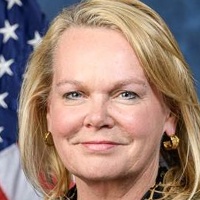
April McClain Delaney
Representative
MD
April McClain Delaney
Representative
MD
This bill, the Broadband Deployment and Economic Impact Study Act of 2026, directs the Assistant Secretary of Commerce for Communications and Information to conduct a comprehensive study on current broadband internet access technologies. The resulting report to Congress must analyze the workforce needs, economics, performance metrics, and consumer costs associated with technologies like fiber, wireless, and satellite. The goal is to provide Congress with detailed information on the landscape of broadband deployment.
This bill mandates a de novo trial of the facts by a reviewing court when an agency seeks to impose a sanction.
Harriet Hageman
Representative
WY
Harriet Hageman
Representative
WY
This bill amends the Administrative Procedure Act to require federal courts to conduct a **de novo trial of the facts** when reviewing agency actions that seek to impose a sanction. This means judges must independently review and decide all relevant factual questions, rather than deferring to the agency's factual findings. Consequently, agency actions imposing sanctions can be overturned if the underlying facts are not adequately supported, even if formal procedures were followed.
This bill requires transportation planning organizations to identify facilities most vulnerable to local natural disasters and plan for maintaining critical routes during emergencies.
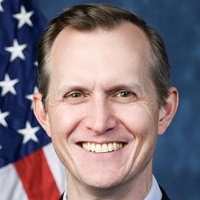
George Whitesides
Representative
CA
George Whitesides
Representative
CA
The Disaster Ready Infrastructure Act of 2026 mandates that transportation planning organizations and states assess the vulnerability of their infrastructure to local natural disasters. This legislation requires identifying the most at-risk transportation facilities and prioritizing projects to ensure critical routes remain operational before, during, and after a disaster.
This bill amends the Truth in Lending Act to regulate "buy now, pay later" loans under the same framework as credit cards, requiring consumer protection disclosures.

Dan Goldman
Representative
NY
Dan Goldman
Representative
NY
This bill, the "Buy Now Pay Later Consumer Protection Act of 2026," amends the Truth in Lending Act to classify "buy now, pay later" loans as credit cards. This action brings these short-term, interest-free installment loans under the same regulatory framework as traditional credit cards. The legislation mandates the Consumer Financial Protection Bureau to issue implementing rules within six months to ensure consumer protection disclosures are applied to BNPL issuers.
This bill requires the Department of Defense to review acquisitions by investment companies that result in a controlling interest in major defense suppliers to safeguard national security and the defense industrial base.
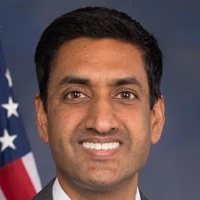
Ro Khanna
Representative
CA
Ro Khanna
Representative
CA
This bill, the Critical Defense Ownership Review Act, requires investment companies to notify the Department of Defense before acquiring a controlling interest in a major defense supplier. The DoD must then review the transaction's impact on national security and report findings to antitrust authorities. Additionally, the bill mandates a triennial review of merger and acquisition activity involving defense suppliers to assess the health of the defense industrial base.
This bill establishes the Foreign Investment Review Authority (FIRA) to monitor foreign countries' compliance with their investment commitments to the United States, ensuring those investments provide a net economic benefit and adhere to ethics standards.
Ro Khanna
Representative
CA
Ro Khanna
Representative
CA
This bill establishes the Foreign Investment Review Authority (FIRA) to monitor and track foreign countries' investment commitments made to the United States. FIRA will review these "covered investments" to ensure they provide a "net economic benefit" and comply with federal ethics and transparency laws. The legislation mandates public reporting on commitment progress and grants FIRA the authority to mediate or prohibit non-compliant investments.
This bill renames the United States Postal Service facility at 2777 Logan Avenue in San Diego, California, as the "Armando Rodriguez Post Office."
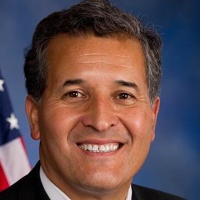
Juan Vargas
Representative
CA
Juan Vargas
Representative
CA
This bill officially renames the United States Postal Service facility located at 2777 Logan Avenue in San Diego, California, to the "Armando Rodriguez Post Office." The legislation ensures all federal records and documents reflect this new designation.
This bill directs the VA to create an action plan to help veterans secure employment in the advanced manufacturing sector.
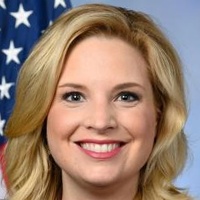
Ashley Hinson
Representative
IA
Ashley Hinson
Representative
IA
This bill, the Veterans to Advanced Manufacturing Plan Act, directs the Secretary of Veterans Affairs to create an action plan to help veterans secure employment in the advanced manufacturing sector. The plan must identify barriers for both veterans and employers, highlight veteran skills relevant to the industry, and recommend specific actions to increase veteran participation. The goal is to streamline the path for veterans to enter and succeed in advanced manufacturing jobs.
This bill, the "No Toxic Chemicals in Food Packaging Act of 2026," bans specific harmful chemicals from being used in food contact substances and requires extra safety reviews for alternatives impacting vulnerable populations.

Janice Schakowsky
Representative
IL
Janice Schakowsky
Representative
IL
The "No Toxic Chemicals in Food Packaging Act of 2026" amends federal law to deem specific toxic chemicals, including certain phthalates, PFAS, and Bisphenols, unsafe for use in food contact materials. This legislation mandates that the FDA consider the impact on vulnerable populations when reviewing alternatives to these banned substances. Furthermore, the Act preserves the authority of states and local governments to enact stricter regulations regarding food additives and contact substances.
This bill establishes six mandatory fee-free days annually for entry to federal recreational lands and waters to encourage public service and national pride.
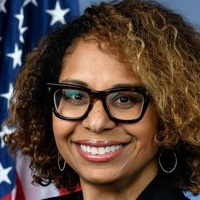
Sydney Kamlager-Dove
Representative
CA
Sydney Kamlager-Dove
Representative
CA
This bill, the "Encouraging Public Service in Our National Parks and Public Land Act," amends existing law to mandate six specific fee-free days annually for entry to federal recreational lands and waters. These free admission days are set to coincide with significant holidays like Martin Luther King Jr. Day and Veterans Day. The goal is to promote national pride and encourage public volunteerism by increasing access to these public lands.
This bill amends the Administrative Procedure Act to allow courts to set aside agency actions if the supporting evidence is not the product of reliable scientific principles and methods.
Harriet Hageman
Representative
WY
Harriet Hageman
Representative
WY
This bill amends the Administrative Procedure Act to allow courts to set aside federal agency decisions if the supporting evidence is not based on reliable scientific principles and methods. It grants judges the authority to review and reject agency actions based on the scientific soundness of the evidence used.