Legislation
This bill mandates the Department of Homeland Security to produce annual assessments of terrorism threats posed by the use of generative artificial intelligence and share this information with Congress and fusion centers.
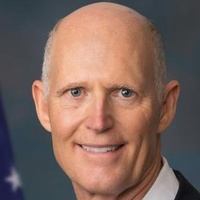
Rick Scott
Senator
FL
Rick Scott
Senator
FL
This bill directs the Department of Homeland Security to annually assess terrorism threats posed by the use of generative artificial intelligence. These assessments, produced in consultation with the Director of National Intelligence, will analyze how terrorist organizations might use generative AI for propaganda or to enhance weapon development. The findings will be shared with Congress and incorporated into information sharing with state and local fusion centers.
This bill establishes a VA Task Force to research and improve healthcare, benefits, and diagnostic tools for veterans affected by blast overpressure exposure.
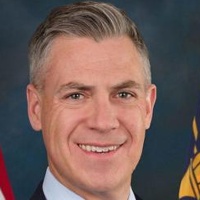
Jim Banks
Senator
IN
Jim Banks
Senator
IN
This bill establishes the Blast Overpressure Research and Mitigation Task Force within the Department of Veterans Affairs. The Task Force will improve healthcare and benefits for veterans affected by blast exposure by aligning research, establishing baseline measurements, and prioritizing translational research into related conditions. It is required to submit annual reports detailing its progress and recommendations for evaluating service-connected neurological injuries.
This bill increases the criminal and civil penalties for the unauthorized disclosure of taxpayer information by IRS employees and contractors.
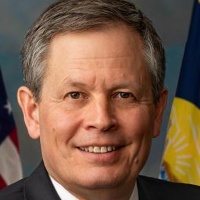
Steve Daines
Senator
MT
Steve Daines
Senator
MT
This bill strengthens protections for taxpayer information by significantly increasing both criminal and civil penalties for unauthorized disclosure. It raises maximum fines and prison time for willful disclosures and establishes new, severe penalties for IRS contractors who fail to safeguard confidential data. The legislation also increases the minimum civil damages available to individuals whose information is improperly disclosed.
This bill establishes a pilot program to evaluate the safety, quality, and qualification pathways for printable energetic feedstocks used in additive manufacturing for defense applications.

John Cornyn
Senator
TX
John Cornyn
Senator
TX
This bill establishes a Department of Defense pilot program to evaluate the safety, quality, and qualification pathways for using printable energetic feedstocks in additive manufacturing. The program will assess how these new materials impact handling safety, supply chain resilience, and logistics compared to traditional methods. A key focus is developing necessary test methods and qualification criteria to ensure these materials meet all explosive safety and security requirements. The Secretary of Defense must report annually to Congress on the program's findings and recommendations for wider adoption.
This Act repeals the requirement that dredging in U.S. waters must be performed by U.S.-built and flagged vessels and removes dredged material transportation from certain regulatory requirements.
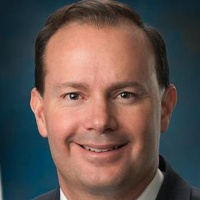
Mike Lee
Senator
UT
Mike Lee
Senator
UT
The Port Modernization and Supply Chain Protection Act aims to streamline port operations by removing outdated restrictions on dredging activities. This legislation repeals requirements that U.S. dredging must be performed by American-built and flagged vessels. It also removes specific regulations concerning the transportation of dredged material.
This act mandates that most private health plans cover the first three primary care visits and the first three behavioral health care visits each year with no out-of-pocket cost to the patient.
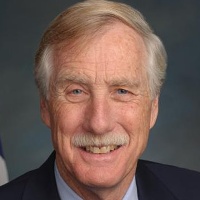
Angus King
Senator
ME
Angus King
Senator
ME
The Primary and Behavioral Health Care Access Act of 2026 mandates that most private health plans must cover the first three primary care visits and the first three behavioral health care visits each year with absolutely no cost-sharing for the patient. This ensures immediate, no-cost access to essential routine and mental health services. The bill also prohibits plans from imposing discriminatory limits or payment cuts on these covered visits.
This Act establishes the Federal Flood Risk Management Standard, requiring federal agencies to use climate-informed science and higher elevation standards when undertaking projects in floodplains to increase resilience and reduce flood losses.

Chris Van Hollen
Senator
MD
Chris Van Hollen
Senator
MD
The Federal Flood Risk Management Act of 2026 establishes a national standard requiring federal agencies to increase resilience against current and future flooding. It mandates that federal actions in floodplains use updated science, often requiring construction above the traditional base flood level. The Act directs agencies to avoid floodplain development where possible and implement measures to minimize harm when action in a floodplain is unavoidable.
This bill extends the expiration date of certain surveillance authorities under Title VII of the Foreign Intelligence Surveillance Act (FISA) from June 12, 2026, to July 2, 2026.
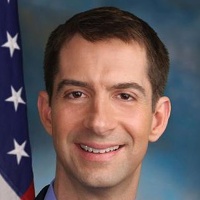
Tom Cotton
Senator
AR
Tom Cotton
Senator
AR
This bill extends certain surveillance authorities under Title VII of the Foreign Intelligence Surveillance Act (FISA). Specifically, it pushes back the repeal date for these authorities from June 12, 2026, to July 2, 2026.
This bill substantially increases civil penalties for employers hiring unauthorized aliens and for aliens who fail to depart or enter the U.S. improperly, with future adjustments for inflation.
Rick Scott
Senator
FL
Rick Scott
Senator
FL
The Illegal Immigration Cost Recovery Act significantly increases civil penalties for employers who hire unauthorized aliens. It also raises the fines imposed on aliens who fail to depart after a removal order or who enter the U.S. improperly. Furthermore, this Act mandates annual inflation adjustments for all these increased civil penalties starting in 2027.
This resolution reaffirms the importance of the U.S. promoting the safety and well-being of refugees globally while calling for the full restoration of the U.S. Refugee Admissions Program and asylum protections.

Jeanne Shaheen
Senator
NH
Jeanne Shaheen
Senator
NH
This resolution reaffirms the United States' commitment to promoting the safety and well-being of refugees globally and domestically. It highlights the severe worldwide displacement crisis and criticizes the current suspension and low caps of the U.S. Refugee Admissions Program. The bill calls for the full restoration of asylum protections and refugee resettlement to uphold U.S. legal obligations and humanitarian leadership.
This bill repeals the Tiahrt Amendments and other restrictions to allow law enforcement to better use gun trace data, restore public access to records, and permit inventory audits of firearms dealers.

Andy Kim
Senator
NJ
Andy Kim
Senator
NJ
The Gun Records Restoration and Preservation Act aims to repeal several restrictions, known as the Tiahrt Amendments, that limit law enforcement's ability to use firearm trace data. This legislation restores the authority of the ATF to access, share, and utilize its own gun trace databases and allows for the retention of NICS background check records. Ultimately, the bill seeks to provide vital information to combat illegal gun trafficking and enhance public safety.
This Act reaffirms the Declaration of Independence as an organic law of the United States and incorporates its full text into the U.S. Code in commemoration of the nation's 250th anniversary.
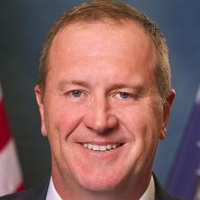
Eric Schmitt
Senator
MO
Eric Schmitt
Senator
MO
This Act formally reaffirms the Declaration of Independence as an organic law of the United States, recognizing it as the enduring charter of American sovereignty and rights. In commemoration of the nation's 250th anniversary, Congress incorporates the complete text of the Declaration into the United States Code. The legislation emphasizes the foundational principles of natural rights, equal citizenship, and government by consent.
This Act prohibits the knowing distribution of materially false, AI-generated election media intended to mislead voters or intimidate officials, restricts using unverified data for voter roll purges, and limits federal government use of data to determine voter eligibility.

Jeff Merkley
Senator
OR
Jeff Merkley
Senator
OR
The Fraudulent Artificial Intelligence Regulations (FAIR) Elections Act of 2026 prohibits the knowing distribution of false AI-generated media intended to mislead voters or intimidate election officials. It also restricts states from removing voters from rolls using unverified data sources, requiring reliance on approved government information. Furthermore, the Act bans the federal government from using its data to determine individual voter eligibility in federal elections. Finally, it mandates a GAO study on the use of federal databases for voter list maintenance.
This resolution designates June as National Annuity Awareness Month to promote consumer education about the benefits of annuities for guaranteed lifetime income in retirement.

Jerry Moran
Senator
KS
Jerry Moran
Senator
KS
This resolution designates June as National Annuity Awareness Month to promote consumer education on the benefits of annuities, particularly their ability to provide guaranteed lifetime income. It encourages working with financial professionals when considering annuities for retirement and legacy planning. The month aims to raise awareness about how annuities can address the risk of outliving retirement savings.
This act prohibits state and local governments from enacting regulations that limit access to or expansion of renewable energy services like wind, solar, storage, and geothermal sold in interstate commerce.
Jeff Merkley
Senator
OR
Jeff Merkley
Senator
OR
The Renewable Energy Choice Act aims to promote the expansion of renewable energy sources like wind, solar, geothermal, and energy storage. It achieves this by prohibiting state and local governments from enacting regulations that directly or indirectly restrict access to or installation of renewable energy projects sold in interstate commerce. The bill specifically bans permanent bans and imposes strict limits on moratoriums, height restrictions, setbacks, and sound limits for these projects.
This resolution recognizes Father's Day and affirms the essential, positive role fathers play in the well-being and success of their children.

Ashley Moody
Senator
FL
Ashley Moody
Senator
FL
This resolution officially recognizes Father's Day and celebrates the vital, positive impact fathers have on the emotional, educational, and economic well-being of their children. It highlights that engaged fatherhood leads to numerous positive life outcomes for children and underscores the irreplaceable value of a father's love and support. The resolution affirms the responsibility fathers have in caring for their families and wishes all fathers and father figures a happy Father's Day.
This bill establishes dedicated Treasury subaccounts to fund ongoing operations and new settlements for authorized Indian water rights agreements.
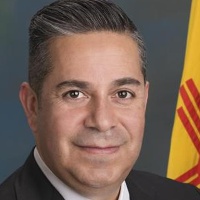
Ben Luján
Senator
NM
Ben Luján
Senator
NM
The Protecting Indian Water Rights Settlements Act of 2026 amends the Infrastructure Investment and Jobs Act to establish two dedicated subaccounts within the Indian Water Rights Settlement Completion Fund. These subaccounts will receive annual mandatory funding from the Treasury through 2035 to cover ongoing obligations and support new or continuing water rights settlements. This legislation aims to ensure consistent funding for the U.S. obligations under various authorized Indian water rights agreements.
This bill calls for the restoration of the U.S. Refugee Admissions Program and reaffirms America's commitment to protecting refugees and displaced persons globally.
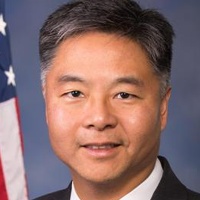
Ted Lieu
Representative
CA
Ted Lieu
Representative
CA
This resolution reaffirms the United States' commitment to refugee protection both domestically and globally, condemning recent policy actions that suspended refugee admissions. It calls for the immediate restoration of the U.S. Refugee Admissions Program and stronger support for displaced persons worldwide. The bill emphasizes the legal, moral, and economic benefits of robust refugee resettlement policies.
The Child Safety and Well-Being Act of 2026 establishes a Children's Commission, led by a Children's Commissioner, to examine, advocate for, and report on the interests and well-being of all children and marginalized youth across federal policy and law.
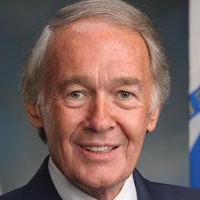
Edward Markey
Senator
MA
Edward Markey
Senator
MA
The Child Safety and Well-Being Act of 2026 establishes an independent Children’s Commission to examine and advocate for the interests of all children and marginalized youth across the nation. This Commission is tasked with raising awareness, reviewing policies, conducting research, and advising Congress and agencies on matters affecting child well-being. It is designed to operate continuously, ensuring children's voices are incorporated into federal decision-making processes.
This bill significantly expands federal immunity for firearm manufacturers and sellers by immediately dismissing existing lawsuits and establishing strict limitations and procedural hurdles for future civil liability claims.
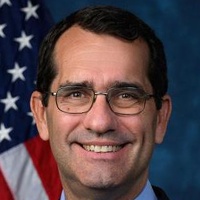
Derek Schmidt
Representative
KS
Derek Schmidt
Representative
KS
The Stopping Harmful and Outrageous Torts Act significantly expands legal immunity for firearm manufacturers, sellers, and trade associations by redefining terms within existing federal law. It mandates the immediate dismissal of pending lawsuits against these entities and establishes strict new standards for any exceptions that might apply. Furthermore, the bill preempts state and local laws that attempt to impose liability based on the criminal misuse of qualified products.