Legislation
This Act extends the federal funding authorization for advanced drinking water technology programs through 2031 to improve water infrastructure resilience.
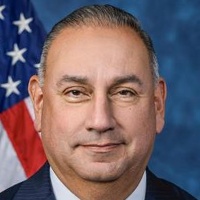
Gilbert Cisneros
Representative
CA
Gilbert Cisneros
Representative
CA
The Water Technology and Resilience Reauthorization Act extends the federal funding authorization for advanced drinking water technologies. This legislation ensures continued support for innovative water solutions by shifting the program's funding window from 2022–2026 to 2027–2031.
This bill proposes a 10% excise tax on colleges and universities that allow biological males to participate in female intercollegiate athletic programs.
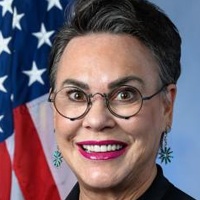
Harriet Hageman
Representative
WY
Harriet Hageman
Representative
WY
This bill proposes a 10% excise tax on colleges and universities that allow biological males to participate in female intercollegiate athletic programs. The legislation prohibits institutions from increasing tuition or mandatory fees to cover the cost of this tax.
This bill establishes a dedicated trust fund, financed by a portion of tobacco import duties, to support critical research into cancer prevention, early screening, and innovative treatments, with a focus on rare and pediatric cancers.
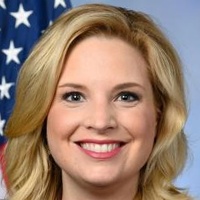
Ashley Hinson
Representative
IA
Ashley Hinson
Representative
IA
The Cancer Research Trust Fund Act establishes a dedicated federal fund to support critical research into cancer prevention, early screening, and innovative treatments. Financed by a portion of duties collected on imported tobacco products, the fund prioritizes advancements in pediatric and rare cancer research.
The Representation Act mandates that states identify and protect "communities of interest" during congressional redistricting to prevent unnecessary fragmentation and ensure public accountability.
James Gallagher
Representative
CA
James Gallagher
Representative
CA
The Representation Act mandates that states identify and document "communities of interest"—populations sharing common cultural, economic, or social ties—to ensure they remain intact during congressional redistricting. The bill restricts the division of these communities across districts, requires public justification for any such splits, and provides citizens with legal recourse to challenge redistricting decisions. By establishing these standards, the Act aims to protect the integrity of local communities in the electoral process.
The Truth in Labeling Act of 2026 establishes national, standardized labeling requirements for recyclable, compostable, reusable, and refillable packaging to reduce consumer confusion and prevent deceptive environmental marketing claims.

Jeff Merkley
Senator
OR
Jeff Merkley
Senator
OR
The Truth in Labeling Act of 2026 establishes national, standardized definitions and labeling requirements for packaging, food service products, and beverage containers to reduce consumer confusion regarding recyclability, compostability, reusability, and refillability. By mandating clear, evidence-based labels and prohibiting deceptive marketing, the bill aims to improve waste management efficiency and environmental outcomes. It also directs the EPA and FTC to create an advisory committee, develop educational resources, and enforce compliance to ensure consistent, accurate information for consumers nationwide.
The FAIRR Act mandates federal oversight and regulatory standards for the use of artificial intelligence within the financial sector to mitigate systemic risks and ensure market stability.

Mark Warner
Senator
VA
Mark Warner
Senator
VA
The Financial Artificial Intelligence Risk Reduction (FAIRR) Act establishes a comprehensive framework to identify and mitigate risks posed by artificial intelligence to the stability of the U.S. financial system. The bill mandates interagency coordination to monitor AI-driven threats, requires the SEC to implement governance standards for AI use, and enhances oversight of third-party service providers. Ultimately, the legislation ensures that financial institutions remain fully accountable for their use of AI technologies under existing regulatory and securities laws.
Kayleigh’s Law Act of 2026 mandates lifetime court-ordered injunctions prohibiting convicted violent or sexual offenders from contacting their victims.
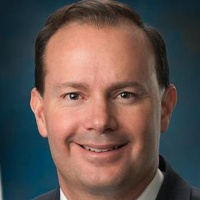
Mike Lee
Senator
UT
Mike Lee
Senator
UT
The Kayleigh’s Law Act of 2026 mandates lifetime no-contact injunctions for defendants convicted of specific federal violent or sexual offenses. Upon request by a victim or the prosecution, courts must issue these permanent orders at sentencing to protect victims from any form of direct or indirect communication. This legislation ensures victim safety by establishing clear legal consequences for violations while providing a streamlined process for victims to request these protections at no cost.
This bill directs the Secretary of Agriculture to convey approximately 8.97 acres of Black Hills National Forest land to Pennington County, South Dakota, for public use.
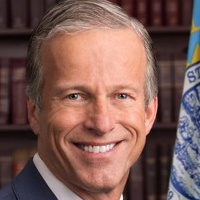
John Thune
Senator
SD
John Thune
Senator
SD
The Pennington County Land Conveyance Act directs the Secretary of Agriculture to transfer approximately 8.97 acres of Black Hills National Forest land to Pennington County, South Dakota. This land will be conveyed at no cost to the county to support the development of a public works facility or other necessary public uses. Following the transfer, the bill mandates a formal adjustment to the national forest boundary to reflect the change in ownership.
The Nurse Overtime and Patient Safety Act limits mandatory overtime for nurses at covered health care facilities to improve patient safety and prevent nurse fatigue.
Jeff Merkley
Senator
OR
Jeff Merkley
Senator
OR
The Nurse Overtime and Patient Safety Act aims to improve patient care and nurse well-being by limiting mandatory overtime for nurses in covered health care facilities. The bill establishes strict work-hour caps, provides whistleblower protections against retaliation, and mandates clear scheduling policies. Additionally, it directs federal studies to further evaluate safe working hour standards and ensure federal medical facilities align with these new safety requirements.
This resolution designates August 21, 2026, as "Fentanyl Prevention and Awareness Day" to honor victims and promote education on the dangers of illicit fentanyl.
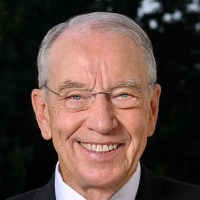
Charles Grassley
Senator
IA
Charles Grassley
Senator
IA
This resolution designates August 21, 2026, as "Fentanyl Prevention and Awareness Day" to honor the lives lost to illicit fentanyl and address the ongoing public health crisis. It encourages communities across the United States to participate in education and prevention efforts to raise awareness about the dangers of synthetic opioids. Ultimately, the day serves as a national commitment to promoting healthy, drug-free lifestyles and preventing future overdose deaths.
The Medicaid Dental Benefit Act of 2026 mandates comprehensive dental and oral health coverage for adults under state Medicaid programs, supported by increased federal funding and new quality reporting standards.

Angela Alsobrooks
Senator
MD
Angela Alsobrooks
Senator
MD
The Medicaid Dental Benefit Act of 2026 mandates that state Medicaid programs provide comprehensive dental and oral health coverage for adults beginning January 1, 2028. To support this expansion, the bill provides 100% federal matching funds for these services over a three-year period and directs the Secretary of Health and Human Services to establish standardized quality and equity measures. Additionally, the Act requires states to report on oral health outcomes and mandates new outreach programs to improve access and education for underserved populations.
The Summer Meals and Learning Act of 2026 establishes a grant program to support early reading initiatives and library access at school summer meal sites for students at risk of falling behind.
Jeff Merkley
Senator
OR
Jeff Merkley
Senator
OR
The Summer Meals and Learning Act of 2026 establishes a competitive grant program to support early literacy for students in need. By funding summer reading programs at school lunch sites, the bill helps eligible local educational agencies provide students with library access and expanded learning opportunities during the summer months.
The Trade Deficit Elimination Act of 2026 authorizes the President and the U.S. Trade Representative to impose targeted tariffs on imports from countries with which the United States maintains a bilateral trade deficit in goods.
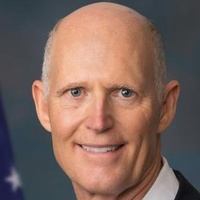
Rick Scott
Senator
FL
Rick Scott
Senator
FL
The Trade Deficit Elimination Act of 2026 mandates the identification of trading partners with which the United States maintains a bilateral goods trade deficit. To address these imbalances, the Act authorizes the President and the U.S. Trade Representative to impose additional import duties or negotiate bilateral agreements aimed at reducing the deficit. The legislation includes specific provisions to exempt critical goods and requires consultation with Congress to ensure national economic stability.
The Keep Our Communities Safe Act of 2026 strengthens immigration enforcement by expanding the Department of Homeland Security’s authority to detain noncitizens during removal proceedings and after final removal orders are issued.

Katie Britt
Senator
AL
Katie Britt
Senator
AL
The Keep Our Communities Safe Act of 2026 strengthens immigration enforcement by shifting primary detention and custody authority from the Attorney General to the Secretary of Homeland Security. The bill establishes stricter standards for the detention of noncitizens during removal proceedings and expands the government's authority to hold individuals with final removal orders. Additionally, it limits administrative and judicial review of custody determinations to ensure more consistent enforcement of immigration laws.
This bill establishes the Office of the Farm and Food System Workforce within the USDA to improve worker access to federal programs, coordinate interagency support, and ensure that the needs of the agricultural workforce are integrated into national policy.
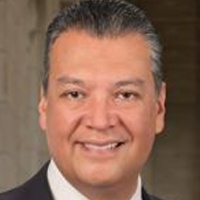
Alejandro Padilla
Senator
CA
Alejandro Padilla
Senator
CA
The Supporting Our Farm and Food System Workforce Act establishes a dedicated Office of the Farm and Food System Workforce within the USDA to improve worker access to federal programs and resources. This office will coordinate across federal agencies, integrate worker perspectives through a new Advisory Committee, and provide recommendations to address the unique economic, health, and safety needs of the agricultural workforce.
The Restore Veterans’ Compensation Act of 2026 protects veterans by prohibiting the reduction of disability compensation to recoup separation pay and establishing new financial safeguards for the recovery of separation benefits from retired pay.

Ruben Gallego
Senator
AZ
Ruben Gallego
Senator
AZ
The Restore Veterans’ Compensation Act of 2026 protects veterans by prohibiting the Department of Veterans Affairs from reducing disability compensation to recoup previous separation payments. Additionally, the bill establishes new financial safeguards for military retirees by capping recoupment deductions from retired pay and requiring the Department of Defense to consider a veteran's financial hardship before initiating repayment schedules.
This bill authorizes Department of Agriculture research and extension grants to improve the prevention, diagnosis, and management of emerging tick-borne diseases in U.S. livestock.
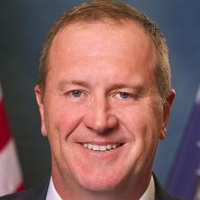
Eric Schmitt
Senator
MO
Eric Schmitt
Senator
MO
The Tick-Borne Livestock Disease Research Prioritization Act directs the Department of Agriculture to prioritize research and extension grants aimed at combating emerging tick-borne diseases in livestock. By funding the development of vaccines, diagnostics, and management strategies, the bill seeks to protect herd health and support the economic stability of the U.S. beef and dairy industries.
The Robotics Supply Chain Improvement Act directs federal agencies to standardize, promote, and report on the development and commercialization of robotics technology to strengthen the U.S. industrial base and workforce.
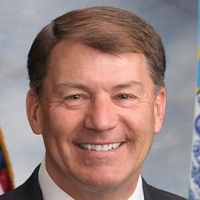
Mike Rounds
Senator
SD
Mike Rounds
Senator
SD
The Robotics Supply Chain Improvement Act aims to strengthen the domestic robotics industry by tasking the National Institute of Standards and Technology (NIST) with developing industry standards, workforce training programs, and solutions for key sectors. The bill also mandates annual reports on robotics adoption across the U.S. and directs NASA to prioritize the commercialization of its robotics-related intellectual property. Together, these measures seek to accelerate innovation and bolster the U.S. robotics supply chain.
The Quantum-GUARD Act of 2026 mandates the development of post-quantum cryptographic standards and research to protect the nation’s bulk-power electric grid from emerging quantum computing cybersecurity threats.
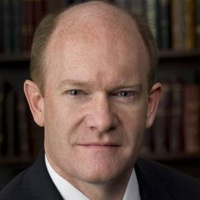
Christopher Coons
Senator
DE
Christopher Coons
Senator
DE
The Quantum-GUARD Act of 2026 mandates that the Federal Energy Regulatory Commission (FERC) account for quantum computing cybersecurity risks when establishing grid reliability standards. The legislation directs the Department of Energy to create a "PQC sandbox" to foster innovation in post-quantum cryptography and requires a comprehensive study on protecting the nation’s bulk-power system from future quantum-based threats.
The Affordable Housing Credit Carryback Act allows taxpayers to carry back unused low-income housing tax credits to offset tax liabilities from the five preceding years.
Ruben Gallego
Senator
AZ
Ruben Gallego
Senator
AZ
The Affordable Housing Credit Carryback Act allows taxpayers to carry back unused low-income housing tax credits to offset tax liabilities from the previous five years. This change provides greater financial flexibility for developers, helping to stabilize and incentivize the production of affordable housing.