Legislation
This act establishes a bipartisan task force to evaluate the impact of the affordable housing crisis on life outcomes and federal program costs, providing recommendations to Congress for improvement.
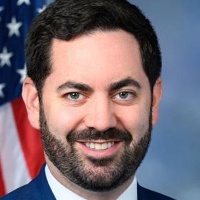
Michael Lawler
Representative
NY
Michael Lawler
Representative
NY
The Task Force on the Impact of the Affordable Housing Crisis Act of 2026 establishes a bipartisan commission to evaluate how the lack of affordable housing affects key life outcomes, such as health, education, and economic stability. The Task Force will quantify the financial burden this crisis places on government programs and provide Congress with evidence-based recommendations to improve policy effectiveness. Ultimately, this initiative aims to leverage affordable housing as a tool to enhance public well-being and strengthen community revitalization.
The GATE Act of 2026 prohibits foreign nationals from certain countries from accessing U.S. National Laboratories to protect national security and sensitive technology.
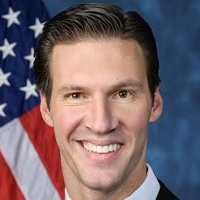
Pat Harrigan
Representative
NC
Pat Harrigan
Representative
NC
The GATE Act of 2026 prohibits individuals from certain foreign nations—specifically China, Russia, Iran, North Korea, and Cuba—from accessing U.S. National Laboratories. This legislation aims to protect sensitive American technology and research from exploitation. Exceptions to this ban may only be granted through a rigorous waiver process involving the Secretary of Energy and federal counterintelligence officials, subject to Congressional notification.
This bill amends the Foreign Service Act of 1980 to ensure Foreign Service members receive per diem and travel benefits while on mandatory leave.
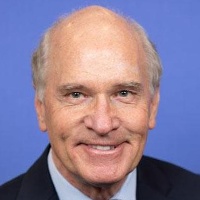
William Keating
Representative
MA
William Keating
Representative
MA
This bill amends the Foreign Service Act of 1980 to ensure that Foreign Service members are eligible for and receive necessary per diem, lodging, and travel benefits when they are ordered to take mandatory leave. This ensures members are financially supported while fulfilling these required leave obligations.
The Screen to Save Act mandates that Medicare, Medicaid, and private health insurance plans provide no-cost annual screening mammograms for women beginning at age 30, effective January 1, 2027.
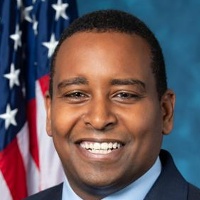
Joe Neguse
Representative
CO
Joe Neguse
Representative
CO
The Screen to Save Act mandates that Medicare, Medicaid, and private health insurance plans provide annual screening mammograms for women starting at age 30. Beginning in 2027, these screenings must be covered at no cost to the patient.
The Restoring Economic Diesel Fuel Act of 2026 eliminates federal penalties for the sale or use of dyed diesel fuel in taxable applications.
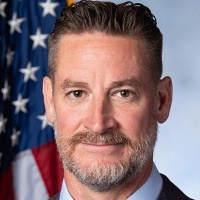
W. Steube
Representative
FL
W. Steube
Representative
FL
The Restoring Economic Diesel Fuel Act of 2026 eliminates federal penalties associated with the sale or use of dyed diesel fuel for taxable purposes. This legislation effectively removes existing restrictions under Section 6715 of the Internal Revenue Code, applicable to all fuel sold or used after December 31, 2025.
This bill designates August 17, 2026, as "National Nonprofit Day" to honor the vital contributions and community impact of the nonprofit sector and its employees.
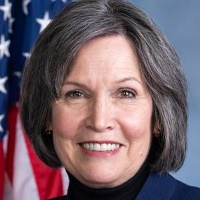
Betty McCollum
Representative
MN
Betty McCollum
Representative
MN
This resolution supports designating August 17, 2026, as "National Nonprofit Day" to honor the vital contributions of the nonprofit sector. It recognizes the essential role nonprofits play in supporting communities, driving the economy, and partnering with the government to deliver public services.
This bill directs the Secretary of the Interior to issue a formal disclaimer of federal interest to facilitate the conveyance of approximately 15.12 acres of land in Bonners Ferry, Idaho.
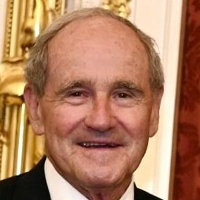
James Risch
Senator
ID
James Risch
Senator
ID
This bill directs the Secretary of the Interior to issue a formal disclaimer of interest for approximately 15.12 acres of land in Bonners Ferry, Idaho. By relinquishing federal claims to this property, the legislation facilitates the clear conveyance of land originally platted under the Revised Statutes. The measure specifically excludes any territory located within the Kootenai Indian Reservation.
This bill amends the Congressional Budget and Impoundment Control Act of 1974 to streamline the appropriation process by capping Senate debate on spending bills and restricting House adjournment until all annual appropriations are approved.
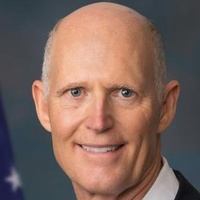
Rick Scott
Senator
FL
Rick Scott
Senator
FL
This bill amends the Congressional Budget and Impoundment Control Act of 1974 to streamline the federal appropriations process. It establishes a 20-hour debate cap for appropriation bills in the Senate and prohibits the House from adjourning for more than three days in July until all annual spending bills have been approved.
The Green New Deal for Public Schools Act provides comprehensive federal funding to modernize school infrastructure for climate resilience, expand staffing and educational equity, and increase support for special education and high-poverty districts.
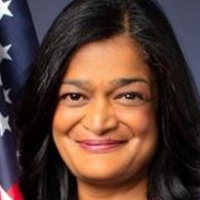
Pramila Jayapal
Representative
WA
Pramila Jayapal
Representative
WA
The Green New Deal for Public Schools Act provides comprehensive federal funding to modernize school infrastructure, transition to zero-carbon facilities, and expand educational staffing. The bill establishes grant programs to improve school climate resiliency, increase support for special education, and provide targeted aid to high-poverty districts. By prioritizing environmental justice communities and community-based planning, the legislation aims to create safer, more equitable learning environments while preparing schools to serve as hubs during climate-related disasters.
This bill authorizes and establishes a legal framework for the implementation of the death penalty for specific criminal offenses within the District of Columbia.
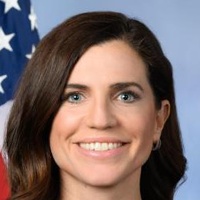
Nancy Mace
Representative
SC
Nancy Mace
Representative
SC
The "Restoring the Death Penalty in the District of Columbia Act" authorizes and regulates the use of the death penalty for specific serious criminal offenses within the District of Columbia. The bill establishes a formal sentencing process requiring the consideration of aggravating and mitigating factors, outlines procedures for appeals, and defines the methods of execution.
The Stopping Border Surges Act proposes comprehensive reforms to federal immigration law by tightening asylum eligibility, increasing detention and repatriation authority for unaccompanied children, and implementing stricter standards for family detention and asylum claims.
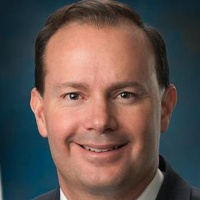
Mike Lee
Senator
UT
Mike Lee
Senator
UT
The Stopping Border Surges Act proposes comprehensive reforms to U.S. immigration law by tightening asylum eligibility requirements and expanding the government's authority to detain or repatriate noncitizen children and families. The bill introduces stricter standards for asylum claims, shortens application deadlines, and increases penalties for immigration fraud. Additionally, it modifies the processing and placement procedures for unaccompanied minors while overriding existing judicial consent decrees regarding family detention.
This bill prohibits top U.S. Postal Service executives from receiving certain fringe benefits, caps their total compensation at the President’s salary, and restricts bonus eligibility for the Postmaster General during years of financial deficit.
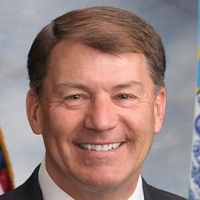
Mike Rounds
Senator
SD
Mike Rounds
Senator
SD
The USPS Executive Benefit and Bonus Removal Act prohibits top Postal Service executives from receiving premium fringe benefits, such as luxury travel, financial planning services, and relocation bonuses. The bill also caps executive compensation at the President’s salary level and restricts the Postmaster General from receiving bonuses during fiscal years when the Postal Service operates at a deficit.
This bill establishes a ten-year statute of limitations for both civil and criminal enforcement actions related to violations of the Export Control Reform Act of 2018.
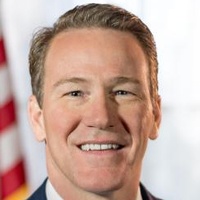
Jon Husted
Senator
OH
Jon Husted
Senator
OH
This bill amends the Export Control Reform Act of 2018 to establish a ten-year statute of limitations for both civil and criminal enforcement actions. This ensures that legal proceedings for export control violations must be initiated within a decade of the date the violation occurred.
The Stable Homes Act establishes a HUD-funded pilot program to provide grants to local governments for the creation of pre-filing eviction diversion programs that offer mediation, legal assistance, and rental support to tenants.
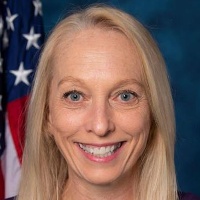
Mary Scanlon
Representative
PA
Mary Scanlon
Representative
PA
The Stable Homes Act establishes a HUD-funded pilot program to help local governments create or expand pre-filing eviction diversion programs. These programs aim to resolve housing disputes through mediation, rental assistance, and legal support before formal eviction proceedings can begin. The initiative includes rigorous reporting requirements and oversight to ensure fairness, with the program set to run through 2030.
The Stop ICE Price Gouging Act mandates fair pricing for essential and nonessential items in immigration detention commissaries by capping markups, prohibiting predatory fees, and ensuring accountability for overcharges.
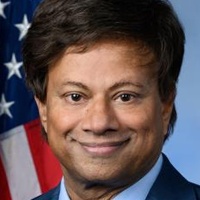
Shri Thanedar
Representative
MI
Shri Thanedar
Representative
MI
The Stop ICE Price Gouging Act aims to protect detained individuals by capping markups on essential and nonessential items sold in immigration detention facility commissaries. The bill prohibits predatory fees and revenue-sharing kickbacks while establishing clear refund procedures for overcharges. Additionally, it mandates regular audits and Congressional reporting to ensure contractor compliance and transparency.
This Act extends and expands U.S. sanctions against the Nicaraguan government to hold the regime accountable for human rights abuses, the suppression of democratic processes, and the persecution of civil society and religious institutions.
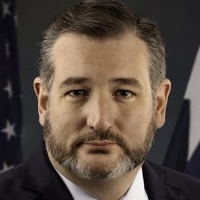
Ted Cruz
Senator
TX
Ted Cruz
Senator
TX
The Restoring Electoral Fairness and Opposition Rights through Mandates for Accountability Act of 2026 aims to address the ongoing political crisis and human rights abuses in Nicaragua under the Ortega-Murillo regime. The bill extends and strengthens existing sanctions, specifically targeting the nation’s gold sector and entities supporting authoritarian governance. Additionally, it mandates reporting requirements and strategic assessments to promote a peaceful transition toward democratic standards and free, fair elections.
This Act appropriates fiscal year 2027 funding for Department of Defense military construction projects and Department of Veterans Affairs medical, benefit, and facility programs, while establishing comprehensive oversight and spending requirements.
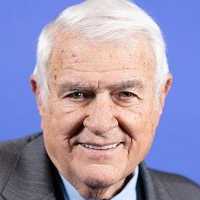
John Carter
Representative
TX
John Carter
Representative
TX
The Military Construction, Veterans Affairs, and Related Agencies Appropriations Act, 2027, provides essential funding for Department of Defense facility construction and the Department of Veterans Affairs’ medical, benefit, and research programs. The bill allocates significant resources toward military housing, infrastructure, and toxic-exposure health care, while establishing strict oversight, reporting requirements, and spending limitations. These measures ensure accountability in defense construction projects and protect access to vital services for veterans and their families.
This Act mandates U.S. policy to hold Chinese officials accountable for religious freedom abuses through sanctions, strengthens diplomatic efforts to protect persecuted minority groups, and requires annual congressional briefings on these initiatives.
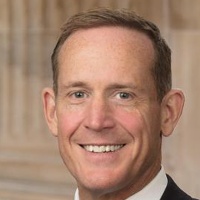
Ted Budd
Senator
NC
Ted Budd
Senator
NC
The *Combatting the Persecution of Religious Groups in the People’s Republic of China Act* establishes a formal U.S. policy to hold Chinese officials accountable for severe religious freedom abuses through targeted sanctions. The bill mandates increased diplomatic efforts to protect persecuted minority groups and requires the State Department to provide annual briefings to Congress on these human rights initiatives.
The Voice for Farm Workers Act strengthens the role of the Farmworker Coordinator by expanding outreach, research, and staffing to better support agricultural workers through 2031.
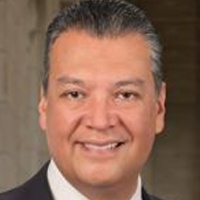
Alejandro Padilla
Senator
CA
Alejandro Padilla
Senator
CA
The Voice for Farm Workers Act strengthens support for the agricultural workforce by expanding the role and resources of the Department of Agriculture’s Farmworker Coordinator. This legislation authorizes additional staffing and broadens outreach partnerships to improve research, job training, and access to federal programs through 2031. By formalizing these duties, the bill aims to enhance program effectiveness and ensure farmworkers’ needs are better integrated into national agricultural policy.
The Ballots by Election Day Act establishes a nationwide requirement that all mail-in and absentee ballots for federal elections must be received by election officials no later than the close of polls on Election Day.
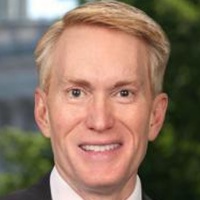
James Lankford
Senator
OK
James Lankford
Senator
OK
The Ballots by Election Day Act establishes a nationwide requirement that all absentee and mail-in ballots for federal elections must be received by election officials no later than the close of polls on Election Day. This mandate, which takes effect in 2027, prohibits the tabulation of late-arriving ballots while maintaining existing exceptions for military and overseas voters.