Legislation
This bill amends the Clean Air Act to clarify and streamline the definitions of "modification" and "construction" regarding permitting requirements for stationary sources.
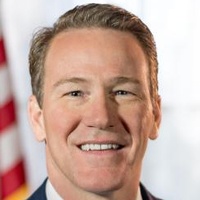
Jon Husted
Senator
OH
Jon Husted
Senator
OH
The New Source Review Permitting Improvement Act clarifies and streamlines Clean Air Act regulations regarding facility modifications and construction permits. By refining the definitions of "modifications" and "construction," the bill aims to reduce regulatory burdens for projects focused on safety, reliability, and efficiency improvements. It ensures that only projects resulting in significant actual emission increases are subject to stringent preconstruction requirements.
This bill directs Fannie Mae and Freddie Mac to classify up to $25,000 in third-party student loan payments as financial concessions for first-time homebuyers.
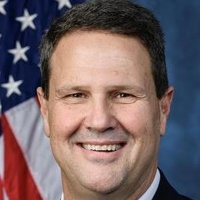
Jeff Crank
Representative
CO
Jeff Crank
Representative
CO
The First Time Homebuyer Debt Reduction Act allows interested parties to contribute up to $25,000 toward a first-time homebuyer's student loan debt. Under this legislation, these contributions are classified as financial concessions rather than sales concessions, helping buyers of newly constructed homes reduce their debt burden.
This bill establishes a grant program to fund the training, certification, and supervision of community mental wellness workers to provide accessible, evidence-based mental health and substance use support.
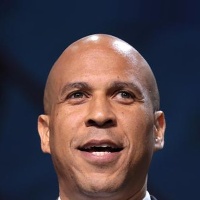
Cory Booker
Senator
NJ
Cory Booker
Senator
NJ
The Community Mental Wellness Worker Training Act establishes a federal grant program to train and certify community mental wellness workers in providing evidence-based mental health and substance use support. By prioritizing underserved and high-need areas, the bill aims to expand access to culturally competent care, suicide prevention, and essential behavioral health interventions.
The Open Doors to Diplomacy Act expands Foreign Service recruitment efforts to include students from community colleges, vocational schools, and other nontraditional higher education institutions.
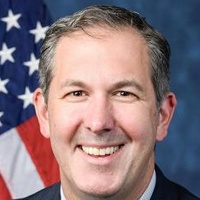
Johnny Olszewski
Representative
MD
Johnny Olszewski
Representative
MD
The Open Doors to Diplomacy Act aims to diversify the Foreign Service by expanding recruitment efforts to community colleges, vocational schools, and other nontraditional higher education institutions. The bill mandates increased outreach and resources for these students and updates eligibility requirements to include part-time students. By broadening the recruitment pipeline, the Act seeks to ensure a more inclusive and accessible path to careers in diplomacy.
The Energy Efficiency Reform Act of 2026 reforms the Department of Energy’s regulatory process for appliance standards, mandates stricter procedural protections, and expands federal preemption of state and local energy and fuel-use regulations.
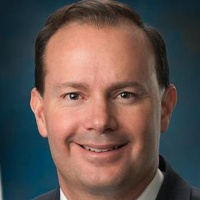
Mike Lee
Senator
UT
Mike Lee
Senator
UT
The **Energy Efficiency Reform Act of 2026** updates the Department of Energy’s regulatory framework for setting appliance and equipment efficiency standards. The bill establishes stricter procedural requirements for rulemakings, mandates the protection of consumer-valued product features, and expands federal preemption of state and local fuel-use restrictions. Additionally, it streamlines manufacturer reporting processes and prohibits the issuance of new energy conservation standards for distribution transformers.
The Cabin Air Safety Act of 2026 mandates improved cabin air quality through standardized crew training, a formal incident reporting system, mandatory air monitoring equipment, and required investigations into smoke and fume events on commercial aircraft.
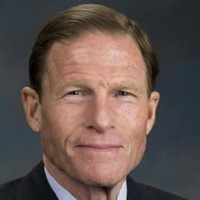
Richard Blumenthal
Senator
CT
Richard Blumenthal
Senator
CT
The Cabin Air Safety Act of 2026 mandates improved air quality standards for commercial aircraft to protect passengers and crew from hazardous smoke and fume events. The bill requires the installation of real-time air monitoring equipment, establishes a standardized federal reporting system for incidents, and mandates annual safety training for aviation personnel. Additionally, it directs the FAA to conduct formal investigations into reported events that result in medical concerns.
The Insider Trading Prohibition Act amends the Securities Exchange Act of 1934 to explicitly prohibit the trading of securities based on material, nonpublic information obtained through wrongful means.
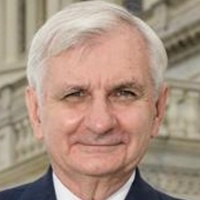
John Reed
Senator
RI
John Reed
Senator
RI
The Insider Trading Prohibition Act amends the Securities Exchange Act of 1934 to explicitly prohibit the trading of securities based on material, nonpublic information obtained through wrongful means. It establishes clear legal standards for both the misuse of such information and the wrongful communication of it to others. The bill ensures that individuals can be held accountable for trading or sharing information they know—or recklessly disregard—was obtained through theft, bribery, or breach of fiduciary duty.
The Artificial Intelligence and Innovation Talent Act mandates the development of a national strategy to attract, retain, and vet high-skilled global talent to ensure U.S. leadership in artificial intelligence while safeguarding national security.
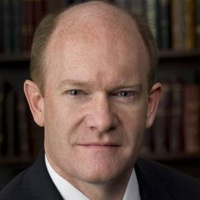
Christopher Coons
Senator
DE
Christopher Coons
Senator
DE
The Artificial Intelligence and Innovation Talent Act directs the federal government to develop a comprehensive strategy to attract, retain, and cultivate the global and domestic talent necessary to maintain U.S. leadership in artificial intelligence. The bill mandates an interagency assessment of current immigration and workforce policies to better support innovation and economic growth while strengthening national security vetting. Ultimately, the legislation aims to align federal practices with the goal of securing American dominance in critical and emerging technologies.
This bill prohibits individuals and entities associated with federal contractors terminated for fraud or criminal activity from receiving federal contracts, grants, or financial assistance.

Joni Ernst
Senator
IA
Joni Ernst
Senator
IA
The "No Cash for Cohabitating Kins of Crooks Act" prohibits individuals and entities associated with federal contractors terminated for fraud or criminal activity from receiving future federal funds. This restriction applies to owners, spouses, and cohabitants of the terminated provider to ensure accountability. Exceptions are provided for survivors of domestic abuse or spousal abandonment.
This bill establishes a grant and technical assistance program to help rural and municipal electric utilities deploy advanced cybersecurity technologies and strengthen their defense against cyber threats.
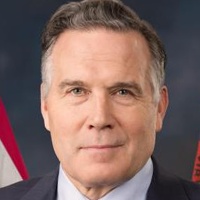
Dave McCormick
Senator
PA
Dave McCormick
Senator
PA
The Rural and Municipal Utility Cybersecurity Act establishes a Department of Energy program to provide technical assistance and grant funding to help smaller electric utilities strengthen their cybersecurity defenses. The initiative aims to support the deployment of advanced security technologies and improve threat information sharing among rural and municipal providers. By prioritizing entities with limited resources or critical infrastructure, the bill seeks to enhance the overall resilience of the nation’s power grid.
The Karly Rain Wood Act establishes a comprehensive national registry and community notification system to monitor repeat violent felons and enhance public safety.
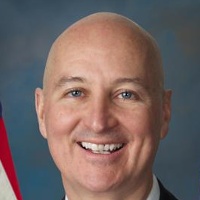
Pete Ricketts
Senator
NE
Pete Ricketts
Senator
NE
The Karly Rain Wood Act establishes a comprehensive national registration and community notification system for repeat violent felons to enhance public safety. The legislation mandates that jurisdictions maintain public registries and websites, requiring repeat violent felons to register their residence, employment, and student status for life. Additionally, the Act creates a federal management assistance program to support implementation and ensures coordination between federal, state, and tribal authorities.
The Assuring the Future of Tibet Act of 2026 reaffirms U.S. support for Tibetan self-determination, strengthens diplomatic engagement with the Central Tibetan Administration, and advocates for its increased representation in international forums.

Jeff Merkley
Senator
OR
Jeff Merkley
Senator
OR
The Assuring the Future of Tibet Act of 2026 reaffirms United States support for the Tibetan people’s right to self-determination and recognizes the Central Tibetan Administration as their legitimate representative. The bill directs the U.S. government to advocate for the administration's inclusion in international bodies and mandates high-level diplomatic engagement with its officials. Additionally, it requires the Secretary of State to report annually on efforts to advance these policies and address the ongoing dispute between Tibet and the People's Republic of China.
The Rural Mothers and Fathers Choice Act establishes a 10-year, place-based federal grant program to strengthen rural and tribal families by improving access to education, healthcare, and workforce development resources.
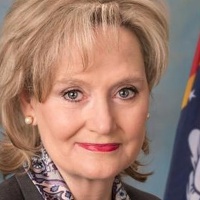
Cindy Hyde-Smith
Senator
MS
Cindy Hyde-Smith
Senator
MS
The Rural Mothers and Fathers Choice Act establishes a 10-year, place-based federal grant program designed to strengthen families in rural and tribal communities. By funding "hub and spoke" service networks, the Act aims to improve outcomes in early childhood education, K-12 academic success, workforce development, and health access. The program empowers local families through community-led governance and provides the resources necessary to overcome geographic and economic barriers to opportunity.
The MMU Rural Expansion Act of 2026 directs the Department of Veterans Affairs to streamline, assess, and expand the use of mobile medical units to improve healthcare access for veterans in rural and underserved areas.

Jacky Rosen
Senator
NV
Jacky Rosen
Senator
NV
The MMU Rural Expansion Act of 2026 aims to improve veteran access to healthcare by optimizing the Department of Veterans Affairs' mobile medical unit program. The bill mandates a comprehensive nationwide inventory of existing units, requires an assessment of the feasibility of regular deployments to rural and underserved areas, and establishes centralized oversight to address current operational barriers.
The Beverage Regulatory Parity Act establishes a federal regulatory and tax framework for hemp-derived beverages, implementing a three-tier distribution system, strict manufacturing standards, and age-restricted sales.
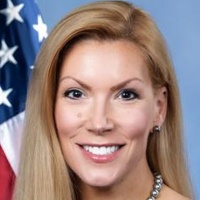
Beth Van Duyne
Representative
TX
Beth Van Duyne
Representative
TX
The Beverage Regulatory Parity Act establishes a comprehensive federal framework for the legal production, distribution, and sale of hemp-derived beverages. The bill creates a three-tier regulatory system overseen by the Tax and Trade Bureau and the FDA, setting strict standards for cannabinoid content, labeling, and manufacturing. Additionally, it implements a federal excise tax on these products while preserving the authority of state, local, and tribal governments to enforce their own regulations.
This bill requires that any legislation to increase or suspend the federal debt limit be accompanied by an equal amount of federal spending reductions over the next decade.
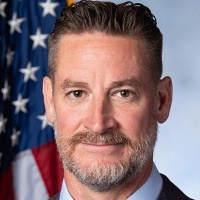
W. Steube
Representative
FL
W. Steube
Representative
FL
The Dollar-for-Dollar Deficit Reduction Act requires that any legislation to increase or suspend the federal debt limit be accompanied by an equal amount of federal spending cuts over the next decade. The bill also mandates that the Treasury Secretary provide advance warnings to Congress regarding impending debt limit breaches and establishes strict procedural requirements for Congressional review of debt-related measures.
The Safety Starts at the Top Act of 2026 mandates that large aerospace companies include labor and safety experts on their boards of directors to maintain FAA delegation authority.
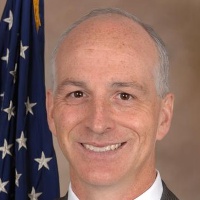
Adam Smith
Representative
WA
Adam Smith
Representative
WA
The Safety Starts at the Top Act of 2026 mandates that large aerospace companies with over $15 billion in annual revenue include labor and safety experts on their boards of directors to maintain their FAA delegation authority. Entities failing to meet these new governance requirements within 90 days of enactment will have their delegation status rescinded. This legislation aims to strengthen corporate accountability and prioritize safety oversight at the highest levels of aircraft manufacturing.
This bill conditions federal energy program funding on states implementing and enforcing restrictions on post-employment lobbying by former utility regulators.
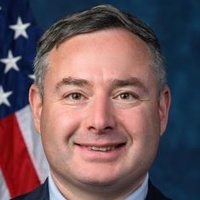
Eugene Vindman
Representative
VA
Eugene Vindman
Representative
VA
The Energy Utility Lobbying Ban Act incentivizes states to implement stricter ethics rules by conditioning federal energy funding on the regulation of post-employment lobbying by former utility officials. States must prohibit former regulators from advocating on behalf of utilities they previously oversaw to prevent conflicts of interest. Failure to enforce these restrictions will result in a 10 percent reduction in State Energy Program financial assistance.
The No Utility Junk Fees Act mandates that states prohibit regulated electric utilities from imposing unjustified payment processing fees on residential consumers to ensure energy bills remain fair and affordable.
Eugene Vindman
Representative
VA
Eugene Vindman
Representative
VA
The No Utility Junk Fees Act aims to lower energy costs for residential consumers by prohibiting regulated electric utilities from charging unjustified "junk fees" for payment processing. To ensure compliance, the bill conditions a portion of federal State energy program financial assistance on a state’s ability to enforce these billing protections and provide fee-free payment options.
This bill increases housing accessibility by exempting qualified mortgage bonds from federal volume caps on private activity bonds.
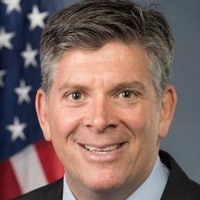
Darin LaHood
Representative
IL
Darin LaHood
Representative
IL
The First-Time Homebuyer Affordability Act aims to increase housing accessibility by exempting qualified mortgage bonds from federal volume caps on private activity bonds. By removing these limitations, the bill allows states and local governments to issue more bonds to support affordable homeownership opportunities.