Legislation
This bill authorizes the awarding of a Congressional Gold Medal to wildland firefighters in recognition of their dedicated service, sacrifice, and commitment to protecting the nation's forests, grasslands, and communities.
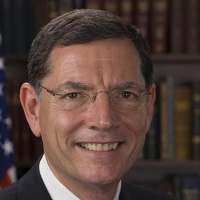
John Barrasso
Senator
WY
John Barrasso
Senator
WY
The Wildland Firefighters Congressional Gold Medal Act honors the courage, sacrifice, and essential service of the nation’s wildland firefighters. This legislation authorizes the presentation of a Congressional Gold Medal to be awarded collectively to these frontline responders in recognition of their dedication to protecting our communities and natural resources. The medal will be housed at the National Interagency Fire Center, with bronze duplicates made available for public purchase.
This bill requires Fannie Mae and Freddie Mac to include a VA home loan eligibility disclaimer on residential loan applications and mandates a study to ensure lender compliance.
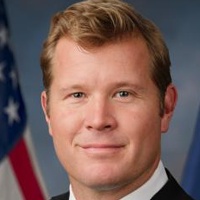
Tim Sheehy
Senator
MT
Tim Sheehy
Senator
MT
The VA Home Loan Awareness Act of 2025 mandates that Fannie Mae and Freddie Mac include a disclaimer on residential loan applications to inform veterans that they may be eligible for a VA home loan. Additionally, the bill requires the Comptroller General to conduct a study to ensure lenders are effectively implementing this disclosure.
This bill extends the statute of limitations to 10 years for criminal and civil prosecutions related to fraudulent activity involving pandemic-era relief programs.
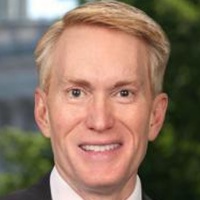
James Lankford
Senator
OK
James Lankford
Senator
OK
The Recover Fraudulent COVID Funds Act extends the statute of limitations for prosecuting pandemic-related fraud to 10 years. This legislation ensures that federal authorities have more time to pursue criminal charges, civil forfeiture actions, and False Claims Act lawsuits against those who misused COVID-19 relief funds.
The PRECEPT Nurses Act establishes a $2,000 tax credit for nurses and healthcare providers who serve at least 200 hours as preceptors in designated health professional shortage areas.
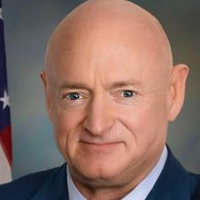
Mark Kelly
Senator
AZ
Mark Kelly
Senator
AZ
The PRECEPT Nurses Act establishes a $2,000 annual tax credit for nurses and healthcare providers who complete at least 200 hours of clinical preceptorship in designated health professional shortage areas. This initiative aims to strengthen the nursing workforce by incentivizing experienced professionals to mentor nursing students and newly hired nurses. The program is set to run from 2026 through 2032, with mandated reporting to evaluate its impact on clinical training capacity.
The AMERICANS Act provides remedies, including reinstatement and honorable discharge, for service members discharged or penalized for refusing the COVID-19 vaccine and prohibits future mandates without congressional approval.
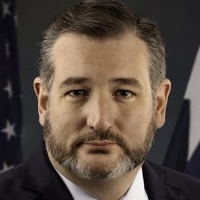
Ted Cruz
Senator
TX
Ted Cruz
Senator
TX
The AMERICANS Act of 2025 provides remedies for military service members who faced adverse actions or discharge due to the COVID-19 vaccine mandate. The bill mandates the correction of service records, offers pathways for reinstatement and back pay, and prohibits the Secretary of Defense from issuing future COVID-19 vaccine mandates without explicit congressional approval.
This bill mandates standardized abortion data reporting to the CDC and conditions federal Medicaid funding for family planning services on state compliance with these reporting requirements.
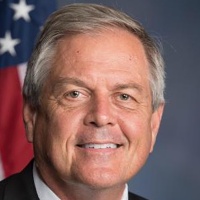
Ralph Norman
Representative
SC
Ralph Norman
Representative
SC
The Ensuring Accurate and Complete Abortion Data Reporting Act of 2025 mandates that states submit standardized abortion data to the CDC to maintain eligibility for specific federal Medicaid family planning funds. The bill directs the CDC to establish a national surveillance system to collect and report this data, including information on maternal demographics, procedure details, and abortion survival outcomes. By requiring accurate and consistent reporting, the legislation aims to improve the quality of public health data available for policy analysis.
The Cleaner Air Spaces Act of 2025 authorizes EPA grants to help local and Tribal agencies provide free air filtration units and establish clean air centers for vulnerable, low-income communities at risk from wildland fire smoke.
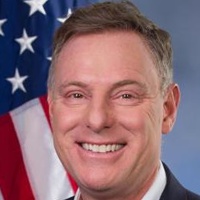
Scott Peters
Representative
CA
Scott Peters
Representative
CA
The Cleaner Air Spaces Act of 2025 authorizes the EPA to provide grants to air pollution control agencies for the establishment of community-based clean air centers and the distribution of free air filtration units to vulnerable, low-income households. This program aims to protect public health during wildland fire smoke events by improving indoor air quality and providing essential educational resources.
The Northwest Energy Security Act mandates the continued operation of the Federal Columbia River Power System under the 2020 environmental record of decision while prohibiting unauthorized restrictions on hydroelectric power generation and river navigation.
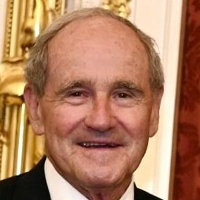
James Risch
Senator
ID
James Risch
Senator
ID
The Northwest Energy Security Act mandates that the Federal Columbia River Power System be operated in accordance with the 2020 Columbia River System Operations Environmental Impact Statement. It establishes strict requirements for any future amendments to these operations and prohibits structural changes that would restrict hydroelectric power generation or navigation on the Snake River without explicit congressional authorization.
This bill repeals the "Protecting Americans from Foreign Adversary Controlled Applications Act," effectively overturning the federal ban on TikTok.

Rand Paul
Senator
KY
Rand Paul
Senator
KY
The "Repeal the TikTok Ban Act" seeks to overturn the Protecting Americans from Foreign Adversary Controlled Applications Act. If passed, this legislation would nullify all legal designations of applications as "foreign adversary controlled," effectively removing the current federal ban on TikTok.
This bill amends the Internal Revenue Code to allow parents to claim the Child Tax Credit for stillborn children delivered after 20 weeks of gestation.
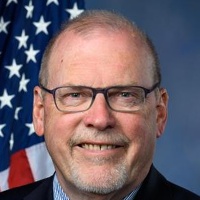
H. Griffith
Representative
VA
H. Griffith
Representative
VA
This bill amends the Internal Revenue Code to allow parents to claim the Child Tax Credit for stillborn children. It classifies a stillbirth occurring after 20 weeks of gestation as a qualifying child, enabling families to receive the credit without requiring a Social Security number.
The Pet Food Uniform Regulatory Reform (PURR) Act of 2025 establishes a streamlined, uniform federal regulatory framework for pet food labeling, ingredient review, and marketing to replace inconsistent state-level requirements.
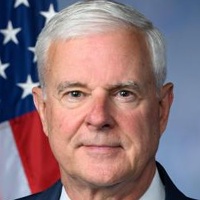
Steve Womack
Representative
AR
Steve Womack
Representative
AR
The Pet Food Uniform Regulatory Reform (PURR) Act of 2025 establishes a streamlined, uniform federal regulatory framework for pet food to replace the current patchwork of state-level requirements. By centralizing oversight under the FDA’s Center for Veterinary Medicine, the bill standardizes ingredient reviews, labeling, and marketing claims to improve marketplace certainty and innovation. Ultimately, this Act aims to enhance the nationwide availability of safe, nutritious, and affordable food for companion animals.
This bill mandates the destruction of existing firearm transaction records from closed businesses and prohibits the ATF from collecting such records in the future.
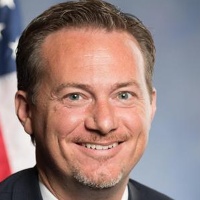
Michael Cloud
Representative
TX
Michael Cloud
Representative
TX
The "No Retaining Every Gun In a System That Restricts Your Rights Act" mandates the destruction of all firearm transaction records currently held by the ATF from discontinued businesses. Furthermore, it amends federal law to prohibit the future collection and transfer of these records to the government when a firearms business ceases operations. The bill also requires the ATF to submit a formal report to Congress confirming the number of records destroyed.
This resolution initiates impeachment proceedings against U.S. District Judge Paul Engelmayer for alleged judicial misconduct and political bias.
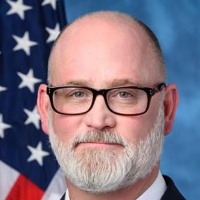
Derrick Van Orden
Representative
WI
Derrick Van Orden
Representative
WI
This resolution initiates impeachment proceedings against Judge Paul Engelmayer of the United States District Court for the Southern District of New York. It alleges that the judge committed high crimes and misdemeanors by exhibiting political bias and judicial misconduct in his handling of a legal challenge to the Department of Government Efficiency. The bill calls for his removal from office, asserting that his actions undermined the impartiality of the judicial system.
This bill mandates that all federal judicial officials serving in the District of Columbia reside within their respective districts, eliminating previous residency exemptions while updating outdated statutory language.

Eleanor Norton
Representative
DC
Eleanor Norton
Representative
DC
The District of Columbia Federal Judicial Officials Residency Equality Act of 2025 mandates that federal judges, U.S. attorneys, U.S. marshals, and clerks serving in the District of Columbia reside within their respective districts. This bill eliminates previous residency exemptions for D.C.-based officials and modernizes gendered language within the relevant statutes. These requirements will apply to all applicable officials appointed after the date of the Act's enactment.
The Auto Theft Prevention Act establishes a $30 million annual grant program to provide state and local law enforcement with the resources and funding necessary to combat auto theft and vehicle trafficking.
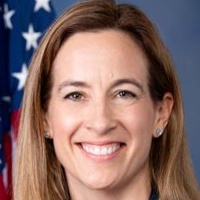
Mikie Sherrill
Representative
NJ
Mikie Sherrill
Representative
NJ
The Auto Theft Prevention Act establishes a $30 million annual grant program to provide state and local law enforcement with the resources needed to combat auto theft and vehicle trafficking. The bill also expands the existing COPS grant program to include auto theft prevention as an authorized use of funds. These measures support agencies through increased staffing, specialized equipment, training, and data-driven task forces.
This bill recognizes the 80th anniversary of the Battle of Iwo Jima and honors the service, sacrifice, and enduring legacy of the U.S. personnel who fought in the historic 1945 campaign.
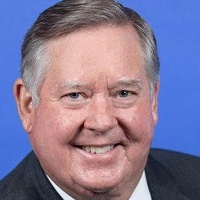
Ken Calvert
Representative
CA
Ken Calvert
Representative
CA
This resolution commemorates the 80th anniversary of the Battle of Iwo Jima, honoring the courage and sacrifice of the U.S. service members who fought in this pivotal World War II campaign. It recognizes the strategic importance of the victory, the iconic flag-raising on Mount Suribachi, and the enduring spirit of reconciliation between the United States and Japan.
The Tip Tax Termination Act allows service industry workers to exclude up to $20,000 of annual tip income from federal taxation through 2029.
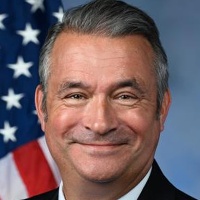
Don Bacon
Representative
NE
Don Bacon
Representative
NE
The Tip Tax Termination Act proposes a federal income tax exemption for up to $20,000 of annual tip income for workers in the cosmetology, hospitality, and food service industries. Effective from 2025 through 2029, this legislation aims to increase take-home pay by excluding these earnings from federal income tax withholding while maintaining eligibility for key tax credits.
The Working Class Bonus Tax Relief Act of 2025 provides a temporary tax deduction for eligible employees on employer-issued bonuses through 2029.
Don Bacon
Representative
NE
Don Bacon
Representative
NE
The Working Class Bonus Tax Relief Act of 2025 introduces a temporary tax deduction for employee bonuses, allowing eligible taxpayers to deduct a portion of their bonus income from their taxes. This benefit is available to both itemizers and non-itemizers, provided they meet specific income thresholds. The deduction applies to bonuses received through December 31, 2029, and includes provisions for employers to adjust tax withholding accordingly.
The Seniors in the Workforce Tax Relief Act provides a temporary tax deduction for individuals aged 65 and older from 2025 through 2029 to support working seniors.
Don Bacon
Representative
NE
Don Bacon
Representative
NE
The Seniors in the Workforce Tax Relief Act provides a temporary tax deduction for individuals aged 65 and older for the 2025 through 2029 tax years. Eligible seniors can claim up to $25,000 for single filers or $50,000 for married couples, subject to income-based phase-outs. This measure aims to provide financial relief to older workers regardless of whether they itemize their deductions.
The AMERICANS Act provides remedies, reinstatement, and record expungement for military service members who faced adverse actions or discharge due to the COVID-19 vaccine mandate.
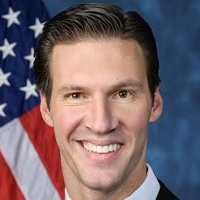
Pat Harrigan
Representative
NC
Pat Harrigan
Representative
NC
The AMERICANS Act of 2025 provides relief to military service members who faced discharge or adverse action due to the COVID-19 vaccine mandate. The bill mandates the correction of service records, offers pathways for reinstatement and back pay, and prohibits future COVID-19 vaccine mandates without explicit Congressional authorization. Additionally, it establishes clear exemption processes for deployment and ensures equal professional treatment for unvaccinated personnel.