Legislative Activity
Track James's sponsored bills, co-sponsored legislation, and voting record
This resolution demands the President swiftly provide the House with unredacted communications regarding agency messaging during a potential government shutdown and alleged violations of federal employee political activity rules.
Kweisi Mfume
Representative
MD
Kweisi Mfume
Representative
MD
This resolution is an official request from the House of Representatives demanding the President promptly transmit specific documents related to government communications during a funding lapse. Congress seeks records detailing directives from the OMB and messaging used by agencies like HUD and Education that explicitly blamed political opponents for a potential shutdown. The inquiry also requires information on whether these communications potentially violated federal rules regarding political activity by government employees.
This resolution officially recognizes the religious and historical significance of the festival of Diwali for Indian-American communities across the United States.
Raja Krishnamoorthi
Representative
IL
Raja Krishnamoorthi
Representative
IL
This resolution formally recognizes the significant religious and historical importance of the festival of Diwali to Indian-American communities across the nation. Congress acknowledges Diwali as the festival of lights, celebrated by Hindus, Sikhs, and Jains for its symbolism of knowledge, peace, and the triumph of good over evil. By passing this, the House expresses respect for the Indian diaspora and appreciates the strong partnership between the United States and India.
This resolution demands the President promptly transmit all documents related to potential furloughs, pay withholding, and legal justifications concerning federal employees affected by a funding lapse starting October 1, 2025.
Kweisi Mfume
Representative
MD
Kweisi Mfume
Representative
MD
This resolution is an official request demanding the President transmit specific, unredacted documents to the House of Representatives within 14 days. Congress is seeking all communications and records related to potential furloughs, layoffs, or the withholding of pay for federal employees due to a funding lapse beginning October 1, 2025. The request specifically targets documents concerning legal opinions that might undermine the requirement to pay furloughed workers after appropriations resume.
This Act mandates that all states must operate the WIC program and guarantees necessary funding through permanent appropriation starting in fiscal year 2026.
Robert Scott
Representative
VA
Robert Scott
Representative
VA
The WIC Benefits Protection Act mandates that all states must operate the Special Supplemental Nutrition Program for Women, Infants, and Children (WIC). This legislation also guarantees permanent, mandatory funding for WIC starting in fiscal year 2026, ensuring the program has the necessary resources annually. Furthermore, it clarifies eligibility language within the program's governing statute.
This bill authorizes the Federal Government to reimburse states for using their own funds to maintain WIC program operations during a lapse in federal appropriations.
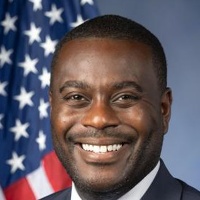
Gabe Amo
Representative
RI
Gabe Amo
Representative
RI
This bill ensures that states are reimbursed by the Federal Government for any state funds they use to maintain essential operations of the Special Supplemental Nutrition Program for Women, Infants, and Children (WIC) during a lapse in federal appropriations. It provides a mechanism for the Federal Government to pay back states that cover WIC costs during a government shutdown. This protects state budgets while keeping vital nutrition assistance running.
This Act mandates federal health programs like Medicare and Medicaid to cover medically necessary specialized foods and formulas prescribed for managing severe digestive or inherited metabolic disorders.
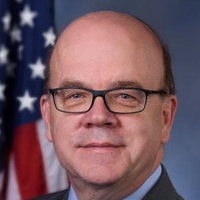
James McGovern
Representative
MA
James McGovern
Representative
MA
The Medical Foods and Formulas Access Act of 2025 mandates federal health programs, including Medicare and Medicaid, to cover medically necessary specialized foods and formulas prescribed for managing severe digestive or inherited metabolic disorders. This ensures patients with conditions like urea cycle disorders or short bowel syndrome receive essential, prescribed nutrition when standard food is insufficient. The bill aims to standardize access to these life-sustaining treatments across federal and state health plans.
This bill allows federal contractors and affected government employees to make tax-advantaged retirement plan withdrawals during a government shutdown, with provisions for repayment within three years.
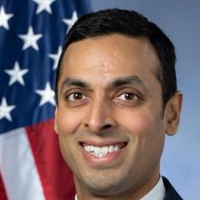
Suhas Subramanyam
Representative
VA
Suhas Subramanyam
Representative
VA
The Emergency Relief for Federal Contractors Act of 2025 allows individuals affected by a federal appropriations lapse to make tax-favored withdrawals of up to \$30,000 from their retirement plans without incurring early withdrawal penalties. These distributions can be repaid within three years and the taxable income can be spread over three years. This relief specifically targets furloughed federal contractors, grantee employees, and certain D.C. government workers impacted by shutdowns lasting two weeks or more.
This Act waives the 10% early withdrawal penalty on Thrift Savings Plan distributions up to $30,000 during a federal government shutdown and provides special provisions for TSP hardship withdrawals and loan payments affected by the lapse in appropriations.
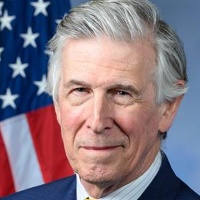
Donald Beyer
Representative
VA
Donald Beyer
Representative
VA
The Emergency Relief for Federal Workers Act of 2025 provides financial relief to federal employees affected by government shutdowns. This bill waives the 10% early withdrawal penalty on Thrift Savings Plan (TSP) distributions up to $30,000 during a qualifying shutdown. Additionally, it allows affected employees greater access to TSP hardship withdrawals and loans, and prevents missed TSP loan payments due to a shutdown from being treated as a taxable distribution.
This bill requires federal financial regulators to create and quickly disseminate guidance encouraging lenders to offer flexible, fair accommodations to consumers and businesses impacted by a government shutdown.
Suhas Subramanyam
Representative
VA
Suhas Subramanyam
Representative
VA
The Shutdown Guidance for Financial Institutions Act requires federal financial regulators to create and issue guidance for banks and lenders on how to support customers and businesses affected by a government shutdown. This guidance must encourage flexible loan adjustments and prevent unfair negative credit reporting for those experiencing income loss due to the lapse in funding. Regulators must also issue rapid alerts when a shutdown occurs and report on the effectiveness of the guidance afterward.
This Act prohibits the Department of Veterans Affairs from discriminating against veterans based on gender identity in healthcare, ensuring access to medically necessary treatments like those for gender dysphoria.
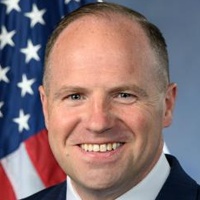
Timothy Kennedy
Representative
NY
Timothy Kennedy
Representative
NY
The Veterans Healthcare Equality Act of 2025 explicitly prohibits the Department of Veterans Affairs (VA) from discriminating against veterans based on gender identity when providing healthcare services. This law mandates that the VA must furnish medically necessary treatments, including those for gender dysphoria, prescribed by a healthcare provider. Furthermore, the VA Secretary is required to provide regular updates to Congress regarding the implementation of these non-discrimination protections.
This Act provides appropriations and mandates contract price adjustments to compensate federal contractor employees for losses incurred due to funding lapses or government shutdowns.
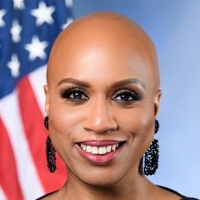
Ayanna Pressley
Representative
MA
Ayanna Pressley
Representative
MA
The Fair Pay for Federal Contractors Act of 2025 ensures that employees of federal contractors are compensated for losses incurred due to government funding lapses or shutdowns. It requires federal agencies to adjust existing contracts to cover reasonable costs associated with furloughs, pay cuts, or mandatory leave taken by contractor employees. The bill appropriates necessary funds to cover these contract price adjustments and mandates public reporting on the compensation provided.
This act expands physical therapists' participation in the National Health Service Corps loan repayment program and ensures Medicare coverage for their services at Rural Health Clinics and Federally Qualified Health Centers.

Diana DeGette
Representative
CO
Diana DeGette
Representative
CO
The Physical Therapist Workforce and Patient Access Act of 2025 aims to increase patient access to physical therapy, recognizing its importance in pain management and recovery. This bill integrates physical therapists into the National Health Service Corps, making them eligible for loan repayment in underserved areas. Furthermore, it mandates that Medicare Rural Health Clinics and Federally Qualified Health Centers cover physical therapy services starting in 2027.
This act establishes a national awareness campaign to educate the public about the invasive spotted lanternfly and encourage its eradication.
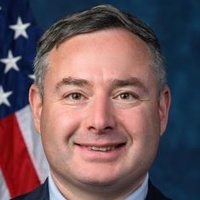
Eugene Vindman
Representative
VA
Eugene Vindman
Representative
VA
The "If You See It, Squish It Act of 2025" mandates the Secretary of Agriculture to launch a national awareness campaign about the invasive spotted lanternfly. This campaign must include public service announcements encouraging the public to kill any lanternflies they encounter. The goal is to educate citizens on the threat this pest poses to local agriculture.
This bill ensures that essential, furloughed federal employees receive unemployment compensation during government shutdowns in fiscal years 2026 or 2027, with the federal government reimbursing states for all paid benefits and administrative costs.
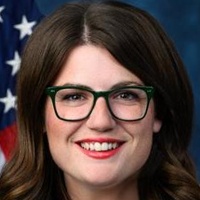
Sarah Elfreth
Representative
MD
Sarah Elfreth
Representative
MD
The Help Federal Employees During Shutdowns Act (Help FEDS Act) ensures that essential, non-paid federal employees working during a government shutdown can receive state unemployment compensation for the weeks they are actively working. This legislation mandates that the federal government fully reimburse states for all benefits paid out, plus administrative costs, directly from the Unemployment Trust Fund. Any employee who receives retroactive pay for a period they were also paid unemployment must repay those benefits to the state.
This bill mandates that certain new medical devices must be designed to be fully usable by individuals who are blind or have low vision.

Janice Schakowsky
Representative
IL
Janice Schakowsky
Representative
IL
The Medical Device Nonvisual Accessibility Act of 2025 mandates that certain new medical devices must be designed to be fully usable by individuals who are blind or have low vision. This ensures that users can access information and operate life-saving equipment independently and privately, similar to sighted users. The FDA is tasked with establishing specific nonvisual accessibility standards for these covered devices within a set timeline. Devices failing to meet these standards after the effective date will be deemed adulterated.
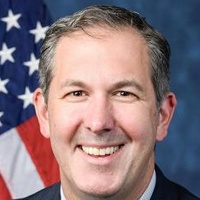
This bill prohibits the removal of Federal employees during a lapse in discretionary appropriations, ensuring job security for civil servants during government shutdowns.
Johnny Olszewski
Representative
MD
Johnny Olszewski
Representative
MD
This bill prohibits federal agencies from removing civil service employees during any lapse in discretionary appropriations, commonly known as a government shutdown. If an employee is terminated in violation of this rule during a shutdown, they will have the option to be reinstated with full back pay once funding resumes. This measure aims to protect federal workers from job loss caused by budget impasses.
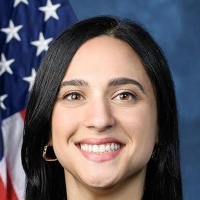
This bill reauthorizes the Every Kid Outdoors program, adjusting eligibility to focus on fifth graders and 10-11 year olds, while securing $25 million annually for program operation and targeted outreach.
Yassamin Ansari
Representative
AZ
Yassamin Ansari
Representative
AZ
The Every Kid Outdoors Reauthorization Act renews the popular program offering free access to national parks and federal recreation sites for eligible youth. This reauthorization specifically targets fifth graders or 10- and 11-year-old home-schooled learners. The bill authorizes $25 million annually to support the program, including funding for outreach and transportation assistance for underserved communities.
The Ejiao Act of 2025 prohibits the knowing trade of donkeys, donkey hides, and ejiao products within U.S. commerce to combat the devastating impact of ejiao production on global donkey populations.
Donald Beyer
Representative
VA
Donald Beyer
Representative
VA
The Ejiao Act of 2025 prohibits the knowing trade, import, and export of donkeys, donkey hides, and ejiao products within U.S. commerce due to the devastating impact of the ejiao trade on global donkey populations. This legislation establishes significant civil and criminal penalties for violations, including substantial fines and imprisonment. Furthermore, the Act grants enforcement authority to agencies like U.S. Customs and Border Protection and mandates the forfeiture of illegal goods and related equipment.
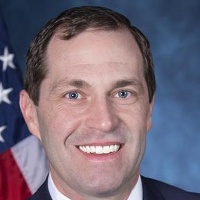
This joint resolution directs the President to remove U.S. Armed Forces from hostilities against certain designated groups and states unless Congress authorizes the use of force, while preserving the right to self-defense.
Jason Crow
Representative
CO
Jason Crow
Representative
CO
This joint resolution directs the President to remove U.S. Armed Forces from hostilities initiated after February 20, 2025, against designated terrorist groups or drug trafficking organizations without prior Congressional authorization. It asserts Congress's constitutional power to declare war and finds recent military strikes against vessels lacked proper justification. The bill allows for continued use of forces for self-defense or authorized counternarcotics support, but explicitly states drug trafficking alone does not constitute an armed attack.
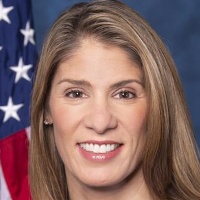
The HEADACHE Act establishes a National Headache Disorders Initiative, an advisory council, and mandates annual reporting to Congress to improve research, care, and data collection for headache disorders.
Lori Trahan
Representative
MA
Lori Trahan
Representative
MA
The HEADACHE Act establishes a comprehensive National Headache Disorders Initiative to improve research, workforce development, and care coordination for all headache disorders. It mandates the creation of an Advisory Council to guide federal efforts and requires the Secretary of Health and Human Services to submit annual reports to Congress detailing progress and recommending actions. This legislation aims to address disparities and reduce the societal and financial burden of these conditions before the Act automatically expires five years after enactment.