
Legislative Activity
Track James's sponsored bills, co-sponsored legislation, and voting record
This bill proposes a constitutional amendment requiring congressional review and a two-thirds supermajority vote in both houses to uphold presidential pardons and reprieves.
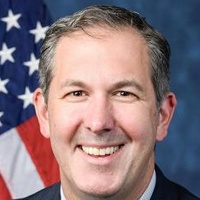
Johnny Olszewski
Representative
MD
Johnny Olszewski
Representative
MD
This proposed constitutional amendment seeks to limit the President's pardon power by establishing a congressional review process. Under this system, Congress would have the opportunity to nullify a presidential pardon or reprieve with a two-thirds vote in both chambers. Furthermore, a pardon would be void if the President fails to notify Congress within three days of granting it.
This Act establishes a federal civil cause of action for victims of domestic violence involving reproductive coercion.
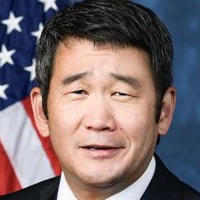
Dave Min
Representative
CA
Dave Min
Representative
CA
The Reproductive Coercion Prevention and Protection Act of 2025 addresses reproductive coercion as a form of intimate partner violence that undermines reproductive autonomy. This bill amends federal law to define reproductive coercion, which includes sabotaging contraception or forcing pregnancy decisions. Crucially, it establishes a new federal civil cause of action allowing victims to sue perpetrators when the abuse involves interstate or foreign commerce. This new right ensures victims can seek damages and relief in federal court for this specific type of domestic violence.
This Act establishes a comprehensive federal strategy to combat rising antisemitism through policy statements, enhanced security grants, improved hate crime reporting, and specific mandates for educational institutions and federal agencies, while prohibiting the weaponization of antisemitism for partisan goals.
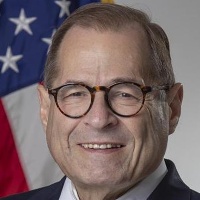
Jerrold Nadler
Representative
NY
Jerrold Nadler
Representative
NY
The Antisemitism Response and Prevention Act of 2025 aims to combat rising antisemitism through comprehensive federal action, emphasizing evidence-based strategies consistent with democratic values. The bill establishes new offices within the DOJ and FBI to coordinate counter-efforts and improve hate crime data collection. Furthermore, it mandates specific compliance and reporting requirements for colleges regarding civil rights and prohibits partisan conditions on nonprofit security grants.
This bill establishes TRICARE coverage for fertility treatments, including IVF, for active duty service members and their dependents beginning October 1, 2027.
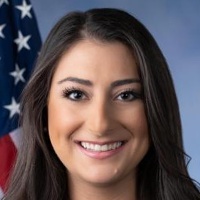
Sara Jacobs
Representative
CA
Sara Jacobs
Representative
CA
This bill, the Bipartisan IVF for Military Families Act, mandates that TRICARE provide coverage for fertility treatments, including IVF, for active duty service members and their dependents starting in late 2027. The legislation outlines specific coverage limits for egg retrievals and embryo transfers while prohibiting the use of DoD funds for certain procedures like preimplantation genetic screening. It also requires the establishment of a program to coordinate this specialized fertility care for military families.
This act increases federal funding to 90% of administrative costs for states operating summer food assistance programs via electronic benefit transfers.
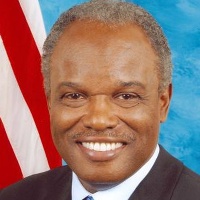
David Scott
Representative
GA
David Scott
Representative
GA
The Bridge to Summer Nutrition Act of 2025 aims to strengthen summer food assistance programs by increasing federal support for state administrative costs. Specifically, it mandates that the USDA reimburse states 90% of their monthly administrative expenses for operating summer electronic benefit transfer (EBT) programs for children. This increased funding also applies to administrative costs for regular SNAP operations.
This act restricts senior government officials and their families from owning or trading specific investments, requiring divestment of existing holdings to restore public trust.
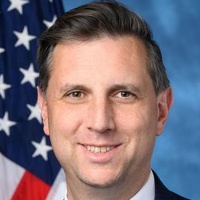
Seth Magaziner
Representative
RI
Seth Magaziner
Representative
RI
The Restore Trust in Government Act establishes strict new federal restrictions on senior government officials and their immediate families regarding the ownership and trading of specific financial investments. Covered individuals must divest existing investments that fall under the law's definition within a set timeframe, with limited exceptions. Violators face significant financial penalties, including a 10% fee on the investment value and disgorgement of any profits earned from prohibited transactions.
The Essential Caregivers Act of 2025 guarantees nursing home and long-term care residents the right to designate an essential caregiver who maintains access to them even during public health emergencies.

Claudia Tenney
Representative
NY
Claudia Tenney
Representative
NY
The Essential Caregivers Act of 2025 protects the rights of residents in long-term care facilities to designate an essential caregiver who can provide support and companionship. This legislation ensures that these caregivers maintain in-person access to residents even during public health emergencies when general visitation is restricted. By establishing clear protocols and an appeals process, the bill aims to prevent the harmful effects of isolation and ensure residents continue to receive vital care and advocacy.
This resolution affirms the U.S. House of Representatives' recognition of Gibraltar as a British Overseas Territory and supports the right of its citizens to determine their own future.
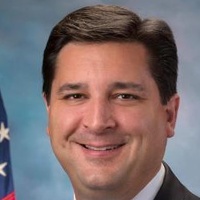
David Rouzer
Representative
NC
David Rouzer
Representative
NC
This resolution affirms the U.S. House of Representatives' recognition of Gibraltar as a British Overseas Territory, respecting the democratic wishes of its citizens to remain under British sovereignty. It highlights Gibraltar's long-standing strategic importance to U.S. security interests, particularly its military facilities. The bill emphasizes that the views and rights of the people of Gibraltar must be central to any future discussions about its status.
This bill establishes the Professional Student Degree Act to define "professional degree" for student loan purposes, including specific advanced degrees required for professional practice.
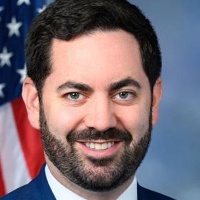
Michael Lawler
Representative
NY
Michael Lawler
Representative
NY
The Professional Student Degree Act seeks to amend the Higher Education Act by formally defining what constitutes a "professional degree" for student loan purposes. This definition specifies degrees that prepare students to immediately begin practicing in a profession and require a skill level beyond a standard bachelor's degree. The bill explicitly lists numerous professional degrees, such as Law, Medicine, and specialized health fields, under this new classification.
This act nullifies a recent Executive Order regarding federal labor relations and ensures existing collective bargaining agreements remain in effect.

Jared Golden
Representative
ME
Jared Golden
Representative
ME
The Protect America's Workforce Act nullifies a specific Executive Order issued in March 2025 concerning exclusions from federal labor-management relations programs. This legislation ensures that any existing collective bargaining agreements between federal agencies and employee unions remain fully in effect until their stated expiration dates. The Act also prohibits the use of federal funds to implement the overturned Executive Order.
This act mandates federal studies on AI's job impact and establishes new grant programs to expand technology education and workforce training.

Emanuel Cleaver
Representative
MO
Emanuel Cleaver
Representative
MO
The Workforce of the Future Act of 2025 mandates federal studies on AI's impact on jobs and establishes new grant programs to expand technology education and workforce training. Title I requires comprehensive reports from key departments detailing necessary future skills and policy recommendations. Title II creates federal grants to boost K-12 technology education and fund retraining for workers in AI-affected industries.
This bill establishes a new "family purpose" nonimmigrant visa category allowing relatives of U.S. citizens and LPRs to visit temporarily for up to 90 days annually, subject to financial and insurance requirements.

Scott Peters
Representative
CA
Scott Peters
Representative
CA
The Temporary Family Visitation Act establishes a new nonimmigrant visa category specifically for relatives of U.S. citizens and lawful permanent residents to visit the United States for family purposes. This visa limits stays to a maximum of 90 days per calendar year and requires financial support, medical insurance, and a sworn declaration of intent to depart. Individuals admitted under this category are prohibited from changing their status while in the U.S.
This resolution commends state and local governments for championing reproductive rights as human rights while condemning abortion restrictions and criminalization following the *Dobbs* decision.
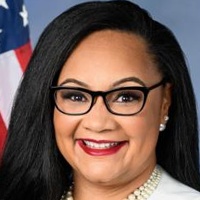
Nikema Williams
Representative
GA
Nikema Williams
Representative
GA
This concurrent resolution commends state and local governments for championing reproductive rights as human rights following the overturning of *Roe v. Wade*. It declares that denying abortion care leads to severe health risks and highlights the criminalization of pregnancy outcomes across the U.S. The resolution urges states to repeal abortion restrictions and affirm that reproductive rights are fundamental human rights.
This bill mandates a report on the feasibility of using emerging technologies to enhance internet freedom in Iran.
Dave Min
Representative
CA
Dave Min
Representative
CA
The Feasibility Review of Emerging Equipment for Digital Open Media Act (FREEDOM Act) mandates the Secretary of State to report on internet freedom in Iran. This report must assess the feasibility of using emerging technologies, like direct-to-cell wireless, to expand internet access. It will also analyze the impact of current drone and jamming technologies on these efforts.
The Right to Read Act of 2025 establishes definitions for effective school libraries and the right to read, amends federal education law to require state and local plans supporting these rights, authorizes funding for literacy programs, and mandates data collection on school libraries.
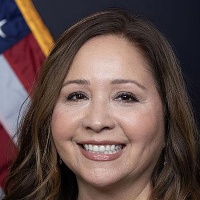
Adelita Grijalva
Representative
AZ
Adelita Grijalva
Representative
AZ
The Right to Read Act of 2025 amends federal education law to establish a comprehensive "right to read" for all students, ensuring access to evidence-based instruction, effective school libraries, and diverse reading materials. The bill defines key terms like "effective school library" and mandates that states and local agencies detail plans to support these resources and protect students' First Amendment rights regarding information access. Furthermore, it authorizes significant new funding to improve literacy programs, support school librarians, and mandates national data collection on school library resources.
This bill establishes a CISA program to promote cybersecurity careers specifically to disadvantaged communities across the United States.

Shontel Brown
Representative
OH
Shontel Brown
Representative
OH
The Expanding Cybersecurity Workforce Act of 2025 establishes a new CISA program to actively promote cybersecurity careers to disadvantaged communities across the nation. This initiative specifically targets outreach to older individuals, minorities, people with disabilities, veterans, and those from nontraditional educational backgrounds. The goal is to diversify and strengthen the U.S. cyber workforce through tailored education and training assistance. The Act authorizes $20 million annually through fiscal year 2031 to support these efforts.
This bill repeals harmful provisions of a previous act, exempts unaccompanied children from various immigration fees, and restricts the use of their sponsor information for enforcement purposes.

Dan Goldman
Representative
NY
Dan Goldman
Representative
NY
The Upholding Protections for Unaccompanied Children Act of 2025 seeks to reverse harmful provisions affecting unaccompanied children. This bill eliminates various immigration-related fees for current and former unaccompanied children, including those for asylum and employment authorization. It also prohibits physically intrusive medical examinations and restricts the sharing of sponsor information with immigration enforcement agencies. Furthermore, the Act mandates the refunding of previously paid fees.
This act mandates stuttering screening for children aged two and older in Medicaid and CHIP, and requires coverage for stuttering treatment services under both programs with parity to other speech disorders.

Addison McDowell
Representative
NC
Addison McDowell
Representative
NC
The Kidd's Stuttering Act aims to address childhood stuttering by expanding screening and coverage under Medicaid and CHIP. This legislation mandates the inclusion of stuttering screening in child health quality measures and requires its inclusion in Medicaid well-child visits starting in 2027. Furthermore, the Act ensures that treatment for stuttering is a mandatory Medicaid and CHIP benefit, requiring parity in treatment limitations compared to other speech disorders.
The Mikaela Naylon Give Kids a Chance Act primarily focuses on enhancing pediatric drug research, ensuring completion of pediatric study requirements, extending incentives for rare pediatric disease treatments, and making targeted updates to FDA and organ transplant network operations.
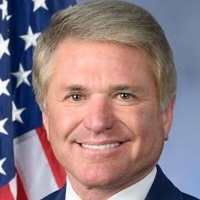
Michael McCaul
Representative
TX
Michael McCaul
Representative
TX
The Mikaela Naylon Give Kids a Chance Act focuses primarily on improving pediatric drug development and ensuring patient access to necessary treatments. This legislation mandates new research requirements for molecularly targeted pediatric cancer drugs, strengthens FDA enforcement of pediatric study completion, and extends incentives for developing drugs for rare pediatric diseases. Additionally, the bill updates organ transplant network functions and establishes an Abraham Accords Office within the FDA to enhance international regulatory cooperation.
This bill allows participants aged 50 and older to roll over employer contributions from a 401(k) plan into an individual retirement annuity before retirement and updates the required rollover explanation provided to taxpayers.
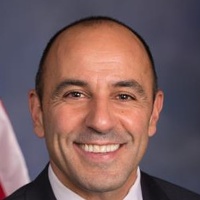
Jimmy Panetta
Representative
CA
Jimmy Panetta
Representative
CA
This bill, the Retirement Simplification and Clarity Act, amends tax code to allow participants aged 50 and older to roll over employer contributions from their 401(k) plan directly into an individual retirement annuity before retirement. It also updates the required written explanation provided to taxpayers regarding rollover rules to ensure it is concise and clearly outlines key tax implications and options. These provisions are set to take effect for taxable years beginning after December 31, 2025.