
Legislative Activity
Track Frederica's sponsored bills, co-sponsored legislation, and voting record
This resolution supports the goals and ideals of International Transgender Day of Visibility by celebrating the achievements of the transgender community and recognizing their ongoing fight for equality and dignity.

Sara Jacobs
Representative
CA
Sara Jacobs
Representative
CA
This resolution formally recognizes International Transgender Day of Visibility to celebrate the achievements and bravery of the transgender community. It highlights the ongoing challenges of discrimination and legislative threats faced by transgender individuals while honoring their significant historical and contemporary contributions to society. The bill encourages all Americans to observe the day and reaffirms a commitment to the fight for equal dignity and respect.
The Maternal Vaccination Act establishes a federal awareness and equity campaign to increase vaccination rates among pregnant and postpartum individuals and their children.
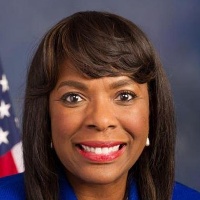
Terri Sewell
Representative
AL
Terri Sewell
Representative
AL
The Maternal Vaccination Act establishes a dedicated awareness and equity campaign to increase vaccination rates among pregnant and postpartum individuals. By providing targeted funding and expanding immunization program grants, the bill ensures that healthcare providers are better equipped to support maternal health, with a specific focus on reaching underserved and minority communities.
This bill officially renames the U.S. Postal Service facility at 819 West Washington Boulevard in Los Angeles, California, as the "Jerry T. Hodges, Jr. Post Office Building."

Sydney Kamlager-Dove
Representative
CA
Sydney Kamlager-Dove
Representative
CA
This bill officially renames the United States Postal Service facility located at 819 West Washington Boulevard in Los Angeles, California. The building will henceforth be known as the "Jerry T. Hodges, Jr. Post Office Building."
This resolution formally recognizes the persistence of the gender wage gap in the United States and reaffirms a commitment to achieving equal pay for equal work.
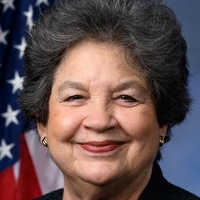
Lois Frankel
Representative
FL
Lois Frankel
Representative
FL
This resolution formally recognizes the persistent gender wage gap in the United States and its significant negative impact on women, families, and the national economy. It highlights the systemic factors contributing to pay disparities across various demographics and occupations. Ultimately, the resolution reaffirms Congress's commitment to achieving equal pay for equal work.
This concurrent resolution affirms the duty of Congress to protect working women by addressing systemic wage disparities, workplace discrimination, and economic barriers to ensure equal opportunity and dignity for all.

LaMonica McIver
Representative
NJ
LaMonica McIver
Representative
NJ
This concurrent resolution recognizes the economic challenges and systemic barriers facing working women, including wage disparities, discrimination, and the erosion of workplace protections. It affirms Congress's duty to champion policies that ensure equal opportunity, fair pay, and safe working conditions for all women. Ultimately, the resolution calls for collaborative action to strengthen labor rights and promote economic security as essential components of national prosperity.
The Kira Johnson Act establishes grant programs and research initiatives to advance maternal health equity, reduce bias and discrimination in maternity care, and improve health outcomes for high-risk demographic groups.
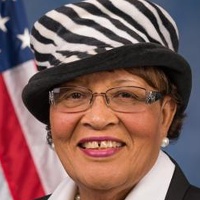
Alma Adams
Representative
NC
Alma Adams
Representative
NC
The Kira Johnson Act aims to eliminate maternal health disparities by funding community-based organizations that provide evidence-based support to high-risk populations. The legislation also establishes grant programs to implement anti-bias training for maternity care providers and creates compliance programs to address racism and discrimination in clinical settings. Through these initiatives, the bill seeks to ensure respectful, culturally congruent care and improve health outcomes for pregnant and postpartum individuals.
The Data to Save Moms Act directs federal funding and research toward improving maternal health data collection, supporting maternal mortality review committees, and addressing disparities in maternal health outcomes for minority and underserved populations.
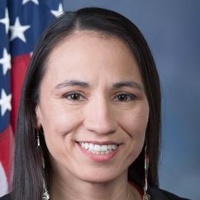
Sharice Davids
Representative
KS
Sharice Davids
Representative
KS
The Data to Save Moms Act aims to improve maternal health outcomes and eliminate disparities by enhancing data collection, research, and public awareness. The bill provides funding for Maternal Mortality Review Committees, supports community-based organizations addressing social determinants of health, and mandates training for providers on implicit bias and culturally congruent care. Additionally, it authorizes comprehensive studies and grant programs focused on high-risk populations, including racial and ethnic minority groups and American Indian and Alaska Native communities.
The Perinatal Workforce Act establishes grant programs and national initiatives to grow, diversify, and train a culturally competent maternal health workforce to improve health equity and patient outcomes.
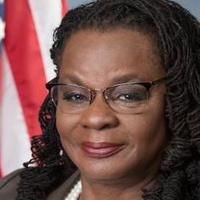
Gwen Moore
Representative
WI
Gwen Moore
Representative
WI
The Perinatal Workforce Act aims to improve maternal health outcomes by expanding and diversifying the perinatal health workforce. The bill establishes grant programs to support training for midwives, nurses, and other perinatal health workers, with a focus on recruiting individuals from underserved and minority communities. Additionally, it mandates national campaigns, federal coordination, and research to promote culturally congruent care and address systemic barriers to maternal health access.
This bill extends WIC eligibility and enhanced food benefits for postpartum and breastfeeding mothers from one year to 24 months.
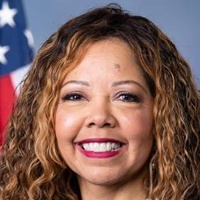
Lucy McBath
Representative
GA
Lucy McBath
Representative
GA
The Extending WIC for New Moms Act increases the duration of WIC eligibility for postpartum mothers from six months to 24 months. It also extends the period for receiving enhanced breastfeeding food packages to 24 months. Additionally, the bill mandates a comprehensive report to Congress evaluating the impact of these extensions on maternal and infant health outcomes.
This bill eliminates interest on existing federal student loans, sets new federal loans to 0% interest starting in 2026, and establishes a Trust Fund to support zero-interest loans and supplemental Pell Grants.

Joe Courtney
Representative
CT
Joe Courtney
Representative
CT
The Student Loan Interest Elimination Act aims to significantly reduce student debt burdens by automatically stopping interest accrual on existing federal loans starting in 2026 and setting interest rates for new federal loans to 0%. The bill also establishes a dedicated Trust Fund, funded by loan repayments, to support zero-interest loans and provide supplemental Pell Grants to eligible students. Furthermore, it allows certain borrowers to refinance non-federal loans into interest-free federal consolidation loans, while granting the Secretary of Education expedited authority to implement these sweeping changes.
The Social Determinants for Moms Act establishes federal grant programs and a dedicated task force to improve maternal health outcomes by addressing the nonclinical social factors that impact pregnant and postpartum individuals.

Jahana Hayes
Representative
CT
Jahana Hayes
Representative
CT
The Social Determinants for Moms Act aims to reduce maternal mortality and health disparities by addressing the nonclinical factors that impact pregnancy and postpartum outcomes. The bill establishes federal grant programs to provide essential services—such as housing, nutrition, transportation, and childcare—to pregnant and postpartum individuals. Additionally, it creates a federal task force to coordinate cross-agency strategies to improve maternal health and support community-led initiatives across the country.
The Energy Bills Relief Act aims to lower energy costs for families by reversing clean energy rollbacks, expanding assistance programs, streamlining grid upgrades, and increasing transparency in utility regulation.

Sean Casten
Representative
IL
Sean Casten
Representative
IL
The Energy Bills Relief Act is a comprehensive bill designed to lower energy costs for American families, accelerate the deployment of low-cost, clean energy, and modernize the nation's electricity grid. It achieves this by reversing harmful policies against renewables, expanding energy assistance programs, streamlining grid connection processes, and increasing transparency in utility regulation. Ultimately, the legislation aims to create a more reliable, affordable, and cleaner energy system while ensuring communities have a stronger voice in energy development.
This bill establishes a federally funded nutrition assistance program to provide SNAP-equivalent benefits to lawfully present noncitizens who are currently ineligible due to their immigration status.

Shontel Brown
Representative
OH
Shontel Brown
Representative
OH
The Feeding Families Not Fear Act of 2026 establishes a nutrition assistance program for lawfully present noncitizens who are currently ineligible for SNAP benefits due to their immigration status. This initiative provides eligible individuals with monthly food assistance via EBT cards, mirroring the benefits and standards of the regular SNAP program. The bill authorizes $3 billion in annual funding through 2029 to ensure food security for these households.
The Momnibus Act is a comprehensive legislative package designed to improve maternal health outcomes and reduce racial disparities by addressing social determinants, expanding nutritional and mental health support, diversifying the perinatal workforce, and investing in data-driven, community-based care.

Lauren Underwood
Representative
IL
Lauren Underwood
Representative
IL
The Momnibus Act is a comprehensive legislative package designed to end preventable maternal mortality and close racial and ethnic disparities in maternal health outcomes. By addressing social determinants of health, expanding nutritional and mental health support, and investing in a diverse, culturally competent workforce, the bill provides a holistic framework for improving care. Through targeted federal grants, enhanced data collection, and innovative technology, the Act aims to ensure that all pregnant and postpartum individuals receive the equitable, high-quality care they deserve.
This resolution designates the third week of March as "National CACFP Week" to recognize the program's vital role in providing nutritious meals to children and adults while advocating for its continued strengthening and expansion.

Suzanne Bonamici
Representative
OR
Suzanne Bonamici
Representative
OR
This resolution designates the third week of March as "National CACFP Week" to celebrate the Child and Adult Care Food Program’s vital role in providing nutritious meals to millions of children and adults. It highlights the program's positive impact on health and development while urging legislative improvements to strengthen its reach and reduce administrative burdens. Ultimately, the bill recognizes CACFP as an essential support system for working families, childcare providers, and the broader care economy.
The Enhanced Iran Sanctions Act of 2025 mandates broad economic and immigration sanctions on foreign individuals, entities, and financial institutions that support Iran’s nuclear, missile, drone, or terrorist activities, while specifically targeting the country's petroleum and petrochemical sectors.

Michael Lawler
Representative
NY
Michael Lawler
Representative
NY
The Enhanced Iran Sanctions Act of 2025 strengthens U.S. policy by imposing mandatory sanctions on foreign persons and financial institutions that support Iran’s nuclear, ballistic missile, drone, and terrorist activities. The bill specifically targets Iran’s petroleum and petrochemical sectors to cut off funding for these malign programs. Additionally, it expands the State Department’s "Rewards for Justice" program to incentivize the reporting of individuals who evade these sanctions.
This resolution recognizes March 10, 2026, as "Abortion Provider Appreciation Day" to honor the essential care provided by abortion staff and to affirm a commitment to protecting their safety and access to reproductive healthcare.

Ayanna Pressley
Representative
MA
Ayanna Pressley
Representative
MA
This resolution recognizes March 10, 2026, as "Abortion Provider Appreciation Day" to honor the essential care and dedication of abortion providers and clinic staff. It highlights the challenges and violence faced by these professionals while affirming a commitment to protecting their safety and ensuring universal access to abortion care. The resolution further condemns legislative and judicial actions that restrict reproductive rights and worsen health inequities.
This bill amends the Fair Labor Standards Act to extend minimum wage and overtime protections to home care workers by removing certain exemptions for casual babysitting and caregiving services.

Alexandria Ocasio-Cortez
Representative
NY
Alexandria Ocasio-Cortez
Representative
NY
The Fair Wages for Home Care Workers Act amends the Fair Labor Standards Act to ensure essential wage and overtime protections for caregivers. By updating definitions and removing outdated exemptions, the bill guarantees that home care workers receive the fair compensation and labor standards they deserve.
The Infant Formula Safety Modernization Act of 2026 mandates stricter manufacturing testing, rapid pathogen reporting, and enhanced Congressional oversight to ensure the safety of infant formula.

Rosa DeLauro
Representative
CT
Rosa DeLauro
Representative
CT
The Infant Formula Safety Modernization Act of 2026 strengthens federal oversight by mandating rigorous pathogen testing, stricter manufacturing facility standards, and rapid reporting of contamination. The bill requires manufacturers to promptly notify the FDA of positive test results and ensures that Congress is kept informed of critical safety and inspection issues. These measures aim to enhance the safety and quality of infant formula products for all consumers.
The WELLS Act mandates standardized discharge planning for pregnant patients in Medicare-participating hospitals, expands rural maternal care training, and establishes new initiatives to improve maternal health outcomes and data transparency.
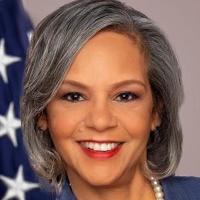
Robin Kelly
Representative
IL
Robin Kelly
Representative
IL
The WELLS Act aims to improve maternal health outcomes by mandating comprehensive discharge planning for pregnant patients in Medicare-participating hospitals. The bill also expands rural obstetric training programs with a focus on racial bias, establishes a research initiative to evaluate maternal healthcare training models, and creates a public dashboard to track national maternal health data.