This resolution recognizes March 10, 2026, as "Abortion Provider Appreciation Day" to honor the essential care provided by abortion staff and to affirm a commitment to protecting their safety and access to reproductive healthcare.
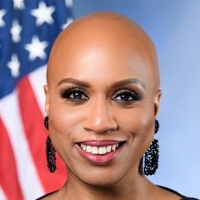
Ayanna Pressley
Representative
MA-7
This resolution recognizes March 10, 2026, as "Abortion Provider Appreciation Day" to honor the essential care and dedication of abortion providers and clinic staff. It highlights the challenges and violence faced by these professionals while affirming a commitment to protecting their safety and ensuring universal access to abortion care. The resolution further condemns legislative and judicial actions that restrict reproductive rights and worsen health inequities.
Congress Moves to Recognize March 10 as Abortion Provider Appreciation Day to Honor Healthcare Workers Amid Rising Clinic Violence
This concurrent resolution formally establishes March 10, 2026, as Abortion Provider Appreciation Day. The date is a somber one, marking the 1993 murder of Dr. David Gunn. Beyond just a calendar designation, the resolution serves as a formal congressional acknowledgment of the doctors, nurses, and administrative staff who provide reproductive healthcare. It specifically highlights the work of these professionals within a 'reproductive justice framework,' emphasizing that their services are essential for individual bodily autonomy and community health.
A Record of the Front Lines
The resolution pulls no punches regarding the physical risks faced by those working in these clinics. It cites a 2024 National Abortion Federation report detailing a long history of violence since 1977, including 11 murders and over 500 clinic invasions. For the average clinic worker—whether they are a surgeon or the person answering the phones—the bill frames their daily routine as an act of courage. It notes that in 2023 and 2024 alone, there were nearly 300 death threats and over 700 instances of facility obstruction. By putting these numbers into the official record, the resolution aims to shift the narrative from abstract legal debates to the literal safety of people going to work every morning.
The Post-Dobbs Landscape
A significant portion of the text addresses the fallout from the Supreme Court’s decision to overturn Roe v. Wade. It points out that as of March 2026, 20 states have enacted bans, leading to the closure of 51 Planned Parenthood centers in 2025 alone. For patients, the bill translates these closures into real-world hurdles: longer wait times, increased travel costs, and logistical nightmares. It specifically notes that these barriers hit hardest for the 27 million women of reproductive age—including over half of all Black women in that demographic—who now live in areas without local access to these services.
Accountability and Future Vision
The resolution concludes with a sharp critique of current federal oversight, claiming the administration has 'emboldened' harassment by being lax on enforcing the Freedom of Access to Clinic Entrances (FACE) Act. While this is a non-binding resolution—meaning it doesn't create new laws or hand out funding—it sets a clear marker for a 'vision for the future.' It commits Congress to working toward a system where healthcare is accessible without fear of criminalization or stigma. For the providers and patients in the 20 states with bans, this serves as a formal statement of support and a pledge to pursue the total removal of abortion restrictions nationwide.