This resolution formally recognizes the persistence of the gender wage gap in the United States and reaffirms a commitment to achieving equal pay for equal work.
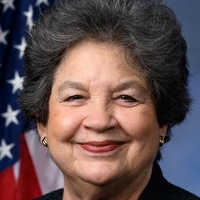
Lois Frankel
Representative
FL-22
This resolution formally recognizes the persistent gender wage gap in the United States and its significant negative impact on women, families, and the national economy. It highlights the systemic factors contributing to pay disparities across various demographics and occupations. Ultimately, the resolution reaffirms Congress's commitment to achieving equal pay for equal work.
Congress Recognizes 2026 Equal Pay Days: Resolution Highlights $13,570 Annual Wage Gap for Women.
This resolution is a formal acknowledgment from Congress that the gender wage gap isn't just a talking point—it's a massive economic drag. By digging into Census Bureau data, the resolution lays out the cold, hard numbers for 2026, showing that women working full-time still average just 81 cents for every dollar a man makes. For women of color, the gap is even wider, with Latinas and Native American women bringing in only 58 cents on the dollar compared to White, non-Hispanic men. This isn't just about fairness; it's a direct hit to the bank accounts of working families across the country.
The High Price of the Gap
To put these numbers into perspective, the resolution points out that the median annual earnings gap sits at $13,570. Over a career, that’s over half a million dollars—money that could have been used for retirement, a down payment on a house, or a child’s college fund. For a woman working a retail job or managing an office, closing that gap for just one year would cover 13 months of childcare or nearly 10 months of rent. By citing these specific figures, the resolution connects abstract policy to the 'kitchen table' reality that many people are struggling to pay off student loans—two-thirds of which are held by women—while being paid less for the same work.
More Than Just a Number
The resolution identifies several 'real-world' reasons why this gap persists, and they aren't just about what happens at the negotiation table. It highlights that two-thirds of private-sector workers are either discouraged or flat-out prohibited by their bosses from discussing their pay with coworkers. It also points to a lack of family-friendly policies like affordable childcare and paid leave, which often forces parents to choose between a paycheck and a sick kid. Furthermore, it notes that between 87 and 94 percent of women who face workplace harassment never file a formal complaint, often choosing to leave their jobs or pass up promotions instead of dealing with the fallout.
Marking the Calendar for Change
By officially recognizing dates like Equal Pay Day on March 26, 2026, and specific days for Black, Latina, and Disabled women throughout the year, Congress is attempting to keep these disparities in the spotlight. While this resolution doesn't automatically change a line in your tax code or your specific salary, it serves as a formal 'state of the union' on pay equity. It reaffirms a commitment to 'equal pay for equal work' and provides a factual foundation that could be used to justify future laws regarding pay transparency and workplace protections.