
Legislative Activity
Track Ron's sponsored bills, co-sponsored legislation, and voting record
The Tracking Plastic Act of 2026 establishes a federal working group to develop standardized methods for measuring, tracking, and increasing the use of recycled plastic content across key industrial sectors.
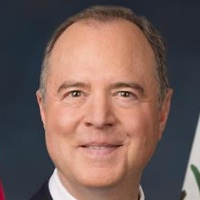
Adam Schiff
Senator
CA
Adam Schiff
Senator
CA
The Tracking Plastic Act of 2026 establishes a federal working group tasked with developing standardized methods for measuring, tracking, and reporting recycled plastic content across key industries. By coordinating with diverse stakeholders, the group aims to increase the use of post-consumer resin and harmonize recycling data systems. This initiative will provide Congress with annual reports to improve domestic market capacity and enhance the traceability of plastic materials.
This resolution designates July 2026 as "American Grown Flower and Foliage Month" to celebrate domestic farmers and encourage the purchase of U.S.-grown floral products.
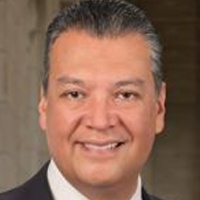
Alejandro Padilla
Senator
CA
Alejandro Padilla
Senator
CA
This resolution designates July 2026 as "American Grown Flower and Foliage Month" to celebrate the vital contributions of domestic floral farmers to the U.S. economy. It encourages consumers to support local agriculture and small businesses by choosing flowers and foliage grown within the United States.
This resolution designates August 2–8, 2026, as "National Farmers Market Week" to celebrate the vital economic, health, and community contributions of farmers markets across the United States.
Alejandro Padilla
Senator
CA
Alejandro Padilla
Senator
CA
This resolution designates August 2 through August 8, 2026, as "National Farmers Market Week." It recognizes the vital role these markets play in supporting local economies, promoting sustainable agriculture, and improving community access to fresh, healthy food.
This resolution commemorates June 19, 2026, as Juneteenth National Independence Day, honoring the historical significance of the end of slavery in the United States.

John Cornyn
Senator
TX
John Cornyn
Senator
TX
This resolution commemorates June 19, 2026, as "Juneteenth National Independence Day," honoring the historical significance of the end of slavery in the United States. It celebrates the resilience of African Americans and encourages nationwide reflection on the history and heritage that have shaped our democracy.
The Right to IVF Act of 2026 establishes a federal right to fertility treatments, mandates comprehensive insurance coverage for ART and IUI, and expands access to these services for veterans and federal employees.

Tammy Duckworth
Senator
IL
Tammy Duckworth
Senator
IL
The Right to IVF Act of 2026 establishes a federal right to access assisted reproductive technology (ART) and intrauterine insemination (IUI) by overriding restrictive state laws. The bill further expands family-building support by mandating comprehensive fertility coverage for military service members, veterans, federal employees, and those enrolled in private insurance, Medicare, or Medicaid. These measures aim to ensure equitable, affordable access to fertility treatments nationwide.
This resolution reaffirms the commitment to the Americans with Disabilities Act and the Olmstead decision by protecting the right of individuals with disabilities to live independently in their communities rather than in segregated institutions.

Andy Kim
Senator
NJ
Andy Kim
Senator
NJ
This resolution reaffirms the fundamental right of individuals with disabilities to live independently in their communities, as established by the Americans with Disabilities Act and the *Olmstead* decision. It condemns recent efforts to weaken integration mandates and calls on federal agencies to prioritize accessible housing, employment, and community-based services. Furthermore, the bill advocates for the protection of Medicaid funding and the removal of barriers to ensure full equality and self-sufficiency for all people with disabilities.
The Seeds and Breeds for the Future Act directs $75 million in annual competitive grants toward the development of publicly bred plant and animal varieties while establishing federal coordination and strategic plans to enhance agricultural resilience and genetic diversity.

Tammy Baldwin
Senator
WI
Tammy Baldwin
Senator
WI
The Seeds and Breeds for the Future Act strengthens the U.S. food system by dedicating at least $75 million annually to the development of publicly bred plant varieties and animal breeds. The bill establishes a dedicated coordinator within the USDA to oversee research, prioritizes the creation of regionally adapted and climate-resilient crops and livestock, and mandates the implementation of national strategic plans for germplasm conservation. By supporting public breeding programs, this legislation aims to enhance agricultural diversity, nutritional outcomes, and long-term food security.
The Supreme Court Ethics Act mandates the creation of a formal code of conduct for Supreme Court justices, establishes an independent Ethics Investigations Counsel to oversee compliance, and requires public disclosure of recusal decisions.

Christopher Murphy
Senator
CT
Christopher Murphy
Senator
CT
The Supreme Court Ethics Act mandates that the Supreme Court and the Judicial Conference establish formal codes of conduct for all federal judges and justices. The bill creates an independent Ethics Investigations Counsel to oversee compliance, investigate potential violations, and issue annual public reports. Additionally, it requires Supreme Court justices to publicly disclose their reasoning when recusing themselves from a case or denying a motion for recusal.
The Real Courts, Rule of Law Act of 2026 establishes an independent, Article I immigration court system separate from the executive branch to oversee immigration proceedings and judicial administration.

Kirsten Gillibrand
Senator
NY
Kirsten Gillibrand
Senator
NY
The Real Courts, Rule of Law Act of 2026 establishes an independent United States Immigration Court system under Article I of the Constitution, effectively separating immigration adjudication from the executive branch. This new judicial body will consist of appellate and trial divisions, with judges appointed to 15-year terms to ensure impartiality and judicial independence. The Act provides for a structured transition of existing cases and personnel, while granting the courts authority over their own budget, staffing, and procedural rules.
The Children's Safe Welcome Act of 2026 establishes comprehensive standards to ensure the humane treatment, legal protection, and swift family reunification of noncitizen children in U.S. immigration custody.

Jeff Merkley
Senator
OR
Jeff Merkley
Senator
OR
The Children's Safe Welcome Act of 2026 overhauls the treatment of noncitizen children and families in federal custody by prioritizing family unity, humane living standards, and swift reunification. The legislation mandates legal representation for unaccompanied children, establishes independent oversight to ensure accountability, and strictly limits the use of detention facilities. By creating clear, enforceable protections and privacy safeguards, the bill aims to minimize trauma and ensure that the welfare of the child remains the central focus of the immigration process.
This resolution recognizes July 21, 2026, as Black Women’s Equal Pay Day to highlight the persistent wage gap and reaffirm a commitment to achieving pay equity.

Lisa Blunt Rochester
Senator
DE
Lisa Blunt Rochester
Senator
DE
This resolution recognizes July 21, 2026, as Black Women’s Equal Pay Day to highlight the persistent and significant wage gap between Black women and white, non-Hispanic men. It details the economic impact of this disparity and reaffirms Congress's commitment to achieving pay equity through systemic change.
This bill expands Tribal access to CDC public health emergency preparedness funding by establishing a dedicated set-aside, providing administrative flexibility, and mandating Tribal consultation and reporting.

Elizabeth Warren
Senator
MA
Elizabeth Warren
Senator
MA
The CDC Tribal Public Health Security and Preparedness Act amends the Public Health Service Act to formally include Indian Tribes and Tribal organizations as eligible entities for federal public health emergency preparedness funding. The bill authorizes $750 million annually for this program, with a dedicated 5% set-aside for Tribal entities and exemptions from traditional matching-fund requirements. Additionally, it mandates federal consultation with Tribal leaders to ensure program flexibility and requires a comprehensive report to Congress on the effectiveness of Tribal implementation.
The Cannabis Administration and Opportunity Act decriminalizes cannabis at the federal level, establishes a comprehensive regulatory and taxation framework, and mandates restorative justice measures to address the impacts of past prohibition.
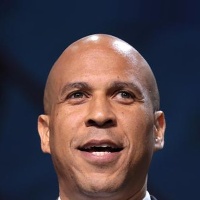
Cory Booker
Senator
NJ
Cory Booker
Senator
NJ
The Cannabis Administration and Opportunity Act proposes ending federal cannabis prohibition by removing it from the Controlled Substances Act and transferring regulatory oversight to health and revenue agencies. The bill establishes a comprehensive framework for taxation, product safety, and restorative justice, including the expungement of past federal cannabis convictions and increased investment in communities impacted by the War on Drugs. Additionally, it provides states with the authority to manage their own cannabis policies while creating new federal standards for research, workplace safety, and banking access.
This bill directs the FAA to review and update safety policies and regulations regarding low-altitude airspace hazards, including the marking of temporary obstructions like slacklines.
Jeff Merkley
Senator
OR
Jeff Merkley
Senator
OR
The McCarty and Heideman Air Safety Enhancement Act directs the FAA to conduct a comprehensive review of low-altitude airspace safety policies, with a specific focus on mitigating risks posed by temporary obstructions like slacklines. The bill mandates stakeholder consultation and requires the FAA to improve aeronautical data, interagency coordination, and public outreach. Ultimately, it ensures that necessary regulatory updates are implemented to enhance safety for pilots operating in low-altitude environments.
The Agricultural Worker Justice Act of 2026 mandates fair labor standards and corporate accountability for USDA contractors while implementing comprehensive safety and workplace protections for meat and poultry processing employees.
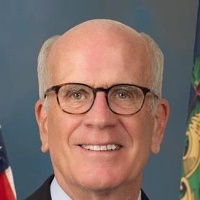
Peter Welch
Senator
VT
Peter Welch
Senator
VT
The Agricultural Worker Justice Act of 2026 aims to improve labor standards and corporate accountability within the food supply chain by tying USDA contracts to fair wages and strict labor law compliance. Additionally, the bill mandates comprehensive safety reforms for the meatpacking industry, including stricter line-speed regulations, enhanced whistleblower protections, and expanded OSHA oversight. Together, these measures seek to ensure safer working conditions, higher pay, and greater transparency for both food workers and the American public.
The Living Wage For All Act establishes a phased-in path to a $25 federal minimum wage, indexed to inflation, while eliminating subminimum wages for tipped workers, youth, and individuals with disabilities.
Christopher Murphy
Senator
CT
Christopher Murphy
Senator
CT
The Living Wage For All Act establishes a path to a $25 federal minimum wage, requiring large corporations to reach this benchmark within five years and providing a longer transition period for smaller employers. The bill also phases out subminimum wages for tipped workers, youth employees, and individuals with disabilities to ensure all workers earn a fair, living wage. Once the $25 target is met, the minimum wage will be indexed to national median wage growth to maintain its purchasing power over time.
The Health and Location Data Protection Act of 2026 prohibits data brokers from selling or transferring sensitive personal health and location information.
Elizabeth Warren
Senator
MA
Elizabeth Warren
Senator
MA
The Health and Location Data Protection Act of 2026 prohibits data brokers from selling or transferring sensitive health and location information. This legislation empowers the Federal Trade Commission, state attorneys general, and private individuals to enforce these protections through civil lawsuits and significant financial penalties. By restricting the trade of this personal data, the bill aims to enhance individual privacy and security.
This resolution honors the life, military service, and enduring legislative legacy of the late U.S. Senator Lindsey Olin Graham of South Carolina.

Tim Scott
Senator
SC
Tim Scott
Senator
SC
This resolution honors the life and legacy of the late Senator Lindsey Olin Graham, recognizing his decades of dedicated military service and his impactful career in both the U.S. House of Representatives and the U.S. Senate. It pays tribute to his commitment to national security, the rule of law, and the people of South Carolina. The Senate expresses its profound sorrow for his passing and extends its deepest condolences to his family.
The Medicare Cost Cap Act of 2026 establishes an annual out-of-pocket spending limit for Medicare beneficiaries and expands eligibility for low-income assistance programs by simplifying enrollment and removing asset tests.
Lisa Blunt Rochester
Senator
DE
Lisa Blunt Rochester
Senator
DE
The Medicare Cost Cap Act of 2026 establishes a new annual out-of-pocket spending limit for Medicare Part A and Part B beneficiaries, ensuring that seniors and individuals with disabilities are protected from catastrophic healthcare costs. Additionally, the bill expands access to low-income assistance programs by eliminating asset tests, raising income eligibility thresholds, and streamlining the enrollment process between Medicare and Medicaid.
This legislation establishes a national technical assistance center and a grant program to improve the recruitment, training, retention, and career advancement of the direct care workforce and to provide essential support for family caregivers.
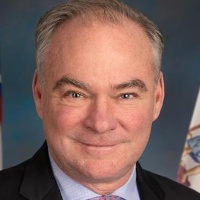
Timothy Kaine
Senator
VA
Timothy Kaine
Senator
VA
The "Supporting Our Direct Care Workforce and Family Caregivers Act" establishes a national technical assistance center and a grant program to improve the recruitment, training, and retention of direct care professionals. By providing funding for education, career advancement, and supportive services, the bill aims to strengthen the workforce that supports older adults and individuals with disabilities. Additionally, the legislation provides resources to assist both paid and unpaid family caregivers in their essential roles.