Legislative Activity
Track Maxine's sponsored bills, co-sponsored legislation, and voting record
This Act establishes a framework for striking workers to access unemployment insurance benefits after a two-week waiting period or the hiring of permanent replacements.
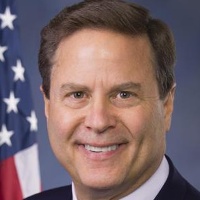
Donald Norcross
Representative
NJ
Donald Norcross
Representative
NJ
The Empowering Striking Workers Act of 2025 establishes a pathway for workers involved in a strike or lockout to receive unemployment insurance benefits after a mandatory 14-day waiting period. This legislation also exempts striking workers from the standard requirement to actively search for new employment while they are unable to work due to the labor dispute.
This Act mandates the phase-out and eventual ban of engine bleed air systems in new and existing aircraft designs to improve cabin air quality.
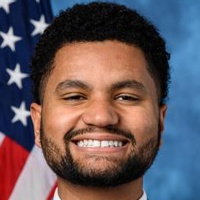
Maxwell Frost
Representative
FL
Maxwell Frost
Representative
FL
The Safe Air on Airplanes Act mandates the phase-out of "bleed air systems" in new aircraft designs to improve cabin air quality. This legislation requires the FAA to ban these systems in future aircraft designs within six months. For existing aircraft designs still in production, the bill requires the installation of specialized filters within seven years, followed by a 30-year timeline for completely eliminating bleed air systems from newly manufactured planes.
This resolution terminates the President's declared crime emergency in the District of Columbia, asserting that the emergency is unwarranted and the legal basis for federal MPD control is flawed.
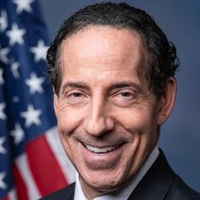
Jamie Raskin
Representative
MD
Jamie Raskin
Representative
MD
This resolution terminates the President's August 11, 2025, declaration of a crime emergency in the District of Columbia. Congress asserts that the President lacks the legal authority under the D.C. Home Rule Act to take operational control of the Metropolitan Police Department. Furthermore, the bill notes that local violent crime rates have been declining significantly.
This Act prohibits grocery stores from price gouging, using personal surveillance data to set individualized prices, and mandates disclosure of facial recognition use, while banning electronic shelf labels in larger stores.
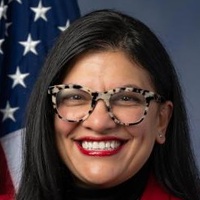
Rashida Tlaib
Representative
MI
Rashida Tlaib
Representative
MI
The Stop Price Gouging in Grocery Stores Act of 2025 aims to protect consumers by prohibiting grocery stores from charging "grossly excessive" prices for food items. The bill also bans stores from adjusting prices based on personal tracking data, such as facial recognition, and requires clear signage if facial recognition technology is used. Furthermore, it mandates that large physical grocery stores must use printed signs instead of electronic shelf labels for displaying prices.
The Warehouse Worker Protection Act establishes new federal standards for large employers regarding performance quotas, mandatory paid breaks, data transparency, and workplace safety, while strengthening NLRA protections against retaliatory metrics.
Donald Norcross
Representative
NJ
Donald Norcross
Representative
NJ
The Warehouse Worker Protection Act establishes new federal standards to increase transparency and fairness for warehouse workers at large companies by mandating disclosure of performance quotas and monitoring data. It guarantees mandatory paid rest breaks, strengthens protections against using quotas to suppress organizing efforts, and introduces new federal ergonomics and safety standards under OSHA. The bill creates a new Department of Labor office to enforce these provisions and invalidates mandatory pre-dispute arbitration for related claims.
This act mandates that the Department of Veterans Affairs must provide abortion care, counseling, and related services and medication to eligible veterans and certain other individuals.
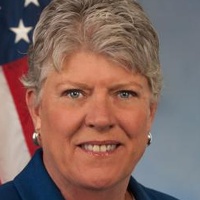
Julia Brownley
Representative
CA
Julia Brownley
Representative
CA
The Reproductive Freedom for Veterans Act mandates that the Department of Veterans Affairs (VA) must now provide abortion care, counseling, and related medication as part of the medical services offered to eligible veterans and certain other beneficiaries. This legislation formally amends existing VA health care provisions to include these reproductive health services.
This bill repeals specific prior health reconciliation provisions and expands eligibility for the Premium Tax Credit by removing the 400% income cap and adjusting the subsidy calculation formula.
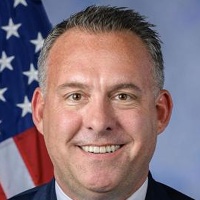
Adam Gray
Representative
CA
Adam Gray
Representative
CA
The Protecting Health Care and Lowering Costs Act of 2025 repeals specific prior reconciliation health provisions. This bill significantly expands eligibility for the Premium Tax Credit by eliminating the 400% Federal Poverty Level income cap. It also updates the subsidy calculation formula to ensure a smoother, linear adjustment of assistance across various income levels.
This act repeals the prohibition on Medicaid payments to certain healthcare entities and mandates retroactive payment for services already rendered under the repealed ban.
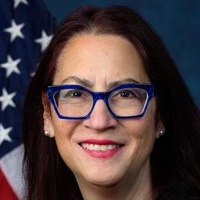
Laura Friedman
Representative
CA
Laura Friedman
Representative
CA
The Restoring Essential Healthcare Act repeals an outdated ban that prevented Medicaid from making payments to certain healthcare providers. This legislation ensures that these previously prohibited entities will now be reimbursed for medical services rendered between the enactment of the original ban and the passage of this Act. In short, it restores payment eligibility and retroactively covers past services.
This Act prohibits the shackling and detention of pregnant and postpartum noncitizens except in extraordinary, narrowly defined circumstances, while mandating comprehensive healthcare access and staff training.
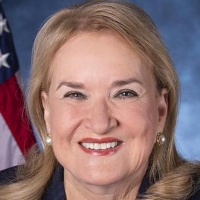
Sylvia Garcia
Representative
TX
Sylvia Garcia
Representative
TX
The Stop Shackling and Detaining Pregnant Women Act aims to significantly reform the detention of pregnant and postpartum noncitizens by establishing a presumption against their detention. This bill strictly limits the use of physical restraints on pregnant detainees and mandates comprehensive reproductive healthcare access. Furthermore, it requires detailed quarterly and annual reporting on the treatment and outcomes of pregnant individuals in custody.
The EACH Act of 2025 mandates that all federally funded health programs and facilities must cover and provide abortion services, while also prohibiting federal interference with private insurance coverage.
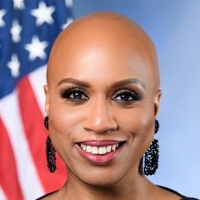
Ayanna Pressley
Representative
MA
Ayanna Pressley
Representative
MA
The EACH Act of 2025 aims to ensure equal access to abortion coverage by requiring all federally funded health programs and facilities to cover abortion services. This legislation prohibits federal interference with state or private insurance coverage of abortion and repeals Section 1303 of the Affordable Care Act. Ultimately, the bill seeks to eliminate financial and insurance barriers to abortion care, particularly for low-income individuals relying on programs like Medicaid.
This bill establishes grants for food hubs to increase market access for socially disadvantaged farmers, creates a tax credit to support food hub purchases, mandates civil rights accountability for USDA employees, shifts the burden of proof in appeals, and creates an independent Office of the Civil Rights Ombudsperson.
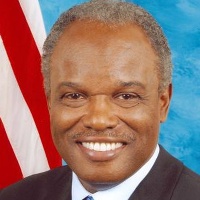
David Scott
Representative
GA
David Scott
Representative
GA
The Black Farmers and Socially Disadvantaged Farmers Increased Market Share Act establishes a new grant program to help food hubs increase market access for socially disadvantaged farmers and ranchers. The bill also introduces an "Agriculture Hub Credit" tax incentive to encourage related spending. Furthermore, it strengthens civil rights accountability for USDA employees, grants new equitable relief powers to the Assistant Secretary for Civil Rights, shifts the burden of proof in agency appeals, and creates an independent Office of the Civil Rights Ombudsperson.
The Gun Safety Incentive Act establishes federal guidelines for safe firearm storage, mandates safety warnings on new firearms, expands safe storage requirements for firearm sales, creates a grant program for states to distribute storage devices, and offers a tax credit to businesses selling safe storage devices.
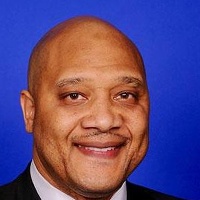
André Carson
Representative
IN
André Carson
Representative
IN
The Gun Safety Incentive Act aims to promote responsible firearm ownership by establishing voluntary best practices for safe storage developed by the Attorney General. It mandates clear safe storage warnings on newly manufactured firearms and expands existing federal law to require safe storage information for all firearm purchases, including rifles and shotguns. Furthermore, the Act establishes a grant program to help states and Tribes distribute free safe storage devices and creates a tax credit for businesses selling these devices.
This Act mandates federal standards requiring employers to implement comprehensive heat illness and injury prevention programs to protect workers from dangerous heat stress.
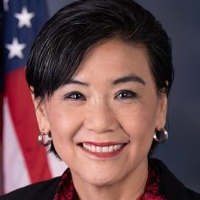
Judy Chu
Representative
CA
Judy Chu
Representative
CA
The Asunción Valdivia Heat Illness, Injury, and Fatality Prevention Act of 2025 mandates that employers protect workers from dangerous heat stress by establishing comprehensive safety standards. This Act requires the Secretary of Labor to create evidence-based rules covering engineering controls, administrative procedures, required training, and paid rest breaks to prevent heat-related illness. Furthermore, the law establishes strict enforcement mechanisms, whistleblower protections, and specific timelines for the implementation of these new federal heat protection standards.
This Act establishes federal funding for research, state grants, and public awareness campaigns aimed at improving the early detection, intervention, and treatment of uterine fibroids.
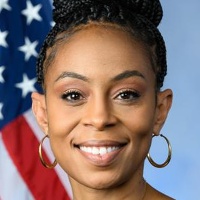
Shontel Brown
Representative
OH
Shontel Brown
Representative
OH
The Uterine Fibroid Intervention and Gynecological Health Treatment Act of 2025 aims to improve the detection and treatment of uterine fibroids. It mandates federal research to develop evidence-based early detection strategies and establishes grant programs for states to fund screening, education, and intervention services, prioritizing vulnerable populations. Furthermore, the bill allocates funding for research into pain management related to fibroid surgery and other uterine conditions.
This comprehensive act establishes federal entitlements and grants to ensure access to affordable, high-quality child care and universal preschool for young children while significantly increasing compensation for early childhood educators.
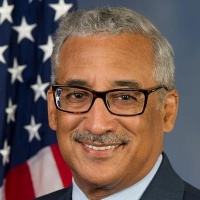
Robert Scott
Representative
VA
Robert Scott
Representative
VA
The Child Care for Working Families Act establishes comprehensive federal programs to ensure access to high-quality, affordable child care and universal preschool for young children. The legislation creates an entitlement program for child care, mandates that provider reimbursement rates cover actual costs and ensure living wages for staff, and establishes free, universal preschool for 3- and 4-year-olds. Additionally, it provides dedicated funding to stabilize childcare providers and extend the operating hours and compensation for Head Start staff.
This Act mandates a comprehensive federal study to investigate the potential link between the use of chemical hair straighteners and the incidence of uterine cancer, with a specific focus on disparities among women of color.
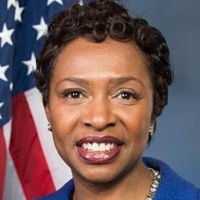
Yvette Clarke
Representative
NY
Yvette Clarke
Representative
NY
The Uterine Cancer Study Act of 2025 mandates a comprehensive federal study to investigate the potential link between the use of chemical hair straighteners and the risk of developing uterine cancer. This research must specifically examine disparities in cancer rates among women of color. The study will ultimately recommend whether the FDA should require additional safety testing for these hair products.
This Act establishes increased federal research, public education, and provider information dissemination regarding uterine fibroids, with a focus on addressing racial disparities and non-hysterectomy treatment options.
Yvette Clarke
Representative
NY
Yvette Clarke
Representative
NY
The Stephanie Tubbs Jones Uterine Fibroid Research and Education Act of 2025 aims to significantly increase federal research, public education, and provider awareness regarding uterine fibroids. The bill mandates expanded research coordination across federal agencies and authorizes funding to study the condition, which disproportionately affects minority women. It also requires the creation of public awareness campaigns detailing non-hysterectomy treatment options and mandates data collection on Medicaid/CHIP spending for fibroid treatments.
This resolution supports the designation of July as Uterine Fibroids Awareness Month to highlight the commonality, disproportionate impact, and need for increased research and treatment options for uterine fibroids.
David Scott
Representative
GA
David Scott
Representative
GA
This resolution supports the designation of July as Uterine Fibroids Awareness Month to highlight the significant health impact of these common growths on women. It recognizes the disproportionate burden of fibroids on Black and Hispanic women and calls for increased research and improved treatment options. The bill encourages the President to issue a proclamation supporting national awareness activities throughout July.
The Treat and Reduce Obesity Act of 2025 expands Medicare coverage for intensive behavioral therapy for obesity and mandates Part D coverage for certain weight management medications for eligible beneficiaries.
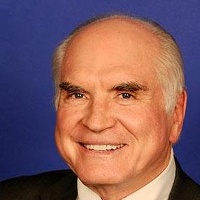
Mike Kelly
Representative
PA
Mike Kelly
Representative
PA
The Treat and Reduce Obesity Act of 2025 aims to combat the growing obesity epidemic, particularly among older adults, by expanding access to intensive behavioral therapy under Medicare. This bill mandates that Medicare Part D plans begin covering FDA-approved medications for obesity and weight management in individuals with related health conditions. Finally, it requires the Secretary of HHS to report regularly to Congress on the implementation and coordination of these new obesity treatment strategies.
This resolution officially recognizes and celebrates the history, contributions, and ongoing importance of Caribbean Americans to the United States.
André Carson
Representative
IN
André Carson
Representative
IN
This resolution formally recognizes and celebrates the history, culture, and significant contributions of Caribbean Americans to the United States. It highlights the deep roots and ongoing influence of the Caribbean diaspora across all sectors of American life. The bill encourages the nation to observe National Caribbean American Heritage Month and affirms that this diversity enriches the country.