Legislative Activity
Track Eugene's sponsored bills, co-sponsored legislation, and voting record
This bill prohibits individuals under 18 from having direct contact with tobacco plants or dried tobacco leaves on farms to strengthen child labor protections in tobacco agriculture.
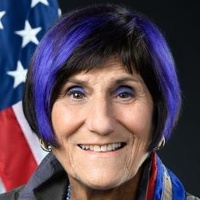
Rosa DeLauro
Representative
CT
Rosa DeLauro
Representative
CT
The Children Don't Belong on Tobacco Farms Act amends child labor laws to prohibit individuals under 18 from having direct contact with tobacco plants or dried tobacco leaves. This change ensures that agricultural work involving direct handling of tobacco falls under federal child labor protections. The bill specifically updates exemptions to reflect this new restriction on youth employment in tobacco agriculture.
This Act increases penalties for providing specific prohibited items to inmates and mandates a review and update of Bureau of Prisons policies regarding contraband.
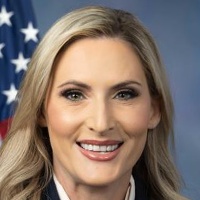
Laurel Lee
Representative
FL
Laurel Lee
Representative
FL
The Lieutenant Osvaldo Albarati Stopping Prison Contraband Act focuses on strengthening penalties for introducing prohibited items, specifically phones, into prisons. It mandates the Director of the Bureau of Prisons to review and update policies concerning prohibited objects to enhance the safety of inmates and staff. This legislation aims to curb contraband flow within correctional facilities.
This Act establishes new federal requirements, including pre-arrival health documentation and permits, for importing live dogs into the United States.
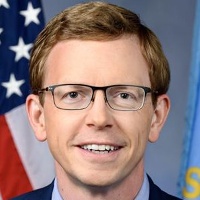
Dusty Johnson
Representative
SD
Dusty Johnson
Representative
SD
The Healthy Dog Importation Act establishes new federal requirements for bringing live dogs into the United States, mandating advance electronic health documentation, vaccinations, and permanent identification for most imports. This law defines key roles like "Importer" and sets specific age and permitting requirements for dogs intended for transfer or sale after arrival. The Secretary of Agriculture is tasked with creating detailed regulations within 18 months to enforce these health and documentation standards, while also outlining specific exceptions for returning pets and working dogs.
This Act mandates a study and subsequent recommendations on how driver-controlled technology, especially touch screens, impacts traffic safety and fatalities involving pedestrians and cyclists.
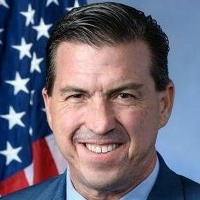
Kevin Mullin
Representative
CA
Kevin Mullin
Representative
CA
The Driver Technology and Pedestrian Safety Act of 2025 mandates a comprehensive study by the National Academies on how driver-controlled technology, especially touch screens, impacts serious crashes involving pedestrians and cyclists. Following the study, the Secretary of Transportation must report findings to Congress and provide actionable recommendations for reducing traffic fatalities. These recommendations must be categorized based on whether they require new legislation or can be implemented immediately by existing agencies.
The HEALTH for MOM Act of 2025 allows states the option to establish "maternity health homes" to provide coordinated, comprehensive Medicaid care for pregnant and postpartum women for one year after delivery.
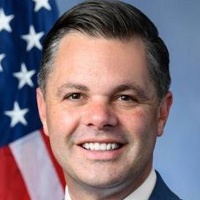
Zachary (Zach) Nunn
Representative
IA
Zachary (Zach) Nunn
Representative
IA
The HEALTH for MOM Act of 2025 allows states the option to establish "maternity health homes" to provide enhanced, coordinated care for pregnant and postpartum women enrolled in Medicaid. These health homes must offer comprehensive, patient-centered care planning that links medical services with crucial social and behavioral supports for one year after delivery. To encourage adoption, the bill provides temporary enhanced federal funding for states that choose to implement this coordinated care model.
This Act enhances the FAA's Collegiate Training Initiative, establishes new grant programs, funds training equipment, creates retention incentives for air traffic controllers, and mandates improvements to mental health support and airport radar safety reporting.
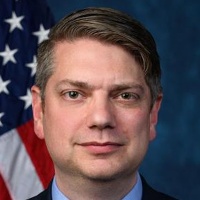
Nicholas Begich
Representative
AK
Nicholas Begich
Representative
AK
The Air Traffic Control Workforce Development Act of 2025 aims to strengthen the air traffic control pipeline by improving the Collegiate Training Initiative (CTI) program and establishing new grants for participating colleges. The bill also funds new training equipment and creates financial incentives to both encourage trainees to complete their certification and retain experienced controllers. Finally, it mandates improvements to mental health support for controllers and requires a report on the future of airport radar safety systems.
This act modifies the student loan interest deduction limit for married couples filing separately, applying the \$2,500 cap to each spouse individually.
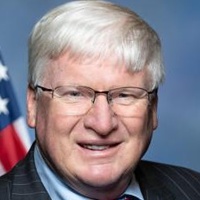
Glenn Grothman
Representative
WI
Glenn Grothman
Representative
WI
The Student Loan Marriage Penalty Elimination Act of 2025 aims to adjust the student loan interest deduction for married couples filing separately. This bill caps the deductible student loan interest at \$2,500 per individual spouse. It ensures that taxpayers cannot claim the same interest amount under multiple deduction provisions.
This Act increases the maximum financial assistance available to disabled veterans for necessary home health service improvements and mandates annual inflation adjustments to these limits.
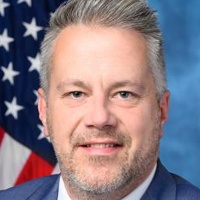
Eric Sorensen
Representative
IL
Eric Sorensen
Representative
IL
The Autonomy for All Disabled Veterans Act significantly increases the maximum financial assistance available to disabled veterans for necessary home improvements and structural alterations provided through home health services, raising certain limits to \$10,000. Furthermore, this legislation mandates that these housing-related benefit amounts be automatically adjusted each year to keep pace with the rate of inflation based on the residential home construction cost index. These new, higher spending limits apply only to veterans who apply for these specific benefits after the Act is enacted.
This Act mandates that health plans cover medically necessary treatment for congenital anomalies or birth defects affecting the eyes, ears, teeth, mouth, or jaw to restore normal function and appearance.
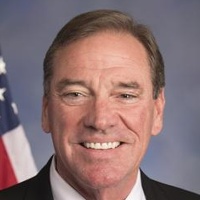
Neal Dunn
Representative
FL
Neal Dunn
Representative
FL
The Ensuring Lasting Smiles Act mandates that group health plans and insurance policies provide comprehensive coverage for medically necessary treatment related to congenital anomalies or birth defects affecting the eyes, ears, teeth, mouth, or jaw. This coverage must include services needed to restore normal function and appearance, including necessary dental and orthodontic support. Plans must apply cost-sharing rules no more restrictive than those for other medical benefits, excluding purely cosmetic procedures.
This act mandates that federal agencies implement bird-safe features in new and substantially renovated public buildings, guided by a GSA-developed design manual, while exempting certain historic and high-profile sites.
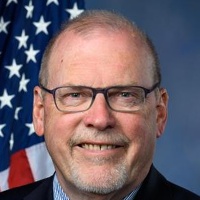
H. Griffith
Representative
VA
H. Griffith
Representative
VA
The Federal Bird Safe Buildings Act of 2025 mandates that the General Services Administration (GSA) implement bird-safe features in new and substantially renovated federal public buildings to prevent bird collisions. The GSA must develop and regularly update a design guide detailing best practices for construction and lighting to reduce bird fatalities. While most federal buildings must comply, exemptions exist for sites on the National Register of Historic Places and specific high-profile locations like the White House. The GSA must annually report to Congress on compliance and provide data on bird collisions where possible.
This bill mandates that federal research entities report detailed, categorized data on the number of animals used in research based on pain and distress levels, making this information publicly accessible through an NIH database.
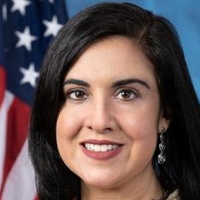
Nicole Malliotakis
Representative
NY
Nicole Malliotakis
Representative
NY
The Federal Animal Research Accountability Act of 2025 mandates that entities using animals in NIH-funded research must annually report detailed data on animal use, broken down by the level of pain or distress experienced. This comprehensive information, including the number of animals bred or housed but not yet used, will be made publicly available in a searchable database by the NIH. These new transparency requirements are set to begin two years after the bill's enactment.
The SERVICE Act of 2025 establishes a pilot program to fund local law enforcement grants for creating specialized Veterans Response Teams to better assist veterans in crisis.
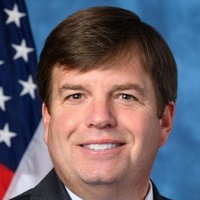
Dale Strong
Representative
AL
Dale Strong
Representative
AL
The SERVICE Act of 2025 establishes a five-year pilot program to create specialized Veterans Response Teams within local law enforcement agencies through federal grants. These teams will focus on improving interactions between law enforcement and veterans in crisis by fostering collaboration with the VA and providing specialized training. The teams will also establish 24/7 volunteer response networks and track outcomes to better serve the veteran community.
The American Ownership and Resilience Act establishes a Department of Commerce-run facility to leverage government backing for investment companies that finance the sale of businesses to Employee Stock Ownership Plans (ESOPs) or worker-owned cooperatives.
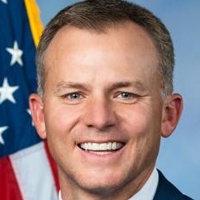
Blake Moore
Representative
UT
Blake Moore
Representative
UT
The American Ownership and Resilience Act establishes an Ownership Investment Facility within the Department of Commerce to provide government-backed leverage to investment companies. This facility is designed to encourage capital investments that support the sale of businesses to Employee Stock Ownership Plans (ESOPs) or worker-owned cooperatives. The bill sets strict oversight, fairness, and control requirements for these employee-centric transactions while establishing licensing and capital standards for the participating investment companies.
The Farm Workforce Modernization Act of 2025 establishes pathways to legal status for current agricultural workers, reforms the H-2A visa program, and mandates a modernized electronic employment verification system.
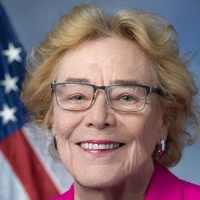
Zoe Lofgren
Representative
CA
Zoe Lofgren
Representative
CA
The Farm Workforce Modernization Act of 2025 aims to stabilize the agricultural labor force by creating a pathway to legal status for current undocumented farmworkers and modernizing the H-2A temporary worker program. The bill also mandates the implementation of a new, high-security electronic employment verification system across all industries, with specific deadlines for agricultural employers. Overall, it seeks to secure the existing workforce while establishing new compliance standards and protections for future agricultural labor.
This bill expands the definition of "law enforcement officer" for federal retirement purposes under FERS and CSRS to include specific IRS, Postal Inspection, and VA police employees, and establishes rules for how current employees can count prior service under the new designation.
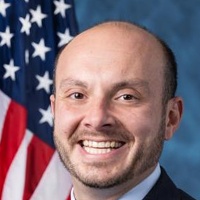
Andrew Garbarino
Representative
NY
Andrew Garbarino
Representative
NY
The Law Enforcement Officers Equity Act expands the definition of "law enforcement officer" for federal retirement purposes under both the Federal Employees Retirement System (FERS) and the Civil Service Retirement System (CSRS). This change adds specific IRS, Postal Inspection Service, and VA police roles to those eligible for enhanced retirement benefits. The bill also establishes procedures for current officers to elect to have their prior service counted under these new definitions, which may require a payment from the employee and their employing agency.
Violet's Law mandates that federal research facilities establish procedures to place retired dogs, cats, nonhuman primates, guinea pigs, hamsters, and rabbits with approved rescue organizations, sanctuaries, shelters, or individuals.
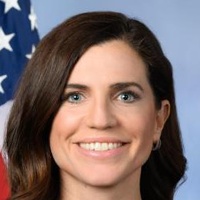
Nancy Mace
Representative
SC
Nancy Mace
Representative
SC
Violet's Law mandates that federal research facilities establish procedures to place retired research animals, including dogs, cats, and primates, into new homes. These facilities must adhere to the Animal Welfare Act standards and ensure animals are certified healthy by a veterinarian before adoption. Eligible placements include registered animal rescue organizations, sanctuaries, shelters, or private individuals.
This Act prohibits the advertising and provision of paid conversion therapy intended to change an individual's sexual orientation or gender identity, empowering the FTC and State Attorneys General to enforce these prohibitions.
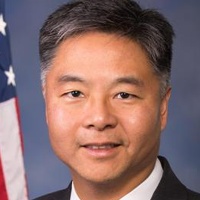
Ted Lieu
Representative
CA
Ted Lieu
Representative
CA
The Therapeutic Fraud Prevention Act of 2025 declares that practices attempting to change an individual's sexual orientation or gender identity for payment constitute an unfair and deceptive business practice. Citing professional consensus on the ineffectiveness and harm of such "conversion therapy," the bill prohibits its provision and advertising. Enforcement authority is granted to the Federal Trade Commission (FTC), and the law allows both the U.S. Attorney General and State Attorneys General to file civil actions against violators.
This Act streamlines the transition of medically disqualified service members into DoD civilian roles while also connecting non-qualifying individuals with defense industry career opportunities.
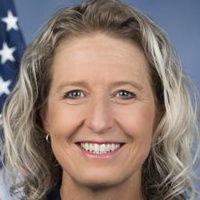
Jennifer Kiggans
Representative
VA
Jennifer Kiggans
Representative
VA
The Defense Workforce Integration Act of 2025 aims to streamline the transition of separating service members into civilian Department of Defense (DoD) roles, particularly for those medically disqualified from service. It also establishes a new program to connect medically ineligible individuals with career opportunities in the defense industrial base and related national security sectors. Furthermore, the bill mandates that the Navy inform separating personnel about career opportunities within the Military Sealift Command. The DoD must report to Congress within one year on the implementation of these integration and information-sharing provisions.
This act establishes a new federal loan program to help farmers and ranchers finance the purchase of precision agriculture technology to increase efficiency and reduce waste.
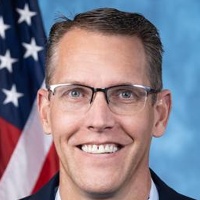
Randy Feenstra
Representative
IA
Randy Feenstra
Representative
IA
The Precision Agriculture Loan Program Act of 2025 establishes a new federal loan program to help crop and livestock producers finance the purchase of modern precision agriculture technology. These loans, capped at $500,000 per borrower with a 12-year repayment term, aim to increase efficiency and reduce waste through the adoption of tools like GPS guidance and variable-rate application systems. The Secretary of Agriculture must also report annually to Congress on loan distribution, producer demographics, and estimated environmental benefits achieved.
This Act establishes a public-private "Quantum Sandbox" program, managed by the Secretary of Commerce and NIST, to accelerate the development and deployment of near-term quantum applications within two years.
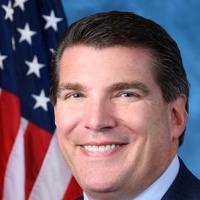
Jay Obernolte
Representative
CA
Jay Obernolte
Representative
CA
The Quantum Sandbox for Near-Term Applications Act of 2025 establishes a new public-private partnership program managed by the Department of Commerce and NIST. This "quantum sandbox" is specifically designed to accelerate the development and testing of quantum applications that can be deployed within two years. By engaging industry, national labs, and research centers, the Act aims to quickly translate quantum innovation into tangible benefits for government and business.