Legislative Activity
Track Eugene's sponsored bills, co-sponsored legislation, and voting record
This bill mandates annual, experience-tailored sensitivity training for all VA staff handling military sexual trauma claims and strengthens the VA's duty to assist claimants in obtaining service records.

Young Kim
Representative
CA
Young Kim
Representative
CA
The Improving VA Training for Military Sexual Trauma Claims Act mandates annual, experience-based sensitivity training for all VA staff handling Military Sexual Trauma (MST) claims. This legislation also strengthens the VA's duty to assist claimants by requiring them to actively help gather service personnel and medical records. Furthermore, the bill directs the VA Secretary to report on training requirements for contracted health professionals to prevent re-traumatization during examinations.
The CHIP IN for Veterans Act of 2025 expands and extends the VA's pilot program allowing the acceptance of donated facilities, minor construction, and nonrecurring maintenance projects until 2031.
Don Bacon
Representative
NE
Don Bacon
Representative
NE
The CHIP IN for Veterans Act of 2025 expands and extends a pilot program allowing the Department of Veterans Affairs (VA) to accept donated facilities and related improvements. This expansion broadens acceptable donations to include minor construction or nonrecurring maintenance projects. Furthermore, the bill extends the operational deadline for this valuable pilot program from 2026 to 2031.
This Act prohibits life insurance companies from discriminating against individuals based solely on their status as a living kidney donor.
Jefferson Van Drew
Representative
NJ
Jefferson Van Drew
Representative
NJ
The Kidney Donation Anti-Discrimination Act prohibits life insurance companies from denying coverage, increasing premiums, or canceling policies solely because an individual is a living kidney donor. This federal law ensures that living donors are not penalized financially for their altruistic act, unless unrelated health risks are present. Individuals harmed by discrimination under this Act have the right to sue in federal court.
This bill establishes a new federal tax credit of up to $50,000 for first-time homebuyers and creates an incentive credit for builders constructing small, affordable starter homes.
Brian Fitzpatrick
Representative
PA
Brian Fitzpatrick
Representative
PA
The Bipartisan American Homeownership Opportunity Act of 2025 establishes two new federal tax incentives aimed at boosting housing accessibility. It creates a refundable First-Time Homebuyer Credit of up to $50,000 for down payments, subject to income phase-outs and a five-year recapture rule. Additionally, the bill introduces a Starter Home Construction Credit for builders, offering up to a 30% credit on construction costs for small, affordable homes. Both provisions require a reduction in the property's tax basis by the amount of the credit claimed.
This Act establishes the new Forest Conservation Easement Program to protect and restore private and Tribal forests through easements, while simultaneously repealing the existing Healthy Forests Reserve Program.
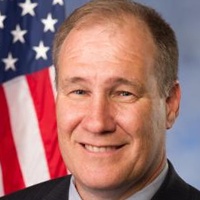
Trent Kelly
Representative
MS
Trent Kelly
Representative
MS
The Forest Conservation Easement Program Act of 2025 establishes a new federal program to protect and restore private and Tribal forest lands through conservation easements. This program offers two types of easements—Forest Land and Forest Reserve—with federal cost-share assistance available to eligible entities and landowners, prioritizing working forests and species recovery. The Act also allocates $100 million annually for this new program from 2026 through 2030 while simultaneously repealing the existing Healthy Forests Reserve Program, ensuring existing contracts remain honored. Finally, Congress stipulates that the costs associated with implementing this Act must be offset by savings or new revenue.
This act mandates comprehensive reporting on immigration detentions, incidents of abuse, and facility oversight, while requiring advance notice for using non-traditional detention sites.
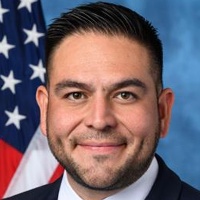
Gabriel (Gabe) Vasquez
Representative
NM
Gabriel (Gabe) Vasquez
Representative
NM
The Humane Accountability Act mandates increased transparency and reporting from immigration agencies regarding the detention and removal of noncitizens. It requires detailed, regular reports to Congress concerning detainee incidents, including abuse, deaths, and complaints. Furthermore, the bill establishes a notification process for using non-traditional detention sites and seeks recommendations to improve oversight and due process protections.
This Act establishes anti-retaliation protections for employees who report security vulnerabilities or violations related to artificial intelligence systems to government officials, Congress, or internally.
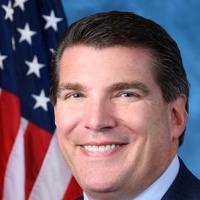
Jay Obernolte
Representative
CA
Jay Obernolte
Representative
CA
The AI Whistleblower Protection Act establishes clear definitions for AI-related security vulnerabilities and violations within the technology sector. This bill creates robust anti-retaliation protections for employees who report concerns about these issues to government officials, Congress, or internally. Individuals who face punishment for whistleblowing can file complaints with the Secretary of Labor or sue in federal court, with significant remedies available upon winning their case. Crucially, these protections cannot be waived by any employment contract or agreement.
This bill establishes a new Feral Swine Eradication and Control Program under the Food Security Act of 1985, authorizing funding and requiring federal agencies to coordinate with farmers and universities to manage and reduce damage caused by feral swine.
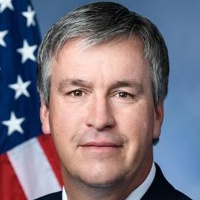
Barry Moore
Representative
AL
Barry Moore
Representative
AL
This bill establishes a new Feral Swine Eradication and Control Program under the Food Security Act of 1985 to combat the damage caused by wild pigs. The Secretary of Agriculture is required to study the damage, develop control and repair plans, and provide financial assistance to affected farmers, with federal cost-sharing capped at 75%. The program will be jointly managed by the NRCS and APHIS, utilizing university expertise and allocating $150 million over five fiscal years for implementation.
This Act reinstates and extends the ability for taxpayers to deduct personal casualty losses from unexpected events like crimes, scams, and disasters without previous limitations.
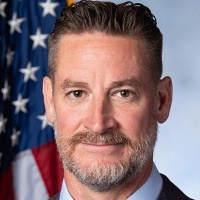
W. Steube
Representative
FL
W. Steube
Representative
FL
The Tax Relief for Victims of Crimes, Scams, and Disasters Act reinstates and removes limitations on the federal income tax deduction for personal casualty losses resulting from unexpected events like fires or floods. This legislation also extends the deadline for taxpayers to file claims for refunds related to these casualty loss deductions for past tax years. These changes apply to tax years beginning after December 31, 2017.
This Act amends budget control laws to reinforce Congress's exclusive power of the purse, clarify when funds can be withheld, and establish legal remedies, including private lawsuits, for improper impoundments.
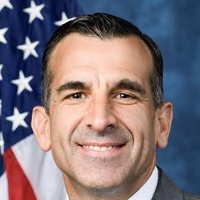
Sam Liccardo
Representative
CA
Sam Liccardo
Representative
CA
The Protecting Our Constitution and Communities Act aims to reassert Congress's exclusive constitutional authority over federal spending by clarifying that the President cannot unilaterally withhold appropriated funds. It strengthens the Comptroller General's oversight role and establishes new legal avenues for private citizens and governments to sue for damages if funds are improperly impounded. Furthermore, the bill tightens the definition of budgetary "contingencies" and ensures that judicial review of these spending disputes remains robust.
The Strong Communities Act of 2025 establishes a grant program for local law enforcement agencies to fund specialized training for officers and recruits who commit to serving in their local communities afterward.
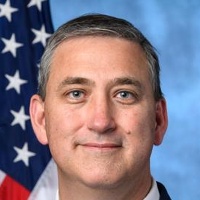
Nathaniel Moran
Representative
TX
Nathaniel Moran
Representative
TX
The Strong Communities Act of 2025 establishes a new grant program allowing the Attorney General to fund specialized law enforcement training for local officers and recruits. Recipients of this funding must commit to serving in their local community for at least four years following their training. The Act also mandates annual transparency reports to Congress detailing grant recipients, training plans, and the retention rates of officers who complete the funded programs.
This bill establishes the Federal Cyber Workforce Development Institute to create standardized, accessible training and certification for federal employees in cybersecurity roles.
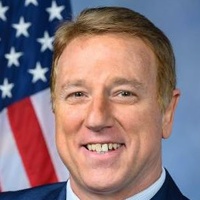
Patrick Fallon
Representative
TX
Patrick Fallon
Representative
TX
The Federal Cyber Workforce Training Act of 2025 mandates the creation of a Federal Cyber Workforce Development Institute to centralize and standardize cybersecurity training for federal employees. Led by the National Cyber Director, this Institute will develop modular, hands-on training aligned with the NICE framework for current and incoming cyber staff, including HR personnel. The resulting plan must detail curriculum, delivery methods, and necessary resources, though the Act itself does not authorize new appropriations.
This Act establishes competitive and secure procurement rules for the Department of Defense's acquisition of artificial intelligence, cloud computing, and data infrastructure, while strictly protecting government data used by contractors.
Patrick Fallon
Representative
TX
Patrick Fallon
Representative
TX
The Protecting AI and Cloud Competition in Defense Act of 2025 mandates that the Department of Defense prioritize competition, security, and interoperability when procuring Artificial Intelligence and cloud computing services. It establishes strict rules to prevent vendors from using government data to improve their commercial AI products without explicit authorization. Furthermore, the bill requires annual reporting to Congress on market competition, innovation barriers, and the use of any granted security exemptions.
The AGRITOURISM Act establishes a new Office of Agritourism within the USDA to promote and support farm-based tourism for rural economic growth.
Suhas Subramanyam
Representative
VA
Suhas Subramanyam
Representative
VA
The AGRITOURISM Act establishes a new Office of Agritourism within the Department of Agriculture, led by a dedicated Director. This office is tasked with promoting and supporting farm-based tourism activities across the nation. The goal is to boost rural economies by helping agricultural businesses diversify through educational, recreational, and direct-sale opportunities.
This resolution expresses the House's view that President Trump must immediately submit plans to Congress for accepting a jumbo jet gift from Qatar to comply with the Foreign Emoluments Clause.
Jamie Raskin
Representative
MD
Jamie Raskin
Representative
MD
This resolution expresses the sense of the House that President Trump must comply with the Foreign Emoluments Clause regarding a reported gift of a jumbo jet from Qatar. It calls on the President to immediately submit all plans for accepting this significant gift to Congress. The bill emphasizes that the Constitution requires Congressional consent before the President can accept valuable items from foreign governments.
The Racehorse Health and Safety Act of 2025 establishes a national organization to standardize and enforce science-based health, medication control, and racetrack safety rules across participating states.
Clay Higgins
Representative
LA
Clay Higgins
Representative
LA
The Racehorse Health and Safety Act of 2025 aims to standardize and nationalize racehorse health, medication control, and racetrack safety across state lines. It achieves this by establishing a new governing body, the Racehorse Health and Safety Organization (RHSO), tasked with creating science-based rules and maintaining a national safety database. The bill also mandates specialized scientific committees to develop breed-specific medication standards and establishes strict disciplinary processes for rule violations. Overall, this legislation centralizes oversight to improve industry-wide safety and integrity.
This Act mandates that websites and software applications used by covered entities must be accessible to people with disabilities and directs federal agencies to create and enforce specific digital accessibility standards.
Pete Sessions
Representative
TX
Pete Sessions
Representative
TX
The Websites and Software Applications Accessibility Act of 2025 clarifies that the Americans with Disabilities Act (ADA) requires all websites and applications used by covered entities to be accessible to people with disabilities. This legislation directs federal agencies to establish and regularly update specific digital accessibility standards for businesses, government entities, and employers. Ultimately, the Act aims to eliminate online discrimination by providing clear rules, technical assistance, and enforcement mechanisms, including the right for individuals to sue directly for non-compliance.
This bill mandates the establishment of facilities to rear and release sterile New World screwworm flies to combat agricultural threats, supported by mandatory reporting and funding.
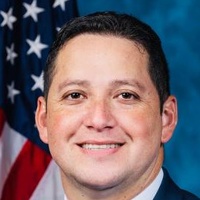
Ernest Gonzales
Representative
TX
Ernest Gonzales
Representative
TX
The STOP Screwworms Act mandates the establishment of facilities to rear and release sterile New World screwworm flies in high-risk areas to combat infestations. The Secretary of Agriculture must build these modular facilities within 180 days of enactment and provide annual public reports on the threat and control efforts. The bill authorizes up to $300 million to fund these necessary actions.
This bill reauthorizes and increases the funding for the Historic Preservation Fund through 2035.
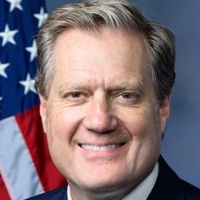
Michael Turner
Representative
OH
Michael Turner
Representative
OH
The Historic Preservation Fund Reauthorization Act extends the life of the Historic Preservation Fund through the year 2035. This legislation also increases the maximum annual funding available for the program from \$150 million to \$250 million. Essentially, this bill ensures continued and increased financial support for preserving historic sites across the nation.
This Act doubles the tax-free amount public safety officers can receive from government retirement plans to cover health and long-term care insurance premiums, increasing the exclusion from $3,000 to $6,000 starting in tax years after 2025.
Don Bacon
Representative
NE
Don Bacon
Representative
NE
The Public Safety Retirees Healthcare Protection Act of 2025 aims to increase the amount of tax-free income public safety officers can receive from their government retirement plans to cover healthcare costs. Specifically, this bill doubles the current annual exclusion limit from $\$3,000$ to $\$6,000$. This increased tax benefit will apply to distributions taken in tax years beginning after December 31, 2025.