Legislative Activity
Track Jefferson's sponsored bills, co-sponsored legislation, and voting record
This Act prohibits online platforms from displaying fraudulent paid advertisements if they accepted payment and failed to take reasonable steps to prevent them, while also establishing new enforcement mechanisms.
Daniel Meuser
Representative
PA
Daniel Meuser
Representative
PA
The Safeguarding Consumers from Advertising Misconduct Act (SCAM Act) holds online platforms accountable for displaying fraudulent or deceptive paid advertisements. It mandates that platforms implement strict advertiser verification procedures and actively detect and remove scam ads. This legislation establishes a private right of action for injured consumers and clarifies that existing Section 230 immunity does not apply to violations of this Act.
This Act establishes the United States-Israel Defense Technology Cooperation Initiative to accelerate joint research, development, and integration of defense technologies between the two nations.
Ronny Jackson
Representative
TX
Ronny Jackson
Representative
TX
This bill establishes the United States-Israel Defense Technology Cooperation Initiative to accelerate joint research, development, and integration of critical defense technologies. The initiative focuses on key areas like AI, missile defense, and counter-drone systems to enhance the security and technological edge of both nations. It mandates regular reporting to Congress on progress and authorizes funding for fiscal years 2027 through 2029.
This Act establishes a federal prohibition on weather modification, geoengineering, and stratospheric aerosol injection, along with penalties and reporting requirements for violations.
W. Steube
Representative
FL
W. Steube
Representative
FL
The Air Quality Act establishes a sweeping federal prohibition on weather modification, geoengineering, and stratospheric aerosol injection, with limited exceptions for laboratory research and fire suppression. This legislation imposes significant civil and criminal penalties for unauthorized activities that affect interstate commerce or occur within U.S. jurisdictions. Furthermore, the Act mandates public reporting systems managed by the FAA and EPA to track aircraft and investigate suspected violations. Finally, it repeals all existing federal authorities that currently authorize weather modification activities.
This Act prohibits the air transport of adult roosters, with an exemption for legitimate commercial agricultural purposes, to enhance aviation safety and combat illegal fighting operations.
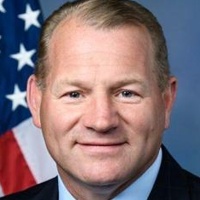
Troy Nehls
Representative
TX
Troy Nehls
Representative
TX
The No Flight, No Fight Act of 2026 restricts the air transportation of adult roosters to enhance aviation safety and combat illegal activities like cockfighting. The bill prohibits air carriers from knowingly transporting adult roosters as cargo, with an exemption for shipments related to certified commercial farms for legitimate agricultural purposes. Enforcement authority rests with the Secretary of Transportation, and violations are subject to civil penalties.
This bill establishes eligibility requirements for amateur athletic organizations based on biological sex, prohibiting individuals whose sex is male from competing in female-designated amateur athletic competitions.
W. Steube
Representative
FL
W. Steube
Representative
FL
This Act establishes specific definitions for "female," "male," and "sex" based on biological reproductive systems for amateur athletics. It mandates that organizations recognized by the U.S. Olympic & Paralympic Committee must prohibit individuals identified as male from competing in competitions designated for females. This aims to protect competitive opportunities specifically for biological females in amateur sports.
This bill mandates proof of U.S. citizenship for federal voter registration and requires photo identification showing citizenship status for voting in federal elections.
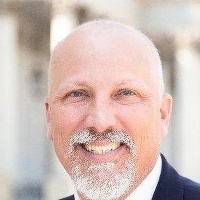
Chip Roy
Representative
TX
Chip Roy
Representative
TX
The Safeguard American Voter Eligibility Act (SAVE America Act) mandates that individuals must provide documentary proof of U.S. citizenship to register to vote in federal elections. It also establishes a federal requirement for voters to present a photo ID indicating U.S. citizenship when casting a ballot in federal elections. The bill outlines specific acceptable forms of proof and requires states to implement verification programs to ensure only citizens are registered and voting.
The Stop SCAMS Act establishes a government-wide strategy to counter scams and mandates key agencies to report on scam complaints and training effectiveness.
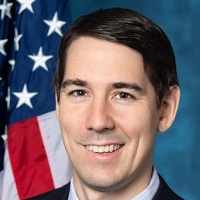
Josh Harder
Representative
CA
Josh Harder
Representative
CA
The Stop SCAMS Act establishes a comprehensive, government-wide strategy to combat fraud and manipulation. It mandates key agencies like the FBI, CFPB, and FTC to standardize scam definitions, improve data collection, and report annually on scam complaints and financial losses. This legislation aims to better track the scope of scams and measure the effectiveness of federal anti-fraud training efforts.
This act expands burial allowance eligibility for veterans who die at home while receiving VA hospice care immediately following VA or contracted hospital or nursing home care.
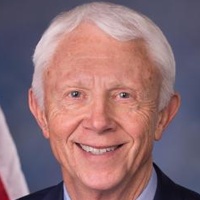
Jack Bergman
Representative
MI
Jack Bergman
Representative
MI
The Gerald's Law Act expands eligibility for a veteran's burial allowance. It now covers survivors whose veteran died at home while receiving VA hospice care, provided that care immediately followed a stay in a VA hospital or nursing home. This change ensures benefits for veterans transitioning from facility care to end-of-life care at home.
This act excludes certain retirement plan distributions from gross income when used for a down payment or closing costs on a principal residence for the account owner or an eligible relative between 2026 and 2030.
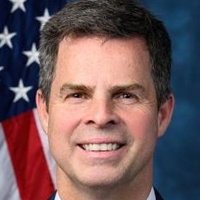
John McGuire
Representative
VA
John McGuire
Representative
VA
The Home Savings Act allows individuals to withdraw funds from certain retirement plans tax-free to use for a down payment or closing costs on a principal residence. This exclusion applies to distributions made between 2026 and 2030 for the account owner or an eligible relative. The bill amends the Internal Revenue Code to facilitate first-time home buying using existing retirement savings.
The PATH to Education Act establishes grants to improve public transit access for students attending community colleges, minority-serving institutions, Head Start programs, and other eligible schools.
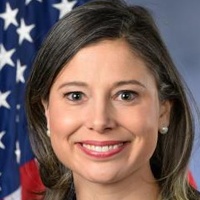
Maggie Goodlander
Representative
NH
Maggie Goodlander
Representative
NH
The PATH to Education Act establishes a new federal grant program to improve public transit access for students attending community colleges, technical schools, and Head Start programs. These grants will fund projects like adding new routes or increasing service frequency to better connect students with their educational institutions. Priority will be given to partnerships serving institutions with a high percentage of Pell Grant recipients.
This bill mandates Federal Reserve regulations to promote competition in credit card processing networks by requiring large issuers to allow merchants to choose between eligible networks for transaction routing.
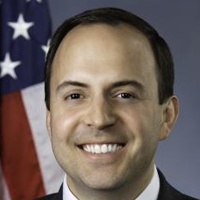
Lance Gooden
Representative
TX
Lance Gooden
Representative
TX
The Credit Card Competition Act of 2026 aims to increase competition in credit card processing by requiring large issuers and networks to allow merchants to choose which network processes their transactions. This legislation mandates new Federal Reserve Board regulations that prohibit restrictions preventing merchants from selecting an eligible processing network. The rules specifically target large card issuers and networks, while exempting certain three-party payment systems.
This bill delays the implementation of certain 2026 amendments to the hemp production provisions of the Agricultural Marketing Act of 1946 by extending the current delay period from one year to three years.
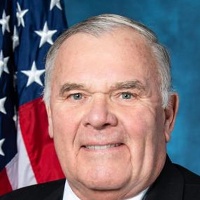
James Baird
Representative
IN
James Baird
Representative
IN
This bill, the Hemp Planting Predictability Act, seeks to amend the Agriculture Appropriations Act of 2026. Specifically, it delays the implementation of recent amendments affecting hemp production under the Agricultural Marketing Act of 1946. The delay for these changes is extended from one year to three years.
This bill establishes a special base pay system that increases the salaries of Bureau of Prisons correctional officers and certain hourly employees by 35 percent for a five-year period, subject to review.

Dan Goldman
Representative
NY
Dan Goldman
Representative
NY
The Federal Correctional Officer Paycheck Protection Act of 2026 establishes a special pay system to increase the base pay for Bureau of Prisons (BOP) correctional officers by 35 percent. This legislation also provides a similar 35 percent wage increase for certain hourly BOP employees involved in inmate custody. The new pay authority is set to expire after five years, unless the Department of Justice Inspector General reports measurable progress in reducing the use of non-custodial staff for officer duties and excessive overtime.
This bill modifies deposits into the Crime Victims Fund by excluding certain False Claims Act recoveries and mandates an Inspector General audit of the Fund's sustainability.
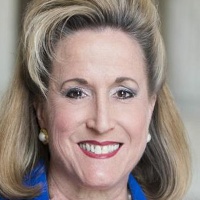
Ann Wagner
Representative
MO
Ann Wagner
Representative
MO
This bill amends the Victims of Crime Act of 1984 to temporarily exclude certain False Claims Act recoveries from being deposited into the Crime Victims Fund through fiscal year 2029. It also mandates a comprehensive audit by the Department of Justice Inspector General on the Fund's sustainability and the impact of recent legislative changes. The resulting report will provide recommendations for improving the Fund's effectiveness and oversight.
This bill reinstates the rule limiting the deduction of gambling losses to the amount of gambling gains for taxable years beginning after December 31, 2025.
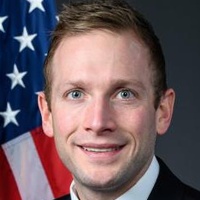
Max Miller
Representative
OH
Max Miller
Representative
OH
The FULL HOUSE Act aims to reinstate a specific rule for deducting gambling losses under the Internal Revenue Code. This change limits the deduction of wagering losses to the exact amount of a taxpayer's gambling winnings, preventing deductions for net losses. This provision is set to take effect for taxable years beginning after December 31, 2025.
The COURSE Credit Act mandates that the Department of Education collect and report data, and requires colleges to publish detailed information regarding their policies for awarding academic credit for Advanced Placement (AP) and International Baccalaureate (IB) exam scores.
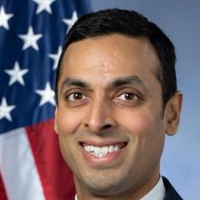
Suhas Subramanyam
Representative
VA
Suhas Subramanyam
Representative
VA
The COURSE Credit Act mandates that the Department of Education collect and report data on how colleges award credit for Advanced Placement (AP) and International Baccalaureate (IB) exams on the College Scorecard website. Furthermore, the bill requires participating colleges and universities to publicly post detailed information about their specific AP and IB credit policies on their websites. This aims to increase transparency regarding how these standardized exam scores translate into college credit.
This bill requires employers to prominently display a state-specific notice detailing veterans' benefits developed by the Departments of Labor and Veterans Affairs.
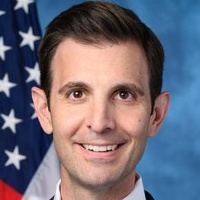
Chris Deluzio
Representative
PA
Chris Deluzio
Representative
PA
The Thomas M. Conway Veterans Access to Resources in the Workplace Act mandates that employers prominently display a state-specific notice detailing veterans' benefits. This notice, developed by the Departments of Labor and Veterans Affairs, will include critical resources like the Veterans Crisis Line. The goal is to ensure veterans in the workplace have easy access to vital federal and state benefit information.
This bill mandates presidential certification that offshore wind projects will not interfere with military readiness and requires a DOD Inspector General study on the impacts of such projects on national security systems.
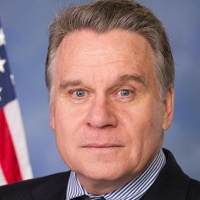
Christopher Smith
Representative
NJ
Christopher Smith
Representative
NJ
This act requires the President to certify that proposed offshore wind projects in the North Atlantic and Mid-Atlantic will not interfere with military readiness, radar, or sonar systems. If certification is impossible, the President must halt threatening projects. Furthermore, the DOD Inspector General must conduct a comprehensive study and report on the impact of these projects on military operations and existing review processes.
This act establishes federal criminal penalties for stealing packages delivered by private or commercial interstate carriers before the recipient takes possession.
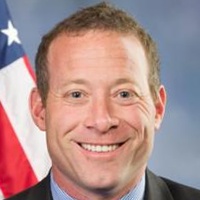
Josh Gottheimer
Representative
NJ
Josh Gottheimer
Representative
NJ
The Porch Pirates Act of 2025 establishes new federal criminal penalties for stealing or interfering with packages delivered by private or commercial carriers across state lines. This legislation asserts Congress's authority to extend protections against package theft to items shipped via services like FedEx or UPS, mirroring existing protections for the U.S. Postal Service. The bill specifically targets the theft of delivered packages before the recipient takes physical possession.
The Farmers to Families Act establishes grants and expands benefit usage to increase direct sales of local agricultural products to participants in federal nutrition assistance programs like WIC.
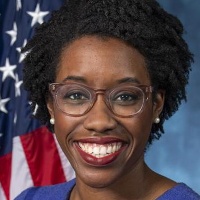
Lauren Underwood
Representative
IL
Lauren Underwood
Representative
IL
The Farmers to Families Act establishes a grant program to increase the purchase of local agricultural products by recipients of federal nutrition assistance programs like WIC. It expands where WIC and Senior Farmers Market Nutrition Program benefits can be used to include local food sources and requires the USDA to facilitate EBT access for these purchases. The Act also creates a Technical Assistance Center to help farmers and markets comply with new regulations and accept federal nutrition benefits.