The CHARGE Act of 2025 establishes a grant program to fund solar energy systems and energy storage technologies at Federally Qualified Health Centers.
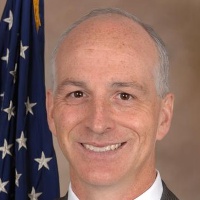
Adam Smith
Representative
WA-9
The CHARGE Act of 2025 establishes a grant program to fund the installation of solar energy systems and energy storage technologies at Federally Qualified Health Centers (FQHCs). This initiative aims to enhance the energy resilience of these vital community health providers. The program authorizes $50 million annually from 2026 through 2030 for qualifying projects.
CHARGE Act Puts $50M Annually Towards Solar & Storage for Health Centers
Ever wonder what happens to essential services like your local health clinic when the power goes out? Or how they keep their lights on and vital equipment running without breaking the bank? The CHARGE Act of 2025 steps in with a plan to tackle exactly these issues, setting up a grant program to get solar energy systems and energy storage technologies into Federally Qualified Health Centers (FQHCs) across the country.
Powering Up Community Health
At its core, this bill is all about making sure community health centers are resilient and can keep serving folks, even when the grid gets shaky. The Department of Energy, specifically through the Assistant Secretary for Energy Efficiency and Renewable Energy, will roll out this grant program within 180 days of the law kicking in. Think of it as a shot in the arm for energy independence and reliability for places that are often lifelines in their communities. These grants aren't just for installing new solar panels or battery storage; they can also cover technical assistance to help FQHCs figure out the best way to design, install, and run these systems. This means they're getting not just the gear, but also the know-how to make it work long-term.
Who Gets to Plug In?
So, who can actually get their hands on these funds? It's not just the health centers themselves. The bill, in Section 2, opens the door to a few different players. State and local governments can apply, as can the FQHCs directly. But it also includes nonprofit membership organizations (national, regional, or state-level) that represent FQHCs, and even provider consortiums or networks that are majority-owned or controlled by FQHCs. This broad eligibility means there are multiple avenues to get these critical energy upgrades implemented, whether it's a single clinic looking to go green or a larger network aiming to boost resilience across several locations. The main catch? Any grant money has to be used for a “qualifying project,” which means installing solar or energy storage, or getting that technical assistance we just talked about.
The Financial Spark
Now, for the numbers that make it all happen: the CHARGE Act authorizes a cool $50 million to be appropriated for this program every single year, from fiscal year 2026 all the way through 2030. That's a substantial investment over five years, specifically earmarked to help these health centers reduce their carbon footprint, lower their operating costs, and most importantly, ensure they can continue providing essential care when the lights go out for everyone else. For a small business owner or a family juggling rising utility bills, the idea of critical services having stable, predictable energy costs, and reliable power during emergencies, is a pretty big deal. This bill isn't just about solar panels; it's about making sure your local health center stays open and operational, come what may.