
Legislative Activity
Track Chris's sponsored bills, co-sponsored legislation, and voting record
This bill expands the definition of highly compensated individuals whose compensation is not tax-deductible for corporations, effective for tax years beginning after December 31, 2024.
John Reed
Senator
RI
John Reed
Senator
RI
This act updates tax law to broaden the definition of highly compensated individuals whose compensation is subject to deduction limits for corporations. It expands the scope beyond traditional employees to include anyone providing services to the company, as well as certain highly paid former officers. The goal is to prevent companies from deducting excessive executive pay from their taxable income.
This Act mandates detailed congressional review of federal agency workforce reduction plans by requiring agencies to provide comprehensive justifications for planned reductions in force.

Jeff Merkley
Senator
OR
Jeff Merkley
Senator
OR
The Reduction in Force Review Act enhances congressional oversight of federal agency workforce reductions. It mandates that agencies provide detailed justifications, including alternatives considered and impact assessments, when announcing a planned reduction in force (RIF). This ensures that significant workforce restructuring actions receive thorough review by Congress.
This bill bans the manufacture, sale, and transfer of specified semiautomatic assault weapons and large-capacity ammunition feeding devices while grandfathering existing possession and requiring background checks for future transfers of those grandfathered items.
Adam Schiff
Senator
CA
Adam Schiff
Senator
CA
The Assault Weapons Ban of 2025 comprehensively defines and bans the manufacture, sale, and transfer of specific semiautomatic assault weapons and large-capacity ammunition feeding devices. It grandfathers existing possessions but requires background checks for all future private transfers of these previously owned weapons. The bill also permits the use of federal Byrne grant funds for state-run buy-back programs targeting these banned items.
The Better CARE for Animals Act of 2025 strengthens the Animal Welfare Act by clarifying definitions, expanding enforcement powers for the Secretary of Agriculture and the Attorney General, imposing stricter penalties for violations, and ensuring seized animal care costs are covered.
Richard Blumenthal
Senator
CT
Richard Blumenthal
Senator
CT
The Better CARE for Animals Act of 2025 significantly strengthens the enforcement of the Animal Welfare Act by clarifying definitions and expanding inspection powers. It grants the Attorney General direct authority to sue violators, seek injunctions, and impose substantial daily civil penalties. Furthermore, the bill allows for the seizure of animals involved in violations and mandates that collected penalty funds be used to reimburse temporary animal care costs.
This act establishes a competitive grant program through the NSF to boost the participation and retention of women, people with disabilities, and underrepresented minorities in STEM fields.

Mazie Hirono
Senator
HI
Mazie Hirono
Senator
HI
The Women and Underrepresented Minorities in STEM Booster Act of 2025 establishes a new grant program administered by the National Science Foundation. This program is designed to increase the participation and retention of women, people with disabilities, and underrepresented minorities in science, technology, engineering, and math (STEM) fields. Eligible organizations can apply for competitive funding to support activities like mentoring, internships, and outreach programs aimed at these groups. Congress has authorized $15 million annually for this initiative from fiscal years 2026 through 2030.
This bill increases the maximum railroad track maintenance tax credit, adjusts future limits for inflation, and extends the eligibility period for claimed expenditures.

Michael Crapo
Senator
ID
Michael Crapo
Senator
ID
This bill modifies the railroad track maintenance credit by significantly increasing the maximum credit amount per mile from $\$3,500$ to $\$6,100$. It also updates the eligibility period for qualifying expenditures and mandates that the new credit limit will be adjusted for inflation starting in 2026. These changes are designed to provide greater financial support for ongoing railroad infrastructure upkeep.
This resolution formally demands that North Korea immediately release all abducted Japanese citizens, return remains, provide reparations, and apologize for past abductions.
Dan Sullivan
Senator
AK
Dan Sullivan
Senator
AK
This resolution formally condemns North Korea's decades-long abduction of Japanese citizens, emphasizing that these acts violate fundamental human rights. Congress urges North Korea to immediately release all foreign nationals, return the remains of those deceased, and provide reparations and an apology. Furthermore, it calls on the President to consistently raise these demands in all future engagements with North Korean officials.
This comprehensive bill establishes a universal, single-payer "Medicare for All" national health insurance program, eliminating most private insurance duplication while expanding benefits, eliminating most cost-sharing, and restructuring provider payments under a national budget.
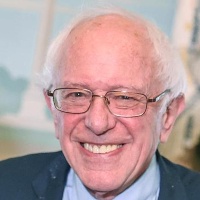
Bernard Sanders
Senator
VT
Bernard Sanders
Senator
VT
The Medicare for All Act establishes a comprehensive, universal national health insurance program to cover all U.S. residents, eliminating most private insurance duplication and nearly all out-of-pocket costs for covered services. The bill mandates extensive benefits, including long-term care, and institutes a strict National Health Budget to control overall spending through global payments for facilities and negotiated drug prices. It also includes a transition period that immediately enhances current Medicare by eliminating deductibles and adding dental, vision, and hearing benefits.
This act officially designates approximately 1.56 million acres of the Arctic National Wildlife Refuge as protected wilderness under the National Wilderness Preservation System.
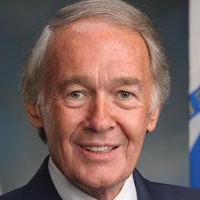
Edward Markey
Senator
MA
Edward Markey
Senator
MA
The Arctic Refuge Protection Act of 2025 officially designates approximately 1.56 million acres of Alaska's Arctic National Wildlife Refuge as protected wilderness. This action places the specified area under the strict protections of the National Wilderness Preservation System. This designation overrides conflicting regulations within the National Wildlife Refuge System.
The Equality Act comprehensively expands federal non-discrimination protections across public accommodations, employment, housing, credit, and jury service to explicitly include sexual orientation and gender identity.
Jeff Merkley
Senator
OR
Jeff Merkley
Senator
OR
The Equality Act comprehensively amends federal civil rights laws to explicitly prohibit discrimination based on sexual orientation and gender identity across key areas of American life. This legislation expands existing protections in public accommodations, employment, housing, credit access, and jury service. Its purpose is to ensure consistent and clear nationwide enforcement of non-discrimination principles for LGBTQ individuals and women.
This resolution designates April 2025 as "Second Chance Month" to raise awareness and encourage support for removing automatic barriers that prevent individuals with past convictions from successfully reentering society.

Amy Klobuchar
Senator
MN
Amy Klobuchar
Senator
MN
This resolution officially designates April 2025 as "Second Chance Month" to raise awareness about the automatic legal and social barriers preventing formerly incarcerated individuals from fully rejoining society. It highlights how these collateral consequences hinder employment, education, and housing opportunities, which ultimately increases recidivism. The bill encourages communities and employers to actively support successful reentry and recognize the efforts of those working to tear down these roadblocks.
This resolution officially designates the week of April 19 through April 27, 2025, as "National Park Week" to celebrate the history, value, and importance of the National Park System.
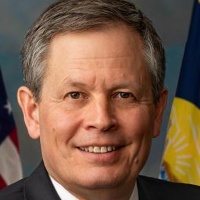
Steve Daines
Senator
MT
Steve Daines
Senator
MT
This resolution officially designates the week of April 19 through April 27, 2025, as "National Park Week." It recognizes the historical significance and vital mission of the National Park Service in preserving America's natural and cultural treasures. The bill encourages the public to visit, experience, and support these cherished sites during this designated week.
This resolution expresses Congressional support for library staff, recognizes the essential community services libraries provide, and defends the right to free access to information against censorship and threats.
Mazie Hirono
Senator
HI
Mazie Hirono
Senator
HI
This resolution expresses strong support for library staff across the United States and recognizes the essential, expanded community services libraries provide. It advocates for funding commensurate with these vital roles and defends the civil rights and intellectual freedom of library workers against censorship and threats. Ultimately, the resolution affirms the fundamental right of all citizens to freely access information and resources within their communities.
The SEER Act of 2025 reforms ethics enforcement by increasing transparency, clarifying conflict of interest rules, and creating a public database for special government employees.
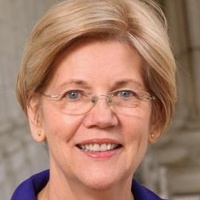
Elizabeth Warren
Senator
MA
Elizabeth Warren
Senator
MA
The SEER Act of 2025 aims to strengthen ethics enforcement and transparency for "special Government employees" (part-time or temporary federal workers). This bill clarifies conflict of interest rules, mandates public disclosure for certain financial waivers, and establishes a public database tracking these temporary employees. Ultimately, it seeks to close loopholes that allow some part-time workers to avoid the same financial scrutiny as full-time staff.
This resolution supports National Youth HIV/AIDS Awareness Day by advocating for comprehensive education, accessible, stigma-free care, and the removal of discriminatory laws affecting young people living with or at risk for HIV.
Richard Blumenthal
Senator
CT
Richard Blumenthal
Senator
CT
This resolution supports the goals of National Youth HIV/AIDS Awareness Day, highlighting the disproportionate impact of HIV on young people, particularly minority youth. It urges federal, state, and local entities to promote education, access to youth-friendly prevention and treatment services like PrEP, and the elimination of discriminatory laws. Ultimately, the bill advocates for comprehensive support systems and funding to reduce stigma and improve health outcomes for youth living with or at risk for HIV.
This bill significantly enhances the Child and Dependent Care Tax Credit by increasing the maximum claimable expenses, adjusting income-based credit percentages, and making the credit partially refundable.

Tina Smith
Senator
MN
Tina Smith
Senator
MN
The Child and Dependent Care Tax Credit Enhancement Act of 2025 significantly increases the maximum expenses eligible for the Child and Dependent Care Tax Credit to \$8,000 for one dependent and \$16,000 for two or more. This legislation also adjusts the credit calculation percentage based on income and makes the credit partially or fully refundable for eligible taxpayers. Furthermore, key income thresholds and expense limits will be indexed for inflation starting in 2026.
This act permanently bans oil and gas leasing for exploration, development, and production in the North Atlantic, Mid-Atlantic, South Atlantic, and Straits of Florida planning areas of the Outer Continental Shelf.
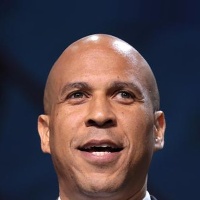
Cory Booker
Senator
NJ
Cory Booker
Senator
NJ
The COAST Anti-Drilling Act of 2025 permanently prohibits all new oil and gas leasing and development activities on the Outer Continental Shelf in the North Atlantic, Mid-Atlantic, South Atlantic, and Straits of Florida planning areas. This legislation ensures the protection of these key ocean regions from future drilling exploration.
This resolution supports designating Black Maternal Health Week to highlight the crisis of maternal mortality and morbidity among Black women and call for systemic investments to achieve health equity.
Cory Booker
Senator
NJ
Cory Booker
Senator
NJ
This resolution supports designating a week in April as Black Maternal Health Week to raise national awareness of the severe maternal health crisis facing Black women and birthing people in the U.S. It highlights that systemic racism and discrimination drive unacceptable disparities in maternal mortality and morbidity rates. The resolution calls for specific investments and policy changes, including expanded postpartum coverage and culturally competent care, guided by the voices of the affected community.
This Act makes the existing adoption tax credit fully refundable, allowing taxpayers to receive the benefit even if they owe no taxes, and standardizes the documentation required for claiming it.

Kevin Cramer
Senator
ND
Kevin Cramer
Senator
ND
The Adoption Tax Credit Refundability Act of 2025 makes the existing adoption tax credit fully refundable, allowing taxpayers to receive the benefit even if they owe no tax. This is achieved by relocating the credit within the tax code and updating related references. The bill also mandates the Treasury Department to issue regulations establishing a standardized third-party affidavit form for verifying adoption expenses. These changes will apply to tax years beginning after December 31, 2024.
This Act establishes an Advisory Council within HHS to identify, promote, and share best practices and resources for victims of gun violence.
Edward Markey
Senator
MA
Edward Markey
Senator
MA
The Resources for Victims of Gun Violence Act of 2025 establishes an Advisory Council within the Department of Health and Human Services to support victims of gun violence. This council will define key terms, assess the needs of victims and service providers, and identify best practices for support. Its primary goal is to share comprehensive information on available medical, financial, and mental health resources with the public and relevant government bodies. The council will operate for five years and is required to issue detailed reports on resource gaps and recommendations for improvement.