
Legislative Activity
Track Shri's sponsored bills, co-sponsored legislation, and voting record
The Medicare Dental, Vision, and Hearing Benefit Act of 2025 adds comprehensive dental, vision, and hearing care, including hearing aids, to Medicare coverage starting in 2026 while also mandating the inclusion of an oral health professional on the U.S. Preventive Services Task Force.

Lloyd Doggett
Representative
TX
Lloyd Doggett
Representative
TX
The Medicare Dental, Vision, and Hearing Benefit Act of 2025 significantly expands Medicare coverage to include comprehensive dental, vision, and hearing services starting in 2026. This legislation outlines specific payment schedules, frequency limits, and coverage percentages for routine exams, procedures, eyeglasses, contact lenses, and hearing aids. Furthermore, the bill mandates the inclusion of an oral health professional on the United States Preventive Services Task Force.
The HOME Investment Partnerships Reauthorization and Improvement Act of 2025 reauthorizes and reforms the HOME program through 2029, increases administrative funding, establishes a $2 billion federal loan guarantee program, and updates definitions and compliance rules for affordable housing development.

Joyce Beatty
Representative
OH
Joyce Beatty
Representative
OH
The HOME Investment Partnerships Reauthorization and Improvement Act of 2025 reauthorizes the HOME program for five years with increased funding levels and raises the cap on administrative expenses. It reforms affordability definitions, streamlines local eligibility requirements, and introduces a new federal loan guarantee program to finance local affordable housing projects. The bill also refines rules for Community Housing Development Organizations (CHDOs) and includes numerous technical corrections to modernize the underlying housing law.
Condemns House Republican leadership for allowing a xenophobic post questioning a Congressman's citizenship.
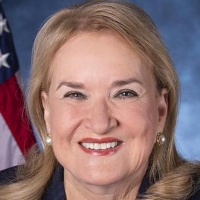
Sylvia Garcia
Representative
TX
Sylvia Garcia
Representative
TX
This bill condemns the House Republican Conference for a xenophobic social media post questioning Congressman Adriano Espaillat's immigration status and patriotism. It specifically condemns the House Republican leadership team for allowing the false statement that questioned Congressman Espaillat's citizenship.
This Act converts Transportation Security Administration (TSA) personnel to standard federal employment rules under Title 5, establishes transition protections, mandates workforce reviews, and addresses labor relations and employee safety.

Bennie Thompson
Representative
MS
Bennie Thompson
Representative
MS
The Rights for the Transportation Security Administration Workforce Act transitions TSA personnel to standard federal employment rules under Title 5 of the U.S. Code by a set date no later than December 31, 2025. This mandates the freezing of current personnel policies during the transition while protecting current employee pay and benefits. The bill also requires extensive reviews by the Comptroller General on hiring, diversity, and workplace safety, and mandates consultation with employee representatives regarding labor relations. Finally, it ensures that screening agents retain collective bargaining rights and addresses specific concerns for Federal Air Marshals.
This Act eliminates the waiting periods for Social Security disability benefits and Medicare coverage for individuals diagnosed with metastatic breast cancer.
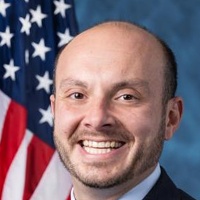
Andrew Garbarino
Representative
NY
Andrew Garbarino
Representative
NY
The Metastatic Breast Cancer Access to Care Act aims to improve support for individuals diagnosed with metastatic breast cancer. This bill eliminates the standard waiting period for receiving Social Security disability insurance benefits and waives the 24-month waiting period for Medicare coverage. These changes ensure immediate access to crucial financial and healthcare support upon diagnosis.
The American Housing and Economic Mobility Act of 2025 seeks to increase housing affordability and supply, address historical housing discrimination, reform estate taxes, and mandate greater accessibility in federally-funded housing.

Emanuel Cleaver
Representative
MO
Emanuel Cleaver
Representative
MO
The American Housing and Economic Mobility Act of 2025 is a comprehensive bill designed to increase housing affordability and address historical inequities. It achieves this by incentivizing local zoning reform, dramatically increasing funding for housing infrastructure, and restricting the sale of foreclosed properties to speculative investors. Furthermore, the Act establishes new assistance programs for first-time, first-generation homebuyers and overhauls the Community Reinvestment Act to mandate equitable bank lending. Finally, the bill includes significant reforms to the federal estate and gift tax structure, alongside measures to strengthen fair housing protections and increase accessibility in federally-assisted housing.
The Stop Comstock Act streamlines federal statutes by removing outdated and redundant language concerning "indecent" or "immoral" materials, focusing legal definitions on "obscene materials."

Becca Balint
Representative
VT
Becca Balint
Representative
VT
The Stop Comstock Act aims to modernize and streamline federal statutes concerning obscene materials. It revises several sections of federal law, including those related to crimes, transportation, and importation, by removing outdated or redundant language like "indecent" or "immoral." This legislative cleanup focuses the legal definitions to center specifically on "obscene materials."
The Caring for Survivors Act of 2025 increases dependency and indemnity compensation for surviving spouses and lowers the required period of total disability rating before death for survivors to qualify for certain benefits.

Jahana Hayes
Representative
CT
Jahana Hayes
Representative
CT
The Caring for Survivors Act of 2025 aims to increase financial support for surviving spouses of veterans. This bill raises the monthly Dependency and Indemnity Compensation (DIC) payment rate for surviving spouses. Additionally, it lowers the required duration of total disability rating before death from ten years to five years for survivors to qualify for certain DIC benefits. If the disability period was between five and ten years, the benefit amount will be proportionally adjusted.
This Act establishes a statutory right to access Assisted Reproductive Technology (ART) services and prohibits overly burdensome state or local regulations that interfere with that access.
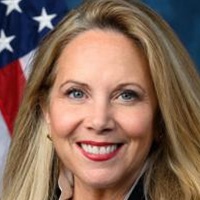
Laura Gillen
Representative
NY
Laura Gillen
Representative
NY
The Access to Family Building Act aims to guarantee that patients can access Assisted Reproductive Technology (ART) services and that healthcare providers can offer them without unreasonable interference. This legislation preempts state and local laws that impose burdens on ART services not required for similar medical procedures or that hinder access without improving safety. The Act establishes the right to access ART and provides robust legal avenues for individuals, providers, and the government to challenge and strike down restrictive regulations.
The REDI Act allows medical and dental interns and residents to defer both principal and interest payments on their student loans while in training.

Brian Babin
Representative
TX
Brian Babin
Representative
TX
The Resident Education Deferred Interest (REDI) Act amends federal student loan regulations to provide a specific deferment for medical and dental residents. This allows borrowers currently serving in an internship or residency program to pause principal payments and prevent interest accrual on their student loans during that training period.
This bill grants immediate unemployment compensation eligibility to essential federal workers and servicemembers required to work during a government funding lapse.

Debbie Dingell
Representative
MI
Debbie Dingell
Representative
MI
The Pay Federal Workers and Servicemembers Act ensures that essential federal civilian and military personnel required to work during a government shutdown are immediately eligible for unemployment compensation. This provision treats these "excepted" employees as if they were separated from their jobs solely for the purpose of accessing benefits without any waiting period. This change applies to funding lapses beginning on or after March 14, 2025.
This act automatically appropriates necessary funds to ensure the Supplemental Nutrition Assistance Program (SNAP) continues operating for the first 90 days of any fiscal year lapse in appropriations.

Emilia Sykes
Representative
OH
Emilia Sykes
Representative
OH
The Feed Our Families Act of 2025 ensures the continuity of the Supplemental Nutrition Assistance Program (SNAP) during the initial phase of a government shutdown. This bill automatically reserves necessary funding to operate SNAP for the first 90 days following a lapse in appropriations at the start of a fiscal year. These funds are held in reserve and released only as needed to maintain essential program services.
This Act establishes a Department of Veterans Affairs program to furnish eligible veterans with U.S.-made, secure firearm storage lockboxes or vouchers, alongside educational materials promoting suicide prevention.

Chris Deluzio
Representative
PA
Chris Deluzio
Representative
PA
The Saving Our Veterans Lives Act of 2025 establishes a new Department of Veterans Affairs (VA) program to provide eligible veterans and former service members with secure, U.S.-made firearm storage lockboxes or vouchers. This initiative aims to promote safe firearm storage as a suicide prevention measure through distribution and public awareness campaigns. The law explicitly states that participation will not affect an individual's legal right to own firearms or require any form of firearm registration.
This Act resets the probationary period for certain federal employees unfairly separated between January 20, 2025, and January 20, 2029, by crediting them for time already served.

Sarah Elfreth
Representative
MD
Sarah Elfreth
Representative
MD
The Protect Our Probationary Employees Act resets the probationary period for certain federal employees who were involuntarily separated between January 20, 2025, and January 20, 2029. If these employees are rehired into a similar role at the same agency, their new probationary period will be reduced by the time they already served previously. This provision is temporary and will expire on January 20, 2029.
The American Teacher Act establishes federal grants to incentivize states to set a minimum annual teacher salary of $60,000 and provide inflation adjustments for teacher pay.

Frederica Wilson
Representative
FL
Frederica Wilson
Representative
FL
The American Teacher Act aims to address critical teacher shortages by establishing federal grants to help states raise the minimum annual salary for full-time teachers to \$60,000, adjusted for inflation. States must submit sustainability plans to ensure these minimums continue after the initial four-year grant period ends. The bill also provides funds for cost-of-living adjustments and a national campaign to enhance the value and diversity of the teaching profession.
The "Children’s Health Insurance Program Permanency Act" permanently extends funding and support for key children's health programs, including CHIP, and allows states to expand Medicaid and CHIP eligibility.

Nanette Barragán
Representative
CA
Nanette Barragán
Representative
CA
The Children's Health Insurance Program Permanency Act (CHIPP Act) permanently extends funding for the Children's Health Insurance Program (CHIP) and other related programs. It also makes permanent several programs and demonstration projects under the Social Security Act, such as the Pediatric Quality Measures Program and the Express Lane Eligibility Option. Additionally, the act provides states with the option to increase children's eligibility for Medicaid and CHIP by allowing them to cover children whose family income exceeds the state's current maximum income level.
The "Delphi Retirees Pension Restoration Act" restores full pension benefits to eligible Delphi retirees and beneficiaries, compensating for past underpayments with interest, using existing funds and allowing for favorable tax treatment of lump-sum payments.

Victoria Spartz
Representative
IN
Victoria Spartz
Representative
IN
The Delphi Retirees Pension Restoration Act aims to restore the full pension benefits to eligible participants and beneficiaries under specific terminated pension plans, such as the Delphi Hourly-Rate Employees Pension Plan. It mandates the recalculation of benefits to match the full vested plan benefit, provides for lump-sum payments to cover past underpayments with interest, and funds these increased benefits through existing resources. The bill also includes provisions for the tax treatment of these payments, allowing recipients to spread the income over three years.
The "Protect Social Security and Medicare Act" mandates a supermajority vote in Congress to pass any legislation that cuts Social Security or Medicare benefits, ensuring these programs are more difficult to reduce.
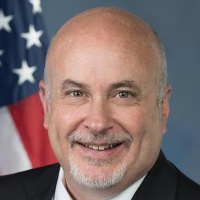
Mark Pocan
Representative
WI
Mark Pocan
Representative
WI
The "Protect Social Security and Medicare Act" mandates a supermajority vote in Congress to pass any legislation that cuts benefits managed by the Social Security Administration or the Centers for Medicare and Medicaid Services. This requirement aims to safeguard Social Security and Medicare benefits from being easily reduced. An exception is provided for Medicare Advantage plan payment reductions if offset by equal or greater increases in other Medicare benefits. The Social Security Administration's Chief Actuary Office is designated as the sole authority to determine if a proposed bill would reduce Social Security benefits.
The "Mamas and Babies in Underserved Communities Act of 2025" aims to improve maternal healthcare and reduce disparities in underserved communities by providing grants to healthcare providers for expanded and enhanced services.

Maxine Waters
Representative
CA
Maxine Waters
Representative
CA
The "Mamas and Babies in Underserved Communities Act of 2025" aims to improve maternal health outcomes and reduce disparities in underserved communities by providing grants to healthcare providers. These grants will support the expansion and enhancement of maternal health services, including prenatal, postnatal care for infants, and postpartum care for mothers. Priority is given to entities serving minority, low-income, or medically underserved areas, particularly those led by community members. The act allocates necessary funds from 2026 to 2030 to facilitate these improvements.
The HERO Act establishes a national data system for tracking public safety officer suicides, funds peer-support mental health programs for fire and EMS personnel, supports wellness programs for healthcare providers, and develops educational resources and best practices for treating first responder mental health issues.
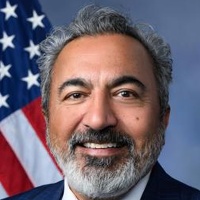
Ami Bera
Representative
CA
Ami Bera
Representative
CA
The HERO Act establishes a national system to track suicides among public safety officers to better understand prevention needs. It also creates grant programs to fund peer-support and wellness programs for fire, EMS, and healthcare workers. Finally, the bill mandates the development of educational resources to improve mental health treatment for first responders dealing with trauma and PTSD.