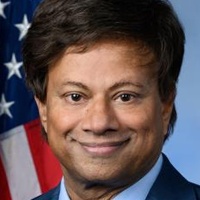
Legislative Activity
Track Shri's sponsored bills, co-sponsored legislation, and voting record
The Community Parks Revitalization Act establishes federal grant programs and secured loan mechanisms to fund local improvements to urban parks and recreation infrastructure, aiming to boost public health and community safety.
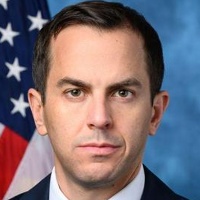
Robert Menendez
Representative
NJ
Robert Menendez
Representative
NJ
The Community Parks Revitalization Act establishes a competitive grant program through HUD to fund local park improvements focused on public health and youth safety. It also creates a mechanism for secured loans and guarantees to attract private investment for larger park and recreation infrastructure projects. The bill aims to enhance community spaces through targeted federal investment and private financing.
This bill penalizes companies that move call center jobs overseas while requiring transparency about agent location and AI use during customer service communications.
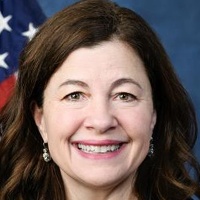
Kristen McDonald Rivet
Representative
MI
Kristen McDonald Rivet
Representative
MI
The Keep Call Centers in America Act of 2025 aims to incentivize keeping customer service jobs in the U.S. by penalizing companies that move call centers overseas with loss of federal grants and contracts. The bill also mandates transparency, requiring businesses to disclose an agent's physical location or the use of AI during customer service communications. Furthermore, it ensures that all call center work performed under a federal contract must be completed within the United States.
This Act prohibits grocery stores from price gouging, using personal surveillance data to set individualized prices, and mandates disclosure of facial recognition use, while banning electronic shelf labels in larger stores.
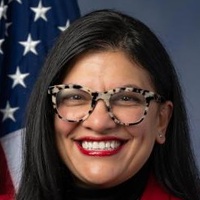
Rashida Tlaib
Representative
MI
Rashida Tlaib
Representative
MI
The Stop Price Gouging in Grocery Stores Act of 2025 aims to protect consumers by prohibiting grocery stores from charging "grossly excessive" prices for food items. The bill also bans stores from adjusting prices based on personal tracking data, such as facial recognition, and requires clear signage if facial recognition technology is used. Furthermore, it mandates that large physical grocery stores must use printed signs instead of electronic shelf labels for displaying prices.
The Keep Seniors Fed Act amends the Food and Nutrition Act of 2008 to include Title II Social Security payments when calculating eligibility for food assistance benefits.
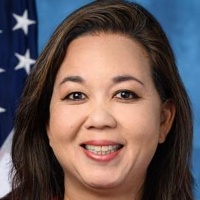
Jill Tokuda
Representative
HI
Jill Tokuda
Representative
HI
The Keep Seniors Fed Act makes technical amendments to the Food and Nutrition Act of 2008 regarding how income is calculated for food assistance eligibility. Specifically, it mandates that income received under Title II of the Social Security Act must now be counted when determining eligibility for benefits. These changes will take effect 90 days after the bill is signed into law.
This bill extends the federal regulations governing High Occupancy Vehicle (HOV) facilities from September 30, 2025, to September 30, 2031.
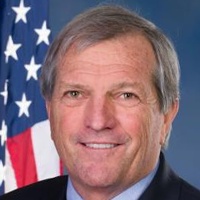
Mark DeSaulnier
Representative
CA
Mark DeSaulnier
Representative
CA
The High Occupancy Vehicle Lane Exemption Reauthorization Act extends the federal regulations governing High Occupancy Vehicle (HOV) facilities. Specifically, this bill pushes back the expiration date for these existing HOV facility rules from September 30, 2025, to September 30, 2031. This ensures the current federal guidelines remain in effect for an additional six years.
This bill changes how Social Security cost-of-living adjustments are calculated using a new index for the elderly and modifies contribution rules to tax some earnings above the current base limit while potentially increasing future benefits.
Jill Tokuda
Representative
HI
Jill Tokuda
Representative
HI
The Protecting and Preserving Social Security Act aims to strengthen the Social Security system through two main avenues. Title I mandates the creation of a new Consumer Price Index for Elderly Consumers to be used for calculating future cost-of-living adjustments (COLAs). Title II modifies contribution rules by counting a small portion of wages and self-employment income earned above the current base limit after 2025, and it adjusts the benefit formula to potentially increase benefits based on these surplus earnings. These changes are designed to ensure COLAs more accurately reflect senior spending and to increase revenue for the system.
This bill establishes a competitive grant program to fund the creation and operation of pet-friendly interim and permanent housing for unhoused individuals, ensuring access to necessary supportive and veterinary care for both people and their companion animals.
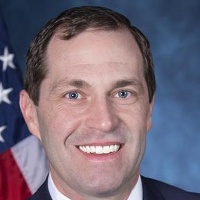
Jason Crow
Representative
CO
Jason Crow
Representative
CO
The Providing for Unhoused People and Pets Act of 2025 (PUPP Act) establishes a grant program to fund the creation and upgrading of interim and permanent housing that accommodates unhoused individuals along with their pets. Managed jointly by the Secretaries of Agriculture and HUD, these grants support construction, renovation, and essential pet-related operating costs. Grantees must ensure housing provides necessary supportive services for occupants and basic veterinary care for their companion animals.
The Election Mail Act mandates same-day processing for incoming absentee ballots, requires intelligent mail barcodes on federal election mail, establishes delivery standards and free postage for completed ballots, and sets a national seven-day grace period for accepting postmarked federal mail-in ballots after Election Day.
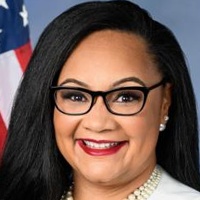
Nikema Williams
Representative
GA
Nikema Williams
Representative
GA
The Election Mail Act aims to ensure the timely and secure delivery of federal election mail through the U.S. Postal Service. It mandates same-day processing of received absentee ballots and requires the use of intelligent mail barcodes for tracking mailed ballots starting in 2026. Furthermore, the bill establishes protections against operational changes that would slow election mail delivery and sets a national standard to count mail-in ballots postmarked by Election Day if received within seven days after the election.
This bill establishes grants for local election offices to procure and maintain electronic pollbooks and develop systems for reporting real-time voter wait times for federal elections.
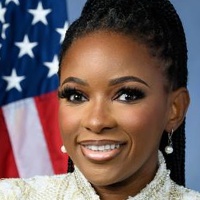
Jasmine Crockett
Representative
TX
Jasmine Crockett
Representative
TX
The SWIFT VOTE Act establishes a \$120 million grant program through the Election Assistance Commission (EAC) to help local election offices procure and maintain electronic pollbooks (e-pollbooks). These funds prioritize offices that commit to using the technology to track and publicly report voter wait times for federal elections. Grantees must ensure e-pollbooks meet certification standards and develop training programs focused on accessible technology use.
This act mandates that the Department of Veterans Affairs must provide abortion care, counseling, and related services and medication to eligible veterans and certain other individuals.
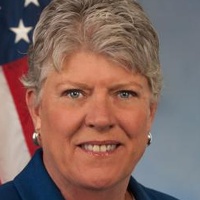
Julia Brownley
Representative
CA
Julia Brownley
Representative
CA
The Reproductive Freedom for Veterans Act mandates that the Department of Veterans Affairs (VA) must now provide abortion care, counseling, and related medication as part of the medical services offered to eligible veterans and certain other beneficiaries. This legislation formally amends existing VA health care provisions to include these reproductive health services.
The Ending Homelessness Act of 2025 expands housing vouchers into an entitlement program, prohibits source-of-income discrimination, and provides dedicated funding streams to address unmet needs and align health and housing services.
Maxine Waters
Representative
CA
Maxine Waters
Representative
CA
The Ending Homelessness Act of 2025 aims to significantly reduce homelessness by making housing choice vouchers an entitlement program starting in 2029 and immediately expanding the voucher supply for extremely low-income families. The bill also prohibits housing discrimination based on source of income and establishes new, dedicated funding streams for emergency relief and supportive services under the McKinney-Vento Act. Finally, it repeals certain ineligibility criteria for housing assistance and sets priorities for funding based on local policies that encourage affordable housing and decriminalize homelessness.
The House of Representatives expresses its strong opposition to any presidential pardon or clemency for Ghislaine Maxwell, affirming her conviction for sex trafficking and abuse.
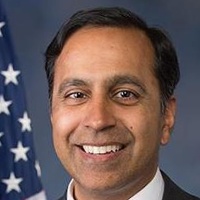
Raja Krishnamoorthi
Representative
IL
Raja Krishnamoorthi
Representative
IL
This House resolution expresses the strong sense of Congress opposing any pardon, commutation, or clemency for Ghislaine Maxwell. It affirms her conviction for sex trafficking and emphasizes that her continued imprisonment is necessary for justice for the survivors. The resolution serves as a formal condemnation of her heinous crimes and stands firmly with the victims.
This Act mandates that the U.S. government's annual human rights reports abroad must include detailed findings on the status of reproductive rights, aligning U.S. foreign policy with international human rights standards.
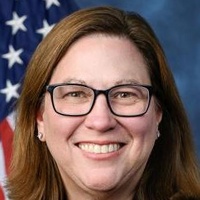
Julie Johnson
Representative
TX
Julie Johnson
Representative
TX
The Reproductive Rights are Human Rights Act of 2025 establishes that reproductive rights are fundamental human rights based on international commitments. This bill mandates that the State Department must include a detailed, required section on the status of reproductive rights in every country within its annual human rights reports. These reports must cover access to contraception, abortion services, and instances of reproductive coercion or discrimination against marginalized groups. The Act aims to ensure robust U.S. monitoring and accountability regarding global reproductive health and autonomy.
The Warehouse Worker Protection Act establishes new federal standards for large employers regarding performance quotas, mandatory paid breaks, data transparency, and workplace safety, while strengthening NLRA protections against retaliatory metrics.
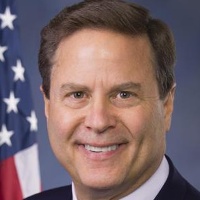
Donald Norcross
Representative
NJ
Donald Norcross
Representative
NJ
The Warehouse Worker Protection Act establishes new federal standards to increase transparency and fairness for warehouse workers at large companies by mandating disclosure of performance quotas and monitoring data. It guarantees mandatory paid rest breaks, strengthens protections against using quotas to suppress organizing efforts, and introduces new federal ergonomics and safety standards under OSHA. The bill creates a new Department of Labor office to enforce these provisions and invalidates mandatory pre-dispute arbitration for related claims.
This Act prohibits deceptive communications and voter intimidation related to federal elections, establishes penalties for spreading false voting information (including AI-generated content), and empowers the Attorney General to issue public corrections.
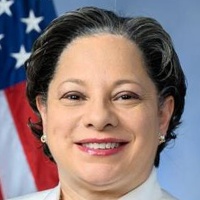
Jennifer McClellan
Representative
VA
Jennifer McClellan
Representative
VA
The Deceptive Practices and Voter Intimidation Prevention Act of 2025 establishes federal prohibitions and penalties against knowingly spreading materially false information intended to suppress voting in federal elections, including the use of AI-generated content within 60 days of an election. The bill also criminalizes intimidating election workers involved in ballot tabulation and certification processes. Furthermore, it authorizes the Attorney General to issue public corrections to widespread false voting information and requires detailed reporting on election interference allegations.
This Act mandates the distribution of voter registration information to individuals receiving federal rental assistance or applying for residential mortgages.
Nikema Williams
Representative
GA
Nikema Williams
Representative
GA
The Voters on the Move Registration Act of 2025 mandates that standardized, multilingual voter registration information be provided to individuals applying for certain federally assisted rental housing or residential mortgages. This ensures that tenants and mortgage applicants receive clear instructions on how to register to vote. The Bureau of Consumer Financial Protection is tasked with creating this uniform voter information statement. This requirement focuses solely on providing information, not compelling voter registration.
The People Over Long Lines Act mandates a maximum 30-minute wait time for federal elections, requires states to submit plans to ensure fair resource allocation, and establishes funding to prevent unreasonable voter delays.
Nikema Williams
Representative
GA
Nikema Williams
Representative
GA
The People Over Long Lines Act (POLL Act) aims to protect the fundamental right to vote by establishing a national standard that no eligible citizen should wait more than 30 minutes to cast a ballot in a federal election. To achieve this, the bill mandates that states submit plans detailing how they will ensure fair wait times and requires the Attorney General to set minimum standards for voting resources like poll workers and equipment. Furthermore, the Act authorizes federal funding to help states comply and creates a private right of action allowing citizens to sue over excessive wait times.
The Youth Voting Rights Act establishes new federal protections and requirements to expand and enforce voting access for young citizens, including pre-registration for 16- and 17-year-olds, mandatory on-campus polling places, and validation of student IDs.
Nikema Williams
Representative
GA
Nikema Williams
Representative
GA
The Youth Voting Rights Act aims to strengthen voting access for young Americans by enforcing the 26th Amendment. This bill mandates that public colleges facilitate voter registration, allows 16- and 17-year-olds to pre-register for federal elections, and requires on-campus polling locations. It also establishes grants to encourage youth civic engagement and strengthens protections against age-based barriers in voting, including ID rules and absentee voting.
This act mandates that employers provide employees with at least two hours of paid leave to vote in federal elections, with the employer determining the specific time the leave is taken.
Nikema Williams
Representative
GA
Nikema Williams
Representative
GA
The Time Off to Vote Act mandates that employers provide employees with at least two consecutive hours of paid leave to vote in federal elections. Employers retain control over when this paid leave is taken, which can include early voting periods if permitted by state law. This Act prohibits employers from penalizing employees for utilizing this required voting leave.
The CHALLENGES Act establishes strict requirements and penalties to prevent individuals from submitting dishonest or unsupported challenges to registered voters' eligibility.
Nikema Williams
Representative
GA
Nikema Williams
Representative
GA
The CHALLENGES Act aims to protect election integrity by establishing strict new requirements to prevent dishonest or bad-faith challenges to registered voters' eligibility. It mandates that individuals challenging a voter's status must provide specific, firsthand evidence and swear under oath, while also imposing criminal penalties for knowingly submitting false challenges. Furthermore, the bill requires online challenge systems to reject anonymous submissions and clearly state the prohibition against bad-faith filings.