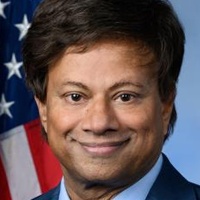
Legislative Activity
Track Shri's sponsored bills, co-sponsored legislation, and voting record
This bill updates voting rights requirements by expanding language assistance definitions, creating incentive grants for voluntary translation services, and mandating a study on lowering language assistance thresholds.
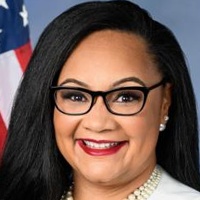
Nikema Williams
Representative
GA
Nikema Williams
Representative
GA
The Expanding the VOTE Act updates language assistance requirements under the Voting Rights Act by modernizing the definition of "voting materials" to include digital information. It also establishes new state responsibilities for providing language assistance and creates a grant program to incentivize voluntary language support beyond current mandates. Furthermore, the bill includes special provisions for unwritten American Indian and Alaska Native languages and mandates a study on lowering thresholds for language assistance coverage.
This Act mandates the distribution of voter registration information to individuals receiving federal rental assistance or applying for residential mortgages.
Nikema Williams
Representative
GA
Nikema Williams
Representative
GA
The Voters on the Move Registration Act of 2025 mandates that standardized, multilingual voter registration information be provided to individuals applying for certain federally assisted rental housing or residential mortgages. This ensures that tenants and mortgage applicants receive clear instructions on how to register to vote. The Bureau of Consumer Financial Protection is tasked with creating this uniform voter information statement. This requirement focuses solely on providing information, not compelling voter registration.
This act mandates that employers provide employees with at least two hours of paid leave to vote in federal elections, with the employer determining the specific time the leave is taken.
Nikema Williams
Representative
GA
Nikema Williams
Representative
GA
The Time Off to Vote Act mandates that employers provide employees with at least two consecutive hours of paid leave to vote in federal elections. Employers retain control over when this paid leave is taken, which can include early voting periods if permitted by state law. This Act prohibits employers from penalizing employees for utilizing this required voting leave.
The Warehouse Worker Protection Act establishes new federal standards for large employers regarding performance quotas, mandatory paid breaks, data transparency, and workplace safety, while strengthening NLRA protections against retaliatory metrics.
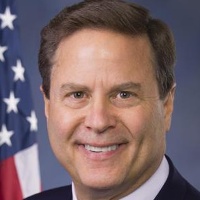
Donald Norcross
Representative
NJ
Donald Norcross
Representative
NJ
The Warehouse Worker Protection Act establishes new federal standards to increase transparency and fairness for warehouse workers at large companies by mandating disclosure of performance quotas and monitoring data. It guarantees mandatory paid rest breaks, strengthens protections against using quotas to suppress organizing efforts, and introduces new federal ergonomics and safety standards under OSHA. The bill creates a new Department of Labor office to enforce these provisions and invalidates mandatory pre-dispute arbitration for related claims.
The DEAL Act of 2025 mandates a report investigating government settlements exceeding \$1 million with law firms whose legal engagements appear linked to the withdrawal or non-enforcement of regulatory actions against those firms between February 1 and April 30, 2025.
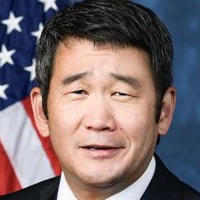
Dave Min
Representative
CA
Dave Min
Representative
CA
The DEAL Act of 2025 mandates the Comptroller General to investigate specific large-value settlements or agreements between the Executive Branch and certain law firms occurring between February 1 and April 30, 2025. This report will determine if these arrangements—where legal services were provided concerning Executive Branch priorities—violated existing federal financial rules. The focus is on high-value legal engagements potentially linked to the government easing enforcement actions against those firms.
This bill repeals specific prior health reconciliation provisions and expands eligibility for the Premium Tax Credit by removing the 400% income cap and adjusting the subsidy calculation formula.
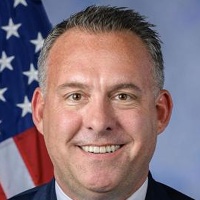
Adam Gray
Representative
CA
Adam Gray
Representative
CA
The Protecting Health Care and Lowering Costs Act of 2025 repeals specific prior reconciliation health provisions. This bill significantly expands eligibility for the Premium Tax Credit by eliminating the 400% Federal Poverty Level income cap. It also updates the subsidy calculation formula to ensure a smoother, linear adjustment of assistance across various income levels.
The CLEAR ID Act mandates that Department of Homeland Security immigration enforcement officers clearly display identification during operations, with limited exceptions for medical necessity or approved undercover work.

Jasmine Crockett
Representative
TX
Jasmine Crockett
Representative
TX
The CLEAR ID Act aims to combat crimes committed by individuals impersonating immigration enforcement officers by establishing strict identification requirements for federal immigration enforcement actions. This bill mandates that officers clearly display identification, wear visible agency insignia, and refrain from facial coverings during operations funded by the Department of Homeland Security (DHS). These rules are designed to protect the public and maintain trust in legitimate law enforcement.
The LOAN Act significantly expands Pell Grants, eliminates loan fees, restructures repayment and forgiveness for federal loans, stops interest capitalization, and ties future federal loan interest rates to Treasury yields while creating refinancing options.
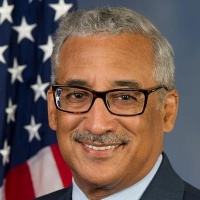
Robert Scott
Representative
VA
Robert Scott
Representative
VA
The LOAN Act significantly overhauls federal student aid by dramatically expanding Pell Grants, making higher education more accessible through increased funding and eligibility pathways. It also restructures federal student loans by eliminating origination fees, introducing new income-driven repayment plans, and stopping interest capitalization to reduce borrower debt. Furthermore, the bill establishes new fixed interest rate formulas for future loans and creates refinancing options for both existing federal and private student loans. Overall, the legislation aims to lower the cost of college and ease the burden of repayment for millions of borrowers.
This act authorizes $50 million annually from 2026 through 2031 for the CDC to conduct research on firearms safety and gun violence prevention.
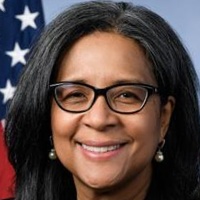
Marilyn Strickland
Representative
WA
Marilyn Strickland
Representative
WA
The Gun Violence Prevention Research Act of 2025 authorizes $50 million annually for the Centers for Disease Control and Prevention (CDC) to conduct or support research on firearms safety and gun violence prevention. This dedicated funding is authorized for each fiscal year from 2026 through 2031. This new allocation is separate from and in addition to any existing CDC research funding.
This act restores previous state Medicaid provider tax rules by repealing Section 71115 of Public Law 11921.
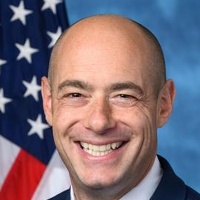
Greg Landsman
Representative
OH
Greg Landsman
Representative
OH
The Protect Our Hospitals Act aims to restore previous regulations concerning Medicaid provider taxes by repealing a specific section of Public Law 11921. This action effectively nullifies recent changes, returning the rules governing how states tax Medicaid providers to their original status.
This act repeals the prohibition on Medicaid payments to certain healthcare entities and mandates retroactive payment for services already rendered under the repealed ban.
Laura Friedman
Representative
CA
Laura Friedman
Representative
CA
The Restoring Essential Healthcare Act repeals an outdated ban that prevented Medicaid from making payments to certain healthcare providers. This legislation ensures that these previously prohibited entities will now be reimbursed for medical services rendered between the enactment of the original ban and the passage of this Act. In short, it restores payment eligibility and retroactively covers past services.
This resolution supports Minority Mental Health Awareness Month by recognizing the disproportionate mental health struggles and access barriers faced by minority populations and urging increased focus on culturally competent care.
Jasmine Crockett
Representative
TX
Jasmine Crockett
Representative
TX
This resolution supports Minority Mental Health Awareness Month by recognizing the disproportionate impact of mental health conditions on minority populations. It highlights significant racial disparities in mental health experiences and barriers to culturally competent care. The bill calls on the President to increase efforts to improve access to mental health services that specifically address the unique cultural and social challenges faced by minority communities.
The Medical Debt Relief Act of 2025 prohibits reporting medical debt to credit bureaus and bans lenders from using medical debt information when making credit decisions.
Nikema Williams
Representative
GA
Nikema Williams
Representative
GA
The Medical Debt Relief Act of 2025 aims to shield consumers from the negative impact of medical bills on their financial standing. This legislation prohibits the reporting of any adverse information related to medical debt on consumer credit reports under the Fair Credit Reporting Act. Furthermore, it bans lenders from using a consumer's medical debt history when making decisions about granting credit.
The EATS Act of 2025 expands eligibility for SNAP benefits by removing previous restrictions for students enrolled at least half-time in recognized educational programs.
Jimmy Gomez
Representative
CA
Jimmy Gomez
Representative
CA
The EATS Act of 2025 significantly updates eligibility for the Supplemental Nutrition Assistance Program (SNAP) by removing previous restrictions that often disqualified students. This legislation explicitly includes bona fide students enrolled at least half-time in recognized educational programs as eligible participants for food assistance. These changes take effect on January 2, 2026.
This act codifies the FTC's "click-to-cancel" rule into federal law, requiring businesses to provide simple online cancellation methods for subscriptions.
Brad Sherman
Representative
CA
Brad Sherman
Representative
CA
The Click to Cancel Act of 2025 officially codifies the Federal Trade Commission's "click-to-cancel" rule into federal law. This mandates that businesses provide consumers with a simple, online method to cancel subscriptions. Violations of this new law will be enforced by the FTC using its existing authority under the Federal Trade Commission Act.
The Ethics in Energy Act of 2025 prohibits covered utilities from passing the costs of political influence activities onto ratepayers and mandates detailed annual reporting of such expenses to FERC.
Kathy Castor
Representative
FL
Kathy Castor
Representative
FL
The Ethics in Energy Act of 2025 prohibits covered electric and natural gas utilities from passing the costs of political influencing activities onto their customers through rate requests. The Act mandates that FERC establish new accounting rules to segregate these "covered expenses" and requires utilities to submit detailed annual reports on all such political spending. Utilities found to have wrongly charged ratepayers for these expenses will face significant financial penalties, with collected funds split between customer rebates and enforcement.
This Act immediately enacts the January 2025 federal rules for gas pipeline leak detection and repair while preserving the authority to implement stricter future safety standards.
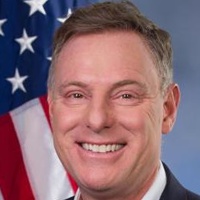
Scott Peters
Representative
CA
Scott Peters
Representative
CA
The Gas Pipeline Leak Detection and Repair Act of 2025 immediately enacts the final rule on gas pipeline leak detection and repair issued by PHMSA in January 2025. This legislation fast-tracks these new federal safety standards into effect upon signing. Furthermore, it preserves the authority of the Secretary of Transportation to implement even stricter future safety regulations for gas pipelines.
This Act establishes programs to facilitate educational exchanges for international scholars at U.S. community colleges and vocational schools while also building the capacity of these U.S. institutions to expand their own study abroad offerings.
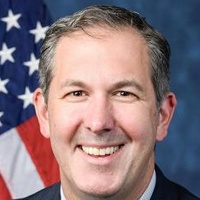
Johnny Olszewski
Representative
MD
Johnny Olszewski
Representative
MD
The Community College Educational Exchange Act aims to expand international educational opportunities by establishing new programs for foreign scholars to study at U.S. community and vocational colleges. It also creates a capacity-building initiative to help these U.S. institutions develop more study abroad options, particularly in STEM and technical fields. The legislation mandates increased outreach and technical assistance to ensure eligible colleges can successfully participate in federal exchange programs.
This Act expands FEMA disaster assistance to cover all moisture damage in flood-damaged basements and increases coverage under the Group Flood Insurance Policy.
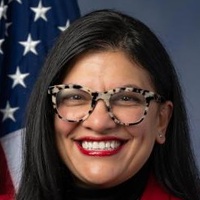
Rashida Tlaib
Representative
MI
Rashida Tlaib
Representative
MI
The Fix Our Flooded Basements Act of 2025 significantly expands FEMA disaster assistance for flood-damaged basements, covering mold and moisture damage beyond just habitable areas. It mandates increased personal property aid for basement contents, aligning it with Standard Flood Insurance Policy levels. Furthermore, the bill updates the Group Flood Insurance Policy to offer broader eligibility and comprehensive coverage for real and personal property within basements.
The Protected Time Off Act establishes a federal minimum accrual rate of one hour of paid annual leave for every 25 hours worked, while protecting employees' rights to use and enforce this earned time off.
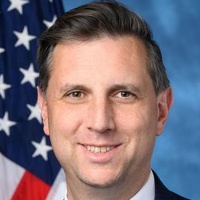
Seth Magaziner
Representative
RI
Seth Magaziner
Representative
RI
The Protected Time Off Act establishes a federal minimum standard for earned paid annual leave, requiring employers to grant employees at least one hour of paid time off for every 25 hours worked, up to 80 hours annually. This law specifies how leave is accrued, used, and rolled over, while protecting employees from retaliation for exercising these rights. It also ensures that existing state laws or agreements that provide more generous leave benefits remain in effect. Enforcement mechanisms are established, largely mirroring those under the Fair Labor Standards Act, allowing both government investigation and direct employee lawsuits.