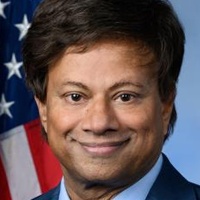
Legislative Activity
Track Shri's sponsored bills, co-sponsored legislation, and voting record
The HELP Copays Act mandates that financial assistance from non-profits and drug manufacturers must count toward a patient's deductible, copay, and out-of-pocket maximum for prescription drugs.
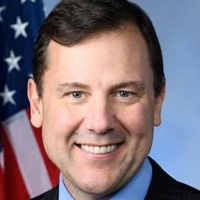
Thomas Kean
Representative
NJ
Thomas Kean
Representative
NJ
The HELP Copays Act requires that financial assistance provided by non-profit organizations and drug manufacturers must count toward a patient's deductible, copayments, and out-of-pocket maximums for prescription drugs. This change ensures that patient assistance dollars directly reduce the amount a patient must pay before their coverage fully kicks in. The legislation specifically applies to specialty drugs and those subject to utilization management. These provisions will take effect for plan years beginning on or after January 1, 2026.
This resolution expresses House support for Design for Recycling (DFR) initiatives that encourage manufacturers to create easily recyclable products to reduce waste and boost the U.S. economy.
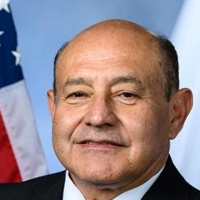
J. Correa
Representative
CA
J. Correa
Representative
CA
This resolution expresses the House of Representatives' support for Design for Recycling (DFR) initiatives. DFR encourages manufacturers to design products using maximum recyclable components to limit waste and reduce environmental impact. The bill highlights the significant economic and environmental benefits of increasing recycling and supporting the domestic recycled materials industry.
The Right to Read Act of 2025 establishes definitions for effective school libraries and the right to read, amends federal education law to require state and local plans supporting these rights, authorizes funding for literacy programs, and mandates data collection on school libraries.
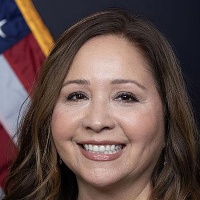
Adelita Grijalva
Representative
AZ
Adelita Grijalva
Representative
AZ
The Right to Read Act of 2025 amends federal education law to establish a comprehensive "right to read" for all students, ensuring access to evidence-based instruction, effective school libraries, and diverse reading materials. The bill defines key terms like "effective school library" and mandates that states and local agencies detail plans to support these resources and protect students' First Amendment rights regarding information access. Furthermore, it authorizes significant new funding to improve literacy programs, support school librarians, and mandates national data collection on school library resources.
This act rescinds significant immigration enforcement funding while establishing multiple new tax credits aimed at increasing housing affordability for first-time buyers, builders of starter homes, and renters, alongside incentives for converting commercial buildings into affordable housing.
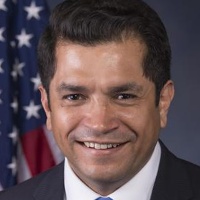
Jimmy Gomez
Representative
CA
Jimmy Gomez
Representative
CA
The Make Housing Affordable and Defend Democracy Act aims to increase housing accessibility through several tax incentives while simultaneously rescinding significant funding previously allocated for immigration enforcement. Key provisions establish new tax credits for first-time homebuyers, builders of starter homes, and the conversion of commercial buildings into affordable rentals. Additionally, the bill introduces a Renter Tax Credit for those spending over 30% of their income on rent, with an option for monthly advance payments.
This Act establishes a multi-agency Task Force to develop and implement a comprehensive strategy to dismantle transnational criminal syndicates operating forced-labor scam centers, particularly those targeting Americans with cryptocurrency fraud.
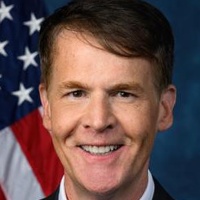
Jefferson Shreve
Representative
IN
Jefferson Shreve
Representative
IN
The Dismantle Foreign Scam Syndicates Act establishes a high-level Task Force, chaired by the Secretary of State, to develop and execute a comprehensive U.S. strategy against transnational criminal organizations running massive online scams, often utilizing victims of human trafficking in Southeast Asia. This strategy must focus on disrupting these operations, sanctioning responsible parties, and providing support for rescued victims. The bill authorizes $30 million over two years to fund these efforts and requires annual reporting to Congress on progress and impact.
This bill mandates that the Federal Energy Regulatory Commission (FERC) apply new environmental and environmental justice standards, including quantifying greenhouse gas emissions, when approving natural gas pipeline projects.
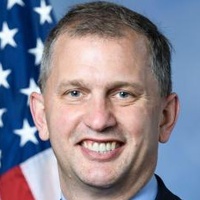
Sean Casten
Representative
IL
Sean Casten
Representative
IL
This act amends the Natural Gas Act to require the Federal Energy Regulatory Commission (FERC) to apply new environmental and environmental justice standards when approving natural gas pipeline projects. FERC must now quantify greenhouse gas emissions and specifically evaluate impacts on environmental justice communities before determining if a project serves the "public convenience and necessity." The bill mandates that FERC weigh significant environmental effects against project benefits and require mitigation for adverse impacts.
This act establishes a $10 million childcare grant program to help parents cover costs while participating in job training activities.
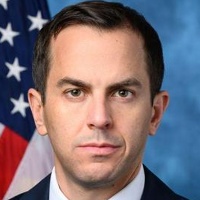
Robert Menendez
Representative
NJ
Robert Menendez
Representative
NJ
The Parental Workforce Training Act establishes a $10 million childcare grant program to support parents participating in job training. Local workforce development boards will receive competitive grants to help eligible individuals cover childcare costs while they engage in employment and training activities. This initiative aims to remove childcare barriers for parents seeking to enhance their job skills.
This Act expands the definition of homelessness, mandates public reporting of data, and modifies program requirements under the McKinney-Vento Homeless Assistance Act to better serve homeless children and youth.
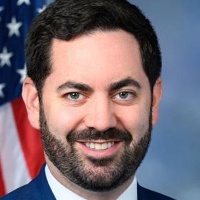
Michael Lawler
Representative
NY
Michael Lawler
Representative
NY
The Homeless Children and Youth Act of 2025 significantly amends the McKinney-Vento Homeless Assistance Act to broaden the definition of homelessness, particularly for children and youth. It mandates increased public reporting of homelessness data through required HMIS disclosures by HUD. Furthermore, the bill modifies grant scoring criteria and planning requirements to better ensure services reach vulnerable populations and align with local needs.
The Dignity for Detained Immigrants Act establishes comprehensive standards, rigorous oversight, and new custody procedures to ensure humane treatment and due process for all noncitizens detained by the Department of Homeland Security, while phasing out for-profit detention facilities.
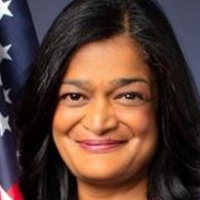
Pramila Jayapal
Representative
WA
Pramila Jayapal
Representative
WA
The Dignity for Detained Immigrants Act aims to overhaul immigration detention by establishing mandatory, high standards based on ABA guidelines and increasing transparency through rigorous, unannounced inspections. The bill prohibits the use of private, for-profit detention facilities within three years and ends the mandatory detention of most noncitizens, prioritizing release or community-based alternatives. Furthermore, it establishes new due process rights, including timely custody hearings, a presumption of release, and prohibitions on detaining children or using solitary confinement.
This resolution commemorates World AIDS Day by recognizing global and domestic progress, highlighting ongoing challenges, and encouraging continued support for ending the HIV epidemic by 2030.
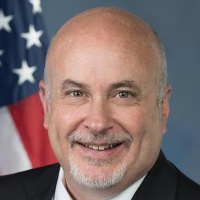
Mark Pocan
Representative
WI
Mark Pocan
Representative
WI
This resolution commemorates World AIDS Day and recognizes significant progress made in combating HIV/AIDS globally and domestically through programs like PEPFAR and the Ryan White Act. It highlights ongoing challenges, particularly disparities in impact, while encouraging continued robust funding for research, prevention, and treatment efforts worldwide. The resolution supports the goal of ending the HIV epidemic by 2030 through zero new transmissions and zero discrimination.
The Mikaela Naylon Give Kids a Chance Act primarily focuses on enhancing pediatric drug research, ensuring completion of pediatric study requirements, extending incentives for rare pediatric disease treatments, and making targeted updates to FDA and organ transplant network operations.
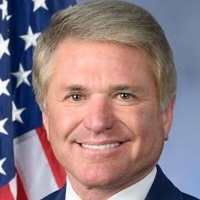
Michael McCaul
Representative
TX
Michael McCaul
Representative
TX
The Mikaela Naylon Give Kids a Chance Act focuses primarily on improving pediatric drug development and ensuring patient access to necessary treatments. This legislation mandates new research requirements for molecularly targeted pediatric cancer drugs, strengthens FDA enforcement of pediatric study completion, and extends incentives for developing drugs for rare pediatric diseases. Additionally, the bill updates organ transplant network functions and establishes an Abraham Accords Office within the FDA to enhance international regulatory cooperation.
This resolution congratulates Korson's Tree Farms for being selected to provide the official 2025 White House Christmas Tree.
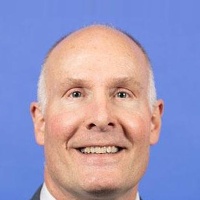
John Moolenaar
Representative
MI
John Moolenaar
Representative
MI
This resolution congratulates Korson's Tree Farms of Montcalm County for being selected to provide the official 2025 White House Christmas Tree after winning the National Christmas Tree Association contest. It recognizes this significant achievement as the first Michigan grower in 41 years to earn this honor. The bill also highlights the importance of Michigan's thriving Christmas tree industry.
This Act prohibits sellers from price gouging on goods affected by tariffs for five years by limiting price increases to direct tariff-related costs, with specific enforcement provisions and reporting requirements managed by the FTC.
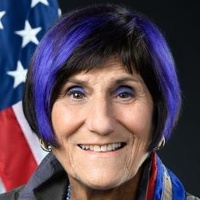
Rosa DeLauro
Representative
CT
Rosa DeLauro
Representative
CT
The No GOUGE Act prohibits sellers from raising the price of "tariffed goods" by more than the direct costs resulting from a new or planned tariff for five years. This prevents companies from using tariffs as an excuse to charge unreasonably high prices, with specific rules for final goods, assembled products, and components. The Federal Trade Commission (FTC) is tasked with enforcement, while large companies face a presumption of violation following major tariff announcements. The bill also mandates annual reports from the FTC and other agencies detailing price changes and enforcement actions.
This bill reforms H-1B visa limits and establishes a grant program to bolster STEM education and teacher retention in the U.S.
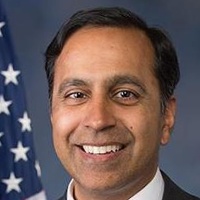
Raja Krishnamoorthi
Representative
IL
Raja Krishnamoorthi
Representative
IL
This bill aims to reform high-skilled immigration by significantly increasing the annual H-1B visa cap. It also establishes the Promoting American Ingenuity Grant Program to strengthen STEM education and teacher retention in the U.S. Furthermore, the legislation adjusts the criteria used to define H-1B-dependent employers.
The CARE for Moms Act aims to combat the maternal health crisis by expanding postpartum Medicaid coverage, funding quality improvement collaboratives, supporting the doula workforce, and establishing mobile health units for rural areas, while also increasing tobacco taxes.
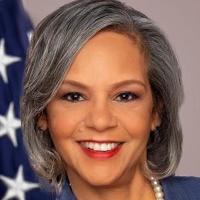
Robin Kelly
Representative
IL
Robin Kelly
Representative
IL
The CARE for Moms Act aims to combat the rising maternal mortality crisis in the U.S. through significant federal investments and policy changes. The bill establishes grant programs to support state quality collaboratives and expand the doula workforce. Crucially, it mandates 12 months of postpartum coverage under Medicaid and CHIP, alongside requiring oral health services for pregnant and new mothers. Finally, the Act increases federal excise taxes on tobacco products to fund these maternal health initiatives.
This resolution declares that reproductive justice and immigrant justice are inseparable and calls for ending discriminatory barriers to comprehensive reproductive healthcare for all immigrants.
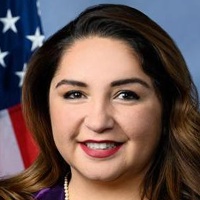
Delia Ramirez
Representative
IL
Delia Ramirez
Representative
IL
This resolution declares that immigrant justice and reproductive justice are inseparable, demanding that both movements be pursued together. It condemns systemic failures and policies that deny immigrants access to necessary reproductive health care while in custody or in the community. The resolution calls on Congress and federal agencies to eliminate barriers to health coverage and ensure equitable, comprehensive reproductive care for all individuals, regardless of immigration status.
This bill expands disaster assistance programs to specifically include crisis counseling and training for substance use and alcohol use disorders following a major disaster.
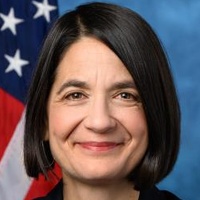
Becca Balint
Representative
VT
Becca Balint
Representative
VT
The Addressing Addiction After Disasters Act expands federal disaster assistance to explicitly include support for substance use and alcohol use issues resulting from major disasters. It broadens the scope of crisis counseling and training programs to address these needs alongside existing mental health services. Furthermore, the bill mandates FEMA to update its application processes and requires a GAO report on the program's effectiveness and compliance.
This act prohibits individuals convicted of a misdemeanor hate crime or who received an enhanced sentence due to hate or bias from obtaining or possessing firearms.
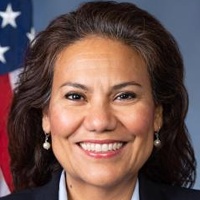
Veronica Escobar
Representative
TX
Veronica Escobar
Representative
TX
The Disarm Hate Act prohibits individuals convicted of a misdemeanor hate crime, or who received an enhanced sentence for a misdemeanor due to hate or bias, from obtaining or possessing firearms. This legislation specifically targets misdemeanor offenses involving threats or force motivated by bias against protected characteristics. The bill also makes it illegal for others to sell or transfer firearms to these prohibited persons.
The SAWMILL Act establishes a USDA loan guarantee program to support sawmills and wood-processing facilities that reduce the cost of ecological restoration on federal lands.
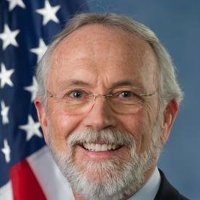
Dan Newhouse
Representative
WA
Dan Newhouse
Representative
WA
The SAWMILL Act establishes the Timber Production Expansion Guaranteed Loan Program within the Department of Agriculture. This program provides loan guarantees to rural sawmills and wood-processing facilities located near federal lands needing ecological restoration. These facilities must help substantially reduce the cost of removing vegetation from high-priority federal lands. The total loan guarantees are capped at $220 million.
This act establishes a \$462.5 million emergency fund to ensure SNAP benefits continue without reduction during funding shortfalls or government shutdowns, while also protecting essential program staff from furlough.
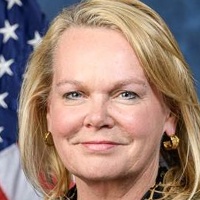
April McClain Delaney
Representative
MD
April McClain Delaney
Representative
MD
The Food Bank Emergency Support Act of 2025 establishes a \$462.5 million emergency fund to ensure the Supplemental Nutrition Assistance Program (SNAP) can continue providing full benefits during funding shortfalls or government shutdowns. These funds are specifically appropriated to prevent benefit reductions when other resources are insufficient. Furthermore, the Act ensures essential SNAP staff can continue working during a lapse in appropriations.