The Green New Deal for Health Act establishes a comprehensive federal framework to modernize healthcare infrastructure, decarbonize the medical sector, and strengthen community resilience against climate-related health threats.
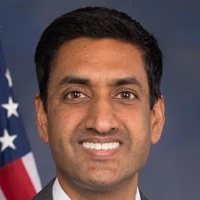
Ro Khanna
Representative
CA-17
The Green New Deal for Health Act establishes a comprehensive federal framework to address the health impacts of climate change by creating dedicated oversight, investing in resilient infrastructure, and decarbonizing the healthcare sector. The bill prioritizes environmental justice by directing significant funding and resources toward vulnerable communities, expanding the public health workforce, and protecting essential care access. Ultimately, this legislation aims to transform the U.S. healthcare system into a sustainable, climate-ready network capable of safeguarding patient health during extreme weather and public health emergencies.
Green New Deal for Health Act: $130 Billion for Public Health and New Protections Against Hospital Closures
The Green New Deal for Health Act is a massive overhaul aimed at prepping our healthcare system for the realities of a changing climate while cleaning up its own backyard. The bill recognizes that the healthcare sector is responsible for 8.5% of U.S. emissions and seeks to slash that footprint through new regulations and a whopping $100 billion in grants for hospital modernization. Beyond the environment, it creates a federal safety net for local care, requiring hospitals to provide 90 days' notice and a public mitigation plan before they can cut essential services or shut their doors entirely.
A Safety Net for Local Care
If you’ve ever worried about your local ER or maternity ward suddenly vanishing, Section 201 of this bill is for you. It mandates that any hospital participating in Medicare must give the government and the public a three-month heads-up before closing or stopping “essential services.” During that time, the hospital has to explain how they’ll minimize the hit to the community and can’t just pull the plug unless there’s an immediate safety risk. If a hospital chain ignores these rules, the Secretary of HHS can kick them out of Medicare for up to three years—a heavy-duty financial penalty designed to keep local clinics open.
Investing in the Neighborhood
The bill puts serious money where its mouth is, authorizing $130 billion for the Prevention and Public Health Fund between 2027 and 2031 (Title II). Here’s the kicker: at least 50% of that money must go to “environmental justice communities.” This means if you live in an area with high pollution, low income, or limited green space, your local health centers are first in line for funding. Additionally, Title VI introduces a new Medicare benefit starting in 2027 that covers “home resiliency items.” If you’re a senior with a chronic condition or rely on an electric oxygen tank, Medicare could pay for things like backup solar batteries or heat pumps to keep you safe during power outages or extreme heatwaves.
Greening the Medical Supply Chain
For those working in the medical field or manufacturing, Title IV introduces “Climate-Friendly” designations for health systems and mandatory carbon reporting for drug makers. Think of it like an Energy Star rating, but for your local hospital. A new Council on Green Health Care Manufacturing will also look at bringing medical supply chains back to the U.S., focusing on zero-emission production and union labor. While this could mean more stable, high-quality jobs at home, it also means drug and device manufacturers will have to start tracking the environmental cost of every pill and syringe they produce.
Boosting the Frontline Workforce
Recognizing that climate change brings new health risks—like more heatstroke or shifting infectious diseases—Title V invests $9 billion into training the next generation of doctors and nurses to spot these issues. It also aims to add 150,000 community health workers by 2031. For the essential workers already on the frontlines, the bill authorizes hazardous duty pay of up to $13 extra per hour during declared disasters. This ensures that the people keeping the lights on in our hospitals during a hurricane or a heat emergency are actually compensated for the risk they’re taking to get to work.