This resolution recognizes July 21, 2026, as Black Women’s Equal Pay Day to raise awareness of the persistent wage gap and reaffirm the commitment to achieving pay equity.
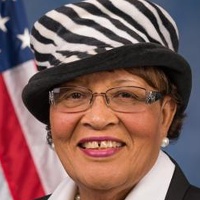
Alma Adams
Representative
NC-12
This resolution recognizes July 21, 2026, as Black Women’s Equal Pay Day to highlight the persistent and significant wage gap between Black women and white, non-Hispanic men. It calls attention to the systemic racial and gender-based barriers contributing to this disparity and reaffirms a commitment to achieving true pay equity.
Congress Designates July 21, 2026, as Black Women’s Equal Pay Day to Target $1.1 Million Lifetime Earnings Gap
This resolution officially recognizes July 21, 2026, as Black Women’s Equal Pay Day. It isn't just a date on the calendar; it’s a mathematical marker for how far into the next year a Black woman has to work just to earn what a white, non-Hispanic man made in the previous year. The bill lays out some heavy numbers: right now, Black women working full-time take home 65 cents for every dollar earned by their white male counterparts. If you factor in part-time or seasonal work, that number dips to 63 cents. Over a 40-year career, the bill calculates this adds up to a staggering $1,113,600 in lost wealth for the average Black woman.
The Education Paradox and Home-Front Realities
You might think a degree levels the playing field, but the bill points out a frustrating reality: the wage gap actually widens for Black women with bachelor’s or master’s degrees compared to white men with the same education. This hits home because Black women are often the primary financial anchors for their families. The resolution notes that 69 percent of Black mothers are the sole or primary breadwinners, compared to 33 percent of white mothers. When the person bringing home the most bacon is getting shortchanged by 35%, it creates a massive ripple effect on family stability, from the ability to save for a home to handling a sudden car repair.
More Than Just a Paycheck
The bill identifies that this isn't just about a boss writing a smaller check; it’s about the systemic hurdles that make staying in the workforce harder. It specifically cites a lack of affordable childcare, the absence of paid family and medical leave, and the fact that Black women are statistically the most likely to file workplace sexual harassment charges. It also highlights how recent rollbacks of diversity and equity programs in both the private sector and the federal government have created new obstacles for Black women looking to advance in their careers.
The Million-Dollar Difference
To make these abstract billions feel real, the resolution breaks down what closing the gap would actually buy. If a Black woman had that missing income, she could cover over two years of college tuition, pay off the average federal student loan in less than two years, or afford 14 extra months of mortgage payments. It’s the difference between just getting by and having a real safety net. By designating this day, Congress is formally acknowledging that pay equity requires more than just a policy change—it requires tackling the specific racial and gender barriers that keep a million dollars out of the pockets of hardworking women.