
Legislative Activity
Track Ritchie's sponsored bills, co-sponsored legislation, and voting record
This bill amends the Family and Medical Leave Act to explicitly qualify time taken for an employee's own organ donation surgery as a serious health condition.
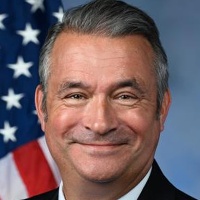
Don Bacon
Representative
NE
Don Bacon
Representative
NE
This bill amends the Family and Medical Leave Act (FMLA) to explicitly clarify that time taken off for an employee's own organ donation surgery qualifies as a serious health condition. This ensures both private and federal sector workers receive FMLA protection for recovery from organ donation. The legislation also specifies how federal employees must substitute existing paid leave when taking FMLA time for this purpose.
This Act prohibits insurance companies from discriminating against living organ donors when issuing life, disability, or long-term care policies and mandates the updating of educational materials regarding donation risks and insurance implications.
Don Bacon
Representative
NE
Don Bacon
Representative
NE
The Living Donor Protection Act of 2025 prohibits life, disability, and long-term care insurance companies from denying coverage or increasing premiums solely because an individual is a living organ donor. This legislation ensures that living donors are not financially penalized for their altruistic act. Additionally, the bill requires the Secretary of HHS to update educational materials to accurately reflect the insurance protections afforded to living donors.
The EACH Act of 2025 mandates that all federally funded health programs and facilities must cover and provide abortion services, while also prohibiting federal interference with private insurance coverage.
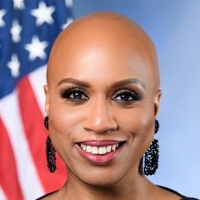
Ayanna Pressley
Representative
MA
Ayanna Pressley
Representative
MA
The EACH Act of 2025 aims to ensure equal access to abortion coverage by requiring all federally funded health programs and facilities to cover abortion services. This legislation prohibits federal interference with state or private insurance coverage of abortion and repeals Section 1303 of the Affordable Care Act. Ultimately, the bill seeks to eliminate financial and insurance barriers to abortion care, particularly for low-income individuals relying on programs like Medicaid.
This bill mandates the SEC to study, report on, and update its definition of "small entity" to ensure it accurately reflects current market conditions and covers a meaningful number of businesses.
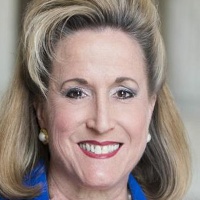
Ann Wagner
Representative
MO
Ann Wagner
Representative
MO
The Small Entity Update Act mandates that the Securities and Exchange Commission (SEC) periodically study and update its definition of "small entity" for regulatory purposes. This process requires the SEC to report findings and recommendations to Congress to ensure the definition aligns with market growth and covers a meaningful number of businesses. Following these studies, the SEC must revise its rules and periodically adjust any associated dollar thresholds for inflation.
The Digital Asset Market Clarity Act establishes comprehensive regulatory frameworks for digital commodities under the CFTC and SEC, clarifies the status of digital assets, preserves self-custody rights, and explicitly prohibits the Federal Reserve from issuing a Central Bank Digital Currency (CBDC).

J. Hill
Representative
AR
J. Hill
Representative
AR
The Digital Asset Market Clarity Act establishes a comprehensive regulatory framework for digital assets, primarily focusing on defining and regulating "digital commodities" under the CFTC and SEC. It creates registration pathways for exchanges and intermediaries, clarifies rules for asset sales, protects individual self-custody rights, and explicitly prohibits the Federal Reserve from issuing a Central Bank Digital Currency (CBDC). Overall, the bill aims to bring clarity and consumer safeguards to the digital asset market while encouraging technological innovation.
This bill places a temporary moratorium on the closure or restriction of access to National Oceanic and Atmospheric Administration (NOAA) facilities until 180 days after a required justification report is submitted to Congress.
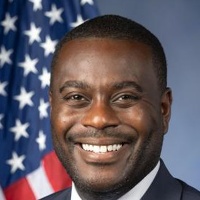
Gabe Amo
Representative
RI
Gabe Amo
Representative
RI
The Stop NOAA Closures Act places a temporary moratorium on the closure or restriction of access to any National Oceanic and Atmospheric Administration (NOAA) facilities. This freeze remains in effect until 180 days after key officials submit a required report to Congress detailing the criteria and process for any future facility changes. After the moratorium lifts, any major facility action will still require a 30-day advance notice and justification report to Congress, except in cases of immediate emergency threatening staff safety.
The Housing Is a Human Right Act of 2025 shifts federal focus from penalizing homelessness to investing in supportive alternatives, increasing housing infrastructure funding, and ensuring equitable access to housing and voting rights.

Pramila Jayapal
Representative
WA
Pramila Jayapal
Representative
WA
The Housing Is a Human Right Act of 2025 aims to combat homelessness and housing instability through comprehensive federal action. It establishes new funding streams and infrastructure investments to build affordable housing and provide direct support services while shifting local responses away from criminalizing poverty. Furthermore, the Act introduces new taxes on high-value real estate transactions to fund these initiatives and mandates stronger civil rights protections across federal housing and assistance programs.
This Act mandates federal standards requiring employers to implement comprehensive heat illness and injury prevention programs to protect workers from dangerous heat stress.
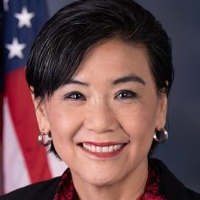
Judy Chu
Representative
CA
Judy Chu
Representative
CA
The Asunción Valdivia Heat Illness, Injury, and Fatality Prevention Act of 2025 mandates that employers protect workers from dangerous heat stress by establishing comprehensive safety standards. This Act requires the Secretary of Labor to create evidence-based rules covering engineering controls, administrative procedures, required training, and paid rest breaks to prevent heat-related illness. Furthermore, the law establishes strict enforcement mechanisms, whistleblower protections, and specific timelines for the implementation of these new federal heat protection standards.
This resolution declares the Trump administration's fossil fuel directives a health and safety emergency disproportionately harming children's fundamental rights by worsening climate change and suppressing climate science.

Janice Schakowsky
Representative
IL
Janice Schakowsky
Representative
IL
This resolution declares a health and safety emergency disproportionately affecting children due to prior administration directives that promoted fossil fuels and suppressed climate science. Congress asserts that these actions harm children's fundamental rights to life and a stable environment by worsening climate change impacts. The bill demands the current administration cease policies that increase greenhouse gases and restore access to suppressed climate research. Ultimately, it calls for aligning all energy and climate laws with the duty to protect the rights and future of young people.
This Act establishes increased federal research, public education, and provider information dissemination regarding uterine fibroids, with a focus on addressing racial disparities and non-hysterectomy treatment options.

Yvette Clarke
Representative
NY
Yvette Clarke
Representative
NY
The Stephanie Tubbs Jones Uterine Fibroid Research and Education Act of 2025 aims to significantly increase federal research, public education, and provider awareness regarding uterine fibroids. The bill mandates expanded research coordination across federal agencies and authorizes funding to study the condition, which disproportionately affects minority women. It also requires the creation of public awareness campaigns detailing non-hysterectomy treatment options and mandates data collection on Medicaid/CHIP spending for fibroid treatments.
This Act establishes federal funding for research, state grants, and public awareness campaigns aimed at improving the early detection, intervention, and treatment of uterine fibroids.

Shontel Brown
Representative
OH
Shontel Brown
Representative
OH
The Uterine Fibroid Intervention and Gynecological Health Treatment Act of 2025 aims to improve the detection and treatment of uterine fibroids. It mandates federal research to develop evidence-based early detection strategies and establishes grant programs for states to fund screening, education, and intervention services, prioritizing vulnerable populations. Furthermore, the bill allocates funding for research into pain management related to fibroid surgery and other uterine conditions.
This bill mandates the Attorney General to release nearly all unclassified Department of Justice records related to Jeffrey Epstein within 30 days, with limited exceptions for victim privacy or active investigations.

Thomas Massie
Representative
KY
Thomas Massie
Representative
KY
This bill, titled the Epstein Files Transparency Act, mandates the Attorney General to release nearly all unclassified Department of Justice records related to Jeffrey Epstein within 30 days of enactment. The legislation strictly limits the justifications for withholding or redacting documents, prohibiting secrecy based on political sensitivity or potential embarrassment. The only permissible redactions involve victim privacy, child sexual abuse material, or narrowly defined threats to active investigations or national security classifications. Upon completion, the Attorney General must submit a detailed report to Congress listing all released and withheld materials, including an unredacted list of all named government officials.
This Act mandates that VA medical staff promptly certify the deaths of veterans who died from natural causes within 48 hours to expedite burial and survivor benefits.
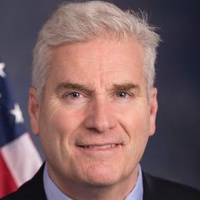
Tom Emmer
Representative
MN
Tom Emmer
Representative
MN
The Veteran Burial Timeliness and Death Certificate Accountability Act addresses significant delays in obtaining death certificates for veterans who die from natural causes, often due to VA medical staff delays. This bill mandates that VA medical providers must certify a veteran's death within 48 hours or allow the local medical examiner to step in. Furthermore, the VA must annually report on its compliance with this new timely certification requirement.
This bill authorizes the creation and sale of commemorative coins for the 2028 Los Angeles and 2034 Salt Lake City Olympic and Paralympic Games to help fund the events, with all surcharges going to the respective organizing committees after covering production costs.
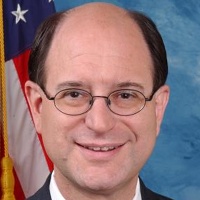
Brad Sherman
Representative
CA
Brad Sherman
Representative
CA
This Act authorizes the Secretary of the Treasury to mint and sell special commemorative coins for the 2028 Los Angeles Olympic and Paralympic Games and the 2034 Salt Lake City Winter Olympic and Paralympic Games. The coins will feature designs celebrating American athletes and the Games themselves. All surcharges collected from the sale of these coins will be directed to the respective organizing committees to help fund the events and related youth sports programs. The entire program must be conducted at no cost to the U.S. Government.
This resolution expresses the sense of Congress demanding that Serbia investigate and prosecute those responsible for the 1999 execution-style murders of U.S. citizens Ylli, Agron, and Mehmet Bytyqi.
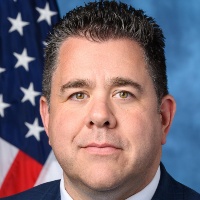
Nicolas LaLota
Representative
NY
Nicolas LaLota
Representative
NY
This resolution expresses the sense of Congress regarding the unsolved, execution-style murders of U.S. citizens Ylli, Agron, and Mehmet Bytyqi in Serbia in 1999. Congress demands that the Serbian government prioritize investigating and prosecuting all individuals responsible for the brothers' deaths. Furthermore, the resolution states that Serbia's progress in achieving justice for the Bytyqi brothers will significantly impact the future U.S.-Serbia relationship.
This resolution recognizes climate change as a major public health threat and directs federal agencies, particularly HHS, to coordinate action, speed up funding for resilience, and prioritize the health and safety of vulnerable populations.

Nanette Barragán
Representative
CA
Nanette Barragán
Representative
CA
This resolution recognizes that climate change poses a severe and growing threat to public health across the United States, exacerbating issues like poor air quality, extreme heat, and disease spread. It directs federal agencies, particularly the Department of Health and Human Services (HHS), to rapidly deploy climate resilience funding and technical assistance, prioritizing underserved communities. Furthermore, the bill calls for strengthening key public health offices, improving data collection, and ensuring worker safety through new heat standards. Ultimately, it mandates coordinated federal action to prepare the healthcare system and protect vulnerable populations from climate-related health crises.
This resolution expresses support for designating July 10th as Journeyman Lineworkers Recognition Day to honor the dangerous and essential service provided by these workers, especially during crises.

Linda Sánchez
Representative
CA
Linda Sánchez
Representative
CA
This resolution expresses support for designating July 10th as Journeyman Lineworkers Recognition Day. It honors the essential and dangerous work performed by these skilled professionals, especially their heroic efforts in restoring power after major disasters. The day serves to recognize their service and remember those who have lost their lives performing this vital work.
The REMIT Act of 2025 restricts the federal government from imposing excise taxes or fees on money transmitters unless the Treasury Secretary certifies that such measures will not aid criminal activity or unduly burden the businesses.
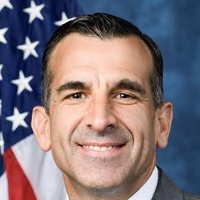
Sam Liccardo
Representative
CA
Sam Liccardo
Representative
CA
The REMIT Act of 2025 aims to protect the integrity of international money transfers while minimizing burdens on legal remittance services. This legislation restricts the federal government's ability to impose new excise taxes or fees on money transmitting businesses. Before any such tax or fee can be implemented, the Treasury Secretary must certify that it will not aid criminal money laundering or place an excessive burden on these businesses. This framework seeks to prevent regulatory changes from inadvertently benefiting informal and illicit transfer systems.
This bill establishes a grant program to help high-need school districts hire, retain, and diversify mental health professionals to expand student access to services.

Rosa DeLauro
Representative
CT
Rosa DeLauro
Representative
CT
The Expanding Access to Mental Health Services in Schools Act of 2025 establishes a new federal grant program to increase the number of mental health professionals in high-need school districts. This funding is specifically designed to help eligible agencies recruit, hire, and retain school counselors, psychologists, and social workers. Grantees must demonstrate a plan to improve student-to-provider ratios and report annually on staffing improvements and provider retention.
This act expands the mandatory reporting requirement for Federal Firearm Licensees to include the sale of any two or more firearms in a single transaction.
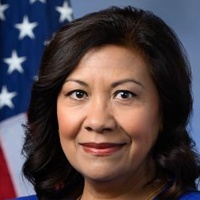
Norma Torres
Representative
CA
Norma Torres
Representative
CA
The Multiple Firearm Sales Reporting Modernization Act of 2025 expands the mandatory reporting requirements for Federal Firearm Licensees (FFLs). This bill mandates that FFLs must now report the sale of any two or more firearms, regardless of type, in a single transaction or over a short period. This change significantly broadens the scope of transactions tracked by the ATF.