This bill requires reimbursement for Secret Service travel costs related to presidential business interests, amends the Federal Tort Claims Act for current and former presidents, restricts presidential library fundraising while in office, and limits the business activities of the President and their immediate family.
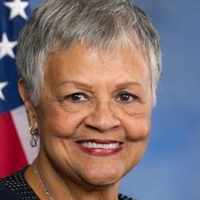
Bonnie Watson Coleman
Representative
NJ-12
This bill requires reimbursement to the Treasury for Secret Service protection costs incurred during presidential travel for personal business interests. It also restricts the President's business activities while in office and mandates new reporting requirements related to presidential libraries. Finally, it creates an exception to the Federal Tort Claims Act allowing certain current or former high-ranking officials to sue the government for damages.
New Bill Forces Presidents to Pay Back Secret Service for Business Trips, Taxing Private Income at 100%
The “Stop Padding Presidential Pockets Act” aims to put some serious guardrails around how the President handles their personal finances and business dealings while in office. It’s a bill focused squarely on ethics and transparency, particularly where taxpayer money and private profit intersect.
The core of the bill is simple: If the President (or anyone else protected by the Secret Service) travels domestically or internationally for the business interests of an entity they own, control, or benefit from financially, that entity must reimburse the U.S. Treasury. This covers the cost of the Secret Service protection and “any amount expended for other costs incurred by the Government pertaining to that travel” (Sec. 2). Essentially, if the trip is about making money for the President's private ventures, taxpayers shouldn't foot the bill for the security detail.
Business Casual: Taxing Private Income
This bill places strict limits on the President’s ability to engage in private business while serving. The President is explicitly prohibited from creating, operating, or serving on the board of any business while in office (Sec. 5). This is a big deal for anyone coming from the private sector. But here’s the kicker: If the President violates this rule and earns income from that prohibited activity, the bill imposes a 100% tax on that income. That’s not a typo—it effectively confiscates any earnings made from breaking the rule.
Immediate family members aren't off the hook either. If they continue engaging in business activities that the President is banned from, they must submit quarterly reports to Congress and publish a certification stating that their conduct is “not enriching or benefiting the sitting President” (Sec. 5). This is a tough line to draw. How do you definitively prove that a family member's business success isn't indirectly benefiting the person who is, after all, the President of the United States?
The Library Fundraising Ban
The bill also takes aim at presidential libraries, which are often fundraising behemoths. Section 4 prohibits any Secret Service-protected individual from soliciting donations for a presidential library or museum while the President is still serving in office. This is meant to prevent the perception that donors are buying influence while the President is actively making policy decisions. Furthermore, both the protected individual and the private entities running the library must submit annual reports detailing their financial activities and interactions related to the library to the Archivist of the United States. Failure to file these reports results in a $1,000 fine for every day they are late.
A Legal Carve-Out for the Top Brass
Perhaps the most surprising provision in this ethics bill is Section 3, which has nothing to do with business ethics. It creates a unique exception to the Federal Tort Claims Act (FTCA), a law that generally prevents people from suing the U.S. government for damages. This exception allows the President, the Vice President, or any individual who later becomes President or Vice President to bring a claim against the United States for damages. This means the President and VP get a special right to sue the government that the rest of us don’t have. It's a significant legal change that grants a powerful benefit to the executive office holders, regardless of when the alleged act or omission happened.
This legislation is a mixed bag of significant ethical reforms and a major legal privilege. It clearly aims to increase financial transparency and limit the President's ability to profit from their office, but it also grants the highest officeholders a unique ability to sue the government that is usually reserved only for specific, limited circumstances.