Legislative Activity
Track Paul's sponsored bills, co-sponsored legislation, and voting record
This bill mandates a study to review and recommend improvements for protecting children in schools and childcare settings from wildfire smoke exposure.
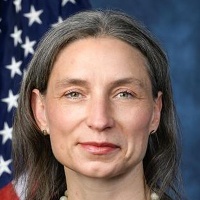
Maxine Dexter
Representative
OR
Maxine Dexter
Representative
OR
The Shielding Students from Wildfire Smoke Act directs the EPA to commission a comprehensive study on how K-12 schools and childcare facilities currently manage wildfire smoke exposure for children. This review will assess existing policies, identify gaps in protection, and recommend actionable strategies to Congress for improving safeguards, especially for resource-limited settings.
This Act establishes national, standardized phrases ("BEST If Used By" and "USE By") for voluntary quality and mandatory discard date labels on food packaging.

Chellie Pingree
Representative
ME
Chellie Pingree
Representative
ME
The Food Date Labeling Act of 2025 establishes national standards for food date labels, requiring manufacturers to use specific phrases like "**BEST If Used By**" for quality and "**USE By**" for discard dates, if they choose to include them. This legislation standardizes labeling language across different food products overseen by the USDA and FDA. The Act also ensures that non-compliant labeling is treated as misbranding under existing federal food laws. Manufacturers will have two years from enactment to comply with these new federal labeling requirements.
This bill changes how Social Security cost-of-living adjustments are calculated using a new index for the elderly and modifies contribution rules to tax some earnings above the current base limit while potentially increasing future benefits.
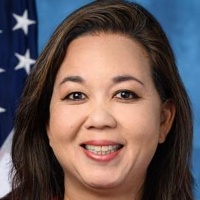
Jill Tokuda
Representative
HI
Jill Tokuda
Representative
HI
The Protecting and Preserving Social Security Act aims to strengthen the Social Security system through two main avenues. Title I mandates the creation of a new Consumer Price Index for Elderly Consumers to be used for calculating future cost-of-living adjustments (COLAs). Title II modifies contribution rules by counting a small portion of wages and self-employment income earned above the current base limit after 2025, and it adjusts the benefit formula to potentially increase benefits based on these surplus earnings. These changes are designed to ensure COLAs more accurately reflect senior spending and to increase revenue for the system.
The Grocery Reform And Safety Act (GRAS Act) overhauls food safety by removing the automatic exemption for GRAS substances, mandating pre-market notification for new uses, and requiring periodic safety reassessments of existing ingredients.

Frank Pallone
Representative
NJ
Frank Pallone
Representative
NJ
The Grocery Reform And Safety Act (GRAS Act) overhauls the regulation of food ingredients by removing the automatic exemption for "Generally Recognized As Safe" (GRAS) substances from the definition of a food additive. This legislation mandates formal GRAS notifications to the FDA, requiring companies to submit detailed safety data for review before new ingredients or uses can enter the market. Furthermore, the Act establishes a mandatory, recurring safety reassessment program for existing food ingredients to ensure ongoing public safety.
This resolution expresses support for recognizing August 17-23, 2025, as "Warehouse Worker Recognition Week" to honor the essential contributions and acknowledge the difficult conditions faced by logistics industry workers.
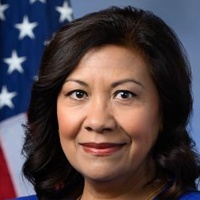
Norma Torres
Representative
CA
Norma Torres
Representative
CA
This resolution expresses strong support for recognizing August 17 through August 23, 2025, as "Warehouse Worker Recognition Week." It honors the critical role over 1.8 million warehouse workers play in the national supply chain and economy. Furthermore, the resolution acknowledges the demanding and often hazardous working conditions these essential employees face.
The EQUAL Parks Act permanently codifies the Presidential Memorandum promoting diversity and inclusion in the management and use of public lands and waters.
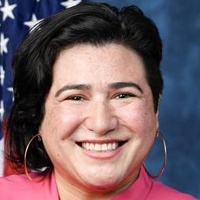
Emily Randall
Representative
WA
Emily Randall
Representative
WA
The EQUAL Parks Act codifies a previous Presidential Memorandum into permanent law, ensuring that federal policies regarding public lands and waters prioritize diversity and inclusion. This legislation solidifies the commitment to making these shared spaces accessible and welcoming to all Americans.
This Act establishes a new federal program to provide dedicated, long-term funding to states for improving election administration, security, and accessibility, managed by a new federal office.
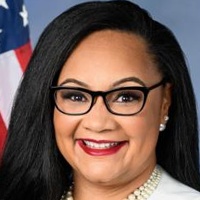
Nikema Williams
Representative
GA
Nikema Williams
Representative
GA
The Sustaining Our Democracy Act establishes a new federal program to provide annual grants to states for improving election administration, security, and accessibility, managed by a newly created Office of Democracy Advancement and Innovation. This funding is supported by a dedicated ten-year Trust Fund to ensure stable resources for election infrastructure upgrades. The bill imposes strict rules on how states can use the money, including prohibitions against purchasing insecure voting machines or restricting basic voter support. If states fail to comply, the federal Director can bypass state government to fund local election subdivisions directly.
The ETHICS Act mandates that Members of Congress and their families divest from or place specific stock holdings into qualified blind trusts, increases penalties for STOCK Act noncompliance, and requires publicly searchable online filing of financial disclosure forms.
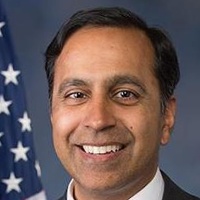
Raja Krishnamoorthi
Representative
IL
Raja Krishnamoorthi
Representative
IL
The Ending Trading and Holdings in Congressional Stocks (ETHICS) Act mandates that Members of Congress and their immediate families divest from or place specific stock holdings into qualified blind trusts to prevent conflicts of interest. The bill also establishes new civil penalties for failing to comply with existing stock trading disclosure laws (the STOCK Act). Furthermore, it requires that congressional financial disclosure forms be made publicly available online in a searchable, machine-readable format.
The People Over Long Lines Act mandates a maximum 30-minute wait time for federal elections, requires states to submit plans to ensure fair resource allocation, and establishes funding to prevent unreasonable voter delays.
Nikema Williams
Representative
GA
Nikema Williams
Representative
GA
The People Over Long Lines Act (POLL Act) aims to protect the fundamental right to vote by establishing a national standard that no eligible citizen should wait more than 30 minutes to cast a ballot in a federal election. To achieve this, the bill mandates that states submit plans detailing how they will ensure fair wait times and requires the Attorney General to set minimum standards for voting resources like poll workers and equipment. Furthermore, the Act authorizes federal funding to help states comply and creates a private right of action allowing citizens to sue over excessive wait times.
This Act secures and expands voting rights for unhoused citizens by prohibiting residency-based disenfranchisement, establishing new accessibility requirements, and creating federal grants to support local outreach efforts.
Nikema Williams
Representative
GA
Nikema Williams
Representative
GA
The Unhoused Voter Opportunity Through Elections Act aims to secure and expand the right to vote for citizens experiencing homelessness by prohibiting residency-based disenfranchisement. It mandates accessible registration methods, requires outreach from service providers, and establishes federal grants to help local governments implement these protections. Ultimately, this legislation seeks to ensure that where a person sleeps cannot be a barrier to their participation in federal elections.
This act mandates that employers provide employees with at least two hours of paid leave to vote in federal elections, with the employer determining the specific time the leave is taken.
Nikema Williams
Representative
GA
Nikema Williams
Representative
GA
The Time Off to Vote Act mandates that employers provide employees with at least two consecutive hours of paid leave to vote in federal elections. Employers retain control over when this paid leave is taken, which can include early voting periods if permitted by state law. This Act prohibits employers from penalizing employees for utilizing this required voting leave.
This bill updates voting rights requirements by expanding language assistance definitions, creating incentive grants for voluntary translation services, and mandating a study on lowering language assistance thresholds.
Nikema Williams
Representative
GA
Nikema Williams
Representative
GA
The Expanding the VOTE Act updates language assistance requirements under the Voting Rights Act by modernizing the definition of "voting materials" to include digital information. It also establishes new state responsibilities for providing language assistance and creates a grant program to incentivize voluntary language support beyond current mandates. Furthermore, the bill includes special provisions for unwritten American Indian and Alaska Native languages and mandates a study on lowering thresholds for language assistance coverage.
The Election Mail Act mandates same-day processing for incoming absentee ballots, requires intelligent mail barcodes on federal election mail, establishes delivery standards and free postage for completed ballots, and sets a national seven-day grace period for accepting postmarked federal mail-in ballots after Election Day.
Nikema Williams
Representative
GA
Nikema Williams
Representative
GA
The Election Mail Act aims to ensure the timely and secure delivery of federal election mail through the U.S. Postal Service. It mandates same-day processing of received absentee ballots and requires the use of intelligent mail barcodes for tracking mailed ballots starting in 2026. Furthermore, the bill establishes protections against operational changes that would slow election mail delivery and sets a national standard to count mail-in ballots postmarked by Election Day if received within seven days after the election.
This bill establishes grants for local election offices to procure and maintain electronic pollbooks and develop systems for reporting real-time voter wait times for federal elections.

Jasmine Crockett
Representative
TX
Jasmine Crockett
Representative
TX
The SWIFT VOTE Act establishes a \$120 million grant program through the Election Assistance Commission (EAC) to help local election offices procure and maintain electronic pollbooks (e-pollbooks). These funds prioritize offices that commit to using the technology to track and publicly report voter wait times for federal elections. Grantees must ensure e-pollbooks meet certification standards and develop training programs focused on accessible technology use.
The Youth Voting Rights Act establishes new federal protections and requirements to expand and enforce voting access for young citizens, including pre-registration for 16- and 17-year-olds, mandatory on-campus polling places, and validation of student IDs.
Nikema Williams
Representative
GA
Nikema Williams
Representative
GA
The Youth Voting Rights Act aims to strengthen voting access for young Americans by enforcing the 26th Amendment. This bill mandates that public colleges facilitate voter registration, allows 16- and 17-year-olds to pre-register for federal elections, and requires on-campus polling locations. It also establishes grants to encourage youth civic engagement and strengthens protections against age-based barriers in voting, including ID rules and absentee voting.
This Act mandates the distribution of voter registration information to individuals receiving federal rental assistance or applying for residential mortgages.
Nikema Williams
Representative
GA
Nikema Williams
Representative
GA
The Voters on the Move Registration Act of 2025 mandates that standardized, multilingual voter registration information be provided to individuals applying for certain federally assisted rental housing or residential mortgages. This ensures that tenants and mortgage applicants receive clear instructions on how to register to vote. The Bureau of Consumer Financial Protection is tasked with creating this uniform voter information statement. This requirement focuses solely on providing information, not compelling voter registration.
The CHALLENGES Act establishes strict requirements and penalties to prevent individuals from submitting dishonest or unsupported challenges to registered voters' eligibility.
Nikema Williams
Representative
GA
Nikema Williams
Representative
GA
The CHALLENGES Act aims to protect election integrity by establishing strict new requirements to prevent dishonest or bad-faith challenges to registered voters' eligibility. It mandates that individuals challenging a voter's status must provide specific, firsthand evidence and swear under oath, while also imposing criminal penalties for knowingly submitting false challenges. Furthermore, the bill requires online challenge systems to reject anonymous submissions and clearly state the prohibition against bad-faith filings.
This act mandates that the Department of Veterans Affairs must provide abortion care, counseling, and related services and medication to eligible veterans and certain other individuals.
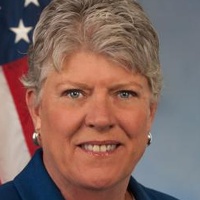
Julia Brownley
Representative
CA
Julia Brownley
Representative
CA
The Reproductive Freedom for Veterans Act mandates that the Department of Veterans Affairs (VA) must now provide abortion care, counseling, and related medication as part of the medical services offered to eligible veterans and certain other beneficiaries. This legislation formally amends existing VA health care provisions to include these reproductive health services.
The Help America Run Act allows federal candidates to use campaign funds for essential personal living expenses like childcare and health insurance to enable working Americans to run for office.
Nikema Williams
Representative
GA
Nikema Williams
Representative
GA
The Help America Run Act aims to make it easier for everyday Americans to run for office by allowing campaign funds to cover essential living expenses. Specifically, the bill permits campaign committees to use funds for necessary personal services like childcare and elder care, which helps candidates who are not independently wealthy. This change is intended to increase the diversity of candidates and ensure elected officials better reflect the general population.
The LOAN Act significantly expands Pell Grants, eliminates loan fees, restructures repayment and forgiveness for federal loans, stops interest capitalization, and ties future federal loan interest rates to Treasury yields while creating refinancing options.
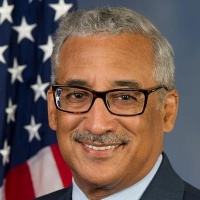
Robert Scott
Representative
VA
Robert Scott
Representative
VA
The LOAN Act significantly overhauls federal student aid by dramatically expanding Pell Grants, making higher education more accessible through increased funding and eligibility pathways. It also restructures federal student loans by eliminating origination fees, introducing new income-driven repayment plans, and stopping interest capitalization to reduce borrower debt. Furthermore, the bill establishes new fixed interest rate formulas for future loans and creates refinancing options for both existing federal and private student loans. Overall, the legislation aims to lower the cost of college and ease the burden of repayment for millions of borrowers.