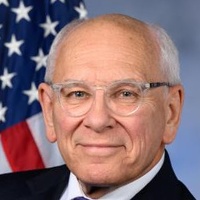
Legislative Activity
Track Paul's sponsored bills, co-sponsored legislation, and voting record
The FAIR Act establishes new requirements for providing immigration detainees with access to privacy release forms, handbooks, communication tools, and clear processes for receiving constituent services from Congress.
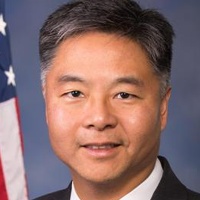
Ted Lieu
Representative
CA
Ted Lieu
Representative
CA
The Fairness and Access for Immigrant Rights (FAIR) Act establishes new requirements for providing constituent services to immigration detainees. This bill mandates that detainees must have timely access to necessary privacy release forms and essential handbooks in their preferred language. Furthermore, it ensures detainees have the tools to communicate with their congressional representatives or third-party assistants, and outlines a clear process for filing complaints if these rights are violated.
This resolution expresses support for designating November 20 to December 20, 2025, as "National Survivors of Homicide Victims Awareness Month" to recognize survivors' needs and advocate for improved support and justice.
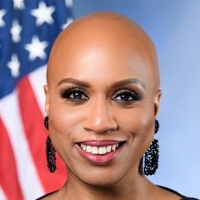
Ayanna Pressley
Representative
MA
Ayanna Pressley
Representative
MA
This resolution expresses support for designating November 20 to December 20, 2025, as "National Survivors of Homicide Victims Awareness Month." It recognizes the trauma experienced by survivors and affirms their need for dignified treatment and comprehensive support services. The bill also calls for improving behavioral health resources for survivors and increasing the national homicide clearance rate. Finally, it encourages the public to promote awareness, combat violence, and respond to grieving families with compassion.
The EXPERTS Act of 2025 aims to reform federal rulemaking by increasing transparency around submitted studies, establishing new disclosure requirements for conflicts of interest, streamlining agency review timelines, and creating an Office of the Public Advocate focused on social equity.
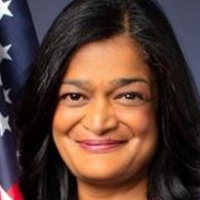
Pramila Jayapal
Representative
WA
Pramila Jayapal
Representative
WA
The EXPERTS Act of 2025 aims to enhance transparency and accountability in the federal rulemaking process. It introduces new disclosure requirements for studies submitted during public comment periods and mandates greater public awareness of agency actions. Furthermore, the bill establishes the Office of the Public Advocate to improve public involvement and explicitly requires agencies to consider social equity in their cost-benefit analyses. Finally, it streamlines the Office of Information and Regulatory Affairs (OIRA) review timeline and clarifies judicial review standards for agency interpretations.
This bill authorizes the minting and sale of commemorative gold, silver, and clad coins in 2029 to celebrate the history and contributions of the United States Foreign Service, with surcharges benefiting the Association for Diplomatic Studies and Training.
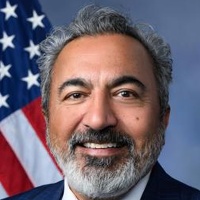
Ami Bera
Representative
CA
Ami Bera
Representative
CA
This Act authorizes the Secretary of the Treasury to mint and issue a series of commemorative gold, silver, and clad coins in 2029 to celebrate the centennial of the United States Foreign Service. The coins will feature designs representing the importance of American diplomacy and the contributions of the Foreign Service. All surcharges collected from the sale of these coins will be paid to the Association for Diplomatic Studies and Training to support its historical preservation work. The Treasury must ensure that the minting and issuance of these coins result in no net cost to the U.S. government.
This act repeals specific sections of a prior reconciliation act to restore previous laws affecting American families and farmers.
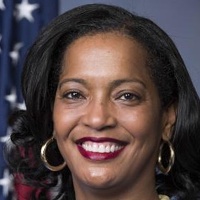
Jahana Hayes
Representative
CT
Jahana Hayes
Representative
CT
The Restoring Food Security for American Families and Farmers Act of 2025 aims to strengthen domestic food security by repealing specific sections of a prior reconciliation act. This action effectively revives the original laws that were previously amended by the repealed provisions. The bill seeks to revert existing agricultural and food-related statutes to their pre-amendment status.
This resolution expresses support for designating November as Prematurity Awareness Month to highlight the urgent maternal and infant health crisis and the need to prevent preterm births.
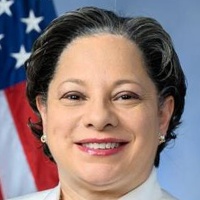
Jennifer McClellan
Representative
VA
Jennifer McClellan
Representative
VA
This resolution expresses support for designating November as Prematurity Awareness Month to highlight the ongoing maternal and infant health crisis in the U.S. It draws attention to alarming rates of preterm birth and unacceptable racial disparities in maternal and infant mortality. The bill advocates for increased investment in research and public health programs to prevent preterm births and reduce associated risk factors.
This bill establishes a permanent Special Envoy for the Human Rights of LGBTQI+ Peoples within the Department of State to advance U.S. policy countering global criminalization, violence, and discrimination against LGBTQI+ individuals.
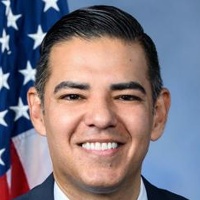
Robert Garcia
Representative
CA
Robert Garcia
Representative
CA
This bill, the International Human Rights Defense Act of 2025, establishes a permanent Special Envoy for the Human Rights of LGBTQI+ Peoples within the Department of State. It codifies U.S. policy to actively combat international criminalization, violence, and discrimination against LGBTQI+ individuals worldwide. The legislation also mandates enhanced reporting on these abuses in annual human rights reports and authorizes assistance to support related protection efforts abroad.
This act mandates the inclusion of Puerto Rico in the annual National Survey on Drug Use and Health starting in fiscal year 2026.
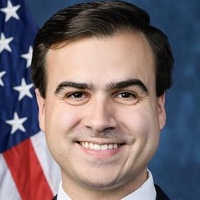
Pablo José Hernández Rivera
Representative
PR
Pablo José Hernández Rivera
Representative
PR
This Act mandates the inclusion of Puerto Rico in the annual National Survey on Drug Use and Health, starting in fiscal year 2026. This ensures that vital substance use and health data is collected specifically for the territory.
This bill establishes November 12, 2025, as Creutzfeldt-Jakob Disease (CJD) Awareness Day to raise public awareness about this rare and fatal brain disorder.
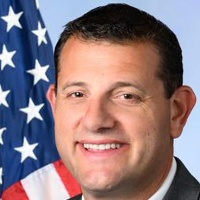
David Valadao
Representative
CA
David Valadao
Representative
CA
This bill officially establishes November 12, 2025, as Creutzfeldt-Jakob Disease (CJD) Awareness Day. The purpose is to raise public awareness about this rare, rapidly progressive, and fatal brain disorder. The House of Representatives supports this day to recognize the unique challenges faced by CJD patients and their families.
This resolution allows a majority of House members to force an end to a designated district work period by submitting letters to the Clerk.
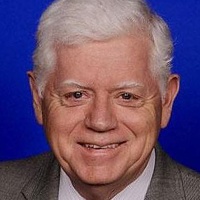
John Larson
Representative
CT
John Larson
Representative
CT
This resolution amends House rules to allow a majority of Representatives to force an end to a designated district work period. If enough members submit letters to the Clerk requesting the end of the recess, the work period must terminate within two days. This measure aims to increase the time the House spends in session by making district work periods more easily interruptible.
This Act establishes strict standards, training, and reporting requirements for federal immigration enforcement personnel regarding the use of force, identification, and equipment.
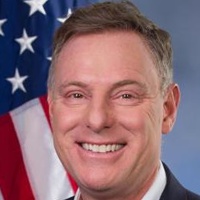
Scott Peters
Representative
CA
Scott Peters
Representative
CA
The Stop Excessive Force in Immigration Act of 2025 establishes strict new standards for the use of non-deadly force by federal immigration personnel, requiring proportionality and de-escalation efforts. The bill mandates identification requirements, restricts the use of certain crowd-control equipment, and imposes new body camera and detailed reporting mandates. Furthermore, it creates affirmative duties for officers to intervene against excessive force and requires annual training on these new policies.
This resolution urges the USDA to use its contingency funds and interchange authority to ensure continued funding for the Supplemental Nutrition Assistance Program (SNAP), especially during potential government shutdowns.
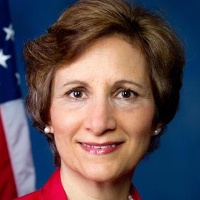
Suzanne Bonamici
Representative
OR
Suzanne Bonamici
Representative
OR
This resolution expresses the sense of the House that the Department of Agriculture should utilize its existing contingency funds and interchange authority to ensure the Supplemental Nutrition Assistance Program (SNAP) remains fully funded. The bill specifically urges the administration to immediately use these resources to finance SNAP operations, particularly during potential government funding lapses. This action is deemed crucial to support millions of vulnerable Americans, including children, seniors, and veterans, who rely on these benefits.
This act mandates that all states allow eligible individuals to register and vote on the same day during federal elections, beginning in November 2026.
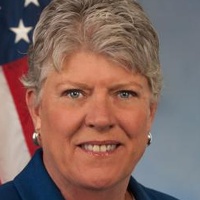
Julia Brownley
Representative
CA
Julia Brownley
Representative
CA
The Same Day Registration Act of 2025 mandates that all states allow eligible individuals to register to vote and cast a ballot on the same day during any federal election, including early voting periods. This requirement applies starting with the November 2026 general election. States without any voter registration requirement for federal elections are exempt from this mandate.
This resolution calls to ban public officials and their families from profiting from cryptocurrency ventures to prevent corruption, conflicts of interest, and foreign influence.
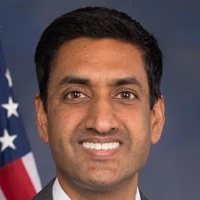
Ro Khanna
Representative
CA
Ro Khanna
Representative
CA
This resolution calls for banning public officials and their families from using their positions for personal enrichment through cryptocurrency ventures. It seeks to prevent conflicts of interest and foreign influence by restricting politicians from issuing or endorsing digital assets. The bill also mandates that current officials holding digital assets place them in a qualified blind trust. Finally, it requires full disclosure of crypto transactions and establishes penalties for violations.
This resolution supports the goals of National Domestic Violence Awareness Month, highlights the pervasive and devastating impact of intimate partner violence across all demographics, and calls for increased funding for prevention and support programs.
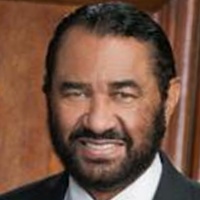
Al Green
Representative
TX
Al Green
Representative
TX
This resolution designates October as National Domestic Violence Awareness Month to highlight the widespread and devastating impact of intimate partner violence across all demographics. It recognizes the urgent need to eliminate domestic violence and supports increased funding for intervention and prevention programs. The resolution underscores the severe physical, emotional, and economic toll this abuse takes on individuals, families, and communities.
This bill extends and modifies various tax credits for energy production, efficiency improvements, and clean vehicle adoption to lower energy costs and support American energy leadership.
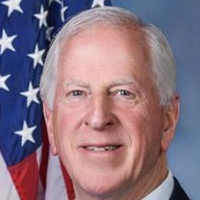
Mike Thompson
Representative
CA
Mike Thompson
Representative
CA
The American Energy Independence and Affordability Act is a comprehensive bill designed to lower energy costs by extending and adjusting key tax incentives across energy production, efficiency, and clean vehicle adoption. It stabilizes support for renewable energy manufacturing, extends deadlines for energy-efficient building credits, and ensures consumer incentives for electric vehicles remain available through 2032. Overall, the legislation aims to provide long-term certainty for energy investments and consumer adoption of cleaner technologies.
This Act mandates that all states must operate the WIC program and guarantees necessary funding through permanent appropriation starting in fiscal year 2026.
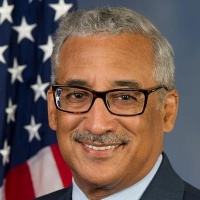
Robert Scott
Representative
VA
Robert Scott
Representative
VA
The WIC Benefits Protection Act mandates that all states must operate the Special Supplemental Nutrition Program for Women, Infants, and Children (WIC). This legislation also guarantees permanent, mandatory funding for WIC starting in fiscal year 2026, ensuring the program has the necessary resources annually. Furthermore, it clarifies eligibility language within the program's governing statute.
This resolution declares the need for increased investment in youth mental health and officially recognizes "Youth Mental Health Day" and "Youth Suicide Prevention Day."
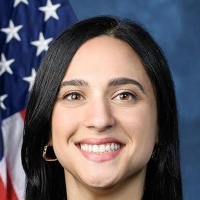
Yassamin Ansari
Representative
AZ
Yassamin Ansari
Representative
AZ
This resolution formally acknowledges the critical state of youth mental health in the U.S., citing alarming rates of anxiety, depression, and suicide. It calls for increased investment in mental health support and encourages the designation of specific days to raise awareness. Ultimately, the bill urges federal, state, and local entities to prioritize comprehensive mental health programs for young people.
This resolution expresses Congressional support for designating October 8, 2025, as "National Hydrogen and Fuel Cell Day" to promote awareness of this clean energy technology.
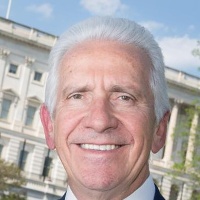
Jim Costa
Representative
CA
Jim Costa
Representative
CA
This resolution expresses the formal support of Congress for designating October 8, 2025, as "National Hydrogen and Fuel Cell Day." It serves as a non-binding statement recognizing the critical role of hydrogen and fuel cell technology in addressing energy, environmental, and economic challenges. The bill highlights the clean, efficient, and versatile applications of this technology across transportation and power generation. Ultimately, it encourages public awareness and continued American innovation in the hydrogen sector.
This act automatically reinstates Department of Energy financial assistance awards that were previously canceled based on the May 15, 2025 Secretarial Memorandum.
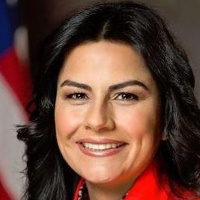
Nanette Barragán
Representative
CA
Nanette Barragán
Representative
CA
The Stop the Trump Electricity Price Hikes Act immediately reinstates financial assistance awards previously canceled by the Department of Energy (DOE). This action specifically reverses cancellations based on the May 15, 2025 Secretarial Memorandum. The bill ensures these awards continue as if they had never been terminated.