This act mandates the inclusion of Puerto Rico in the annual National Survey on Drug Use and Health starting in fiscal year 2026.
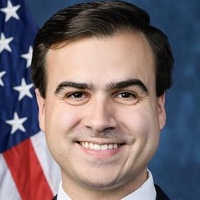
Pablo José Hernández Rivera
Representative
PR
This Act mandates the inclusion of Puerto Rico in the annual National Survey on Drug Use and Health, starting in fiscal year 2026. This ensures that vital substance use and health data is collected specifically for the territory.
Federal Health Survey Must Include Puerto Rico Data Starting in Fiscal Year 2026
This new legislation, the Puerto Rico Substance Use and Health Data Collection Act, is pretty straightforward: it mandates that the annual National Survey on Drug Use and Health (NSDUH) must officially include Puerto Rico in its data collection starting with fiscal year 2026. Basically, it amends Section 505(d) of the Public Health Service Act to ensure this key federal health metric finally covers the territory.
Closing the Data Gap
When we talk about national health surveys, we’re not just talking about academic exercises. These surveys are the backbone of public health funding and resource allocation. They tell the federal government where drug use is trending, what specific substances are causing problems, and where intervention programs need to be placed. Historically, the NSDUH has often excluded Puerto Rico, leaving a significant blind spot in national health statistics. This is a massive issue because if the data doesn't exist, the funding often doesn't follow.
What This Means for Everyday Life in Puerto Rico
Imagine you’re a public health official in San Juan trying to secure federal grants to combat opioid misuse or improve mental health services. Without current, comprehensive, and federally recognized data specific to your population, you’re essentially guessing at the scale of the problem and competing for funds with one hand tied behind your back. This Act changes that. By requiring the inclusion of Puerto Rico, the bill ensures that residents there will be counted, and their specific health challenges will be documented.
For residents, this means that future federal funding for substance abuse treatment centers, prevention programs, and mental health initiatives will be based on real local needs, not just extrapolated estimates. Accurate data leads directly to evidence-based policymaking, which means more effective programs tailored to the unique cultural and logistical landscape of the island. It’s a crucial step toward ensuring equitable access to national health resources and ensuring the territory is no longer overlooked in critical public health planning.