Legislative Activity
Track Lateefah's sponsored bills, co-sponsored legislation, and voting record
This bill directs the President to remove United States Armed Forces from unauthorized hostilities within or against Cuba.
Nydia Velázquez
Representative
NY
Nydia Velázquez
Representative
NY
This bill directs the President to remove United States Armed Forces from any unauthorized hostilities within or against the Republic of Cuba. It asserts that current military actions in the region lack the necessary congressional declaration of war or specific authorization. The directive includes exceptions for self-defense against imminent threats and ongoing lawful counternarcotics operations.
This bill amends the Child Abuse Prevention and Treatment Act to establish dedicated funding allocations and distribution programs specifically for Indian Tribes and Tribal organizations.
Adelita Grijalva
Representative
AZ
Adelita Grijalva
Representative
AZ
The AIAN CAPTA bill amends the Child Abuse Prevention and Treatment Act to ensure Indian Tribes and Tribal organizations receive dedicated federal funding for child abuse prevention and treatment. It establishes a formal allocation process, directing 5 percent of appropriated funds specifically to Tribal programs to better support their unique needs.
This resolution recognizes the observance of Ramadan and Eid al-Fitr in 2026, commends the spiritual significance of the month, and extends best wishes to Muslims globally.

Debbie Dingell
Representative
MI
Debbie Dingell
Representative
MI
This resolution recognizes the observance of the Muslim holy month of Ramadan and the celebration of Eid al-Fitr in 2026. It commends the spiritual significance of Ramadan and extends best wishes to Muslims in the United States and globally. The bill also acknowledges the significant contributions of American Muslims to the nation.
The Energy Bills Relief Act aims to lower energy costs for families by reversing clean energy rollbacks, expanding assistance programs, streamlining grid upgrades, and increasing transparency in utility regulation.
Sean Casten
Representative
IL
Sean Casten
Representative
IL
The Energy Bills Relief Act is a comprehensive bill designed to lower energy costs for American families, accelerate the deployment of low-cost, clean energy, and modernize the nation's electricity grid. It achieves this by reversing harmful policies against renewables, expanding energy assistance programs, streamlining grid connection processes, and increasing transparency in utility regulation. Ultimately, the legislation aims to create a more reliable, affordable, and cleaner energy system while ensuring communities have a stronger voice in energy development.
The Momnibus Act is a comprehensive legislative package designed to improve maternal health outcomes and reduce racial disparities by addressing social determinants, expanding nutritional and mental health support, diversifying the perinatal workforce, and investing in data-driven, community-based care.
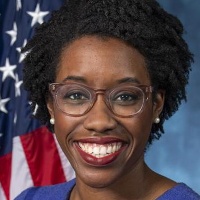
Lauren Underwood
Representative
IL
Lauren Underwood
Representative
IL
The Momnibus Act is a comprehensive legislative package designed to end preventable maternal mortality and close racial and ethnic disparities in maternal health outcomes. By addressing social determinants of health, expanding nutritional and mental health support, and investing in a diverse, culturally competent workforce, the bill provides a holistic framework for improving care. Through targeted federal grants, enhanced data collection, and innovative technology, the Act aims to ensure that all pregnant and postpartum individuals receive the equitable, high-quality care they deserve.
This bill imposes a 50% excise tax on the windfall profits of major oil companies when oil prices exceed 2025 averages, with revenues funding quarterly, income-limited gasoline price rebates for eligible individuals.
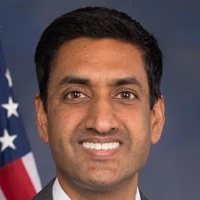
Ro Khanna
Representative
CA
Ro Khanna
Representative
CA
This bill imposes a 50% excise tax on the windfall profits of major oil companies when crude oil prices exceed a 2025 average benchmark. Revenue generated funds a new trust, which is then used to provide quarterly, refundable gasoline price rebates to eligible individuals. The rebate amount is subject to income phase-outs and requires a valid Social Security number for full credit.
This resolution recognizes March 10, 2026, as "Abortion Provider Appreciation Day" to honor the essential care provided by abortion staff and to affirm a commitment to protecting their safety and access to reproductive healthcare.
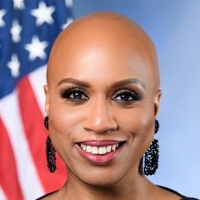
Ayanna Pressley
Representative
MA
Ayanna Pressley
Representative
MA
This resolution recognizes March 10, 2026, as "Abortion Provider Appreciation Day" to honor the essential care and dedication of abortion providers and clinic staff. It highlights the challenges and violence faced by these professionals while affirming a commitment to protecting their safety and ensuring universal access to abortion care. The resolution further condemns legislative and judicial actions that restrict reproductive rights and worsen health inequities.
This bill amends the Fair Labor Standards Act to extend minimum wage and overtime protections to home care workers by removing certain exemptions for casual babysitting and caregiving services.
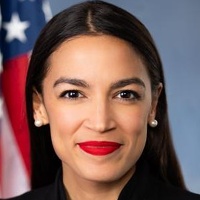
Alexandria Ocasio-Cortez
Representative
NY
Alexandria Ocasio-Cortez
Representative
NY
The Fair Wages for Home Care Workers Act amends the Fair Labor Standards Act to ensure essential wage and overtime protections for caregivers. By updating definitions and removing outdated exemptions, the bill guarantees that home care workers receive the fair compensation and labor standards they deserve.
The ACTION for National Service Act establishes the AmeriCorps Administration as a new Executive department, increases educational awards and participant living allowances, and sets a goal to expand national service positions to one million by 2036.
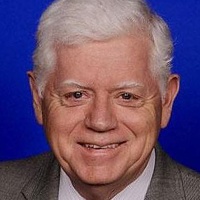
John Larson
Representative
CT
John Larson
Representative
CT
The ACTION for National Service Act restructures the existing national service agency by establishing the **AmeriCorps Administration** as a new Executive department, replacing the Corporation for National and Community Service. The bill significantly expands national service by increasing educational award amounts, raising participant living allowances, and setting a goal to serve one million participants by 2036. It also creates an outreach program to inform young adults about service opportunities and makes national service educational awards and living allowances tax-exempt.
This resolution directs the President to remove U.S. Armed Forces from unauthorized hostilities against Iran, pursuant to the War Powers Resolution.
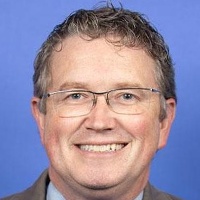
Thomas Massie
Representative
KY
Thomas Massie
Representative
KY
This resolution directs the President, under the authority of the War Powers Resolution, to immediately remove U.S. Armed Forces from unauthorized hostilities against the Islamic Republic of Iran. It asserts that military action must cease unless Congress has formally declared war or passed a specific authorization for the use of force. The bill explicitly states that it does not authorize new military action nor does it impede necessary self-defense against an immediate attack.
The Data Center Community Impact Act establishes a federal grant fund to support infrastructure and community development in areas affected by data centers while mandating a comprehensive study on their environmental and socioeconomic impacts.
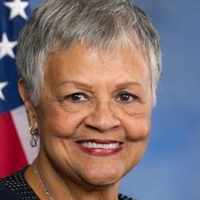
Bonnie Watson Coleman
Representative
NJ
Bonnie Watson Coleman
Representative
NJ
The Data Center Community Impact Act establishes a federal fund to provide grants to state, local, and tribal governments for infrastructure, housing, and environmental projects in communities affected by data center operations. The bill prioritizes support for low-income communities and communities of color, which are often disproportionately impacted by the energy and water demands of these facilities. Additionally, the Act mandates a comprehensive federal study to assess the long-term environmental, economic, and public health effects of data centers on these vulnerable populations.
The Supplemental Security Income Restoration Act of 2026 updates and expands the SSI program by increasing benefit amounts, raising income and resource limits, eliminating marriage penalties, and extending coverage to U.S. territories.
Adelita Grijalva
Representative
AZ
Adelita Grijalva
Representative
AZ
The Supplemental Security Income (SSI) Restoration Act of 2026 aims to modernize and expand the SSI program by significantly increasing income and resource limits, which will be adjusted annually for inflation. The bill eliminates marriage penalties, excludes retirement accounts and certain tribal payments from resource calculations, and simplifies administrative requirements for beneficiaries. Additionally, it extends full SSI program eligibility to Puerto Rico, the U.S. Virgin Islands, Guam, and American Samoa.
The WELLS Act mandates standardized discharge planning for pregnant patients in Medicare-participating hospitals, expands rural maternal care training, and establishes new initiatives to improve maternal health outcomes and data transparency.
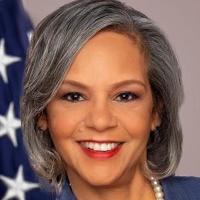
Robin Kelly
Representative
IL
Robin Kelly
Representative
IL
The WELLS Act aims to improve maternal health outcomes by mandating comprehensive discharge planning for pregnant patients in Medicare-participating hospitals. The bill also expands rural obstetric training programs with a focus on racial bias, establishes a research initiative to evaluate maternal healthcare training models, and creates a public dashboard to track national maternal health data.
This act restricts the Department of Defense's sale and purchase of military-grade weapons and ammunition, imposing strict licensing, conduct, and record-keeping requirements on commercial dealers who wish to sell to or buy from the DoD.
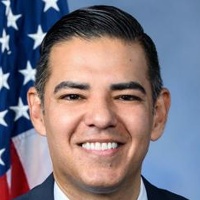
Robert Garcia
Representative
CA
Robert Garcia
Representative
CA
The Stop Militarizing Our Streets Act of 2026 restricts the Department of Defense from selling or purchasing certain military-grade weapons and ammunition from commercial entities. It establishes strict requirements for dealers wishing to sell firearms or ammunition to the DoD, including enhanced background checks, electronic recordkeeping, and limits on ammunition sales. The bill aims to prevent military weaponry from entering the commercial marketplace and ensure accountability among defense contractors.
This resolution urges the President to order U.S. flags flown at half-staff to honor the life and legacy of civil rights leader Reverend Jesse Jackson.
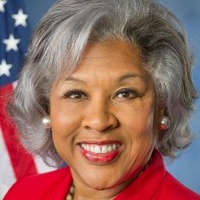
Joyce Beatty
Representative
OH
Joyce Beatty
Representative
OH
This resolution formally honors the life and enduring legacy of civil rights leader Reverend Jesse Louis Burns Jackson, Sr. It recognizes his significant contributions to the Civil Rights Movement, including his work with Dr. Martin Luther King, Jr. and his founding of Operation PUSH. The bill specifically urges the President to order that the U.S. flag be flown at half-staff in his memory.
The PrEP Access and Coverage Act of 2026 mandates comprehensive, cost-free insurance coverage for HIV prevention services across public and private health plans while prohibiting discriminatory insurance practices and funding national education and outreach programs.
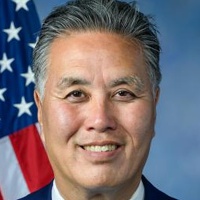
Mark Takano
Representative
CA
Mark Takano
Representative
CA
The PrEP Access and Coverage Act of 2026 mandates comprehensive, cost-free insurance coverage for HIV prevention services (PrEP and PEP) across private health plans, Medicare, Medicaid, TRICARE, and veteran health programs. The bill prohibits insurers from denying coverage or increasing premiums based on the use of HIV prevention medication and establishes robust patient confidentiality protections. Additionally, it authorizes national public health education campaigns and provides grant funding to expand access to prevention services for uninsured and underinsured populations.
The Direct File Act of 2026 establishes a permanent, free, government-owned online tax filing system within the IRS while prohibiting agreements that restrict the government from providing tax preparation services.
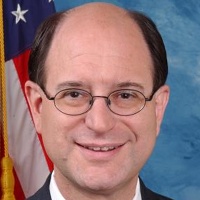
Brad Sherman
Representative
CA
Brad Sherman
Representative
CA
The Direct File Act of 2026 establishes a permanent, free, government-owned online tax filing system within the IRS, ensuring taxpayers have a simplified and accessible way to file their returns. The bill prohibits the Treasury from entering into agreements that restrict the government's ability to provide these services and mandates the integration of state tax filing options. Additionally, it streamlines the tax process by setting new filing deadlines for employer information returns to improve efficiency for all taxpayers.
This bill strengthens democracy by banning foreign spending in U.S. elections, increasing transparency for "dark money" in politics, and mandating clear disclosure of funders in political advertising.
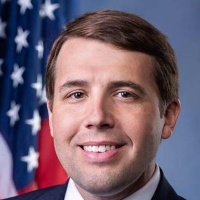
Chris Pappas
Representative
NH
Chris Pappas
Representative
NH
The Democracy Is Strengthened by Casting Light On Spending in Elections Act of 2026 aims to increase transparency and security in U.S. elections. It closes loopholes to ban foreign national spending in elections, mandates disclosure for "dark money" political spending, and requires clear funding disclosures on political ads. The bill also centralizes legal challenges to campaign finance laws in Washington, D.C., for faster resolution.
This resolution honors the life, legacy, and enduring commitment to civil rights and equality of Reverend Jesse Louis Jackson, Sr.
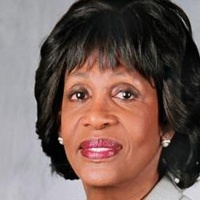
Maxine Waters
Representative
CA
Maxine Waters
Representative
CA
This resolution honors the life, leadership, and enduring legacy of Reverend Jesse Louis Jackson, Sr. It recognizes his pivotal role as a civil rights leader, his groundbreaking political campaigns, and his global advocacy for human rights and equality. The measure encourages all Americans to continue his work by moving forward with hope rather than fear and division.
This act restricts the transfer of surplus military equipment from the Department of Defense to local law enforcement agencies by banning certain military gear and imposing strict new accountability and community notification requirements.
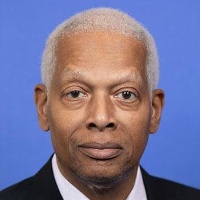
Henry Johnson
Representative
GA
Henry Johnson
Representative
GA
The Stop Militarizing Law Enforcement Act aims to significantly restrict the transfer of surplus military equipment from the Department of Defense to local law enforcement agencies. This bill bans the transfer of many military-grade items, such as armored vehicles and certain weapons, while imposing strict new public notification, local approval, and annual accountability requirements for any approved transfers. The legislation seeks to prevent the inappropriate militarization of police forces by increasing oversight and limiting access to combat-ready gear.