Legislative Activity
Track Lateefah's sponsored bills, co-sponsored legislation, and voting record
This bill officially designates the United States Postal Service facility at 3817 Marysville Boulevard in Sacramento, California, as the "Grantland Johnson Post Office."
Ami Bera
Representative
CA
Ami Bera
Representative
CA
This bill officially designates the United States Postal Service facility located at 3817 Marysville Boulevard in Sacramento, California, as the "Grantland Johnson Post Office." This action ensures the building is officially recognized by its new name in all records and documentation.
This bill mandates stricter federal and state regulation of utility rate-setting by establishing lower return-on-equity ranges and banning numerous non-operational costs from being passed on to consumers.
Gregorio Casar
Representative
TX
Gregorio Casar
Representative
TX
The Lowering Utility Bills Act aims to reduce consumer energy costs by establishing stricter federal and state guidelines for how electric transmission providers and investor-owned utilities calculate their allowed rate of return. The bill mandates using the lowest reasonable return on equity based on market data and explicitly bans passing numerous lobbying, administrative, and political expenses onto customers. Furthermore, it requires utilities to prioritize lower-cost, grid-enhancing technologies when planning new capital expenditures.
This Act establishes a phased-in increase of the federal minimum wage, ultimately tying it to two-thirds of the national median hourly wage while also reforming wages for tipped workers, youth workers, and incarcerated workers, and phasing out subminimum wages for workers with disabilities.
Delia Ramirez
Representative
IL
Delia Ramirez
Representative
IL
The Living Wage For All Act establishes a phased increase of the federal minimum wage, ultimately aiming to tie it to two-thirds of the national median hourly wage. It creates differentiated wage schedules, requiring large corporations to reach higher minimums sooner than other employers. Furthermore, the bill phases out subminimum wages for tipped workers and workers with disabilities, and extends federal wage protections to incarcerated workers.
The HCBS Access Act mandates comprehensive, federally funded home- and community-based services under Medicaid, establishes a distinct classification for direct support professionals, and invests in workforce training and national program evaluation.

Debbie Dingell
Representative
MI
Debbie Dingell
Representative
MI
The HCBS Access Act aims to fundamentally transform long-term care by mandating that all states provide home- and community-based services (HCBS) as a required Medicaid benefit, backed by 100% federal funding. This sweeping legislation seeks to eliminate waiting lists, end institutional bias, and ensure older adults and people with disabilities can receive care in their own homes. Additionally, the bill includes provisions to strengthen the direct care workforce through better classification, training, and grant funding, while also requiring comprehensive national evaluation of the changes.
This bill officially recognizes the week of April 24 through April 30 as the annual "National Reentry Week" to focus on supporting formerly incarcerated individuals and reducing recidivism.
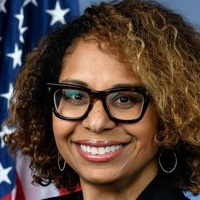
Sydney Kamlager-Dove
Representative
CA
Sydney Kamlager-Dove
Representative
CA
This bill officially designates the week of April 24th through April 30th as "National Reentry Week." It recognizes the challenges of mass incarceration and the high rates of recidivism facing formerly incarcerated individuals. The legislation encourages increased support and investment in programs that promote successful reentry, including access to housing, education, job training, and mental health services. Ultimately, the goal is to foster safer communities by supporting the stability and success of those returning to society.
This Act establishes grant programs to fund community reentry centers and 24/7 assistance hotlines to support individuals after conviction or incarceration.
Sydney Kamlager-Dove
Representative
CA
Sydney Kamlager-Dove
Representative
CA
The One Stop Shop Community Reentry Program Act of 2026 establishes federal grant programs to fund community reentry centers and statewide assistance hotlines. These initiatives aim to provide comprehensive, trauma-informed services to individuals post-conviction or incarceration to reduce recidivism. The Act prioritizes hiring formerly incarcerated individuals and mandates rigorous evaluation and reporting on program outcomes.
The Long-Term Care Workforce Support Act aims to significantly improve the pay, training, working conditions, and stability of the direct care workforce through federal funding, new labor protections, and national compensation strategies.
Debbie Dingell
Representative
MI
Debbie Dingell
Representative
MI
The Long-Term Care Workforce Support Act aims to significantly improve the lives of direct care professionals by increasing their pay, benefits, and training opportunities through federal funding and grants. The bill establishes new labor protections, including fair scheduling, paid sick leave, and workplace violence prevention plans. Ultimately, this legislation seeks to stabilize the essential long-term care workforce to ensure better quality care for older adults and people with disabilities.
This Act expands eligibility for certain Small Business Administration loans to include businesses owned by lawfully present non-citizens and those with principal residences outside the U.S.
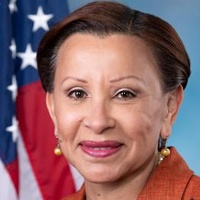
Nydia Velázquez
Representative
NY
Nydia Velázquez
Representative
NY
The Investing in the American Dream Act expands eligibility for Small Business Administration (SBA) loans and guarantees. It allows small businesses owned by certain lawfully present immigrants, refugees, and even some individuals residing outside the U.S. to qualify for covered loans. This legislation ensures that businesses meeting specific ownership and location criteria are not denied SBA assistance solely based on the immigration status of their eligible owners.
This bill raises the minimum age for federal juvenile prosecution, limits murder liability for those under 18, mandates data collection on incarcerated youth, and funds state collaboration between child welfare and juvenile justice systems.
Sydney Kamlager-Dove
Representative
CA
Sydney Kamlager-Dove
Representative
CA
The Directly Impacted Child Rehab and Safety Act amends federal juvenile justice laws to raise the minimum age for prosecution as an adult and limits murder convictions for those under 18 to intentional killings. The bill also mandates comprehensive federal data collection on incarcerated youth and authorizes grants to improve collaboration between state child welfare and juvenile justice systems. These measures aim to prioritize rehabilitation and better address the needs of children in the justice system.
The Second Look Act of 2026 establishes a process for federal inmates serving over ten years to petition the court for sentence reduction based on demonstrated rehabilitation and reduced community danger.
Sydney Kamlager-Dove
Representative
CA
Sydney Kamlager-Dove
Representative
CA
The Second Look Act of 2026 establishes a process for individuals serving long federal prison sentences to petition a court for a sentence reduction after serving at least 10 years. Courts must consider factors like rehabilitation and community safety when deciding on a modification. The bill also creates a rebuttable presumption for release for defendants aged 50 and older and mandates annual reporting by the U.S. Sentencing Commission.
This Act establishes grant programs to support career and technical education for clean energy jobs and to upgrade educational facilities with renewable energy practices.
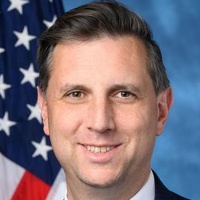
Seth Magaziner
Representative
RI
Seth Magaziner
Representative
RI
The Clean Energy Workforce Act establishes grant programs to bolster career and technical education for jobs in clean energy and related fields. These grants will support the development of specialized curricula and the modernization of educational facilities to align with renewable energy practices. The goal is to prepare students for in-demand careers in climate change mitigation, energy efficiency, and renewable energy sectors.
This bill prohibits the Department of Homeland Security from establishing or operating any new immigration detention models, such as converting warehouses or using tent systems.
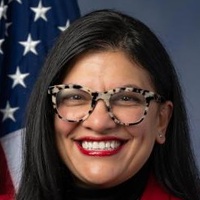
Rashida Tlaib
Representative
MI
Rashida Tlaib
Representative
MI
This bill prohibits the Department of Homeland Security (DHS) from establishing or operating any new models of immigration detention facilities, such as converting warehouses or using temporary structures. It specifically bans entering into new contracts for these alternative detention setups. Furthermore, any funds already allocated for these new models must be transferred to support services like affordable housing and healthcare.
This bill establishes the Savings Opportunity and Affordable Repayment (SOAR) plan, a new income-driven repayment option for federal student loans with lower payments and defined forgiveness timelines.

Rosa DeLauro
Representative
CT
Rosa DeLauro
Representative
CT
The Savings Opportunity and Affordable Repayment Act establishes the new Savings Opportunity and Affordable Repayment (SOAR) plan for federal student loans. This income-driven option features low monthly payments calculated based on a percentage of income above 250% of the federal poverty line. The plan offers loan forgiveness after 10 or 15 years, depending on whether the borrower has undergraduate or graduate loans. Additionally, 50% of each payment is applied directly to the loan principal.
This bill establishes emergency grants to provide hazardous duty pay and safety measures for essential health care workers during declared emergencies or disasters.
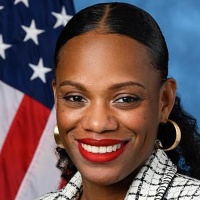
Summer Lee
Representative
PA
Summer Lee
Representative
PA
This bill, the Hazard Pay for Health Care Heroes Act, establishes a grant program to help health care facilities protect essential workers during declared emergencies or disasters. Funds can be used to provide eligible, non-remote health care workers with hazardous duty pay, up to $13 per hour, when their work or commute is deemed hazardous. Additionally, grants can cover safety measures like PPE and alternative transit for these essential personnel.
This resolution expresses support for honoring Earth Day while affirming Congress's commitment to environmental protection, climate action, and reversing recent environmental rollbacks.
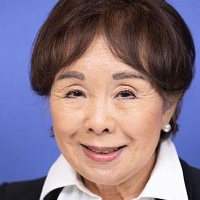
Doris Matsui
Representative
CA
Doris Matsui
Representative
CA
This resolution expresses support for honoring Earth Day and reaffirms Congress's commitment to environmental protection and sustainability. It recognizes the historical impact of Earth Day on the modern environmental movement and calls for continued action against threats like climate change and pollution. The bill urges immediate steps to reduce emissions, address environmental injustices, and ensure a healthy planet for future generations.
This Act establishes federal programs to address the impact of climate change risks, like extreme heat and pollution, on maternal and infant health through grants, education, research, and risk zone identification.
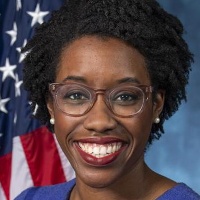
Lauren Underwood
Representative
IL
Lauren Underwood
Representative
IL
The Protecting Moms and Babies Against Climate Change Act directs the Department of Health and Human Services to address how climate change risks, like extreme heat and pollution, harm maternal and infant health. The bill establishes grant programs to support local efforts and education, and mandates research and strategies to identify high-risk zones for pregnant individuals and young children. Its goal is to reduce adverse outcomes such as preterm birth, low birth weight, and maternal mortality linked to climate change.
This bill recognizes the vital contributions of care workers and expresses support for designating April 2026 as "Care Worker Recognition Month."
Debbie Dingell
Representative
MI
Debbie Dingell
Representative
MI
This bill officially recognizes the vital contributions of care workers, including childcare and direct care providers, to families and the U.S. economy. It highlights the critical services they provide that enable others to work and support vulnerable populations. Furthermore, the resolution expresses support for designating April 2026 as "Care Worker Recognition Month" to honor their essential role.
This bill supports designating "Black Maternal Health Week" to highlight the urgent need to address and reduce the severe maternal mortality and morbidity crisis disproportionately affecting Black women and birthing people in the United States.
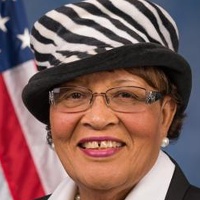
Alma Adams
Representative
NC
Alma Adams
Representative
NC
This bill supports designating a week in April 2026 as "Black Maternal Health Week" to focus national attention on the severe maternal health crisis facing Black women. It highlights the unacceptable and unjust disparities in maternal mortality and morbidity rates among Black women due to structural racism and inequities. The legislation urges Congress to invest in comprehensive maternal care and pass legislation, like the Momnibus Act, grounded in human rights and reproductive justice.
The YouthBuild for the Future Act reauthorizes and updates the YouthBuild program to provide education, job training, and green building experience for low-income young people, while also establishing new grants for employer partnerships.
Jahana Hayes
Representative
CT
Jahana Hayes
Representative
CT
The YouthBuild for the Future Act reauthorizes and updates the YouthBuild program through 2030, providing education, job training, and leadership development for low-income young people, with a focus on green building skills. The bill increases funding authorization and expands allowable services, such as food assistance and help applying for benefits. It also establishes a new grant program to create employer partnerships that connect participants directly to local job opportunities.
The Communications, Video, and Technology Accessibility Act of 2026 comprehensively expands and modernizes accessibility requirements for video programming, playback devices, and communication services to ensure equal access for Americans with disabilities.
Debbie Dingell
Representative
MI
Debbie Dingell
Representative
MI
The Communications, Video, and Technology Accessibility Act of 2026 significantly expands federal accessibility mandates across video programming, communication services, and customer support. This comprehensive bill requires closed captioning and audio description for online content, improves accessibility features on video playback devices, and mandates real-time sign language support for emergency services and customer assistance. Ultimately, the legislation aims to ensure that Americans with disabilities have equal access to modern communication and media technologies.