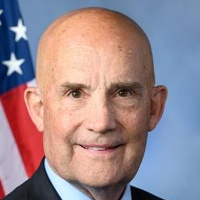
Legislative Activity
Track Keith's sponsored bills, co-sponsored legislation, and voting record
This resolution condemns the Iranian regime’s terrorism and human rights abuses while affirming support for the Iranian people’s right to establish a democratic, secular, and non-nuclear republic.
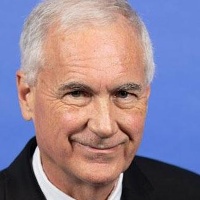
Tom McClintock
Representative
CA
Tom McClintock
Representative
CA
This resolution condemns the Iranian regime for its ongoing human rights abuses, state-sponsored terrorism, and regional instability. It expresses strong support for the Iranian people's struggle for a democratic, secular, and non-nuclear republic. Furthermore, the bill advocates for international accountability for the regime's crimes and calls for the protection of Iranian political refugees.
To award a Congressional Gold Medal to the 761st Tank Battalion, the first Black soldiers to serve in an American armored unit, for their valor and crucial contributions to the Allied victory in Europe.
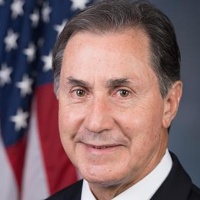
Gary Palmer
Representative
AL
Gary Palmer
Representative
AL
This bill authorizes the Speaker of the House and the President pro tempore of the Senate to award a Congressional Gold Medal to the 761st Tank Battalion, also known as the "Black Panthers," in recognition of their courageous service and crucial contributions during World War II. The medal will be given to the National Museum of African American History and Culture for display, honoring the 761st as the first Black soldiers to serve in an American armored unit and their significant role in the Allied victory in Europe. The bill also allows for the creation and sale of bronze duplicates of the medal to support the United States Mint Public Enterprise Fund.
The "Protecting Life from Chemical Abortions Act" restricts the Department of Health and Human Services (including the FDA) from reducing Risk Evaluation and Mitigation Strategy (REMS) protections for abortion drugs and mandates the collection of standardized abortion data.
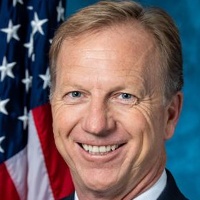
Kevin Hern
Representative
OK
Kevin Hern
Representative
OK
The "Protecting Life from Chemical Abortions Act" restricts the Department of Health and Human Services and the FDA, requiring them to enforce Risk Evaluation and Mitigation Strategy (REMS) requirements for abortion drugs, reinstate the in-person dispensing requirement, and prohibits reducing REMS protections until standardized abortion data is collected by the CDC from every state. It also defines key terms such as "abortion," "abortion drug," and "unborn child" and prohibits the HHS secretary from declaring a public health emergency with respect to abortion.
The "Ending the Cycle of Dependency Act of 2025" modifies work requirements for SNAP benefits and establishes new work requirements for Medicaid recipients aged 19-59, with certain exemptions.
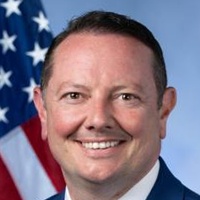
Eric Burlison
Representative
MO
Eric Burlison
Representative
MO
The "Ending the Cycle of Dependency Act of 2025" modifies work requirements for both the Food and Nutrition Act of 2008 and the Social Security Act. It raises the age limit for exemption from work requirements for SNAP benefits and mandates that certain Medicaid recipients between the ages of 19 and 59 must complete at least 80 hours of work, community service, or a work program per month to maintain eligibility. The bill outlines specific exemptions to these work requirements, including individuals with medical conditions, pregnant individuals, and caretakers of young children. States are allowed to disenroll individuals from Medicaid if they do not comply with the work requirements and federal funding is unavailable.
This bill authorizes the creation of a Congressional Gold Medal to honor the volunteers and communities involved with the North Platte Canteen during World War II.
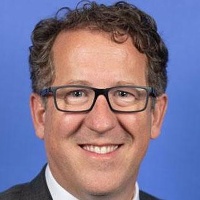
Adrian Smith
Representative
NE
Adrian Smith
Representative
NE
The North Platte Canteen Congressional Gold Medal Act recognizes and honors the volunteers and donors of the North Platte Canteen in Nebraska during World War II with a Congressional Gold Medal. This medal will be presented by the Speaker of the House and the President pro tempore of the Senate, and then displayed at the Lincoln County Historical Museum. The Act also authorizes the creation and sale of bronze duplicates of the gold medal to cover production costs, with proceeds deposited into the Mint's Public Enterprise Fund.
The bill mandates fair-value accounting for federal credit programs, requiring the Congressional Budget Office and the Office of Management and Budget to provide fair-value estimates for loan and loan guarantee programs to ensure budget compliance and transparency.
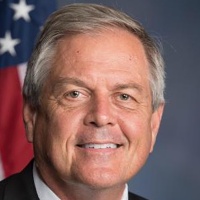
Ralph Norman
Representative
SC
Ralph Norman
Representative
SC
The "Fair-Value Accounting and Budget Act" mandates the use of fair-value estimates, in addition to credit reform estimates, for all federal loan and loan guarantee programs by the Congressional Budget Office (CBO). It requires the CBO to include both fair-value and credit reform estimates in its annual budget and economic outlook. Additionally, the Office of Management and Budget (OMB) must submit an annual report to Congress on fair-value estimates of federal credit programs. Both CBO and OMB are required to use the Government Accounting Standards Board's definition of "fair value" in their estimates.
The COST Act mandates transparency in the use of federal funds by requiring disclosure of the percentage and dollar amount of federal funding in programs, projects, and activities.
Ralph Norman
Representative
SC
Ralph Norman
Representative
SC
The COST Act mandates that any entity using federal funds for a program, project, or activity must disclose the percentage and dollar amount of the total cost covered by these funds in all related documents and communications. Compliance will be certified through performance progress reporting. The Office of Management and Budget will conduct annual reviews and provide a public mechanism for reporting non-compliance.
The "No Asylum for Criminals Act of 2025" makes anyone convicted of a felony or misdemeanor ineligible for asylum, with limited exceptions for certain political offenses.
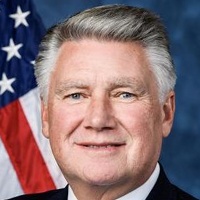
Mark Harris
Representative
NC
Mark Harris
Representative
NC
The "No Asylum for Criminals Act of 2025" amends asylum eligibility, denying it to anyone with a felony or misdemeanor conviction. A felony is defined as any crime defined as a felony by the relevant jurisdiction, or any crime punishable by more than one year of imprisonment, while a misdemeanor is any crime defined as a misdemeanor by the relevant jurisdiction, or any crime not punishable by more than one year of imprisonment. The Secretary of Homeland Security can create exceptions for certain political offenses committed outside the U.S.
This resolution expresses Congressional opposition to imposing new performance fees or royalties on local radio stations and businesses for broadcasting or playing music.
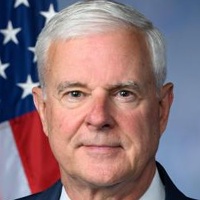
Steve Womack
Representative
AR
Steve Womack
Representative
AR
The Local Radio Freedom Act expresses Congressional opposition to imposing new performance fees, taxes, or royalties on local radio stations and businesses for playing music. It argues that the current system of free airplay provides essential promotional value to artists and that new fees would threaten the financial viability of local broadcasters and the vital community services they provide.
The Officer John Barnes Act requires the Bureau to inform claimants of their benefit eligibility determination within 270 days of receiving a claim.
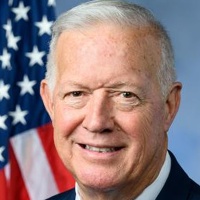
Randy Weber
Representative
TX
Randy Weber
Representative
TX
The Officer John Barnes Act requires the Bureau to inform claimants of their benefit eligibility determination within 270 days of receiving a claim.
The "Death Tax Repeal Act" eliminates estate and generation-skipping transfer taxes, adjusts gift tax calculations, and sets a $10,000,000 lifetime gift exemption.
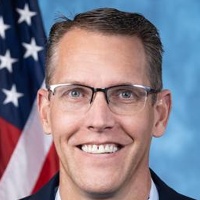
Randy Feenstra
Representative
IA
Randy Feenstra
Representative
IA
The "Death Tax Repeal Act" eliminates both estate and generation-skipping transfer taxes, effective from the date of enactment. It adjusts gift tax calculations by setting the lifetime gift exemption at $10,000,000, with inflation adjustments after 2011. The Act also includes transitional rules for applying certain sections of the Internal Revenue Code during the enactment year.
The SAFE for America Act of 2025 eliminates the diversity visa program, effective October 1, 2025.
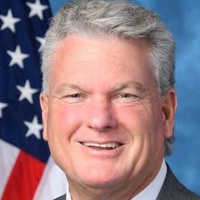
Mike Collins
Representative
GA
Mike Collins
Representative
GA
The SAFE for America Act of 2025 eliminates the Diversity Visa Program, which makes visas available to persons from countries with low rates of immigration to the United States. This is achieved through repealing subsection (c) of Section 203 of the Immigration and Nationality Act. The Act also makes corresponding technical amendments to other sections of the Immigration and Nationality Act to reflect this change. These changes would take effect beginning October 1, 2025.
The "National Right-to-Work Act" prohibits mandatory union membership as a condition of employment, protecting employees' rights to choose whether or not to join or support a labor union.
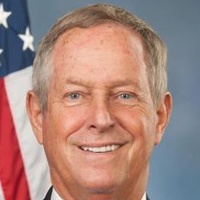
Joe Wilson
Representative
SC
Joe Wilson
Representative
SC
The "National Right-to-Work Act" amends both the National Labor Relations Act and the Railway Labor Act to protect an employee's right to choose whether or not to join or support a labor union. It eliminates the possibility of mandatory union membership or dues payments as a condition of employment, ensuring that employees cannot be forced to join or support a union against their will.
Prohibits U.S. funding to UNRWA and requires a report on past funding.
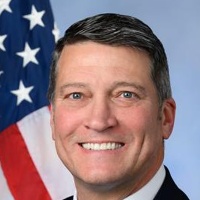
Ronny Jackson
Representative
TX
Ronny Jackson
Representative
TX
The "Uncovering UNRWA's Terrorist Crimes Act" mandates a report from the Secretary of State detailing US funding to UNRWA from 2020-2024 and how those funds were spent. The act also prohibits any further direct or indirect federal funding to UNRWA upon enactment.
Repeals the Impoundment Control Act of 1974, eliminating congressional oversight of presidential decisions to withhold funds.
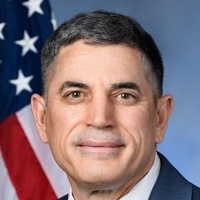
Andrew Clyde
Representative
GA
Andrew Clyde
Representative
GA
This bill repeals the Impoundment Control Act of 1974, eliminating the requirements for the President to report to Congress on decisions to withhold or delay spending of appropriated funds. This removes the process by which Congress can approve or disapprove of these presidential actions.
This bill seeks to reimburse the State of Texas for expenses incurred while securing the southern border between 2021 and 2025 due to the Federal Government's lack of action.
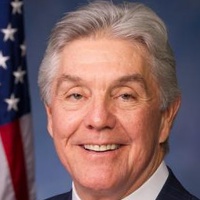
Roger Williams
Representative
TX
Roger Williams
Representative
TX
The "Operation Lone Star Reimbursement Act" seeks to reimburse the State of Texas for the $11.1 billion in expenses incurred for securing the southern border between 2021 and 2025 due to the Federal Government's lack of action. The Governor of Texas must apply for reimbursement from the Department of Homeland Security and the Treasury, including a detailed list of expenses. The Secretary of Homeland Security will review the application and determine eligible expenses, and the Treasury Secretary will then pay Texas the reimbursable amount from unallocated funds.
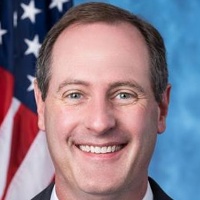
This bill transfers the functions, assets, and responsibilities of the Food for Peace Act from the U.S. Agency for International Development to the Department of Agriculture.
Tracey Mann
Representative
KS
Tracey Mann
Representative
KS
This bill transfers the functions, assets, and responsibilities for implementing the Food for Peace Act from the U.S. Agency for International Development (USAID) to the Department of Agriculture (USDA). The Secretary of Agriculture will now administer the program, though the Famine Early Warning Systems Network will remain under USDA control. This change allows the USDA to quickly update necessary rules to ensure a smooth transition of the program.
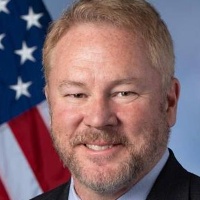
The REAL Meat Act of 2025 prohibits federal funds from supporting cell-cultured meat production, research, or promotion, except for NASA's use of it for off-planet consumption.
Warren Davidson
Representative
OH
Warren Davidson
Representative
OH
The "REAL Meat Act of 2025" prohibits federal funding for cell-cultured meat production, research, and promotion, defining it as lab-grown meat from animal cells. An exception is made, allowing NASA to use federal funds for cell-cultured meat intended for consumption off-planet.
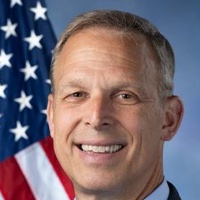
Repeals a mandate requiring kill switches in cars.
Scott Perry
Representative
PA
Scott Perry
Representative
PA
The "No Kill Switches in Cars Act" repeals a section of the Infrastructure Investment and Jobs Act. The repealed section required the Department of Transportation to create a rule mandating that all new cars have advanced drunk and impaired driving prevention technology. This bill prohibits the government from requiring car manufacturers to install kill switches in vehicles.
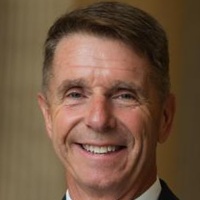
The "Freedom to Invest in Tomorrow's Workforce Act" expands the use of 529 savings accounts to cover expenses related to postsecondary credentialing programs, including tuition, fees, books, supplies, equipment, and testing fees.
Robert Wittman
Representative
VA
Robert Wittman
Representative
VA
The "Freedom to Invest in Tomorrow's Workforce Act" amends Section 529 savings accounts to include expenses related to postsecondary credentialing programs. This allows 529 funds to cover costs like tuition, fees, books, supplies, and testing fees for recognized programs and credentials, as defined by the bill. These changes would apply to distributions made after the bill is enacted.