Legislative Activity
Track Rick's sponsored bills, co-sponsored legislation, and voting record
This Act prohibits payment card networks and processors from forcing firearms retailers to use a unique merchant category code for credit or debit card transactions.
Bill Hagerty
Senator
TN
Bill Hagerty
Senator
TN
The Protecting Privacy in Purchases Act prohibits payment card networks and processors from requiring firearms retailers to use a unique Merchant Category Code (MCC) that singles them out. This ensures that credit and debit card transactions for firearms and ammunition are treated the same as general retail purchases. The Attorney General is tasked with enforcing this prohibition and reporting annually to Congress on compliance efforts.
The ROOT Act modifies data collection and compliance requirements for appropriate use criteria in ordering applicable imaging services, effective January 1, 2026, while establishing exceptions and future reporting on professional compliance.

Marsha Blackburn
Senator
TN
Marsha Blackburn
Senator
TN
The Radiology Outpatient Ordering Transmission (ROOT) Act modifies requirements for tracking the use of clinical decision support tools when ordering applicable imaging services, effective January 1, 2026. It mandates that qualified decision support mechanisms report detailed data to the Secretary of Health and Human Services upon request. The bill also establishes compliance rules for ordering professionals, outlines specific exemptions to these rules, and updates the process for identifying "low compliant" ordering professionals.
The INDEX Act mandates that investment advisers must proportionally follow shareholder instructions when voting proxies for passively managed funds, ensuring investor democracy in proxy decisions.
Dan Sullivan
Senator
AK
Dan Sullivan
Senator
AK
The INDEX Act mandates that investment advisers managing passively managed funds must ensure actual investors have a say in proxy voting by adhering to proportional voting instructions. If instructions are not received for non-routine matters, advisers generally cannot vote those shares unless specific exceptions apply. This legislation aims to enhance investor democracy by clarifying proxy voting responsibilities for funds tracking market indexes.
This Act mandates that health plans cover medically necessary diagnosis and treatment for congenital anomalies or birth defects affecting the eyes, ears, teeth, mouth, or jaw, starting in 2026.

Tammy Baldwin
Senator
WI
Tammy Baldwin
Senator
WI
The Ensuring Lasting Smiles Act mandates that health plans cover medically necessary diagnosis and treatment for congenital anomalies or birth defects affecting the eyes, ears, teeth, mouth, or jaw. This coverage must apply to outpatient and inpatient care, including necessary dental and orthodontic support, unless the procedure is purely cosmetic. These new requirements take effect for plan years beginning on or after January 1, 2026.
The Chip Security Act mandates security mechanisms on advanced integrated circuit products exported from the U.S. to protect national security and prevent unauthorized use.

Tom Cotton
Senator
AR
Tom Cotton
Senator
AR
The Chip Security Act mandates the implementation of security mechanisms on advanced integrated circuit products before they are exported to protect U.S. national security interests. This requires the Secretary of Commerce to ensure chips include features verifying location and reporting unauthorized use or tampering. Furthermore, the Act calls for an assessment and potential rollout of secondary security features to enhance export control compliance and prevent misuse by adversaries. The goal is to maintain the U.S. competitive edge by securing sensitive hardware sent to allies and partners.
This bill establishes a Special Review Board to investigate and remedy any negative career impacts experienced by service members who sought religious exemptions from the COVID-19 vaccine mandate.

Ted Cruz
Senator
TX
Ted Cruz
Senator
TX
This bill establishes a Special Review Board to audit the Department of Defense's handling of religious accommodation requests related to the COVID-19 vaccine mandate. The Board is tasked with identifying service members whose careers were negatively impacted and ordering corrective actions, such as promotions, back pay, and the removal of adverse records. Furthermore, the legislation mandates strict reporting to Congress and an independent audit to ensure accountability and fair restoration for all affected personnel.
This bill restricts the Palestine Liberation Organization's status within UN agencies and limits the United States' membership status in the UN, while explicitly excluding Taiwan from its provisions.

James Risch
Senator
ID
James Risch
Senator
ID
The No Official Palestine Entry Act of 2025 restricts the Palestine Liberation Organization (PLO) from holding any status beyond observer in United Nations agencies. This legislation also modifies the U.S. standing in the UN, prohibiting full membership and capping participation at a level above observer status. Importantly, the Act explicitly states that none of its provisions apply to Taiwan.
This resolution expresses support for designating the week of May 4-10, 2025, as National Small Business Week to celebrate the vital contributions of small businesses and entrepreneurs nationwide.

Joni Ernst
Senator
IA
Joni Ernst
Senator
IA
This resolution expresses strong support for designating the week of May 4 through May 10, 2025, as National Small Business Week. It aims to celebrate the vital contributions of the over 34.5 million small businesses that support tens of millions of jobs nationwide. The bill honors the hard work and entrepreneurial spirit of small business owners in every community.
The PREEMIE Reauthorization Act of 2025 extends research funding for prematurity, mandates the establishment of an interagency working group, and commissions a comprehensive study on the costs, causes, and prevention strategies for preterm births.

Michael Bennet
Senator
CO
Michael Bennet
Senator
CO
The PREEMIE Reauthorization Act of 2025 extends critical federal research funding for preterm labor and the care of low birthweight infants through fiscal year 2029. It mandates the establishment of an interagency working group to coordinate efforts related to prematurity. Furthermore, the bill requires a comprehensive study by the National Academies on the financial costs, causes, prevention, and support opportunities related to preterm births.
This bill enhances service members' understanding of their Servicemembers Civil Relief Act (SCRA) rights through updated financial training, mandates clearer notification of these benefits upon entry to service or mobilization, and strengthens creditor obligations to apply interest rate protections to all pre-service debts.

Jon Ossoff
Senator
GA
Jon Ossoff
Senator
GA
The Improving SCRA Benefit Utilization Act of 2025 aims to strengthen protections for service members under the Servicemembers Civil Relief Act (SCRA). This bill mandates updated financial literacy training that specifically covers SCRA interest rate protections and requires new notification procedures when service members enter active duty or are called up for extended service. Furthermore, it expands the requirement for financial institutions to apply the maximum interest rate cap to *all* pre-service debts upon notification, while also providing flexible options for submitting necessary documentation.
This Act restricts U.S. assessed contributions to the UN from funding specific African Union missions in Somalia (AUSSOM) authorized under UN Resolution 2719, while mandating annual assessments and reporting on compliance and alternative funding.
James Risch
Senator
ID
James Risch
Senator
ID
The AUSSOM Funding Restriction Act of 2025 places strict limitations on the use of U.S. assessed contributions to the United Nations for funding the African Union Mission in Somalia (AUSSOM) under UN Resolution 2719. The bill mandates that the U.S. actively oppose such funding at the UN while simultaneously requiring annual assessments of the African Union's compliance with UN peacekeeping standards. Furthermore, the Secretary of State must report annually to Congress on U.S. peacekeeping contributions, AUSSOM performance, and efforts to secure alternative funding sources.
This Act prohibits higher education accrediting agencies from basing recognition or review on the racial, sexual, or national origin composition of a college's students or staff, while establishing new criteria for "free inquiry."
Jim Banks
Senator
IN
Jim Banks
Senator
IN
The Fairness in Higher Education Accreditation Act revises the criteria for recognizing accrediting agencies, prohibiting them from basing standards or investigations on the racial, gender, or national origin makeup of a college's community. It also defines "free inquiry" requirements for institutions while providing significant exemptions for religious schools. Furthermore, the bill grants colleges the right to file a civil lawsuit if they face loss of accreditation due to an agency violating these new demographic-based restrictions.
The Veterans Opportunity Act of 2025 establishes the Veterans Economic Opportunity and Transition Administration within the VA to centralize and oversee key programs related to veteran employment, education, and housing transition.
Jim Banks
Senator
IN
Jim Banks
Senator
IN
The Veterans Opportunity Act of 2025 establishes the new Veterans Economic Opportunity and Transition Administration within the Department of Veterans Affairs. This Administration will centralize and manage key programs related to veteran employment, education, and housing loans. The bill also creates a new Senate-confirmed position, the Under Secretary for Veterans Economic Opportunity and Transition, to lead this new entity. All transfers of services must be certified to Congress as not negatively impacting veteran service quality before they can take effect.
The Shipbuilding and Harbor Infrastructure for Prosperity and Security for America Act of 2025 establishes centralized maritime oversight, creates a dedicated trust fund, mandates increased U.S. sealift capability, incentivizes domestic shipbuilding, and significantly expands workforce development and benefits for merchant mariners.
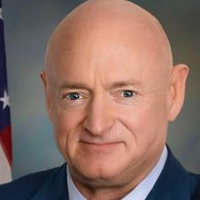
Mark Kelly
Senator
AZ
Mark Kelly
Senator
AZ
The Shipbuilding and Harbor Infrastructure for Prosperity and Security for America Act of 2025 establishes a comprehensive framework to revitalize the U.S. maritime industry, shipbuilding capacity, and merchant marine workforce. It centralizes national maritime oversight, creates a dedicated Maritime Security Trust Fund financed partly by penalties on foreign-linked vessels, and mandates increased use of U.S.-flagged ships for government and certain commercial cargo. Ultimately, the bill aims to secure critical sealift capabilities and boost domestic maritime economic competitiveness against foreign rivals.
This bill prohibits U.S. funding for any United Nations entity that takes action to expel, suspend, or otherwise restrict Israel's full and equal participation.
James Risch
Senator
ID
James Risch
Senator
ID
The Stand with Israel Act prohibits the U.S. government from contributing funds to any United Nations entity that takes action to expel, suspend, or otherwise restrict Israel's full and equal participation. This measure ensures U.S. financial support is withheld from UN bodies that discriminate against Israel.
This resolution formally demands that North Korea immediately release all abducted Japanese citizens, return remains, provide reparations, and apologize for past abductions.
Dan Sullivan
Senator
AK
Dan Sullivan
Senator
AK
This resolution formally condemns North Korea's decades-long abduction of Japanese citizens, emphasizing that these acts violate fundamental human rights. Congress urges North Korea to immediately release all foreign nationals, return the remains of those deceased, and provide reparations and an apology. Furthermore, it calls on the President to consistently raise these demands in all future engagements with North Korean officials.
This bill refines the definition of "foreign country of concern" and clarifies the scope of involvement in malign foreign talent recruitment restrictions.
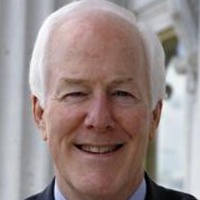
John Cornyn
Senator
TX
John Cornyn
Senator
TX
The United States Research Protection Act of 2025 aims to strengthen national security by clarifying restrictions on malign foreign talent recruitment. This bill updates the definition of a "foreign country of concern" within existing research and innovation laws. It also broadens the scope of prohibited involvement in restricted programs to include both direct and indirect participation.
This bill establishes that distributing fentanyl, under specific quantity thresholds, which results in death can be prosecuted as first-degree murder, punishable by the death penalty or life imprisonment.
Joni Ernst
Senator
IA
Joni Ernst
Senator
IA
The Felony Murder for Deadly Fentanyl Distribution Act of 2025 amends federal law to classify the distribution of fentanyl that results in death as first-degree murder. This severe charge applies when an individual distributes at least two grams of a fentanyl mixture (or half a gram of an analogue) and that distribution is the cause of death. Convictions under this provision carry a penalty of either the death penalty or life imprisonment without parole.
This resolution supports National Fentanyl Awareness Day in 2025 to increase public awareness about the deadly impact of counterfeit fentanyl pills, especially on young people.
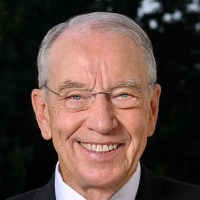
Charles Grassley
Senator
IA
Charles Grassley
Senator
IA
This resolution officially supports the mission of National Fentanyl Awareness Day in 2025 to combat the deadly counterfeit pill crisis. It highlights the severe danger posed by fake pills containing lethal doses of fentanyl, which are increasingly accessible to young people. The bill aims to increase public awareness regarding this threat and applauds law enforcement efforts to stop the spread of illicit drugs.
This bill mandates the Social Security Administration to replace existing terminology regarding retirement ages with new, standardized terms by January 1, 2027.
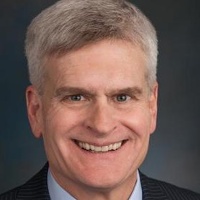
Bill Cassidy
Senator
LA
Bill Cassidy
Senator
LA
The Claiming Age Clarity Act standardizes the terminology used by the Social Security Administration (SSA) when discussing retirement ages. This legislation replaces terms like "full retirement age" and "early eligibility age" with clearer, consistent language such as "standard monthly benefit age" and "minimum monthly benefit age." The SSA is mandated to update all official materials to reflect this new terminology by January 1, 2027.