This resolution recognizes that climate change is intensifying wildfires and calls for fully funding federal wildfire prevention and response efforts.
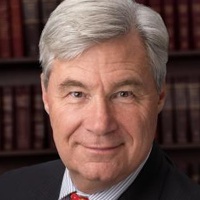
Sheldon Whitehouse
Senator
RI
This resolution formally recognizes that climate change is significantly increasing the frequency, intensity, and destructiveness of wildfires across the nation. It highlights the documented evidence linking rising global temperatures and drought to longer, more severe fire seasons. The resolution further acknowledges the immense economic costs and human toll of these events, such as the 2025 Los Angeles fires. Ultimately, it calls for fully funding and staffing federal efforts to prevent and respond to this growing wildfire risk.
Resolution Formally Links Climate Change to Wildfire Crisis, Calls for Full Federal Funding
This resolution is essentially Congress putting its signature on a scientific fact sheet about the modern wildfire crisis. It doesn't create a new law or allocate a single dollar, but it formally establishes the legislative branch's position that climate change is directly responsible for making wildfires worse—more frequent, more intense, and more destructive.
The Science, Signed and Sealed
The core of this resolution is a series of specific findings that tie the increase in fire activity directly to human-caused climate change. It cites data showing that warmer temperatures and drought are creating "fire weather" that is both more common and longer-lasting, particularly in the American West. If you’ve felt like fire season starts earlier and ends later every year, the U.S. Forest Service backs you up: the resolution notes that the season has stretched from a typical four months to six to eight months.
The Cost of Burning
For anyone keeping an eye on the budget, the economic findings are staggering. The U.S. Geological Survey calculates that the annual cost of wildfires to the United States is $424 billion, and that figure doesn't even include the impact on human health. That’s a massive hidden tax on every single person, whether you live near a forest or not, because those costs translate into higher insurance premiums, increased federal disaster relief spending, and supply chain disruptions.
Grounding the Crisis in Reality
To drive the point home, the resolution references a specific, devastating event: the January 7, 2025, Los Angeles fires. It notes that this cluster of fires destroyed over 15,000 homes and businesses and killed dozens of people. Crucially, it cites a study confirming that climate change "meaningfully increased the likelihood" of these specific fires. This moves the discussion from abstract climate models to concrete, local tragedy, making it clear that this isn't just a problem for remote wilderness areas—it’s a metropolitan threat.
The Call to Action
The resolution concludes by acknowledging the reality of this climate-driven risk and stating the necessity to "fully fund and staff federal wildfire prevention and response activities." This is the policy punchline. While the resolution itself doesn't write the checks, it serves as a powerful mandate for future budget bills. For federal agencies like the Forest Service and FEMA, this is a green light to argue for significantly increased resources. For taxpayers, this means recognizing that while this increased funding is essential for safety, it will eventually show up in budget debates and require dedicated resources—meaning increased federal spending to offset the $424 billion annual cost of not preventing these fires.