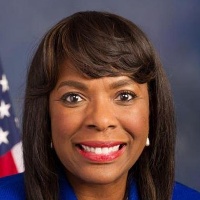
Legislative Activity
Track Terri's sponsored bills, co-sponsored legislation, and voting record
This Act establishes new penalties and proficiency requirements for tax return preparers, including stricter rules for identification numbers, increased fines for improper conduct, and formal procedures for PTIN suspension or revocation.
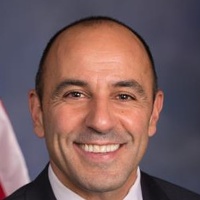
Jimmy Panetta
Representative
CA
Jimmy Panetta
Representative
CA
The Taxpayer Protection and Preparer Proficiency Act aims to increase accountability and competence among tax return preparers. It establishes new and increased penalties for improper alterations, misuse of identification numbers, and misappropriation of taxpayer refunds. Furthermore, the bill institutes formal federal requirements for obtaining and renewing Preparer Tax Identification Numbers (PTINs), including suitability and education standards, and grants the IRS authority to suspend or revoke these numbers for misconduct.
The CARE for Moms Act aims to combat the maternal health crisis by expanding postpartum Medicaid coverage, funding quality improvement collaboratives, supporting the doula workforce, and establishing mobile health units for rural areas, while also increasing tobacco taxes.
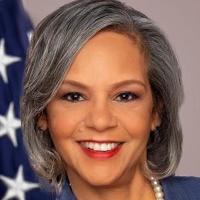
Robin Kelly
Representative
IL
Robin Kelly
Representative
IL
The CARE for Moms Act aims to combat the rising maternal mortality crisis in the U.S. through significant federal investments and policy changes. The bill establishes grant programs to support state quality collaboratives and expand the doula workforce. Crucially, it mandates 12 months of postpartum coverage under Medicaid and CHIP, alongside requiring oral health services for pregnant and new mothers. Finally, the Act increases federal excise taxes on tobacco products to fund these maternal health initiatives.
The SAWMILL Act establishes a USDA loan guarantee program to support sawmills and wood-processing facilities that reduce the cost of ecological restoration on federal lands.

Dan Newhouse
Representative
WA
Dan Newhouse
Representative
WA
The SAWMILL Act establishes the Timber Production Expansion Guaranteed Loan Program within the Department of Agriculture. This program provides loan guarantees to rural sawmills and wood-processing facilities located near federal lands needing ecological restoration. These facilities must help substantially reduce the cost of removing vegetation from high-priority federal lands. The total loan guarantees are capped at $220 million.
This act establishes a \$462.5 million emergency fund to ensure SNAP benefits continue without reduction during funding shortfalls or government shutdowns, while also protecting essential program staff from furlough.
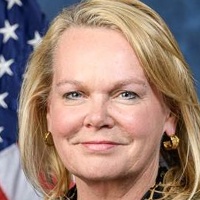
April McClain Delaney
Representative
MD
April McClain Delaney
Representative
MD
The Food Bank Emergency Support Act of 2025 establishes a \$462.5 million emergency fund to ensure the Supplemental Nutrition Assistance Program (SNAP) can continue providing full benefits during funding shortfalls or government shutdowns. These funds are specifically appropriated to prevent benefit reductions when other resources are insufficient. Furthermore, the Act ensures essential SNAP staff can continue working during a lapse in appropriations.
The Healthy MOM Act establishes special enrollment periods for pregnancy across various health plans, mandates maternity coverage for dependents, and ensures continuous 12-month Medicaid and CHIP coverage for pregnant and postpartum individuals.
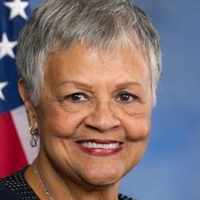
Bonnie Watson Coleman
Representative
NJ
Bonnie Watson Coleman
Representative
NJ
The Healthy Maternity and Obstetric Medicine Act, or Healthy MOM Act, aims to improve maternal and newborn health outcomes by ensuring comprehensive maternity coverage is accessible. It establishes special enrollment periods for pregnant individuals across various health plans and mandates that dependent coverage must include maternity care. Furthermore, the bill secures continuous 12-month postpartum coverage under Medicaid and CHIP and adjusts federal employee health benefit rules regarding pregnancy.
This bill establishes temporary monthly economic recovery payments of \$200 for eligible Social Security, SSI, Railroad Retirement, and veterans benefit recipients from January 1, 2026, through June 30, 2026.
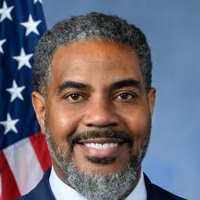
Steven Horsford
Representative
NV
Steven Horsford
Representative
NV
This bill, the Social Security Emergency Inflation Relief Act, establishes temporary economic recovery payments for eligible recipients of Social Security, SSI, Railroad Retirement, and Veterans benefits. It provides an additional $200 payment monthly to these individuals from January 1, 2026, through June 30, 2026. These payments are designed to be non-taxable and will not affect eligibility for other federal benefits.
This act establishes a grant program to fund diabetes treatment and prevention services in medically underserved urban and rural communities.

Maxine Waters
Representative
CA
Maxine Waters
Representative
CA
The Urban and Rural Diabetes Initiative Act establishes a new grant program to improve diabetes treatment access in medically underserved urban and rural areas. This funding supports eligible health providers in offering comprehensive diabetes care, including routine treatment, education, and specialized services like eye and foot care. The Secretary of Health and Human Services will award these grants, ensuring equitable distribution across both urban and rural communities.
This bill excludes restitution and civil damages awarded to human trafficking survivors from federal gross income for tax purposes.
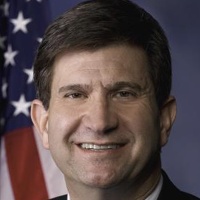
Bradley Schneider
Representative
IL
Bradley Schneider
Representative
IL
This bill, the Human Trafficking Survivor Tax Relief Act, amends the Internal Revenue Code to ensure that restitution and civil damages awarded to human trafficking survivors are excluded from their federal gross income. This provision aims to provide financial relief by preventing survivors from being taxed on the monetary compensation they receive for their recovery.
This Act prohibits discrimination based on religion, sex, or marital status in federally funded child welfare services to improve outcomes for all children, especially LGBTQ youth.

Danny Davis
Representative
IL
Danny Davis
Representative
IL
The John Lewis Every Child Deserves a Family Act prohibits discrimination based on religion, sex, or marital status in federally funded child welfare services. This aims to increase the number of stable, family-like placements for children, especially for LGBTQ youth who are overrepresented in foster care. The bill mandates federal guidance, training, and data collection to improve safety and well-being outcomes for all children involved in the system.
This Act provides liability protection for individuals and organizations who donate or distribute menstrual products in good faith to those in need.

Grace Meng
Representative
NY
Grace Meng
Representative
NY
The Good Samaritan Menstrual Products Act provides liability protections for individuals, manufacturers, and nonprofit organizations that donate or distribute menstrual products in good faith to those in need. This protection covers the nature, age, or condition of apparently usable donated products. However, these protections do not apply in cases of gross negligence or intentional misconduct.
The Find It Early Act mandates no-cost coverage for additional, recommended breast cancer screenings for high-risk individuals across private insurance, Medicare, Medicaid, TRICARE, and VA health programs starting in 2026.

Rosa DeLauro
Representative
CT
Rosa DeLauro
Representative
CT
The Find It Early Act mandates that certain individuals at increased risk for breast cancer receive additional, recommended screenings with no out-of-pocket costs. This coverage requirement applies across private health plans, Medicare, Medicaid, TRICARE, and the Department of Veterans Affairs. These provisions are set to take effect starting January 1, 2026.
This resolution recognizes the epidemic of violence against transgender people, memorializes those lost this year, and calls for action to ensure their safety and dignity.

Pramila Jayapal
Representative
WA
Pramila Jayapal
Representative
WA
This resolution supports the goals of Transgender Day of Remembrance by recognizing the ongoing epidemic of violence targeting transgender people, particularly transgender women of color. It memorializes the lives lost this year and highlights the systemic barriers, including discrimination and lack of healthcare access, faced by the transgender community. The bill calls for urgent action from the government to protect these lives through inclusive legislation and policies that ensure dignity and respect for all individuals.
This bill refines Medicare payment systems to improve patient access to new kidney care treatments, adjusts payment updates based on forecast accuracy, and expands Medicare coverage for kidney disease screening and education.
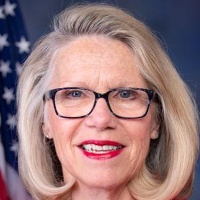
Carol Miller
Representative
WV
Carol Miller
Representative
WV
The Kidney Care Access Protection Act aims to improve patient access to innovative kidney care treatments by reforming Medicare payment systems for new drugs and devices. It also addresses payment stability by adjusting for forecast errors in dialysis service updates and enhances prevention efforts. Finally, the Act expands Medicare coverage for chronic kidney disease screening and education services starting in 2026.
This bill expands Medicare coverage for medical nutrition therapy services to treat a wider range of chronic conditions and allows more healthcare providers to order these services.
Robin Kelly
Representative
IL
Robin Kelly
Representative
IL
This bill, the Medical Nutrition Therapy Act of 2025, aims to significantly expand Medicare coverage for medical nutrition therapy services. It broadens the list of covered chronic conditions beyond diabetes and kidney disease to include obesity, hypertension, cancer, and more. Furthermore, the legislation allows a wider range of healthcare providers, such as nurse practitioners and physician assistants, to order these medically necessary nutrition services.
This act mandates Medicare coverage for FDA-approved early detection screening tests for Alzheimer's disease and related dementias beginning in 2028.

Vern Buchanan
Representative
FL
Vern Buchanan
Representative
FL
The Alzheimer’s Screening and Prevention Act of 2025 (ASAP Act) amends Medicare to cover early detection screening tests for Alzheimer's disease and related dementias starting in 2028. This coverage applies to FDA-cleared tests, including genomic sequencing and other equivalent diagnostic methods, designed to detect pre-symptomatic or early-stage conditions. The bill ensures these screenings are added to the list of covered medical services under Medicare.
This bill establishes sanctions against foreign individuals responsible for human rights violations against LGBTQI people and mandates enhanced tracking and reporting of such abuses in annual human rights reports.
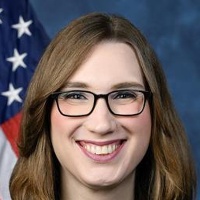
Sarah McBride
Representative
DE
Sarah McBride
Representative
DE
The Global Respect Act aims to promote and protect the human rights of LGBTQI individuals worldwide. It mandates the President to identify and report foreign persons responsible for human rights violations against LGBTQI people, leading to their inadmissibility to the United States. Furthermore, the Act requires enhanced tracking and reporting of violence and discrimination targeting individuals based on sexual orientation, gender identity, or sex characteristics in the annual human rights reports.
This act repeals specific sections of a prior reconciliation act to restore previous laws affecting American families and farmers.
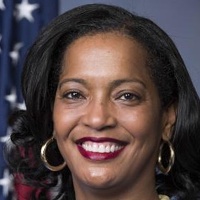
Jahana Hayes
Representative
CT
Jahana Hayes
Representative
CT
The Restoring Food Security for American Families and Farmers Act of 2025 aims to strengthen domestic food security by repealing specific sections of a prior reconciliation act. This action effectively revives the original laws that were previously amended by the repealed provisions. The bill seeks to revert existing agricultural and food-related statutes to their pre-amendment status.
The NEST Act establishes provisions for purchasing and distributing essential newborn supply kits to mothers and infants using reserved federal funds.

Julia Letlow
Representative
LA
Julia Letlow
Representative
LA
The Newborns Essentials Support Toolkit (NEST) Act establishes a program to purchase and distribute essential supply kits to mothers recovering from childbirth and their newborn infants. These kits will contain necessary supplies, educational materials on maternal health resources, and information on federal support programs. The legislation reserves federal funds from 2026 through 2030 to award grants to nonprofit entities for the nationwide distribution of these kits, prioritizing areas of greatest need.
This resolution supports the goals of National Rural Health Day by recognizing the vital role of rural communities and committing to policies that improve rural healthcare access and affordability.
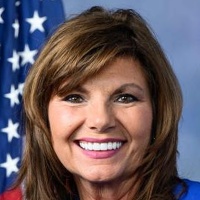
Diana Harshbarger
Representative
TN
Diana Harshbarger
Representative
TN
This resolution officially recognizes and supports the goals of National Rural Health Day to honor the vital role of rural communities and their healthcare providers. It acknowledges the unique challenges faced by rural residents, such as limited access to care and hospital closures. The bill expresses a commitment to advancing policies that improve the accessibility and affordability of healthcare in rural America.
This bill establishes a permanent Special Envoy for the Human Rights of LGBTQI+ Peoples within the Department of State to advance U.S. policy countering global criminalization, violence, and discrimination against LGBTQI+ individuals.
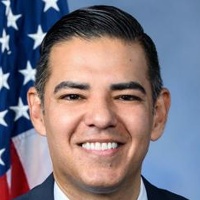
Robert Garcia
Representative
CA
Robert Garcia
Representative
CA
This bill, the International Human Rights Defense Act of 2025, establishes a permanent Special Envoy for the Human Rights of LGBTQI+ Peoples within the Department of State. It codifies U.S. policy to actively combat international criminalization, violence, and discrimination against LGBTQI+ individuals worldwide. The legislation also mandates enhanced reporting on these abuses in annual human rights reports and authorizes assistance to support related protection efforts abroad.