This bill establishes a grant program to fund campaigns encouraging service providers to ask clients about their military service to better connect them with veteran resources.
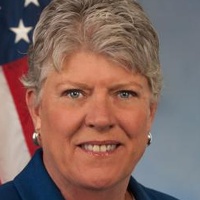
Julia Brownley
Representative
CA-26
The Have You Served Act establishes a grant program to fund "Ask the Question Campaigns." These campaigns encourage service providers to ask clients about their military service to better connect them with veteran resources. The Secretary of Veterans Affairs will award up to 25 grants annually to eligible states and tribes to support training and campaign costs.
New 'Have You Served Act' Creates $6 Million Grant Program to Connect Veterans with Resources
The new “Have You Served Act” sets up a five-year grant program run by the Department of Veterans Affairs (VA) to improve how social service providers identify and help veterans. Starting in Fiscal Year 2026 and running through 2030, the bill authorizes $6 million annually for grants up to $200,000 each. The core idea is to fund “Ask the Question Campaigns,” which train professionals in human services, local government, and community organizations to ask clients if they or a loved one have served in the military, and then connect them to VA and community resources.
The Idea: No Veteran Left Unasked
This bill targets a real-world problem: many veterans who need help—especially mental health support or assistance with social determinants of health—don't interact directly with the VA. Instead, they might be talking to a local housing counselor, a food bank worker, or a state social worker. This legislation aims to turn those everyday interactions into a vital first step for outreach. Grant money must be used to develop training programs on how to appropriately ask about military service and what resources are available, covering associated costs like staffing and technology.
Who Gets the Money and Why?
Only states and American Indian or Alaska Native tribes are eligible to apply for these grants, and there’s a major catch: they must already have a veteran suicide prevention plan in place, often called a Governors Challenge Action Plan. This requirement means the grant isn't just about asking a question; it’s about plugging that question into an existing, comprehensive strategy for suicide prevention. The VA is authorized to award up to 25 grants each year, providing technical assistance to ensure consistency and share best practices, including information on the VA’s own screening protocols for suicide risk.
The Real-World Impact: Closing the Gap
Think about a veteran who is struggling with housing instability and visits a state-run employment office. Under this new program, the job counselor would be trained to ask about military service. If the answer is yes, that counselor could immediately connect the veteran to a specific VA housing program or a local veteran service officer, rather than just offering general unemployment services. For the veteran, this means faster, more targeted access to benefits they earned but might not know how to claim. For the state, it means better coordination of services and potentially reducing the burden on non-veteran-specific programs.
Implementation and Accountability
The funding is set at $6 million per year for five years (FY 2026–2030), making it a time-limited program that relies on annual appropriations. While the focus is strong, the time limit introduces uncertainty about long-term sustainability. To ensure the money is spent effectively, grant recipients must submit annual reports detailing key performance indicators for their training. The VA, in turn, must report annually to Congress on the overall performance. The bill also requires the VA to develop a plan with the Office of Management and Budget (OMB) to implement similar campaigns within federal agencies that offer social services or healthcare, pushing this identification strategy beyond just the state and tribal level.