This act establishes a grant program to fund diabetes treatment and prevention services in medically underserved urban and rural communities.
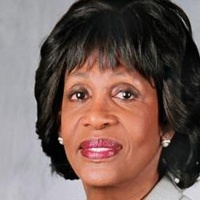
Maxine Waters
Representative
CA-43
The Urban and Rural Diabetes Initiative Act establishes a new grant program to improve diabetes treatment access in medically underserved urban and rural areas. This funding supports eligible health providers in offering comprehensive diabetes care, including routine treatment, education, and specialized services like eye and foot care. The Secretary of Health and Human Services will award these grants, ensuring equitable distribution across both urban and rural communities.
New Diabetes Initiative Funds Comprehensive Care in Underserved Areas from 2026 to 2031
The new Urban and Rural Diabetes Initiative Act is essentially setting up a dedicated federal grant program to tackle diabetes care in communities that usually get overlooked. Starting in 2026 and running through 2031, this bill authorizes funding for grants managed by the Secretary of Health and Human Services (HHS).
Think of this as targeted funding for the local heroes—the nonprofit clinics, the rural health centers, the Tribal health departments, and the Federally Qualified Health Centers (FQHCs) that are already doing the heavy lifting in medically underserved areas. The goal is simple: make sure people in these areas aren't left behind when it comes to managing a serious, chronic condition like diabetes.
The Full-Service Diabetes Package
This isn't just about handing out insulin pens. The bill mandates that any provider receiving this grant money must offer a comprehensive suite of services. This means routine diabetic care, sure, but also public education on prevention, and, crucially, specialized care for the nasty complications that often come with diabetes: eye care, foot care, and treatment for kidney disease. If you’re a construction worker in a remote area or a shift manager in an inner-city neighborhood, this means your local clinic could finally afford to bring in the specialists needed to check your eyes and feet—things that often require long, costly trips otherwise.
Furthermore, providers must agree to deliver these services in ways that are culturally and linguistically appropriate for the community they serve. If your neighborhood primarily speaks Spanish or a specific Tribal language, the clinic needs to staff up and adjust its materials accordingly. This is a smart provision that recognizes that healthcare only works when people can actually understand the instructions.
Balancing the Map: Urban vs. Rural Needs
One of the trickier parts of the bill is how the money gets distributed. The legislation requires the HHS Secretary to ensure an “equitable geographic distribution of funds” and “balance the needs of both urban and rural communities.” On the one hand, this is great because it means neither the crowded city health departments nor the far-flung rural clinics can be ignored. On the other hand, the definition of “equitable” is left entirely up to the Secretary.
For example, does “equitable” mean 50/50, or does it mean distributing funds based on population density, or perhaps the percentage of residents with diabetes? That discretion could be a source of debate down the line, but for now, the intent is clear: this is not just a rural bill or just an urban bill; it’s designed to help underserved areas wherever they are.
What This Means for You
If you or someone you know lives in a neighborhood where getting quality diabetic care is a real struggle—maybe the nearest endocrinologist is two hours away, or the local clinic is overwhelmed—this grant program could be a game-changer. It means your local FQHC might finally get the resources to expand its services, hire more staff, and run outreach programs to make sure people know these services exist. It’s a targeted investment in public health that directly supports the safety net providers already working hard in high-need communities.