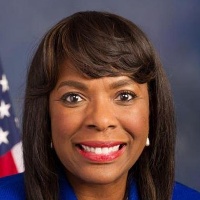
Legislative Activity
Track Terri's sponsored bills, co-sponsored legislation, and voting record
This bill establishes a permanent Special Envoy for the Human Rights of LGBTQI+ Peoples within the Department of State to advance U.S. policy countering global criminalization, violence, and discrimination against LGBTQI+ individuals.
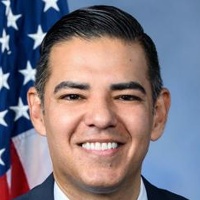
Robert Garcia
Representative
CA
Robert Garcia
Representative
CA
This bill, the International Human Rights Defense Act of 2025, establishes a permanent Special Envoy for the Human Rights of LGBTQI+ Peoples within the Department of State. It codifies U.S. policy to actively combat international criminalization, violence, and discrimination against LGBTQI+ individuals worldwide. The legislation also mandates enhanced reporting on these abuses in annual human rights reports and authorizes assistance to support related protection efforts abroad.
This bill requires the Comptroller General to review the Department of Veterans Affairs' medical care budget submissions for fiscal years 2026 through 2028 and report the findings to relevant Congressional committees.
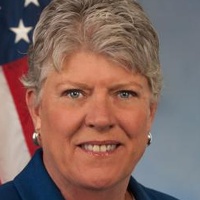
Julia Brownley
Representative
CA
Julia Brownley
Representative
CA
The Veterans Healthcare Improvement Act mandates that the Comptroller General review the Department of Veterans Affairs (VA) medical care budget submissions for fiscal years 2026 through 2028. Following each review, the Comptroller General must report the findings to relevant Congressional committees. This process aims to increase transparency and oversight of the VA's medical care funding requests.
This bill mandates the Secretary of Veterans Affairs to report to Congress on the prevalence, support, and research efforts related to Amyotrophic Lateral Sclerosis (ALS) among veterans.
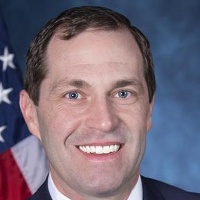
Jason Crow
Representative
CO
Jason Crow
Representative
CO
The Veterans with ALS Reporting Act requires the Secretary of Veterans Affairs to submit a comprehensive report to Congress on the prevalence of Amyotrophic Lateral Sclerosis (ALS) among veterans. This report must detail current support resources, identify gaps, and propose plans for reducing ALS incidence and improving clinical trial access for affected veterans. The VA will also be required to continuously track ALS rates using the CDC's existing registry.
This bill establishes a grant program to fund campaigns encouraging service providers to ask clients about their military service to better connect them with veteran resources.
Julia Brownley
Representative
CA
Julia Brownley
Representative
CA
The Have You Served Act establishes a grant program to fund "Ask the Question Campaigns." These campaigns encourage service providers to ask clients about their military service to better connect them with veteran resources. The Secretary of Veterans Affairs will award up to 25 grants annually to eligible states and tribes to support training and campaign costs.
This Act establishes strict standards, training, and reporting requirements for federal immigration enforcement personnel regarding the use of force, identification, and equipment.
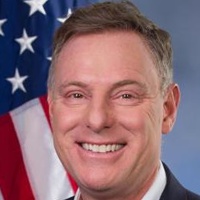
Scott Peters
Representative
CA
Scott Peters
Representative
CA
The Stop Excessive Force in Immigration Act of 2025 establishes strict new standards for the use of non-deadly force by federal immigration personnel, requiring proportionality and de-escalation efforts. The bill mandates identification requirements, restricts the use of certain crowd-control equipment, and imposes new body camera and detailed reporting mandates. Furthermore, it creates affirmative duties for officers to intervene against excessive force and requires annual training on these new policies.
This Act ensures uninterrupted funding and operation for the SNAP and WIC programs through fiscal year 2026, even if appropriations for the Department of Agriculture are delayed.
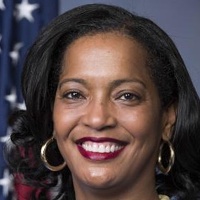
Jahana Hayes
Representative
CT
Jahana Hayes
Representative
CT
The Keep SNAP and WIC Funded Act of 2025 ensures that the Supplemental Nutrition Assistance Program (SNAP) and the Special Supplemental Nutrition Program for Women, Infants, and Children (WIC) continue to operate without interruption in fiscal year 2026 if standard appropriations are delayed. If funding lapses, the Secretary of Agriculture is authorized to use funds from the Treasury to provide benefits and reimburse state agencies. This special funding remains in effect until full appropriations are enacted or until September 30, 2026.
This bill removes numerical limitations on nonimmigrant admissions for individuals employed by the Department of Veterans Affairs or certified State homes.
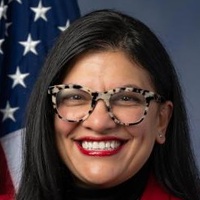
Rashida Tlaib
Representative
MI
Rashida Tlaib
Representative
MI
The Expanding Health Care Providers for Veterans Act removes numerical limitations on nonimmigrant admissions for individuals employed by the Department of Veterans Affairs or a certified State home. This change aims to increase the healthcare workforce available to veterans. The Act also ensures that certain entry restrictions for H-1B nonimmigrants will not apply to these specific healthcare providers.
This resolution allows a majority of House members to force an end to a designated district work period by submitting letters to the Clerk.
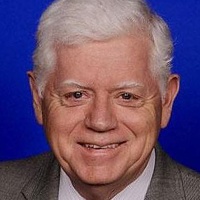
John Larson
Representative
CT
John Larson
Representative
CT
This resolution amends House rules to allow a majority of Representatives to force an end to a designated district work period. If enough members submit letters to the Clerk requesting the end of the recess, the work period must terminate within two days. This measure aims to increase the time the House spends in session by making district work periods more easily interruptible.
This resolution expresses support for National Adoption Day and Month by promoting awareness, celebrating adoption, and encouraging the nation to secure safety and well-being for all children awaiting families.
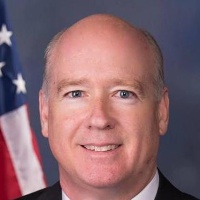
Robert Aderholt
Representative
AL
Robert Aderholt
Representative
AL
This resolution expresses support for National Adoption Day and Month by promoting national awareness of adoption and the children awaiting permanent families. It highlights the significant number of children in foster care waiting for adoption and encourages all Americans to consider providing a safe, permanent, and well-being-focused home for these children. The resolution supports various avenues for achieving permanency, including reunification, kinship care, and adoption.
This resolution supports the goals of National Domestic Violence Awareness Month, highlights the pervasive and devastating impact of intimate partner violence across all demographics, and calls for increased funding for prevention and support programs.
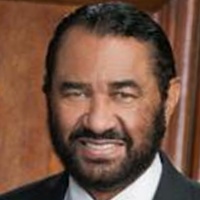
Al Green
Representative
TX
Al Green
Representative
TX
This resolution designates October as National Domestic Violence Awareness Month to highlight the widespread and devastating impact of intimate partner violence across all demographics. It recognizes the urgent need to eliminate domestic violence and supports increased funding for intervention and prevention programs. The resolution underscores the severe physical, emotional, and economic toll this abuse takes on individuals, families, and communities.
The Births in Custody Reporting Act of 2025 mandates that states receiving federal funds report detailed, anonymized data on pregnant and postpartum inmates to the Attorney General to improve care and public safety.
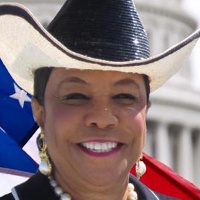
Frederica Wilson
Representative
FL
Frederica Wilson
Representative
FL
The Births in Custody Reporting Act of 2025 mandates that states receiving federal funding must quarterly report detailed, anonymized data to the Attorney General regarding pregnant individuals and those who have given birth in state or local custody. This data includes pregnancy testing, prenatal care, birth outcomes, and the use of restraints during these periods. States failing to comply face potential reductions in federal funding, and the Attorney General must make all reports public and conduct a study on improving inmate care.
The GRAD Act ensures students maintain their enrollment status during a government shutdown, even if it disrupts their Title IV federal student financial aid.
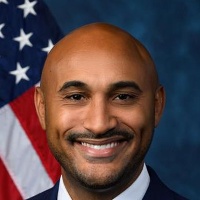
Shomari Figures
Representative
AL
Shomari Figures
Representative
AL
The GRAD Act ensures that students maintain their current enrollment status during a government shutdown, even if federal student aid is temporarily disrupted. This legislation prevents educational institutions from penalizing students by changing their enrollment status due to funding lapses. Essentially, it protects students from negative academic consequences caused by federal funding interruptions.
This Act ensures the United States Capitol Police receive uninterrupted salaries and expenses during any government shutdown.
Shomari Figures
Representative
AL
Shomari Figures
Representative
AL
This Act ensures that the salaries and expenses for the United States Capitol Police (USCP) are fully funded during any government shutdown. It appropriates the necessary funds from the Treasury to guarantee uninterrupted pay for USCP employees when discretionary appropriations lapse.
This bill extends and modifies various tax credits for energy production, efficiency improvements, and clean vehicle adoption to lower energy costs and support American energy leadership.
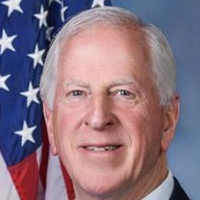
Mike Thompson
Representative
CA
Mike Thompson
Representative
CA
The American Energy Independence and Affordability Act is a comprehensive bill designed to lower energy costs by extending and adjusting key tax incentives across energy production, efficiency, and clean vehicle adoption. It stabilizes support for renewable energy manufacturing, extends deadlines for energy-efficient building credits, and ensures consumer incentives for electric vehicles remain available through 2032. Overall, the legislation aims to provide long-term certainty for energy investments and consumer adoption of cleaner technologies.
This bill revises rules for state revolving loan funds to ensure wastewater treatment assistance helps ratepayers maintain access to services, while setting new limits and minimum requirements for providing extra financial subsidies.
Frederica Wilson
Representative
FL
Frederica Wilson
Representative
FL
The Clean Water Affordability Act revises how states utilize their Water Pollution Control Revolving Loan Funds to ensure ratepayers maintain access to wastewater treatment services. It establishes new, flexible formulas for states to determine the maximum amount they can dedicate to providing extra financial assistance beyond standard low-interest loans. Furthermore, the bill mandates that states must dedicate a minimum percentage of their federal capitalization grants toward this subsidization if sufficient eligible applications exist.
This act ensures that state and local funds used to keep Head Start and Early Head Start programs running during a federal government shutdown are fully reimbursed.
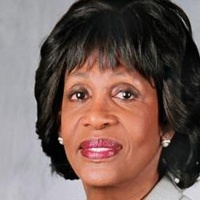
Maxine Waters
Representative
CA
Maxine Waters
Representative
CA
The Head Start Shutdown Protection Act of 2025 ensures that states, local governments, or school districts are reimbursed for any of their own funds used to keep Head Start and Early Head Start programs operational during a lapse in federal appropriations. This legislation protects these vital early childhood education services from disruption caused by government shutdowns. By guaranteeing reimbursement, the Act encourages local entities to maintain program continuity without bearing the financial burden.
This Act establishes strict evidence requirements for states to remove registered voters from the rolls for federal elections and mandates timely notification to those affected.
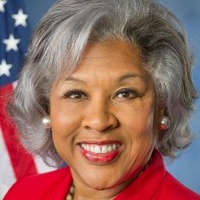
Joyce Beatty
Representative
OH
Joyce Beatty
Representative
OH
The Voter Purge Protection Act establishes strict new evidence requirements for states before they can remove registered voters from the rolls for federal elections. States must have objective proof that a voter is ineligible and cannot remove someone solely for not voting or failing to respond to a notice unless it was returned as undeliverable. If a voter is removed, the state must notify them within 48 hours with instructions on how to re-register.
This bill authorizes the Federal Government to reimburse states for using their own funds to maintain WIC program operations during a lapse in federal appropriations.
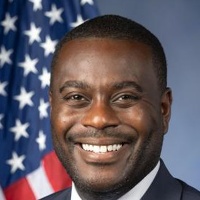
Gabe Amo
Representative
RI
Gabe Amo
Representative
RI
This bill ensures that states are reimbursed by the Federal Government for any state funds they use to maintain essential operations of the Special Supplemental Nutrition Program for Women, Infants, and Children (WIC) during a lapse in federal appropriations. It provides a mechanism for the Federal Government to pay back states that cover WIC costs during a government shutdown. This protects state budgets while keeping vital nutrition assistance running.
This resolution expresses deep concern over the surge in book banning and threats to free expression, urging the immediate restoration of removed materials in federal schools and the repeal of restrictive directives.
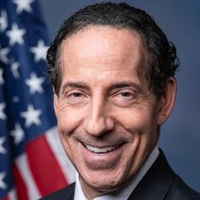
Jamie Raskin
Representative
MD
Jamie Raskin
Representative
MD
This resolution expresses deep concern over the growing trend of book banning and threats to freedom of expression in U.S. schools and libraries. It asserts that such censorship undermines democratic values and harms students by restricting access to diverse ideas and histories. The bill urges local entities to follow best practices for book challenges and calls for the immediate reinstatement of books removed from Department of Defense schools. Ultimately, it reaffirms the nation's commitment to First Amendment rights and the freedom to read.
This Act waives the 10% early withdrawal penalty on Thrift Savings Plan distributions up to $30,000 during a federal government shutdown and provides special provisions for TSP hardship withdrawals and loan payments affected by the lapse in appropriations.
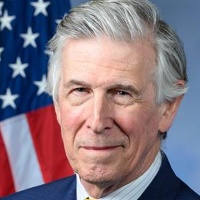
Donald Beyer
Representative
VA
Donald Beyer
Representative
VA
The Emergency Relief for Federal Workers Act of 2025 provides financial relief to federal employees affected by government shutdowns. This bill waives the 10% early withdrawal penalty on Thrift Savings Plan (TSP) distributions up to $30,000 during a qualifying shutdown. Additionally, it allows affected employees greater access to TSP hardship withdrawals and loans, and prevents missed TSP loan payments due to a shutdown from being treated as a taxable distribution.