Legislative Activity
Track Delia's sponsored bills, co-sponsored legislation, and voting record
This bill repeals harmful provisions of a previous act, exempts unaccompanied children from various immigration fees, and restricts the use of their sponsor information for enforcement purposes.

Dan Goldman
Representative
NY
Dan Goldman
Representative
NY
The Upholding Protections for Unaccompanied Children Act of 2025 seeks to reverse harmful provisions affecting unaccompanied children. This bill eliminates various immigration-related fees for current and former unaccompanied children, including those for asylum and employment authorization. It also prohibits physically intrusive medical examinations and restricts the sharing of sponsor information with immigration enforcement agencies. Furthermore, the Act mandates the refunding of previously paid fees.
This act rescinds significant immigration enforcement funding while establishing multiple new tax credits aimed at increasing housing affordability for first-time buyers, builders of starter homes, and renters, alongside incentives for converting commercial buildings into affordable housing.
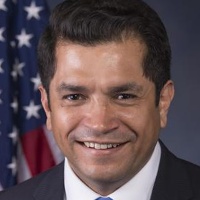
Jimmy Gomez
Representative
CA
Jimmy Gomez
Representative
CA
The Make Housing Affordable and Defend Democracy Act aims to increase housing accessibility through several tax incentives while simultaneously rescinding significant funding previously allocated for immigration enforcement. Key provisions establish new tax credits for first-time homebuyers, builders of starter homes, and the conversion of commercial buildings into affordable rentals. Additionally, the bill introduces a Renter Tax Credit for those spending over 30% of their income on rent, with an option for monthly advance payments.
This Act expands the definition of homelessness, mandates public reporting of data, and modifies program requirements under the McKinney-Vento Homeless Assistance Act to better serve homeless children and youth.
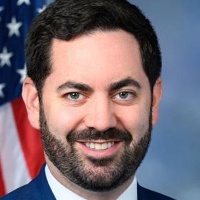
Michael Lawler
Representative
NY
Michael Lawler
Representative
NY
The Homeless Children and Youth Act of 2025 significantly amends the McKinney-Vento Homeless Assistance Act to broaden the definition of homelessness, particularly for children and youth. It mandates increased public reporting of homelessness data through required HMIS disclosures by HUD. Furthermore, the bill modifies grant scoring criteria and planning requirements to better ensure services reach vulnerable populations and align with local needs.
The Dignity for Detained Immigrants Act establishes comprehensive standards, rigorous oversight, and new custody procedures to ensure humane treatment and due process for all noncitizens detained by the Department of Homeland Security, while phasing out for-profit detention facilities.
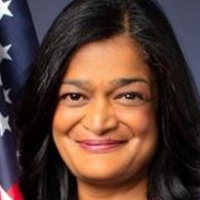
Pramila Jayapal
Representative
WA
Pramila Jayapal
Representative
WA
The Dignity for Detained Immigrants Act aims to overhaul immigration detention by establishing mandatory, high standards based on ABA guidelines and increasing transparency through rigorous, unannounced inspections. The bill prohibits the use of private, for-profit detention facilities within three years and ends the mandatory detention of most noncitizens, prioritizing release or community-based alternatives. Furthermore, it establishes new due process rights, including timely custody hearings, a presumption of release, and prohibitions on detaining children or using solitary confinement.
The Artificial Intelligence Civil Rights Act of 2025 establishes comprehensive federal rules to prevent algorithmic discrimination, mandate independent safety audits for high-risk AI systems, and grant individuals new rights to transparency and legal recourse against biased automated decisions.
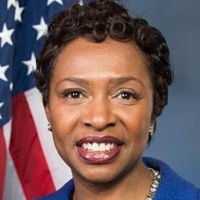
Yvette Clarke
Representative
NY
Yvette Clarke
Representative
NY
The Artificial Intelligence Civil Rights Act of 2025 establishes comprehensive federal rules to prevent discrimination caused by automated decision-making systems in critical areas like employment, housing, and credit. It mandates independent safety checks, public reporting for high-risk findings, and clear contractual standards between algorithm creators and users. The law empowers the Federal Trade Commission (FTC) and grants individuals a private right of action to enforce these new civil rights protections against algorithmic bias.
This Act prohibits sellers from price gouging on goods affected by tariffs for five years by limiting price increases to direct tariff-related costs, with specific enforcement provisions and reporting requirements managed by the FTC.
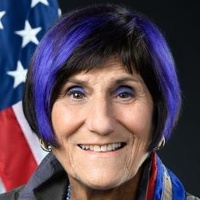
Rosa DeLauro
Representative
CT
Rosa DeLauro
Representative
CT
The No GOUGE Act prohibits sellers from raising the price of "tariffed goods" by more than the direct costs resulting from a new or planned tariff for five years. This prevents companies from using tariffs as an excuse to charge unreasonably high prices, with specific rules for final goods, assembled products, and components. The Federal Trade Commission (FTC) is tasked with enforcement, while large companies face a presumption of violation following major tariff announcements. The bill also mandates annual reports from the FTC and other agencies detailing price changes and enforcement actions.
This resolution supports designating November 2025 as National Homeless Children and Youth Awareness Month to increase public support for programs helping homeless children and youth.
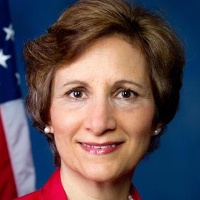
Suzanne Bonamici
Representative
OR
Suzanne Bonamici
Representative
OR
This resolution supports designating November 2025 as "National Homeless Children and Youth Awareness Month." The goal is to increase public awareness regarding the severe challenges faced by children and youth experiencing homelessness. This heightened awareness aims to encourage greater support for effective programs designed to help these vulnerable individuals. The measure commends the ongoing efforts of various groups working to prevent and address youth homelessness.
This Act prohibits discrimination based on religion, sex, or marital status in federally funded child welfare services to improve outcomes for all children, especially LGBTQ youth.
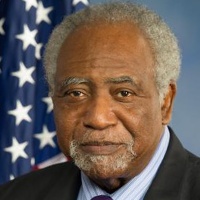
Danny Davis
Representative
IL
Danny Davis
Representative
IL
The John Lewis Every Child Deserves a Family Act prohibits discrimination based on religion, sex, or marital status in federally funded child welfare services. This aims to increase the number of stable, family-like placements for children, especially for LGBTQ youth who are overrepresented in foster care. The bill mandates federal guidance, training, and data collection to improve safety and well-being outcomes for all children involved in the system.
This act establishes a grant program to fund diabetes treatment and prevention services in medically underserved urban and rural communities.
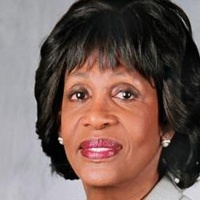
Maxine Waters
Representative
CA
Maxine Waters
Representative
CA
The Urban and Rural Diabetes Initiative Act establishes a new grant program to improve diabetes treatment access in medically underserved urban and rural areas. This funding supports eligible health providers in offering comprehensive diabetes care, including routine treatment, education, and specialized services like eye and foot care. The Secretary of Health and Human Services will award these grants, ensuring equitable distribution across both urban and rural communities.
This resolution recognizes the epidemic of violence against transgender people, memorializes those lost this year, and calls for action to ensure their safety and dignity.
Pramila Jayapal
Representative
WA
Pramila Jayapal
Representative
WA
This resolution supports the goals of Transgender Day of Remembrance by recognizing the ongoing epidemic of violence targeting transgender people, particularly transgender women of color. It memorializes the lives lost this year and highlights the systemic barriers, including discrimination and lack of healthcare access, faced by the transgender community. The bill calls for urgent action from the government to protect these lives through inclusive legislation and policies that ensure dignity and respect for all individuals.
This Act prohibits rental property owners from engaging in coordinated activities that effectively fix or influence rental prices, treating such coordination as an illegal restraint of trade under existing antitrust laws.
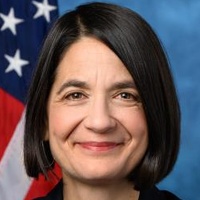
Becca Balint
Representative
VT
Becca Balint
Representative
VT
The End Rent Fixing Act of 2025 prohibits rental property owners from hiring coordinators or engaging in activities that involve collecting, analyzing, or recommending rental prices or terms across multiple properties. This coordinated activity is deemed an unlawful restraint of trade under existing antitrust laws. The bill grants enforcement power to the FTC, the Attorney General, and State Attorneys General, while also allowing injured persons to sue for treble damages. Furthermore, it lowers the pleading standard for civil lawsuits brought under this Act and related antitrust claims.
This act mandates Medicare coverage for FDA-approved early detection screening tests for Alzheimer's disease and related dementias beginning in 2028.
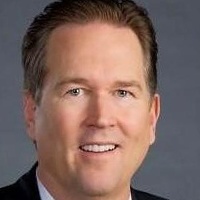
Vern Buchanan
Representative
FL
Vern Buchanan
Representative
FL
The Alzheimer’s Screening and Prevention Act of 2025 (ASAP Act) amends Medicare to cover early detection screening tests for Alzheimer's disease and related dementias starting in 2028. This coverage applies to FDA-cleared tests, including genomic sequencing and other equivalent diagnostic methods, designed to detect pre-symptomatic or early-stage conditions. The bill ensures these screenings are added to the list of covered medical services under Medicare.
This bill establishes sanctions against foreign individuals responsible for human rights violations against LGBTQI people and mandates enhanced tracking and reporting of such abuses in annual human rights reports.
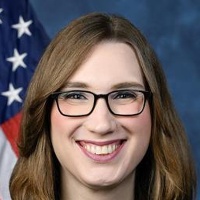
Sarah McBride
Representative
DE
Sarah McBride
Representative
DE
The Global Respect Act aims to promote and protect the human rights of LGBTQI individuals worldwide. It mandates the President to identify and report foreign persons responsible for human rights violations against LGBTQI people, leading to their inadmissibility to the United States. Furthermore, the Act requires enhanced tracking and reporting of violence and discrimination targeting individuals based on sexual orientation, gender identity, or sex characteristics in the annual human rights reports.
The EXPERTS Act of 2025 aims to reform federal rulemaking by increasing transparency around submitted studies, establishing new disclosure requirements for conflicts of interest, streamlining agency review timelines, and creating an Office of the Public Advocate focused on social equity.
Pramila Jayapal
Representative
WA
Pramila Jayapal
Representative
WA
The EXPERTS Act of 2025 aims to enhance transparency and accountability in the federal rulemaking process. It introduces new disclosure requirements for studies submitted during public comment periods and mandates greater public awareness of agency actions. Furthermore, the bill establishes the Office of the Public Advocate to improve public involvement and explicitly requires agencies to consider social equity in their cost-benefit analyses. Finally, it streamlines the Office of Information and Regulatory Affairs (OIRA) review timeline and clarifies judicial review standards for agency interpretations.
This Act establishes grant programs and student loan repayment to increase the number of mental health service providers working in low-income schools.
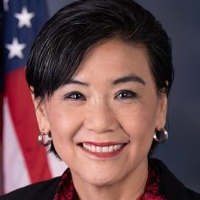
Judy Chu
Representative
CA
Judy Chu
Representative
CA
The Increasing Access to Mental Health in Schools Act establishes grant programs to build pipelines that train and place more mental health providers in low-income schools. It also creates a student loan repayment program for providers who commit to working in these underserved districts for five years. The bill aims to improve student support ratios by increasing the number of school counselors, psychologists, and social workers in high-need areas. Finally, it mandates a study to develop future criteria for identifying areas with mental health provider shortages.
This bill amends the Revised Statutes to redefine the scope of civil actions that can be brought against individuals acting under the authority of the United States.
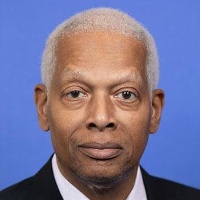
Henry Johnson
Representative
GA
Henry Johnson
Representative
GA
The Bivens Act of 2025 amends existing law to redefine the scope of civil actions that can be brought against individuals acting under federal authority. This legislation specifically revises Section 1979 of the Revised Statutes concerning such lawsuits. The core change narrows the focus of these civil actions to exclusively target persons acting under the authority of the United States.
This act repeals specific sections of a prior reconciliation act to restore previous laws affecting American families and farmers.
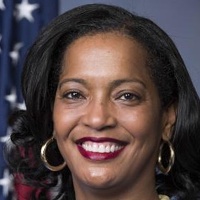
Jahana Hayes
Representative
CT
Jahana Hayes
Representative
CT
The Restoring Food Security for American Families and Farmers Act of 2025 aims to strengthen domestic food security by repealing specific sections of a prior reconciliation act. This action effectively revives the original laws that were previously amended by the repealed provisions. The bill seeks to revert existing agricultural and food-related statutes to their pre-amendment status.
This bill establishes a permanent Special Envoy for the Human Rights of LGBTQI+ Peoples within the Department of State to advance U.S. policy countering global criminalization, violence, and discrimination against LGBTQI+ individuals.
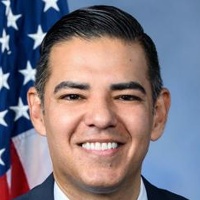
Robert Garcia
Representative
CA
Robert Garcia
Representative
CA
This bill, the International Human Rights Defense Act of 2025, establishes a permanent Special Envoy for the Human Rights of LGBTQI+ Peoples within the Department of State. It codifies U.S. policy to actively combat international criminalization, violence, and discrimination against LGBTQI+ individuals worldwide. The legislation also mandates enhanced reporting on these abuses in annual human rights reports and authorizes assistance to support related protection efforts abroad.
This resolution expresses support for designating November as Prematurity Awareness Month to highlight the urgent maternal and infant health crisis and the need to prevent preterm births.
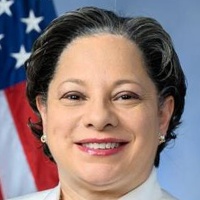
Jennifer McClellan
Representative
VA
Jennifer McClellan
Representative
VA
This resolution expresses support for designating November as Prematurity Awareness Month to highlight the ongoing maternal and infant health crisis in the U.S. It draws attention to alarming rates of preterm birth and unacceptable racial disparities in maternal and infant mortality. The bill advocates for increased investment in research and public health programs to prevent preterm births and reduce associated risk factors.
This resolution calls for the U.S. to recognize the genocide of Palestinians in Gaza and immediately halt military aid to Israel while supporting international accountability measures.
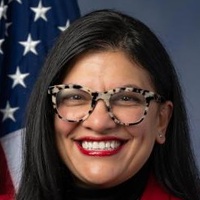
Rashida Tlaib
Representative
MI
Rashida Tlaib
Representative
MI
This resolution expresses the sense of Congress that the United States officially recognizes the State of Israel has committed genocide against the Palestinian people in Gaza. It details extensive evidence supporting this finding, including mass casualties, systematic destruction of infrastructure, and severe humanitarian crisis. Consequently, the bill calls for the immediate halt of all U.S. military and financial assistance to Israel until compliance with international court orders is verified. Furthermore, it demands the U.S. use its leverage to support international investigations and ensure robust funding for humanitarian aid through UNRWA.