Legislative Activity
Track Delia's sponsored bills, co-sponsored legislation, and voting record
This Act ensures uninterrupted funding and operation for the SNAP and WIC programs through fiscal year 2026, even if appropriations for the Department of Agriculture are delayed.
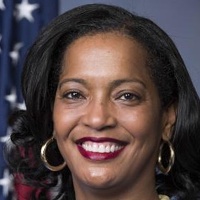
Jahana Hayes
Representative
CT
Jahana Hayes
Representative
CT
The Keep SNAP and WIC Funded Act of 2025 ensures that the Supplemental Nutrition Assistance Program (SNAP) and the Special Supplemental Nutrition Program for Women, Infants, and Children (WIC) continue to operate without interruption in fiscal year 2026 if standard appropriations are delayed. If funding lapses, the Secretary of Agriculture is authorized to use funds from the Treasury to provide benefits and reimburse state agencies. This special funding remains in effect until full appropriations are enacted or until September 30, 2026.
This resolution supports the goals of National Domestic Violence Awareness Month, highlights the pervasive and devastating impact of intimate partner violence across all demographics, and calls for increased funding for prevention and support programs.
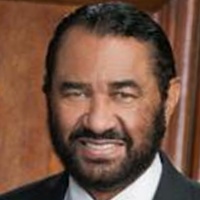
Al Green
Representative
TX
Al Green
Representative
TX
This resolution designates October as National Domestic Violence Awareness Month to highlight the widespread and devastating impact of intimate partner violence across all demographics. It recognizes the urgent need to eliminate domestic violence and supports increased funding for intervention and prevention programs. The resolution underscores the severe physical, emotional, and economic toll this abuse takes on individuals, families, and communities.
This resolution commemorates the annual celebration of Día de los Muertos while urging accountability and humane treatment for those who have died in immigration custody.
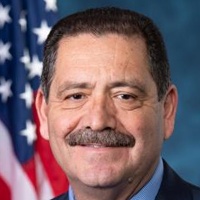
Jesús García
Representative
IL
Jesús García
Representative
IL
This resolution officially recognizes the annual celebration of Día de los Muertos in the United States, honoring its rich cultural significance and traditions of remembrance. It connects the spirit of honoring ancestors to the need for compassion and accountability regarding lives lost in immigration detention. The bill urges federal agencies to protect the dignity and rights of individuals in custody, especially during culturally significant times. Ultimately, it calls for honoring human dignity through remembrance and ensuring humane treatment for all.
This resolution expresses support for recognizing October 26, 2025, as Intersex Awareness Day and advocates for the bodily autonomy and human rights of intersex individuals, particularly by opposing nonconsensual early medical interventions.
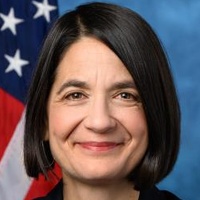
Becca Balint
Representative
VT
Becca Balint
Representative
VT
This resolution expresses the House's support for recognizing October 26th as Intersex Awareness Day and affirms the goals of the observance. It highlights the reality of natural variations in sex characteristics and strongly condemns nonconsensual, irreversible medical procedures performed on intersex infants and children. The bill encourages federal, state, and local entities to promote awareness, ensure culturally sensitive healthcare, and prioritize the bodily autonomy and human rights of intersex individuals.
This resolution expresses deep concern over the surge in book banning and threats to free expression, urging the immediate restoration of removed materials in federal schools and the repeal of restrictive directives.
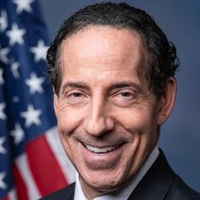
Jamie Raskin
Representative
MD
Jamie Raskin
Representative
MD
This resolution expresses deep concern over the growing trend of book banning and threats to freedom of expression in U.S. schools and libraries. It asserts that such censorship undermines democratic values and harms students by restricting access to diverse ideas and histories. The bill urges local entities to follow best practices for book challenges and calls for the immediate reinstatement of books removed from Department of Defense schools. Ultimately, it reaffirms the nation's commitment to First Amendment rights and the freedom to read.
This resolution officially designates October 8, 2025, as Latina Equal Pay Day to recognize and address the significant wage disparity faced by Latina women compared to White, non-Hispanic men.
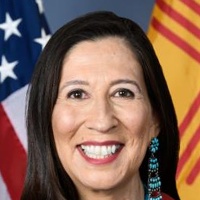
Teresa Leger Fernandez
Representative
NM
Teresa Leger Fernandez
Representative
NM
This resolution officially designates October 8, 2025, as Latina Equal Pay Day to highlight the significant wage disparity faced by Latina workers. It recognizes that Latinas currently earn only about 58 cents for every dollar earned by White, non-Hispanic men, resulting in substantial lifetime earnings loss. The bill calls attention to systemic factors like workplace policies and harassment that contribute to this ongoing economic injustice. Ultimately, Congress reaffirms its commitment to achieving pay equity for all women.
This Act establishes strict evidence requirements for states to remove registered voters from the rolls for federal elections and mandates timely notification to those affected.
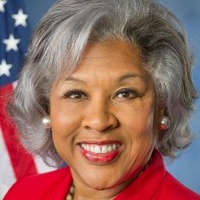
Joyce Beatty
Representative
OH
Joyce Beatty
Representative
OH
The Voter Purge Protection Act establishes strict new evidence requirements for states before they can remove registered voters from the rolls for federal elections. States must have objective proof that a voter is ineligible and cannot remove someone solely for not voting or failing to respond to a notice unless it was returned as undeliverable. If a voter is removed, the state must notify them within 48 hours with instructions on how to re-register.
This bill authorizes the Federal Government to reimburse states for using their own funds to maintain WIC program operations during a lapse in federal appropriations.
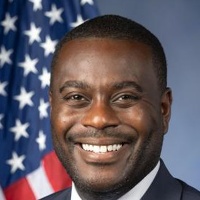
Gabe Amo
Representative
RI
Gabe Amo
Representative
RI
This bill ensures that states are reimbursed by the Federal Government for any state funds they use to maintain essential operations of the Special Supplemental Nutrition Program for Women, Infants, and Children (WIC) during a lapse in federal appropriations. It provides a mechanism for the Federal Government to pay back states that cover WIC costs during a government shutdown. This protects state budgets while keeping vital nutrition assistance running.
The Child Care for Every Community Act establishes a national framework to guarantee universal access to high-quality, regulated early learning programs with mandated national standards and comparable pay for staff.
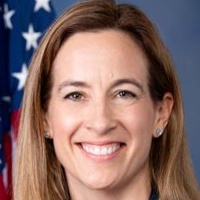
Mikie Sherrill
Representative
NJ
Mikie Sherrill
Representative
NJ
The Child Care for Every Community Act establishes a national framework to guarantee universal access to high-quality, regulated child care and early learning programs for every young child. It mandates federal standards for quality, ensures child care staff receive pay comparable to K-12 employees, and requires local coordination with school systems. Furthermore, the bill protects existing state funding levels and caps family fees based on income.
This bill establishes the Artist Compensation Royalty Fund, funded by streaming service fees and non-subscription revenue, to ensure quarterly payments to eligible featured and non-featured musical artists.
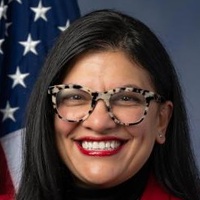
Rashida Tlaib
Representative
MI
Rashida Tlaib
Representative
MI
The Living Wage for Musicians Act of 2025 establishes the Artist Compensation Royalty Fund, financed by a mandatory new "living wage royalty fee" charged to streaming subscribers and a percentage of service providers' non-subscription revenue. This fund will distribute 90% of its proceeds quarterly to eligible featured artists based on their stream share, with the remaining 10% going to non-featured artists via established unions. The Act also mandates that streaming platforms clearly itemize this new fee and subjects them to audits by the designated Fund Administrator.
This Act provides appropriations and mandates contract price adjustments to compensate federal contractor employees for losses incurred due to funding lapses or government shutdowns.
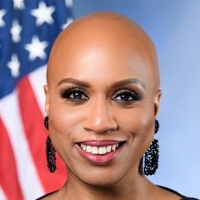
Ayanna Pressley
Representative
MA
Ayanna Pressley
Representative
MA
The Fair Pay for Federal Contractors Act of 2025 ensures that employees of federal contractors are compensated for losses incurred due to government funding lapses or shutdowns. It requires federal agencies to adjust existing contracts to cover reasonable costs associated with furloughs, pay cuts, or mandatory leave taken by contractor employees. The bill appropriates necessary funds to cover these contract price adjustments and mandates public reporting on the compensation provided.
This Act prohibits the Department of Veterans Affairs from discriminating against veterans based on gender identity in healthcare, ensuring access to medically necessary treatments like those for gender dysphoria.
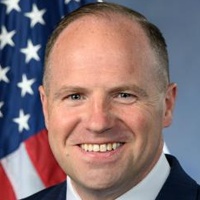
Timothy Kennedy
Representative
NY
Timothy Kennedy
Representative
NY
The Veterans Healthcare Equality Act of 2025 explicitly prohibits the Department of Veterans Affairs (VA) from discriminating against veterans based on gender identity when providing healthcare services. This law mandates that the VA must furnish medically necessary treatments, including those for gender dysphoria, prescribed by a healthcare provider. Furthermore, the VA Secretary is required to provide regular updates to Congress regarding the implementation of these non-discrimination protections.
The No Shame at School Act of 2025 mandates that schools must eliminate meal debt stigma by prohibiting overt identification of students who owe fees and ensuring immediate action to certify eligible children for free or reduced-price meals.
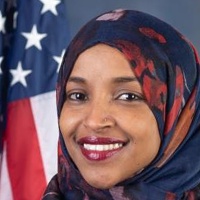
Ilhan Omar
Representative
MN
Ilhan Omar
Representative
MN
The No Shame at School Act of 2025 mandates that schools must stop shaming students over unpaid meal debt by prohibiting overt identification or segregation of students who owe fees. This law requires local agencies to actively pursue free meal certification for students with outstanding balances and prevents schools from taking food away after it has been served. Furthermore, it establishes strict rules for debt collection, forbidding communication directed at the child and banning the use of third-party debt collectors.
This bill prohibits the removal of Federal employees during a lapse in discretionary appropriations, ensuring job security for civil servants during government shutdowns.
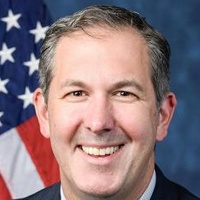
Johnny Olszewski
Representative
MD
Johnny Olszewski
Representative
MD
This bill prohibits federal agencies from removing civil service employees during any lapse in discretionary appropriations, commonly known as a government shutdown. If an employee is terminated in violation of this rule during a shutdown, they will have the option to be reinstated with full back pay once funding resumes. This measure aims to protect federal workers from job loss caused by budget impasses.
This Act ensures that payments made for car, home/renter, and flood insurance policies are excluded when determining income for eligibility in federal, state, or local assistance programs.
Rashida Tlaib
Representative
MI
Rashida Tlaib
Representative
MI
The Cost-of-Living Fairness Act ensures that payments made for essential insurance policies, such as car, home/renter, and flood insurance, are excluded when determining eligibility for federal, state, or local assistance programs. This change prevents necessary insurance expenses from negatively impacting a household's income calculation for benefits. The goal is to make it fairer for families to maintain necessary coverage while accessing public aid.
This Act establishes federal grants to fund comprehensive, trauma-informed mental health services and support programs in schools for students facing significant challenges.
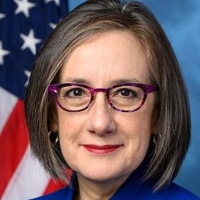
Andrea Salinas
Representative
OR
Andrea Salinas
Representative
OR
The Mental Health Services for Students Act of 2025 establishes a new federal program to provide comprehensive, trauma-informed mental health services and supports in schools through grants and contracts. These funds will support partnerships to implement awareness campaigns, staff training on trauma and suicide risk, and direct student and family treatment. The Secretary must ensure equitable distribution of funding, which is capped at \$2 million per award, with Congress authorized to appropriate \$300 million annually for the initial years.
This bill directs the President to immediately remove U.S. Armed Forces from hostilities against Venezuela and certain criminal organizations unless Congress specifically authorizes the use of force.
Ilhan Omar
Representative
MN
Ilhan Omar
Representative
MN
This bill directs the President to immediately remove United States Armed Forces from hostilities against the Bolivarian Republic of Venezuela and certain designated criminal groups. Congress asserts that these military actions lack the necessary constitutional authorization or a declaration of war. The resolution mandates withdrawal unless Congress subsequently passes specific authorization or the U.S. is subject to an armed attack.
This bill establishes federal oversight, led by the FTC, requiring large entities to conduct impact assessments and report on high-stakes "covered algorithms" to ensure fairness and mitigate consumer harm.
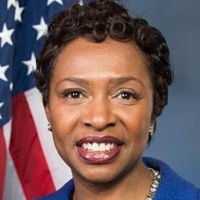
Yvette Clarke
Representative
NY
Yvette Clarke
Representative
NY
The Algorithmic Accountability Act of 2025 establishes federal oversight for large entities using complex automated systems, or "covered algorithms," that impact critical consumer decisions like employment or housing. It mandates that these entities conduct rigorous, ongoing impact assessments to test for bias, privacy risks, and performance issues. The Federal Trade Commission (FTC) is tasked with creating detailed regulations and enforcing compliance, including requiring covered entities to submit annual summary reports detailing their assessment findings. This Act ensures that significant algorithmic decisions are scrutinized for fairness and transparency without overriding stricter state or local regulations.
This joint resolution directs the President to remove U.S. Armed Forces from hostilities against certain designated groups and states unless Congress authorizes the use of force, while preserving the right to self-defense.
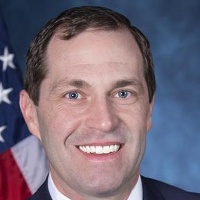
Jason Crow
Representative
CO
Jason Crow
Representative
CO
This joint resolution directs the President to remove U.S. Armed Forces from hostilities initiated after February 20, 2025, against designated terrorist groups or drug trafficking organizations without prior Congressional authorization. It asserts Congress's constitutional power to declare war and finds recent military strikes against vessels lacked proper justification. The bill allows for continued use of forces for self-defense or authorized counternarcotics support, but explicitly states drug trafficking alone does not constitute an armed attack.
This Act mandates studies, creates tracking systems, and establishes an advisory committee to review the deportation of noncitizen veterans while streamlining pathways for noncitizen service members to gain citizenship.
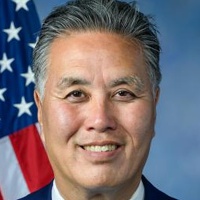
Mark Takano
Representative
CA
Mark Takano
Representative
CA
The Veteran Service Recognition Act of 2025 aims to improve immigration pathways and protections for noncitizen service members and veterans. The bill mandates studies on previously removed noncitizen veterans, establishes a system within DHS to track noncitizen veterans facing removal, and creates an advisory committee to review deportation cases. Furthermore, it streamlines the path to citizenship for active duty service members and allows certain removed noncitizen veterans to adjust their status to lawful permanent resident.