Legislative Activity
Track Deborah's sponsored bills, co-sponsored legislation, and voting record
This bill officially designates May 2026 as Asian American, Native Hawaiian, and Pacific Islander Heritage Month to celebrate their significant contributions to U.S. history and culture.

Grace Meng
Representative
NY
Grace Meng
Representative
NY
This bill officially designates May 2026 as Asian American, Native Hawaiian, and Pacific Islander Heritage Month. It calls for nationwide recognition and celebration of the significant contributions, achievements, and history of these communities to the United States. The measure emphasizes that these communities enhance the nation's diversity and strength.
This bill nullifies three specific Department of State rules regarding foreign assistance, effectively voiding their implementation and preventing enforcement of similar future policies.
Grace Meng
Representative
NY
Grace Meng
Representative
NY
This Act nullifies three specific Department of State rules concerning foreign assistance, effectively treating them as if they never existed. It prohibits any federal agency from implementing or enforcing these rules, or any substantially similar future policies. The legislation aims to prevent the enforcement of rules related to "Protecting Life," "Discriminatory Equity Ideology," and "Gender Ideology" in foreign aid.
The American Leadership in AI Act aims to strengthen U.S. leadership in artificial intelligence by establishing new standards, boosting research infrastructure, modernizing federal governance, protecting workers and small businesses, safeguarding against deepfakes, and expanding AI education and literacy.
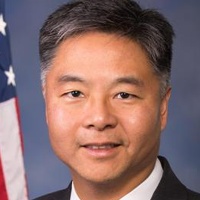
Ted Lieu
Representative
CA
Ted Lieu
Representative
CA
The American Leadership in AI Act aims to secure U.S. leadership in artificial intelligence by strengthening safety standards, boosting federal research infrastructure, and modernizing government use of AI. The bill also focuses on protecting workers and small businesses from AI disruption while expanding education and penalizing harmful AI-enabled misuse like deepfakes. Overall, it establishes a comprehensive framework to foster innovation while mitigating risks associated with advanced AI.
This act establishes the Neighborhood Tree Fund to provide federal financial assistance for increasing and improving community tree canopies, prioritizing underserved and low-income areas.
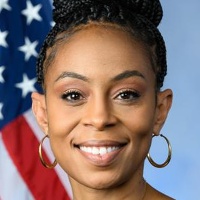
Shontel Brown
Representative
OH
Shontel Brown
Representative
OH
The Neighborhood Tree Act of 2026 establishes a dedicated fund to address historical inequities in urban tree canopy coverage, which contributes to higher heat exposure in low-income and minority communities. This legislation creates the Neighborhood Tree Fund to provide financial assistance for increasing and improving community tree health, prioritizing investments in underserved areas. The bill also updates the composition of the National Urban and Community Forestry Advisory Council to ensure broader representation from relevant community experts.
This bill expresses support for U.S. library staff, recognizes their essential community services, advocates for adequate funding, and defends their rights to free access to information and union organization.

Pramila Jayapal
Representative
WA
Pramila Jayapal
Representative
WA
This resolution expresses strong support for library staff across the United States and recognizes the essential, expanding community services they provide. It advocates for commensurate funding, defends the right of all citizens to freely access information, and supports the civil rights and union voice of library workers. Furthermore, the bill condemns threats to library access and staff, such as book bans and funding cuts.
This Act establishes national goals and funding to strengthen influenza vaccine development, manufacturing, supply chains, and public access to diagnostics and treatments to better prepare for seasonal and pandemic flu threats.
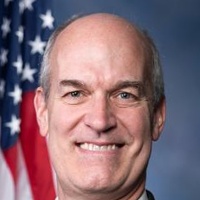
Rick Larsen
Representative
WA
Rick Larsen
Representative
WA
This Act aims to significantly bolster the nation's preparedness against seasonal and pandemic influenza threats. It establishes ambitious goals for rapid vaccine development, strengthens domestic manufacturing and supply chains for vaccines and diagnostics, and funds key public health programs. Furthermore, the bill focuses on increasing public access to vaccines and treatments while combating misinformation to build confidence in public health measures.
This Act mandates a comprehensive report to Congress detailing emerging military, cyber, and political threats to the Baltic states and recommending strategies to enhance their security and U.S. partnership.
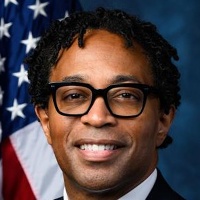
Wesley Bell
Representative
MO
Wesley Bell
Representative
MO
The Baltic Security Assessment Act of 2025 affirms the critical importance of Estonia, Latvia, and Lithuania to U.S. national security amidst Russian aggression. This bill mandates that the Secretary of State and Secretary of Defense deliver a comprehensive report to Congress detailing emerging military, cyber, and political threats to the Baltic states. The report must also recommend specific actions to enhance U.S. and NATO defense cooperation and bolster Baltic resilience.
This act establishes and expands a federal grant program to improve civics education in K-12 schools, emphasizing hands-on learning and the history of the civil rights movement.
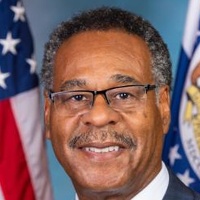
Emanuel Cleaver
Representative
MO
Emanuel Cleaver
Representative
MO
The Civics Learning Act of 2026 aims to combat political polarization and strengthen democracy by improving civics education nationwide. This bill amends existing law to expand a federal grant program, prioritizing funding for innovative, hands-on civics learning in high-need schools. Funds will support activities covering the Constitution, the Bill of Rights, and the history of the civil rights movement. The legislation authorizes $70 million for fiscal year 2027 to support these essential educational efforts.
This bill recognizes the vital contributions of linemen and designates April 18, 2026, as National Lineman Appreciation Day.
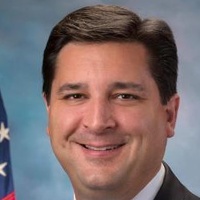
David Rouzer
Representative
NC
David Rouzer
Representative
NC
This bill officially designates April 18, 2026, as "National Lineman Appreciation Day." It recognizes the vital contributions of linemen in maintaining critical energy infrastructure and serving as essential first responders during emergencies. The resolution expresses strong support for these brave men and women who work under dangerous conditions to keep communities safe and powered.
This resolution directs the President to remove U.S. Armed Forces from hostilities with Iran, unless necessary for imminent self-defense.
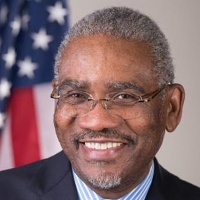
Gregory Meeks
Representative
NY
Gregory Meeks
Representative
NY
This resolution directs the President, under the War Powers Resolution, to remove U.S. Armed Forces from hostilities involving Iran. The order mandates withdrawal unless forces are necessary for imminent self-defense of the U.S. or its allies. Any continued defensive action must comply with existing War Powers reporting requirements.
This act mandates the automatic expungement of certain federal criminal records after five years of clean conduct and expands the removal of adverse information from credit reports when defaulted student loans are resolved.
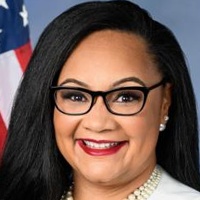
Nikema Williams
Representative
GA
Nikema Williams
Representative
GA
The Clean Slate through Rehabilitation Act aims to automatically expunge federal criminal records for individuals with certain nonviolent convictions who have completed their sentences and remained crime-free for five years. Additionally, the bill expands relief for student loan borrowers by requiring the removal of all adverse credit history information once a defaulted loan is resolved. This legislation seeks to remove barriers to employment and housing for eligible individuals.
This resolution expresses the House's view that the Department of Justice must refuse to administratively settle President Trump's personal legal claims against the U.S. government due to the Domestic Emoluments Clause.
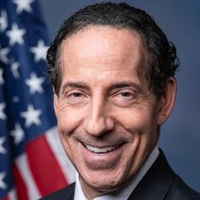
Jamie Raskin
Representative
MD
Jamie Raskin
Representative
MD
This resolution expresses the sense of the House that the Department of Justice must comply with the Domestic Emoluments Clause. It specifically calls for the DOJ to refuse to administratively settle the billions of dollars in legal claims filed against the United States by President Donald Trump. The bill asserts that allowing the President to settle his own personal claims against the government constitutes an unconstitutional conflict of interest.
This act mandates the removal of default records from credit histories once a defaulted federal student loan is paid off through a Federal Direct Consolidation Loan.

Haley Stevens
Representative
MI
Haley Stevens
Representative
MI
The Clean Slate through Consolidation Act aims to improve credit histories for borrowers who consolidate defaulted federal student loans. This bill mandates that upon obtaining a Federal Direct Consolidation Loan, the loan holder must request credit reporting agencies to remove the record of the prior default. This action provides borrowers with a fresh start after successfully consolidating their previously defaulted student debt.
This resolution censures President Trump and Special Envoy Witkoff for violating the Foreign Emoluments Clause by accepting undisclosed payments from the UAE and demands they divest from related foreign business interests.
Jamie Raskin
Representative
MD
Jamie Raskin
Representative
MD
This resolution expresses the sense of the House that President Trump and Special Envoy Witkoff violated the Foreign Emoluments Clause by accepting undisclosed payments linked to a secret deal with an entity substantially funded by the UAE. It demands they immediately turn over all such payments to the Treasury and divest from any business interests connected to foreign governments. The bill cites specific financial transactions and subsequent U.S. policy actions favoring the UAE as evidence of a grave conflict of interest.
The Tech to Save Moms Act establishes grant programs and mandates studies to leverage technology, telehealth, and collaborative learning models to reduce maternal mortality and severe maternal morbidity, especially among minority groups.
Nikema Williams
Representative
GA
Nikema Williams
Representative
GA
The Tech to Save Moms Act establishes grant programs to improve maternal health outcomes by leveraging technology for better identification, monitoring, and response to pregnancy-related risks. It directs the Secretary of HHS to fund projects using remote monitoring, telehealth, and digital tools to reduce maternal mortality and severe morbidity, with a focus on underserved populations. The legislation also mandates studies and reports on integrating technology into maternity care and improving telehealth models for Medicaid recipients.
This bill officially renames the USPS facility at 890 East 152nd Street in Cleveland, Ohio, as the Technical Sergeant Alma Gladys Minter Post Office Building.
Shontel Brown
Representative
OH
Shontel Brown
Representative
OH
This bill officially renames the United States Postal Service facility located at 890 East 152nd Street in Cleveland, Ohio. The building will now be known as the Technical Sergeant Alma Gladys Minter Post Office Building.
This bill establishes a commission of medical and former government experts to evaluate a President's physical or mental capacity to discharge the duties of the office when directed by Congress.
Jamie Raskin
Representative
MD
Jamie Raskin
Representative
MD
This bill establishes the Commission on Presidential Capacity to Discharge the Powers and Duties of the Office, a body tasked with evaluating the physical or mental fitness of the President. The Commission, composed of medical experts and former high-ranking officials, can be directed by Congress to examine the President. Its findings regarding the President's ability to execute their duties are then reported to Congress and the Vice President.
This bill authorizes the establishment of a monument at Arlington National Cemetery to honor Army Security Agency veterans who served between 1945 and 1976.
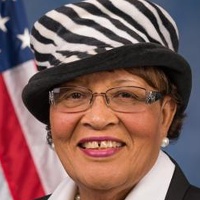
Alma Adams
Representative
NC
Alma Adams
Representative
NC
The Army Security Agency Monument Act authorizes the placement of a monument at Arlington National Cemetery to honor veterans who served in the Army Security Agency between 1945 and 1976. The legislation requires the National Army Security Agency Association to fund all costs associated with the design, installation, and maintenance of the memorial.
The Moldova Support Act of 2026 strengthens the U.S.-Moldova strategic partnership by fostering economic and energy cooperation, supporting Moldova’s European Union integration, and maintaining critical sanctions against malign actors.
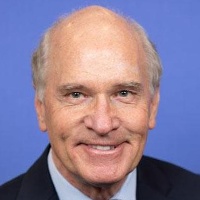
William Keating
Representative
MA
William Keating
Representative
MA
The Moldova Support Act of 2026 strengthens the U.S.-Moldova partnership by establishing an annual strategic dialogue to advance democratic, economic, and energy security goals. The bill mandates a comprehensive four-year strategy to support Moldova’s European Union accession and effectively counters malign foreign influence. Additionally, it imposes strict congressional oversight requirements for the potential lifting of existing sanctions against individuals and entities undermining Moldovan stability.
This bill mandates a comprehensive study by the Department of Health and Human Services to identify and address barriers to accessing effective pain management during gynecologic procedures.
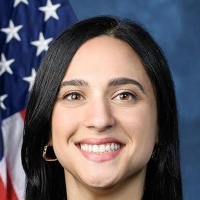
Yassamin Ansari
Representative
AZ
Yassamin Ansari
Representative
AZ
The Gynecologic Pain Management Study Act directs the Secretary of Health and Human Services to conduct a comprehensive study on the barriers patients and providers face regarding pain management during gynecologic procedures. By consulting with diverse stakeholders, the study aims to identify these challenges and provide actionable recommendations to Congress. The final report will help inform future legislative and administrative efforts to improve patient care and accessibility.