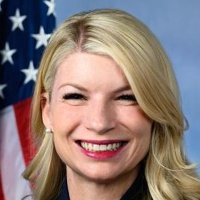
Legislative Activity
Track Brittany's sponsored bills, co-sponsored legislation, and voting record
This resolution directs the President to remove U.S. Armed Forces from unauthorized hostilities against Iran, pursuant to the War Powers Resolution.
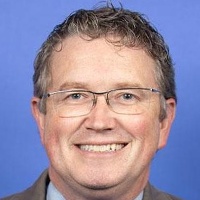
Thomas Massie
Representative
KY
Thomas Massie
Representative
KY
This resolution directs the President, under the authority of the War Powers Resolution, to immediately remove U.S. Armed Forces from unauthorized hostilities against the Islamic Republic of Iran. It asserts that military action must cease unless Congress has formally declared war or passed a specific authorization for the use of force. The bill explicitly states that it does not authorize new military action nor does it impede necessary self-defense against an immediate attack.
This resolution urges the President to order U.S. flags flown at half-staff to honor the life and legacy of civil rights leader Reverend Jesse Jackson.
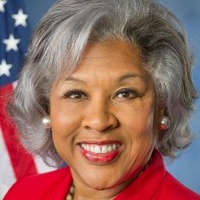
Joyce Beatty
Representative
OH
Joyce Beatty
Representative
OH
This resolution formally honors the life and enduring legacy of civil rights leader Reverend Jesse Louis Burns Jackson, Sr. It recognizes his significant contributions to the Civil Rights Movement, including his work with Dr. Martin Luther King, Jr. and his founding of Operation PUSH. The bill specifically urges the President to order that the U.S. flag be flown at half-staff in his memory.
This resolution honors the life, legacy, and enduring commitment to civil rights and equality of Reverend Jesse Louis Jackson, Sr.
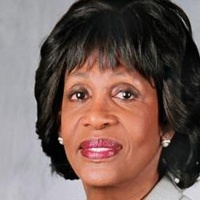
Maxine Waters
Representative
CA
Maxine Waters
Representative
CA
This resolution honors the life, leadership, and enduring legacy of Reverend Jesse Louis Jackson, Sr. It recognizes his pivotal role as a civil rights leader, his groundbreaking political campaigns, and his global advocacy for human rights and equality. The measure encourages all Americans to continue his work by moving forward with hope rather than fear and division.
This bill strengthens democracy by banning foreign spending in U.S. elections, increasing transparency for "dark money" in politics, and mandating clear disclosure of funders in political advertising.
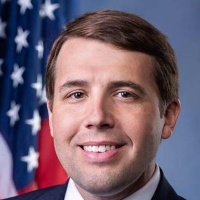
Chris Pappas
Representative
NH
Chris Pappas
Representative
NH
The Democracy Is Strengthened by Casting Light On Spending in Elections Act of 2026 aims to increase transparency and security in U.S. elections. It closes loopholes to ban foreign national spending in elections, mandates disclosure for "dark money" political spending, and requires clear funding disclosures on political ads. The bill also centralizes legal challenges to campaign finance laws in Washington, D.C., for faster resolution.
This bill mandates the Secretary of the Interior to establish and maintain a single, unified list of designated critical minerals and materials, consolidating existing designations from the Department of the Interior and the Department of Energy.
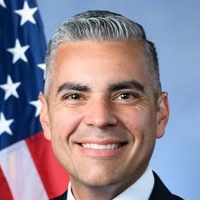
Juan Ciscomani
Representative
AZ
Juan Ciscomani
Representative
AZ
The Critical Mineral Consistency Act of 2025 mandates the Secretary of the Interior to create and maintain a single, unified list of designated critical minerals and materials. This list must incorporate existing designations from both the Department of the Interior and the Department of Energy. Federal agencies must use the most current version of this unified list when administering relevant programs.
Gwenn's Law establishes public awareness campaigns to boost women's participation in clinical trials and raise awareness of bleeding disorders, while also creating a task force and action plan to advance rare disease treatments, particularly those affecting women.
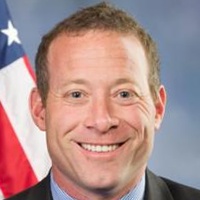
Josh Gottheimer
Representative
NJ
Josh Gottheimer
Representative
NJ
Gwenn's Law aims to boost the participation of women in NIH clinical trials through a targeted public awareness campaign. The bill also mandates a separate campaign to increase women's awareness and involvement in research concerning bleeding and clotting disorders. Furthermore, it establishes a permanent Interagency Task Force and requires an action plan to better coordinate federal efforts on rare diseases that disproportionately affect women.
This Act establishes federal best practices and mandates local educational agencies to develop guidance on secure firearm storage and suicide prevention for students and the community.

Dan Goldman
Representative
NY
Dan Goldman
Representative
NY
The Secure Firearm Storage and Suicide Prevention Act of 2026 aims to reduce firearm-related injuries and suicides, particularly among youth. It directs the Secretary of Education to develop national best practices for secure firearm storage and suicide prevention education. Local educational agencies must then create and distribute tailored guidance incorporating these federal standards to students and parents annually.
This bill establishes a federal process for Extreme Risk Protection Orders, creates a grant program to incentivize states to adopt similar laws, and mandates the recognition of such orders across state lines.
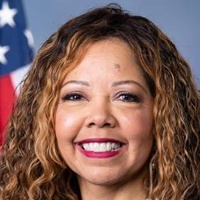
Lucy McBath
Representative
GA
Lucy McBath
Representative
GA
The Federal Extreme Risk Protection Order Act of 2026 establishes a federal process for issuing Extreme Risk Protection Orders (ERPOs) that temporarily prohibit individuals deemed a danger from possessing firearms. The bill allows family members or law enforcement to petition federal courts for temporary or long-term orders based on evidence of imminent risk of harm. Furthermore, it creates a federal grant program to incentivize and support states and tribes in implementing their own qualifying ERPO laws. Finally, it mandates that individuals subject to these federal orders surrender their firearms and ensures these orders are recognized across state lines.
This Act prohibits online platforms from displaying fraudulent paid advertisements if they accepted payment and failed to take reasonable steps to prevent them, while also establishing new enforcement mechanisms.
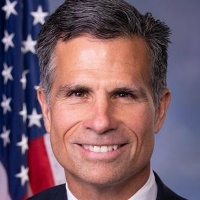
Daniel Meuser
Representative
PA
Daniel Meuser
Representative
PA
The Safeguarding Consumers from Advertising Misconduct Act (SCAM Act) holds online platforms accountable for displaying fraudulent or deceptive paid advertisements. It mandates that platforms implement strict advertiser verification procedures and actively detect and remove scam ads. This legislation establishes a private right of action for injured consumers and clarifies that existing Section 230 immunity does not apply to violations of this Act.
This bill establishes a comprehensive Transgender Bill of Rights to codify and protect the rights of transgender and nonbinary people across healthcare, employment, legal recognition, and safety.
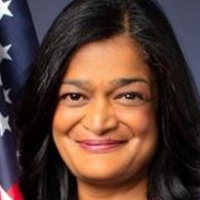
Pramila Jayapal
Representative
WA
Pramila Jayapal
Representative
WA
This resolution establishes a comprehensive Transgender Bill of Rights to codify and protect the rights of transgender and nonbinary people across the United States. It mandates federal action to ensure equal access to healthcare, employment, housing, legal recognition, and safety. The bill aims to eliminate discrimination and affirm bodily autonomy by amending existing federal civil rights laws.
This bill appropriates funding and establishes operational rules for the Department of Homeland Security for Fiscal Year 2026 across management, security, preparedness, and research functions, while imposing strict oversight and spending restrictions.
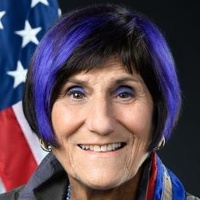
Rosa DeLauro
Representative
CT
Rosa DeLauro
Representative
CT
This bill provides the funding and establishes the operational rules for the Department of Homeland Security (DHS) for Fiscal Year 2026 across all major components, including intelligence, security operations, emergency management, and research. It allocates billions for agencies like TSA, Coast Guard, FEMA, and CISA while imposing strict new requirements for congressional oversight, spending transparency, and management of federal grants. The legislation also includes specific policy directives, such as mandating security screening for senior officials and restricting certain intelligence and contracting activities.
This bill establishes new prerequisites for the Financial Stability Oversight Council (FSOC) before designating a nonbank financial company for enhanced Federal Reserve supervision.
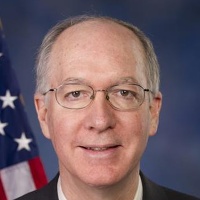
Bill Foster
Representative
IL
Bill Foster
Representative
IL
This bill, the Financial Stability Oversight Council Improvement Act of 2025, establishes new procedural hurdles for the FSOC before it can designate a nonbank financial company for stricter Federal Reserve supervision. The Council must first make an initial determination, in consultation with the company and its regulator, that other actions are insufficient to address the risk. This ensures that designation is a measure of last resort against threats to U.S. financial stability.
The Drain ICE Act of 2026 seeks to repeal specific sections of a previous law and rescind related funding, citing concerns over the Trump Administration's immigration enforcement practices, detention conditions, and resource allocation.
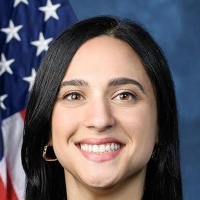
Yassamin Ansari
Representative
AZ
Yassamin Ansari
Representative
AZ
The Drain ICE Act of 2026 aims to fundamentally reform immigration enforcement by repealing specific sections of a prior law (Public Law 11921) and rescinding associated funding. This legislation is introduced in response to Congressional findings detailing concerns over mass deportation policies, inhumane detention conditions, and the detention of non-criminal individuals under the Trump Administration. The bill seeks to end practices deemed contrary to constitutional protections and human rights in immigration enforcement.
This bill establishes mandatory minimum humanitarian standards for health screening, water, sanitation, food, and shelter for all individuals in ICE and CBP custody.
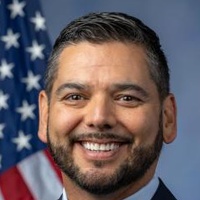
Raul Ruiz
Representative
CA
Raul Ruiz
Representative
CA
The Humanitarian Standards for Individuals in ICE and CBP Custody Act establishes minimum standards for health screening, nutrition, sanitation, and shelter for individuals detained by ICE and CBP. This bill mandates specific protocols for medical care, facility conditions, and personnel training to ensure humane treatment. It also requires regular inspections and public reporting on compliance and sexual abuse complaints.
The ABODE Act establishes a grant competition program to fund the development or rehabilitation of energy-efficient and resilient affordable housing for low-income households.
Bill Foster
Representative
IL
Bill Foster
Representative
IL
The ABODE Act establishes a competitive grant program to fund the development or rehabilitation of energy-efficient and resilient affordable housing for low-income households. Grants will prioritize projects that reduce development costs, improve accessibility, and are scalable for wider implementation. The Secretary of HUD will study the long-term savings generated by these enhanced housing features and report findings to Congress.
This bill establishes a new Medicare benefit and payment system for comprehensive ALS-related services, effective in 2027, while also requiring a report on clinical trial challenges.
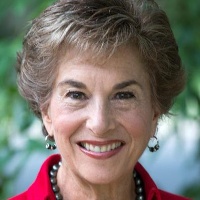
Janice Schakowsky
Representative
IL
Janice Schakowsky
Representative
IL
The ALS Better Care Act aims to improve care for individuals with ALS by establishing new Medicare coverage for essential ALS-related services starting in 2027. This includes creating a new, single payment system for providers delivering specialized care, such as therapy and nursing support. Additionally, the bill mandates a report to address current challenges in staffing and administering ALS clinical trials.
This bill mandates the removal of U.S. Armed Forces from Venezuela unless explicitly authorized by Congress.
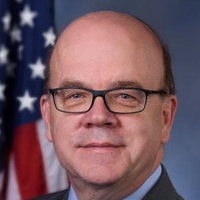
James McGovern
Representative
MA
James McGovern
Representative
MA
This bill mandates the President to withdraw all United States Armed Forces from Venezuela. This action is required unless Congress has formally declared war or passed specific legislation authorizing the use of military force in that country.
This bill expands the Secret Service's authority to investigate unlicensed money transmitting and money laundering in cybercrimes, extends the FinCEN Director's term, and mandates a GAO report on anti-money laundering enforcement.
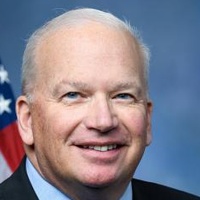
Scott Fitzgerald
Representative
WI
Scott Fitzgerald
Representative
WI
This act expands the investigative authority of the U.S. Secret Service to specifically target unlicensed money transmitting businesses and money laundering related to cybercrime. It also modifies the term length for the Director of FinCEN and mandates a GAO report on law enforcement's ability to deter money laundering in cyber activities. Overall, the bill strengthens federal efforts to combat financial crimes facilitated by technology.
This bill establishes a Public Company Advisory Committee within the SEC to provide expert guidance on regulatory policies, corporate governance, and capital formation.
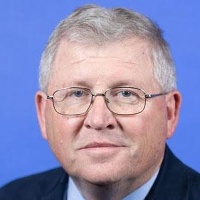
Frank Lucas
Representative
OK
Frank Lucas
Representative
OK
The Public Company Advisory Committee Act of 2026 establishes a dedicated committee within the SEC to provide expert guidance on regulations concerning public company reporting, corporate governance, and capital formation. Composed of industry leaders and professional advisers, the committee will offer recommendations to help the SEC protect investors and maintain fair markets. The SEC is required to publicly review and respond to all findings submitted by the committee.
This act expands burial allowance eligibility for veterans who die at home while receiving VA hospice care immediately following VA or contracted hospital or nursing home care.
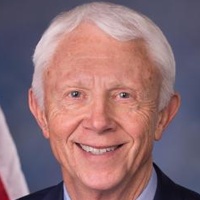
Jack Bergman
Representative
MI
Jack Bergman
Representative
MI
The Gerald's Law Act expands eligibility for a veteran's burial allowance. It now covers survivors whose veteran died at home while receiving VA hospice care, provided that care immediately followed a stay in a VA hospital or nursing home. This change ensures benefits for veterans transitioning from facility care to end-of-life care at home.