Legislative Activity
Track Jimmy's sponsored bills, co-sponsored legislation, and voting record
This Act mandates that VA medical staff promptly certify the deaths of veterans who died from natural causes within 48 hours to expedite burial and survivor benefits.
Tom Emmer
Representative
MN
Tom Emmer
Representative
MN
The Veteran Burial Timeliness and Death Certificate Accountability Act addresses significant delays in obtaining death certificates for veterans who die from natural causes, often due to VA medical staff delays. This bill mandates that VA medical providers must certify a veteran's death within 48 hours or allow the local medical examiner to step in. Furthermore, the VA must annually report on its compliance with this new timely certification requirement.
The AFIDA Improvements Act of 2025 strengthens the reporting and enforcement of foreign ownership of U.S. agricultural land, lowers the minimum reporting threshold for certain foreign investors, and mandates information sharing with national security officials.
Don Bacon
Representative
NE
Don Bacon
Representative
NE
The AFIDA Improvements Act of 2025 modernizes the reporting requirements for foreign ownership of U.S. agricultural land by lowering the minimum reporting threshold for certain transactions. This legislation strengthens enforcement actions and mandates the sharing of critical foreign investment data with national security officials, specifically CFIUS. Furthermore, the Act requires updates to official handbooks to incorporate national security risk assessments and establishes a timeline for fully implementing electronic AFIDA disclosure systems.
This bill authorizes the creation and sale of commemorative coins for the 2028 Los Angeles and 2034 Salt Lake City Olympic and Paralympic Games to help fund the events, with all surcharges going to the respective organizing committees after covering production costs.
Brad Sherman
Representative
CA
Brad Sherman
Representative
CA
This Act authorizes the Secretary of the Treasury to mint and sell special commemorative coins for the 2028 Los Angeles Olympic and Paralympic Games and the 2034 Salt Lake City Winter Olympic and Paralympic Games. The coins will feature designs celebrating American athletes and the Games themselves. All surcharges collected from the sale of these coins will be directed to the respective organizing committees to help fund the events and related youth sports programs. The entire program must be conducted at no cost to the U.S. Government.
This resolution expresses support for designating July 10th as Journeyman Lineworkers Recognition Day to honor the dangerous and essential service provided by these workers, especially during crises.
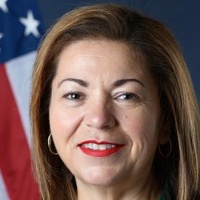
Linda Sánchez
Representative
CA
Linda Sánchez
Representative
CA
This resolution expresses support for designating July 10th as Journeyman Lineworkers Recognition Day. It honors the essential and dangerous work performed by these skilled professionals, especially their heroic efforts in restoring power after major disasters. The day serves to recognize their service and remember those who have lost their lives performing this vital work.
This Act establishes an emergency relief program to provide financial assistance to farmers who suffer qualified crop losses due to natural disasters, contingent upon future enrollment in federal crop insurance or NAP.
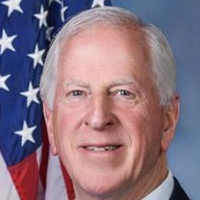
Mike Thompson
Representative
CA
Mike Thompson
Representative
CA
The Agricultural Emergency Relief Act of 2025 establishes a new federal program to provide direct financial assistance to producers who suffer qualified losses due to natural disasters like drought, fire, or floods. To receive payments, producers must agree to purchase Federal Crop Insurance or enroll in the Noninsured Crop Disaster Assistance Program (NAP) for the next two succeeding crop years. Payment calculations vary based on whether the producer already has existing crop insurance coverage, and strict payment limits are set based on the producer's average adjusted gross farm income.
This bill establishes a grant program to help high-need school districts hire, retain, and diversify mental health professionals to expand student access to services.
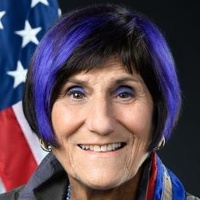
Rosa DeLauro
Representative
CT
Rosa DeLauro
Representative
CT
The Expanding Access to Mental Health Services in Schools Act of 2025 establishes a new federal grant program to increase the number of mental health professionals in high-need school districts. This funding is specifically designed to help eligible agencies recruit, hire, and retain school counselors, psychologists, and social workers. Grantees must demonstrate a plan to improve student-to-provider ratios and report annually on staffing improvements and provider retention.
This Act establishes a federal grant program to fund travel and logistical support for individuals accessing abortion services, explicitly excluding payment for the procedure itself.
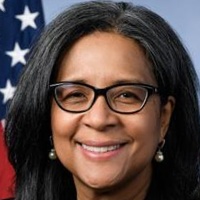
Marilyn Strickland
Representative
WA
Marilyn Strickland
Representative
WA
The Reproductive Health Travel Fund Act of 2025 establishes a federal grant program to help cover the logistical costs associated with accessing abortion services. This funding is specifically designated for travel, lodging, childcare, and other support services for individuals, but explicitly excludes payment for the procedure itself. Priority for these grants will be given to established community organizations that assist people living in states with abortion bans or heavy restrictions. The Act also includes provisions to protect grant recipients and users from state or local interference related to the funded activities.
This Act expands the definition of qualified distributions from Health Savings Accounts (HSAs) to include expenses for in-home care services that assist seniors with daily living activities.
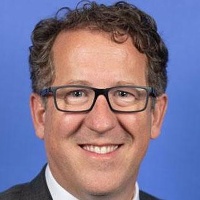
Adrian Smith
Representative
NE
Adrian Smith
Representative
NE
The Homecare for Seniors Act expands the definition of qualified distributions from Health Savings Accounts (HSAs) to include certain long-term home care expenses. This allows seniors to use tax-free HSA funds for in-home assistance with at least three daily living activities, provided the care is delivered by a licensed provider. The bill also mandates a public awareness campaign to inform citizens of this new tax benefit.
The Treat and Reduce Obesity Act of 2025 expands Medicare coverage for intensive behavioral therapy for obesity and mandates Part D coverage for certain weight management medications for eligible beneficiaries.
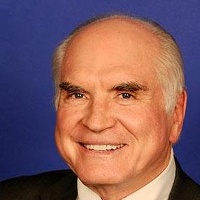
Mike Kelly
Representative
PA
Mike Kelly
Representative
PA
The Treat and Reduce Obesity Act of 2025 aims to combat the growing obesity epidemic, particularly among older adults, by expanding access to intensive behavioral therapy under Medicare. This bill mandates that Medicare Part D plans begin covering FDA-approved medications for obesity and weight management in individuals with related health conditions. Finally, it requires the Secretary of HHS to report regularly to Congress on the implementation and coordination of these new obesity treatment strategies.
This resolution expresses Congressional support for LGBTQI+ equality and designates June 26th as "LGBTQI+ Equality Day" to commemorate key legal victories and highlight the need for further anti-discrimination legislation.
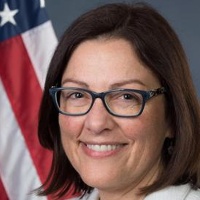
Suzan DelBene
Representative
WA
Suzan DelBene
Representative
WA
This resolution expresses the House's support for the rights and freedoms of LGBTQI+ individuals across the United States. It recognizes key Supreme Court decisions that advanced equality and highlights the ongoing need for comprehensive legal protections against discrimination. Finally, the bill proposes designating June 26th as "LGBTQI+ Equality Day" to commemorate these legal victories.
The Equal Dignity for Married Taxpayers Act updates the Internal Revenue Code by replacing gendered language with gender-neutral terms to ensure consistent and equal application of tax laws for all legally married couples.
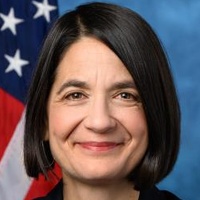
Becca Balint
Representative
VT
Becca Balint
Representative
VT
The Equal Dignity for Married Taxpayers Act modernizes the Internal Revenue Code by replacing gendered language with gender-neutral terms for all legally married couples. This sweeping update ensures consistency across tax rules regarding filing status, deductions, and credits, regardless of the spouses' genders. The bill clarifies that married couples are often treated as a single entity for specific tax purposes. Ultimately, this legislation updates terminology to reflect equal dignity for all married taxpayers.
The CONNECT for Health Act of 2025 permanently expands Medicare telehealth access by removing geographic restrictions, increasing practitioner flexibility, bolstering program integrity, and mandating supports for quality remote care delivery.
Mike Thompson
Representative
CA
Mike Thompson
Representative
CA
The CONNECT for Health Act of 2025 significantly expands and permanently secures access to Medicare telehealth services by eliminating outdated geographic restrictions and allowing more practitioners to offer remote care. The bill also strengthens program integrity by dedicating funds for telehealth oversight while clarifying rules around providing necessary technology to patients. Finally, it mandates the creation of tailored educational resources and public reporting to improve quality measurement and transparency in remote care delivery.
The STRONG Act doubles the maximum loan amounts available for both SBA 7(a) small business loans and development company loans to support national growth.
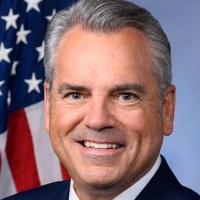
Mark Alford
Representative
MO
Mark Alford
Representative
MO
The Supporting Trade and Rebuilding Opportunity for National Growth Act, or STRONG Act, significantly increases the maximum loan amounts available through key Small Business Administration (SBA) programs. Specifically, it doubles the maximum size for standard 7(a) loans from $\$3.75$ million to $\$7.5$ million. Additionally, the bill raises the maximum loan amount for development company loans from $\$5$ million to $\$10$ million. These changes aim to provide greater capital access for small business growth and development.
This Act mandates that federal officers involved in border security or immigration enforcement must clearly display identification, wear visible uniforms or badges, and not conceal their faces during detentions or arrests.

Dan Goldman
Representative
NY
Dan Goldman
Representative
NY
The No Secret Police Act of 2025 mandates that federal officers engaged in border security or immigration enforcement must clearly display identification, wear visible badges or uniforms, and refrain from wearing face coverings during detentions or arrests. This ensures accountability by requiring clear identification from Department of Homeland Security (DHS) personnel. The bill also requires the Secretary of Homeland Security to report on current tactical gear policies and research methods to improve officer visibility.
The Stop Hate Crimes Act of 2025 revises federal law to define a hate crime as one where bias was a "contributory motivating factor" in causing injury or death, rather than requiring the crime to be committed solely "because of" the victim's protected characteristic.
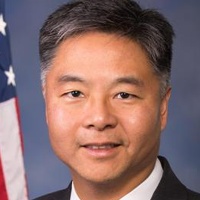
Ted Lieu
Representative
CA
Ted Lieu
Representative
CA
The Stop Hate Crimes Act of 2025 revises federal hate crime standards by changing the required causation element for crimes motivated by bias. This legislation lowers the threshold for prosecution by requiring that bias only needs to be a "contributory motivating factor" in the commission of the crime, rather than the sole or primary reason. This adjustment applies to crimes motivated by race, religion, national origin, and disability.
This bill extends the maximum holding period for certain real estate assets for Federal credit unions from 15 to 20 years and clarifies loan eligibility language.
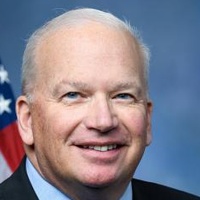
Scott Fitzgerald
Representative
WI
Scott Fitzgerald
Representative
WI
The Expanding Access to Lending Options Act directs the National Credit Union Administration (NCUA) to prioritize the safety and soundness of federally chartered credit unions. This legislation primarily amends the Federal Credit Union Act by extending the maximum holding period for certain real estate assets from 15 to 20 years. It also clarifies the eligibility language for property involved in these real estate loans.
This Act establishes a pilot program to utilize the Department of Defense's SkillBridge authority to train and hire transitioning servicemembers as U.S. Border Patrol agents.
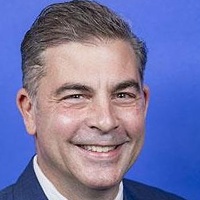
Mike Carey
Representative
OH
Mike Carey
Representative
OH
The Veterans Border Patrol Training Act establishes a pilot program to leverage the Department of Defense's SkillBridge program to train and hire transitioning servicemembers directly as U.S. Border Patrol agents. This initiative aims to facilitate a smooth transition for military personnel into federal law enforcement roles. The Secretary of Homeland Security must report annually to Congress on the program's participation and outcomes. This pilot program is set to automatically expire five years after its commencement date.
The PRIDE Act of 2025 extends the deadline for certain married couples to file joint tax returns based on past marriage recognition and updates the Internal Revenue Code with gender-neutral language for all married individuals.
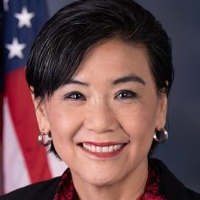
Judy Chu
Representative
CA
Judy Chu
Representative
CA
The PRIDE Act of 2025 aims to update the Internal Revenue Code to ensure equal treatment and inclusive language for all married couples. It extends the deadline for certain legally married couples to file amended joint tax returns following past recognition changes. Furthermore, the bill systematically replaces gendered terms like "husband," "wife," and "his" with gender-neutral language such as "spouse" and "individual" across numerous tax provisions. These changes ensure consistent, equitable application of tax law regardless of gender identity.
This bill establishes an Office of LGBTQI Inclusion within the Administration on Aging, mandates data collection on discrimination, and ensures services under the Older Americans Act are accessible and culturally competent for LGBTQI older adults.
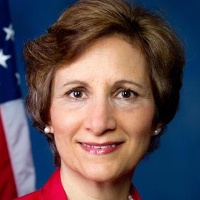
Suzanne Bonamici
Representative
OR
Suzanne Bonamici
Representative
OR
The Ruthie and Connie LGBTQI Elder Americans Act of 2025 aims to improve services and support for older adults who identify as LGBTQI. This bill establishes a new Office of LGBTQI Inclusion within the Administration on Aging and mandates the creation of a National Resource Center on LGBTQI Aging. Furthermore, it updates definitions, ensures eligibility for federal grants, and requires specific data collection on discrimination faced by this population in aging services.
This resolution recognizes the right to peaceful protest while condemning violence and criticizing the federal government's controversial deployment of military forces during recent Los Angeles demonstrations.
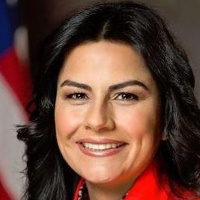
Nanette Barragán
Representative
CA
Nanette Barragán
Representative
CA
This resolution formally recognizes the constitutional right to peaceful protest while strongly condemning violence and illegal acts committed during demonstrations. It criticizes the federal government's deployment of military forces during recent events, arguing the actions were an overreach that bypassed proper legal and state authority. Ultimately, the bill asserts the importance of transparency in law enforcement and denounces rhetoric that escalates community tensions.