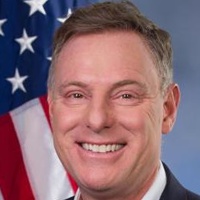
Legislative Activity
Track Scott's sponsored bills, co-sponsored legislation, and voting record
This Act allows employees to fully deduct union dues above the line and restores the itemized deduction for certain other job-related business expenses.
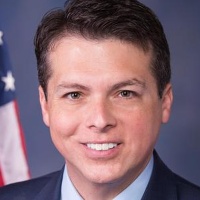
Brendan Boyle
Representative
PA
Brendan Boyle
Representative
PA
The Tax Fairness for Workers Act restores key federal tax deductions for employees, effective after 2024. This legislation makes union dues fully deductible "above the line," meaning they reduce Adjusted Gross Income without itemizing. Additionally, it allows itemizers to deduct certain other job-related business expenses that were previously limited.
This Act overhauls federal firearm dealer regulations by mandating enhanced physical security, stricter inventory tracking, increased licensing fees, and new oversight for online firearm facilitators.
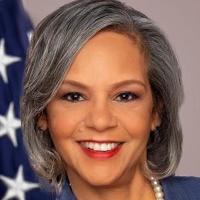
Robin Kelly
Representative
IL
Robin Kelly
Representative
IL
The Federal Firearm Licensee Act significantly overhauls federal regulation of gun dealers by mandating enhanced physical security, stricter inventory tracking, and increased record-keeping requirements. The bill repeals outdated restrictions on the ATF, increases licensing fees, and establishes new regulations for online firearm transfer facilitators. Furthermore, it strengthens enforcement by increasing penalties for compliance failures and mandating more frequent inspections for high-risk dealers.
The IDEA Full Funding Act establishes mandatory, increasing funding levels for the Individuals with Disabilities Education Act (IDEA) from 2026 through 2035, contingent upon offsetting budget cuts.
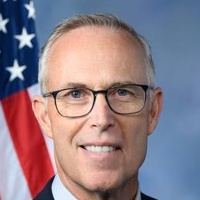
Jared Huffman
Representative
CA
Jared Huffman
Representative
CA
The IDEA Full Funding Act establishes mandatory, increasing funding levels for the Individuals with Disabilities Education Act (IDEA) programs through fiscal year 2035. This legislation sets specific appropriation targets based on student counts and national average spending to ensure greater financial support for special education services. Furthermore, the bill requires that these new IDEA appropriations adhere to "cut-as-you-go" budget offset rules.
This Act establishes a program, managed by the Librarian of Congress, to create and disseminate educational resources countering denial of the Armenian Genocide.
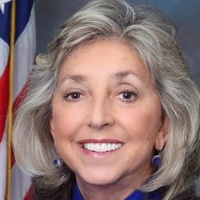
Dina Titus
Representative
NV
Dina Titus
Representative
NV
The Armenian Genocide Education Act establishes a program managed by the Librarian of Congress to develop and share educational resources combating denial of the 1915-1923 Armenian Genocide. This initiative will create online materials, train educators, and encourage the integration of accurate history into school curricula. The Act authorizes $2 million annually for five years to support these educational efforts aimed at promoting awareness and preventing future atrocities.
This Act mandates the Department of Labor to establish and enforce comprehensive workplace violence prevention standards for healthcare and social service workers, while also tying compliance to Medicare funding for certain facilities.
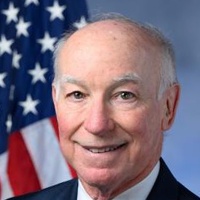
Joe Courtney
Representative
CT
Joe Courtney
Representative
CT
This Act mandates the Secretary of Labor to establish an interim and then a final standard requiring comprehensive workplace violence prevention plans for employers in the healthcare and social service sectors. These plans must be developed with employee input and detail risk assessments, hazard controls, reporting procedures, and annual training. Furthermore, the bill amends the Social Security Act to require Medicare-funded hospitals and skilled nursing facilities not covered by OSHA to comply with these new federal workplace violence prevention standards. The legislation also establishes clear definitions for workplace violence and includes strong anti-retaliation protections for employees who exercise their rights under the Act.
The Reentry Act of 2025 allows inmates to receive Medicaid assistance during the 30 days preceding their release and mandates a comprehensive report on healthcare standards within correctional facilities.
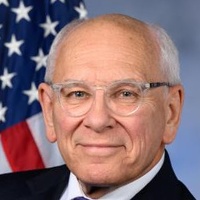
Paul Tonko
Representative
NY
Paul Tonko
Representative
NY
The Reentry Act of 2025 allows incarcerated individuals to receive medical assistance through Medicaid during the 30 days immediately preceding their release. This legislation also mandates a comprehensive report from MACPAC analyzing current healthcare standards within correctional facilities. The report will examine the impact of this coverage change and offer recommendations for improving healthcare access for those transitioning back into the community.
This bill prohibits the use of federal funds for the removal of 3 percent or more of the Department of Health and Human Services (HHS) employees or any of its sub-agencies within any 60-day period.
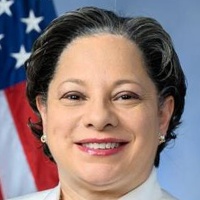
Jennifer McClellan
Representative
VA
Jennifer McClellan
Representative
VA
This bill restricts the use of federal funds to carry out large-scale removals of employees within the Department of Health and Human Services (HHS). Specifically, it prohibits using federal money for terminations if 3% or more of the total HHS workforce, or 3% or more of any individual sub-agency's staff, are removed within a 60-day period. This measure aims to prevent sudden, mass layoffs across the department and its major divisions.
This resolution expresses support for designating the last Saturday of March 2025 as Welcome Home Vietnam Veterans Day to honor those who served in the Vietnam War.

Linda Sánchez
Representative
CA
Linda Sánchez
Representative
CA
This resolution expresses support for designating the last Saturday of March 2025 as "Welcome Home Vietnam Veterans Day." The bill officially honors the service and sacrifices of all U.S. Armed Forces members who served in Vietnam between 1961 and 1975. It encourages nationwide observance to recognize their contributions and support their transition back to civilian life.
This resolution formally recognizes and supports the goals and ideals of the International Transgender Day of Visibility to honor the achievements and acknowledge the ongoing struggles of the transgender community.
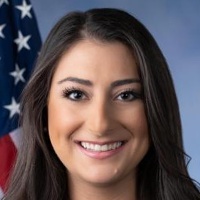
Sara Jacobs
Representative
CA
Sara Jacobs
Representative
CA
This resolution formally recognizes and celebrates the International Transgender Day of Visibility. Congress acknowledges the achievements of transgender individuals while highlighting the ongoing discrimination and violence they face. The resolution encourages appropriate ceremonies and activities to observe the day and celebrate the community's leadership and fight for equality.
This bill authorizes specific funding levels for the United States to support the United Nations Population Fund (UNFPA) in its global efforts to improve sexual and reproductive health, reduce maternal mortality, and combat gender-based violence.
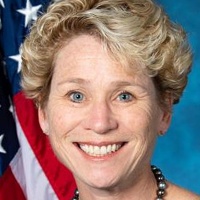
Chrissy Houlahan
Representative
PA
Chrissy Houlahan
Representative
PA
The Support UNFPA Funding Act authorizes specific funding levels for the United Nations Population Fund (UNFPA) for fiscal years 2026 and 2027. This legislation affirms that supporting UNFPA is in the U.S. strategic interest because it advances global health, reduces preventable maternal deaths, and combats gender-based violence. The bill emphasizes that UNFPA's work on voluntary family planning promotes stability and economic growth worldwide.
This resolution condemns the Trump administration for using the unauthorized messaging platform "Signal" to communicate highly sensitive or potentially classified information regarding a U.S. military operation, demanding immediate investigation and accountability.
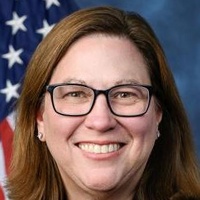
Julie Johnson
Representative
TX
Julie Johnson
Representative
TX
This resolution formally condemns the Trump administration for allegedly using the unauthorized messaging platform "Signal" to discuss highly sensitive or potentially classified details regarding a U.S. military operation. The bill expresses grave concern that this practice risks national security by bypassing secure government record-keeping and exposing vital information to foreign adversaries like China and Russia. It demands an immediate review of all communication procedures and calls for accountability for any officials who violated federal laws regarding classified material handling.
This Act raises the minimum age for Federal Firearms Licensees to sell certain semiautomatic rifles and shotguns to 21, with exceptions for qualified individuals aged 18-20, and mandates an FBI report on its public access line operations.
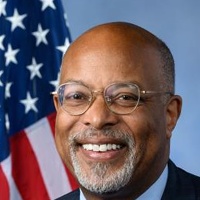
Glenn Ivey
Representative
MD
Glenn Ivey
Representative
MD
The Raise the Age Act of 2025 generally prohibits Federal Firearms Licensees from selling certain semiautomatic centerfire rifles or shotguns capable of holding magazines over five rounds to anyone under 21, with exceptions for qualified military or government personnel. The bill also maintains the existing minimum age of 18 for general firearm purchases, excluding the newly restricted categories. Finally, it mandates that the FBI Director report on the operational procedures of its public access line within 90 days of enactment.
The SCREENS for Cancer Act of 2025 reauthorizes and updates the National Breast and Cervical Cancer Early Detection Program to enhance cancer prevention, reduce disparities, and ensure equitable access to screening services through increased funding and new reporting requirements.
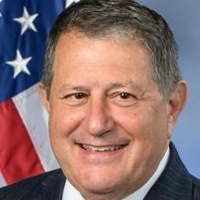
Joseph Morelle
Representative
NY
Joseph Morelle
Representative
NY
The **SCREENS for Cancer Act of 2025** seeks to reauthorize and update the National Breast and Cervical Cancer Early Detection Program (NBCCEDP). This legislation expands the program's focus to include cancer prevention and aims to reduce health disparities in screening access. The bill authorizes $235 million annually for fiscal years 2026 through 2030 and mandates a GAO study on program eligibility and service trends.
The Paycheck Fairness Act strengthens equal pay enforcement by tightening defenses against pay discrimination, expanding protections against retaliation, increasing penalties for violations, and requiring comprehensive data collection and training initiatives.
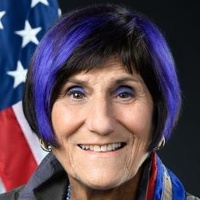
Rosa DeLauro
Representative
CT
Rosa DeLauro
Representative
CT
The Paycheck Fairness Act significantly strengthens federal equal pay protections by broadening definitions of sex discrimination, tightening employer defenses against pay disparities, and increasing penalties for violations. It also prohibits employers from using salary history in hiring decisions and mandates new data collection by the EEOC to better enforce anti-discrimination laws. Furthermore, the bill establishes new training and outreach programs to combat systemic wage bias.
This resolution formally recognizes the persistent gender wage gap and reaffirms Congress's commitment to achieving pay equity.
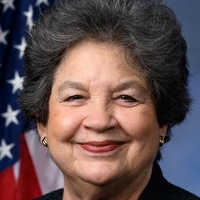
Lois Frankel
Representative
FL
Lois Frankel
Representative
FL
This resolution formally recognizes the significant and persistent wage gap between men and women in the United States, highlighting statistics that show women earn substantially less. It serves as a strong public statement reaffirming Congress's commitment to achieving pay equity. The measure does not enact new laws but emphasizes the economic harm caused by unequal pay for women and their families.
This bill officially ratifies the Equal Rights Amendment, validating its inclusion in the Constitution regardless of any prior ratification deadlines.
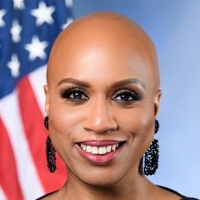
Ayanna Pressley
Representative
MA
Ayanna Pressley
Representative
MA
This bill officially ratifies the Equal Rights Amendment, declaring it a valid part of the U.S. Constitution. It specifically removes any previously imposed deadlines for state ratification. If three-fourths of the states have approved the amendment, this law confirms its official status regardless of past time constraints.
This resolution officially recognizes the cultural and historical significance of Nowruz, celebrating the Iranian New Year while supporting the human rights and freedoms of the Iranian people.
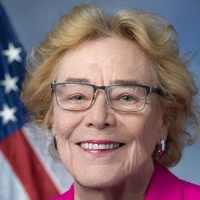
Zoe Lofgren
Representative
CA
Zoe Lofgren
Representative
CA
This resolution officially recognizes the cultural and historical significance of Nowruz, the traditional Iranian New Year celebrated by millions worldwide. Congress acknowledges the enduring contributions of Persian civilization and Iranian Americans to the United States. Furthermore, the resolution supports the Iranian people's pursuit of fundamental human rights, including freedom of expression and internet access.
The House of Representatives affirms every person's basic right to emergency health care, including abortion care.
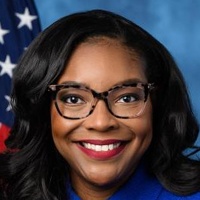
Emilia Sykes
Representative
OH
Emilia Sykes
Representative
OH
This bill affirms the House of Representatives' belief that every person has the right to emergency health care, including abortion care. It argues that abortion restrictions endanger lives, force doctors to make impossible choices, and disproportionately harm people of color, low-income individuals, and LGBTQI individuals. The bill emphasizes that delays in emergency care due to abortion bans can lead to life-threatening situations and that everyone, including pregnant individuals, should have access to necessary medical care without discrimination.
The Puppy Protection Act of 2025 establishes stricter housing, daily care, veterinary, and breeding standards for dog dealers under the Animal Welfare Act.
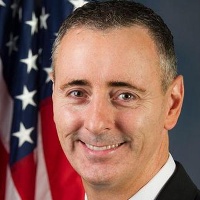
Brian Fitzpatrick
Representative
PA
Brian Fitzpatrick
Representative
PA
The Puppy Protection Act of 2025 significantly increases humane treatment standards for dog dealers under the Animal Welfare Act. This legislation mandates specific minimum space requirements, daily exercise access, and mandatory socialization for housed dogs. Furthermore, it establishes strict limits on female dog breeding frequency and age, alongside enhanced veterinary care protocols.
This Act establishes an independent Inspector General within the Office of Management and Budget to conduct audits and investigations of OMB operations.
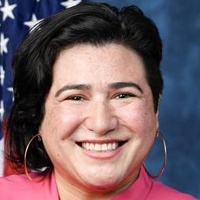
Emily Randall
Representative
WA
Emily Randall
Representative
WA
This Act establishes a new, independent Office of the Inspector General (IG) within the Office of Management and Budget (OMB). The IG will serve as an internal watchdog, auditing and investigating activities specifically assigned to the OMB by law. The President is required to appoint this Inspector General within 120 days of the Act's enactment.