Legislative Activity
Track Scott's sponsored bills, co-sponsored legislation, and voting record
This act establishes a bipartisan task force to evaluate the impact of the affordable housing crisis on life outcomes and federal program costs, providing recommendations to Congress for improvement.
Michael Lawler
Representative
NY
Michael Lawler
Representative
NY
The Task Force on the Impact of the Affordable Housing Crisis Act of 2026 establishes a bipartisan commission to evaluate how the lack of affordable housing affects key life outcomes, such as health, education, and economic stability. The Task Force will quantify the financial burden this crisis places on government programs and provide Congress with evidence-based recommendations to improve policy effectiveness. Ultimately, this initiative aims to leverage affordable housing as a tool to enhance public well-being and strengthen community revitalization.
This bill strengthens federal protections for domestic violence survivors by closing loopholes to prohibit individuals subject to protective orders from purchasing or possessing firearms and establishing a grant program to assist in the removal of firearms from adjudicated abusers.
James Himes
Representative
CT
James Himes
Representative
CT
The Lori Jackson-Nicolette Elias Domestic Violence Survivor Protection Act strengthens federal law to better protect victims of domestic violence by closing loopholes that allow abusive dating partners and those under temporary restraining orders to access firearms. The bill expands the definition of "intimate partner" and "misdemeanor crime of domestic violence," while prohibiting individuals subject to qualifying protective orders from purchasing or possessing firearms. Additionally, it establishes a federal grant program to assist states and local governments in implementing effective procedures for the removal and safe storage of firearms from individuals under domestic violence protection orders.
The Carbon Dioxide Removal Leadership Act of 2026 mandates that the Department of Energy procure and verify the removal of escalating amounts of atmospheric carbon dioxide, scaling to 10 million metric tons annually by 2036.
Paul Tonko
Representative
NY
Paul Tonko
Representative
NY
The Carbon Dioxide Removal Leadership Act of 2026 mandates that the Department of Energy procure increasing amounts of atmospheric carbon dioxide removal, scaling from 50,000 metric tons in 2026 to 10 million metric tons annually by 2036. The bill establishes rigorous, independent measurement and verification standards while prioritizing projects that support technological innovation, domestic job creation, and community benefits. By setting declining price caps and long-term contracting requirements, the legislation aims to accelerate the commercialization of durable carbon removal technologies.
The Afghanistan TPS Act of 2026 designates Afghanistan for Temporary Protected Status through July 1, 2029, establishing expedited application procedures and fee waivers for eligible Afghan nationals.
Jason Crow
Representative
CO
Jason Crow
Representative
CO
The Afghanistan TPS Act of 2026 designates Afghanistan for Temporary Protected Status (TPS) through July 1, 2029, allowing eligible Afghan nationals currently in the United States to live and work legally. The bill mandates an expedited 90-day adjudication process for applications and provides for fee waivers for those who qualify under this designation.
The TPS Review Act strengthens judicial oversight and establishes congressional review for decisions to terminate Temporary Protected Status, ensuring that such actions are evidence-based and subject to legal challenge.
Debbie Wasserman Schultz
Representative
FL
Debbie Wasserman Schultz
Representative
FL
The Temporary Protected Status (TPS) Review Act strengthens oversight of government decisions to terminate TPS designations by reinstating judicial review and requiring that such decisions be supported by a comprehensive administrative record. The bill also subjects TPS terminations to congressional review under the Congressional Review Act, ensuring these decisions are subject to greater accountability. Additionally, it provides legal protections for beneficiaries by automatically staying terminations during the pendency of any legal challenges.
The Right to IVF Act of 2026 establishes a nationwide right to fertility care, mandates comprehensive insurance coverage for reproductive services, and expands access to fertility treatments for veterans and federal employees.
Lori Trahan
Representative
MA
Lori Trahan
Representative
MA
The Right to IVF Act of 2026 establishes a nationwide statutory right to access assisted reproductive technology (ART) and intrauterine insemination (IUI) while prohibiting states from imposing restrictive barriers. The bill further expands family-building support by mandating comprehensive fertility coverage across private insurance, Medicare, Medicaid, and federal employee health plans. Additionally, it guarantees expanded access to fertility services and preservation for military service members and veterans.
The FRONTIER Act establishes a federal regulatory framework for the oversight, safety assessment, and transparency of large-scale artificial intelligence models to mitigate catastrophic risks.
Jay Obernolte
Representative
CA
Jay Obernolte
Representative
CA
The FRONTIER Act establishes a comprehensive federal oversight framework to identify, assess, and mitigate catastrophic risks associated with the development and deployment of large-scale artificial intelligence models. The bill mandates that developers of these high-powered models implement rigorous safety frameworks, undergo independent third-party audits, and report critical safety incidents to the Department of Commerce. Additionally, it grants the Secretary of Commerce emergency authority to restrict or suspend AI activities that pose an imminent threat to public safety or national security.
This bill reauthorizes the Accelerating Access to Critical Therapies for ALS Act through 2031 while enhancing grant oversight, safety reporting requirements, and FDA strategic planning for rare neurodegenerative diseases.

Mike Quigley
Representative
IL
Mike Quigley
Representative
IL
The Accelerating Access to Critical Therapies for ALS Reauthorization Act of 2026 extends vital funding for ALS research and clinical trial programs through 2031. This legislation strengthens oversight by enhancing grant review processes, improving safety reporting requirements, and mandating a comprehensive five-year FDA action plan to accelerate the development of treatments for rare neurodegenerative diseases.
This bill authorizes a seven-year grant program for the National Law Enforcement Officers Memorial Fund to support the National Law Enforcement Museum’s educational, community outreach, and officer wellness initiatives.
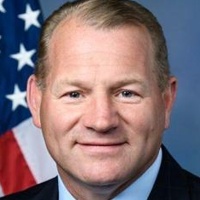
Troy Nehls
Representative
TX
Troy Nehls
Representative
TX
The National Law Enforcement Officers Remembrance, Support, and Community Outreach Act authorizes $6 million in annual grants over seven years to the National Law Enforcement Officers Memorial Fund. These funds will support the National Law Enforcement Museum’s public education, community outreach, and officer safety and wellness programs. As a condition of the grant, the museum must provide free admission to law enforcement officers and their families, as well as dedicated free hours for the general public.
This bill officially designates the United States Postal Service facility at 1157 West Mission Avenue in Escondido, California, as the "Captain E. Royce Williams Post Office Building."
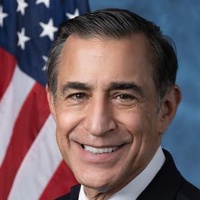
Darrell Issa
Representative
CA
Darrell Issa
Representative
CA
This bill officially designates the United States Postal Service facility located at 1157 West Mission Avenue in Escondido, California, as the "Captain E. Royce Williams Post Office Building." The legislation ensures that all federal records and documents will henceforth use this new official name for the location.
The "Combating Illicit Xylazine Act" aims to combat the misuse of xylazine by adding it to Schedule III of the Controlled Substances Act, tracking its distribution, and ensuring appropriate penalties for related offenses, while also protecting legitimate veterinary use.
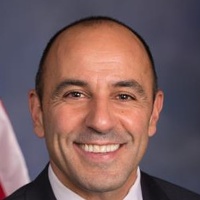
Jimmy Panetta
Representative
CA
Jimmy Panetta
Representative
CA
The "Combating Illicit Xylazine Act" aims to combat the illegal use of xylazine by adding it to Schedule III of the Controlled Substances Act, which would allow for increased regulation and tracking of the substance. The bill includes exemptions and delayed effective dates for certain requirements to ease the transition for legitimate users, such as veterinarians and animal handlers. It also directs the Sentencing Commission to review sentencing guidelines for xylazine-related offenses and mandates reports to Congress on the prevalence and impact of illicit xylazine use. Finally, it will include xylazine in Arcos tracking.
Tyler's Law mandates a study and subsequent guidance on the routine testing for fentanyl in hospital emergency departments during overdose treatment.
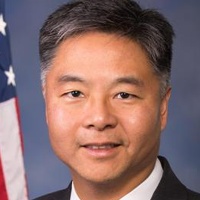
Ted Lieu
Representative
CA
Ted Lieu
Representative
CA
Tyler's Law mandates a comprehensive study by the Secretary of Health and Human Services on the frequency, cost, and impact of fentanyl testing in hospital emergency departments during overdose cases. Following the study, the Secretary must issue guidance on whether routine fentanyl testing should become standard practice for overdose patients. This guidance will also address staff training regarding existing drug test panels and the long-term health implications of such testing.
This bill clarifies that a franchisor is only considered a joint employer of a franchisee's workers if it exercises substantial, direct, and immediate control over essential terms of employment.
Kevin Hern
Representative
OK
Kevin Hern
Representative
OK
The American Franchise Act aims to protect the traditional franchise business model by clarifying the definition of a "joint employer." This legislation establishes that a franchisor is only considered a joint employer if it exercises "substantial direct and immediate control" over the essential terms of employment for a franchisee's workers. This change specifically targets liability risks associated with maintaining brand standards, ensuring franchisors are not automatically held responsible for local labor practices. The new standard applies prospectively to future legal proceedings.
This bill reauthorizes and updates federal vector-borne disease initiatives and grant programs through 2030 to improve the prevention, identification, and response to tick-borne illnesses.
Christopher Smith
Representative
NJ
Christopher Smith
Representative
NJ
The Kay Hagan Tick Act reauthorization extends federal funding and support for vector-borne disease initiatives through 2030. This legislation updates national strategy requirements and enhances the capacity of regional centers and health departments to identify, prevent, and respond to tick-borne and other vector-borne illnesses.
This bill designates the Department of Veterans Affairs community-based outpatient clinic in San Jose, California, as the "Corporal Patrick D. Tillman VA Clinic."
Jimmy Panetta
Representative
CA
Jimmy Panetta
Representative
CA
This bill designates the Department of Veterans Affairs community-based outpatient clinic in San Jose, California, as the "Corporal Patrick D. Tillman VA Clinic." This renaming honors the legacy of Pat Tillman, a San Jose native and former NFL player who left his professional career to serve as an Army Ranger and made the ultimate sacrifice for his country.
This bill mandates electronic prior authorization, increases transparency through required data reporting, and establishes faster decision timelines for Medicare Advantage plans to improve timely access to care for seniors.
Mike Kelly
Representative
PA
Mike Kelly
Representative
PA
The Improving Seniors’ Timely Access to Care Act of 2025 aims to streamline and modernize the prior authorization process within Medicare Advantage plans. This bill mandates the adoption of electronic prior authorization systems and significantly increases transparency regarding approval rates and decision times starting in 2027. Furthermore, it establishes new enrollee protections and grants the Secretary authority to enforce faster decision timeframes for medical services.
The Patients First Act of 2026 reforms Medicare physician payment systems to ensure more stable, predictable reimbursement for providers while improving patient access to primary care and value-based services.
John Joyce
Representative
PA
John Joyce
Representative
PA
The Patients First Act of 2026 is comprehensive legislation designed to stabilize Medicare physician payments, improve patient access to primary care, and transition the current quality reporting system to a more clinician-led framework. By modernizing reimbursement formulas, reducing financial volatility for providers, and increasing transparency in value-based care models, the bill aims to ensure a more sustainable and predictable healthcare environment. These reforms seek to lower out-of-pocket costs for patients while supporting the long-term viability of medical practices.
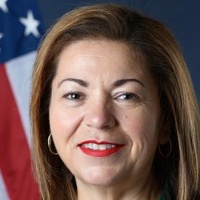
This resolution designates July 10th as Journeyman Lineworkers Recognition Day to honor the essential service and sacrifices of the professionals who maintain our nation’s power grid.
Linda Sánchez
Representative
CA
Linda Sánchez
Representative
CA
This resolution designates July 10th as Journeyman Lineworkers Recognition Day to honor the essential, high-risk work performed by these skilled professionals. It pays tribute to the lineworkers who provide critical service during emergencies and recognizes those who have made the ultimate sacrifice in the line of duty.
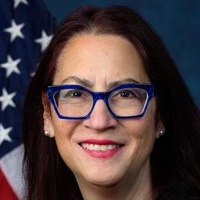
This bill designates the United States Postal Service facility located at 6444 San Fernando Road in Glendale, California, as the "Paul Ignatius Post Office."
Laura Friedman
Representative
CA
Laura Friedman
Representative
CA
This bill designates the United States Postal Service facility located at 6444 San Fernando Road in Glendale, California, as the "Paul Ignatius Post Office." All official references to this location will henceforth bear this name.
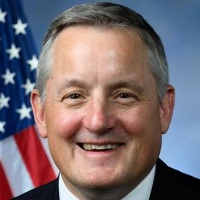
This bill renames and revises the Great American Outdoors Act's maintenance fund, increases dedicated funding through new, higher fees for foreign visitors, and sets spending priorities for deferred maintenance across public lands agencies.
Bruce Westerman
Representative
AR
Bruce Westerman
Representative
AR
This bill, the Great American Outdoors Act 250, significantly reforms and renames the existing public lands restoration fund to the America’s Legacy Restoration Fund. It secures dedicated funding streams, primarily from energy revenues and new fees on foreign visitors, to address critical deferred maintenance across the National Park Service, Forest Service, and other public land agencies. The legislation establishes strict spending priorities for infrastructure repair while also creating pilot programs for enhancing outdoor recreation and sportsmen's access. Finally, it mandates increased transparency and accountability through standardized metrics and public reporting on all funded projects.