
Legislative Activity
Track Chellie's sponsored bills, co-sponsored legislation, and voting record
This act prohibits federal officials and employees from trading prediction market contracts while possessing material nonpublic government information.

Ritchie Torres
Representative
NY
Ritchie Torres
Representative
NY
The Public Integrity in Financial Prediction Markets Act of 2026 prohibits federal officials and employees from trading in prediction market contracts while possessing material, nonpublic government information. This ban specifically targets transactions related to government policy, actions, or political outcomes. The goal is to prevent insider trading within these emerging financial markets by those with privileged access to government knowledge.
This resolution recognizes the 15th anniversary of the 2011 Tucson shooting, honoring the victims, survivors, and the ongoing advocacy of Gabby Giffords.
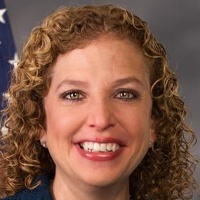
Debbie Wasserman Schultz
Representative
FL
Debbie Wasserman Schultz
Representative
FL
This resolution commemorates the 15th anniversary of the tragic January 8, 2011, Tucson shooting, honoring the six lives lost and the thirteen injured. It specifically commends the courage and ongoing advocacy of gun violence survivor and former Congresswoman Gabby Giffords. The resolution also recognizes the resilience of the community and reaffirms a commitment to ending political violence.
This act establishes a 180-day "first look" period granting qualified homebuyers and organizations exclusive early access to purchase certain government-owned single-family properties before they can be sold to institutional investors.
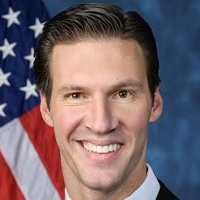
Pat Harrigan
Representative
NC
Pat Harrigan
Representative
NC
The Families First Housing Act of 2026 establishes an 180-day "first look" period for certain homebuyers and organizations to purchase government-owned single-family properties before they can be sold to institutional investors. This mandates that federal housing entities offer eligible properties at fair market value exclusively to qualified primary residents, nonprofits, or local governments during this initial period. The Act also requires public listing, reporting on sales, and imposes penalties for non-compliance.
This act prohibits states from imposing new liens on Medicaid recipients' homes or recovering correctly paid Medicaid benefits from their estates.

Janice Schakowsky
Representative
IL
Janice Schakowsky
Representative
IL
The Stop Unfair Medicaid Recoveries Act prohibits states from imposing new liens on an individual's home for Medicaid benefits already paid. This legislation also stops states from initiating or continuing efforts to recover the costs of correctly paid Medicaid benefits from an individual's estate. Furthermore, existing liens related to these recoveries must be withdrawn shortly after the law is enacted.
The American Affordability Act of 2025 is a comprehensive bill designed to lower costs for families through expanded housing assistance, clean energy tax credits, monthly child payments, education relief, and enhanced healthcare subsidies.
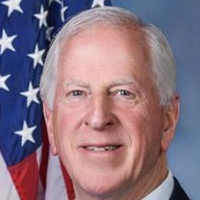
Mike Thompson
Representative
CA
Mike Thompson
Representative
CA
The American Affordability Act of 2025 is a comprehensive bill designed to lower costs across five key areas: housing, energy, family care, education, and healthcare. It achieves this by expanding tax credits for housing construction and homebuyers, extending incentives for clean energy manufacturing and consumer adoption, replacing the Child Tax Credit with larger monthly payments, making higher education expenses more affordable, and permanently expanding subsidies to lower health insurance premiums for millions. Overall, the legislation aims to provide direct financial relief and increase access to essential services for American families and workers.
This Act prohibits the Department of Defense from using fiscal year 2026 funds to implement hiring freezes, reductions in force, or unjustified hiring delays at public shipyards.
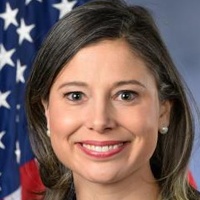
Maggie Goodlander
Representative
NH
Maggie Goodlander
Representative
NH
This act prohibits the Department of Defense from using fiscal year 2026 funds to implement a hiring freeze, a reduction in force, or unjustified delays in filling vacant positions at public shipyards. The goal is to ensure stable staffing levels necessary for shipyard operations.
The Schedules That Work Act establishes rights for employees to request flexible schedules, mandates advance notice and predictability pay for schedule changes in covered sectors, and grants employees rest time between shifts.

Rosa DeLauro
Representative
CT
Rosa DeLauro
Representative
CT
The Schedules That Work Act aims to provide workers with greater stability and predictability in their work hours. It grants employees the right to request flexible or stable schedules and requires employers to engage in a good-faith discussion about these requests. For covered sector employees (like retail and food service), the bill mandates 14 days' advance notice of schedules and establishes "predictability pay" for last-minute changes or split shifts. The Act also grants employees the right to 11 hours of rest between shifts, with premium pay required if this rest period is violated.
The Part-Time Worker Bill of Rights Act expands FMLA eligibility to part-time employees and establishes protections against scheduling discrimination, ensuring fair access to benefits and work hours.
Janice Schakowsky
Representative
IL
Janice Schakowsky
Representative
IL
The Part-Time Worker Bill of Rights Act aims to strengthen protections and expand benefits for part-time and temporary employees. The legislation eliminates restrictive hours-of-service requirements for FMLA leave and prohibits discrimination based on hours worked regarding pay, benefits, and promotion opportunities. Additionally, it mandates that employers offer available work hours to existing staff before hiring new employees or contractors.
The Essential Caregivers Act of 2025 guarantees nursing home and long-term care residents the right to designate an essential caregiver who maintains access to them even during public health emergencies.
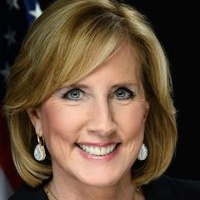
Claudia Tenney
Representative
NY
Claudia Tenney
Representative
NY
The Essential Caregivers Act of 2025 protects the rights of residents in long-term care facilities to designate an essential caregiver who can provide support and companionship. This legislation ensures that these caregivers maintain in-person access to residents even during public health emergencies when general visitation is restricted. By establishing clear protocols and an appeals process, the bill aims to prevent the harmful effects of isolation and ensure residents continue to receive vital care and advocacy.
This act removes the White House and its grounds from a specific list of protected properties under existing historic preservation law.
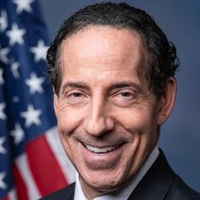
Jamie Raskin
Representative
MD
Jamie Raskin
Representative
MD
The People's White House Historic Preservation Act removes the White House and its grounds from a specific list of properties under current preservation law. This action reclassifies the status of the White House regarding federal historic preservation regulations.
This act restricts senior government officials and their families from owning or trading specific investments, requiring divestment of existing holdings to restore public trust.
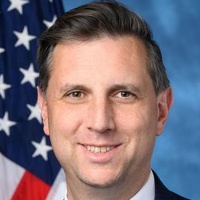
Seth Magaziner
Representative
RI
Seth Magaziner
Representative
RI
The Restore Trust in Government Act establishes strict new federal restrictions on senior government officials and their immediate families regarding the ownership and trading of specific financial investments. Covered individuals must divest existing investments that fall under the law's definition within a set timeframe, with limited exceptions. Violators face significant financial penalties, including a 10% fee on the investment value and disgorgement of any profits earned from prohibited transactions.
This bill authorizes Congress to award Congressional Gold Medals to the 1980 U.S. Men's Olympic Ice Hockey team for their historic "Miracle on Ice" victory.
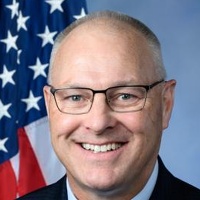
Pete Stauber
Representative
MN
Pete Stauber
Representative
MN
This bill, the Miracle on Ice Congressional Gold Medal Act, officially authorizes Congress to award Congressional Gold Medals to the 1980 U.S. Men's Olympic Ice Hockey Team for their historic "Miracle on Ice" victory. The medals will be struck by the Treasury and permanently displayed at specific national sports museums. The Act also permits the sale of duplicate bronze medals to cover production costs.
This Act establishes a competitive grant program through the EPA to help entities reduce food waste by 50 percent by 2035 compared to 2015 levels.
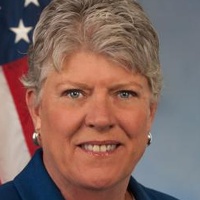
Julia Brownley
Representative
CA
Julia Brownley
Representative
CA
The Zero Food Waste Act establishes a competitive grant program through the EPA to achieve a 50% reduction in national food waste by 2035. These grants will support state, local, tribal governments, and nonprofits in studying, planning, collecting data on, and implementing projects to reduce food waste. The legislation prioritizes funding for projects that prevent waste and benefit communities disproportionately affected by environmental harms.
This act nullifies a recent Executive Order regarding federal labor relations and ensures existing collective bargaining agreements remain in effect.

Jared Golden
Representative
ME
Jared Golden
Representative
ME
The Protect America's Workforce Act nullifies a specific Executive Order issued in March 2025 concerning exclusions from federal labor-management relations programs. This legislation ensures that any existing collective bargaining agreements between federal agencies and employee unions remain fully in effect until their stated expiration dates. The Act also prohibits the use of federal funds to implement the overturned Executive Order.
This act restores access to professional degrees by amending the Higher Education Act to remove specific annual and aggregate loan limits for graduate and professional students.
Ritchie Torres
Representative
NY
Ritchie Torres
Representative
NY
The Professional Degree Access Restoration Act amends the Higher Education Act to eliminate specific annual and aggregate loan limits for Federal Direct PLUS Loans made to graduate and professional students. This action removes previous restrictions on the maximum amount graduate students can borrow through these federal loan programs.
The Keeping All Students Safe Act strictly prohibits dangerous restraint and seclusion in federally funded schools while mandating comprehensive state reporting, staff training, and parental notification for any permissible physical restraint.
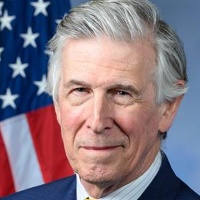
Donald Beyer
Representative
VA
Donald Beyer
Representative
VA
The Keeping All Students Safe Act strictly prohibits dangerous restraint and seclusion practices in federally funded schools, establishing national safety standards and requiring immediate parental notification after any restraint incident. It mandates that states create detailed plans, publicly report incident data broken down by student demographics, and utilize federal grants to fund training and prevention strategies. The bill creates a private right of action for families harmed by violations and ensures oversight across various federal school systems.
This bill significantly increases civil penalties across various federal labor laws, strengthens enforcement for health plan compliance, establishes penalties for employer unfair labor practices, and treats certain recordkeeping failures as continuing violations.
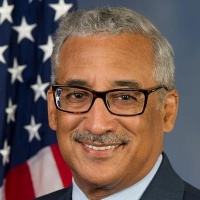
Robert Scott
Representative
VA
Robert Scott
Representative
VA
The Labor Enforcement to Securely Protect Workers (LETS Protect Workers) Act significantly increases civil penalties for violations across major federal labor laws, including child labor, wage and hour, and workplace safety standards. It strengthens enforcement mechanisms for mine safety violations and retaliation against miners, while also establishing new penalties for employer unfair labor practices under the National Labor Relations Act. Furthermore, the bill enhances enforcement for health plan parity and makes certain recordkeeping failures under OSHA and FLSA continuing violations.
This act increases the annual and aggregate loan limits for Federal Direct Unsubsidized Stafford Loans for graduate and professional students, effective July 1, 2026.
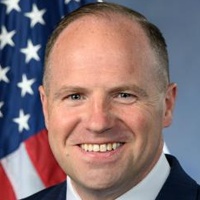
Timothy Kennedy
Representative
NY
Timothy Kennedy
Representative
NY
The Loan Equity for Advanced Professionals Act raises the federal student loan limits for graduate and professional students. Effective July 1, 2026, the annual borrowing limit for Federal Direct Unsubsidized Stafford Loans will increase to \$50,000, and the aggregate limit will rise to \$200,000. This aims to provide greater financial support for advanced degree candidates.
This bill establishes a mandatory national ranked choice voting system for all federal elections for U.S. Senators and Representatives, while providing federal funding for implementation and prohibiting subsequent runoff elections.
Jamie Raskin
Representative
MD
Jamie Raskin
Representative
MD
This bill establishes a national requirement for all U.S. Senate and House elections to use a ranked choice voting system, replacing traditional runoff elections. It mandates specific ballot designs, sets out a multi-round vote tabulation process, and prohibits separate runoff elections for federal offices. The legislation also provides federal funding to states to help implement these changes, which take effect for elections held on or after January 1, 2030.
This bill prohibits immigration enforcement officers from arresting or detaining individuals at or near immigration court facilities unless there is a judicial warrant or an imminent threat.

Dan Goldman
Representative
NY
Dan Goldman
Representative
NY
The Immigration Court Due Process Protection Act of 2025 restricts Department of Homeland Security (DHS) officers from arresting or detaining individuals attending or departing from immigration court proceedings or scheduled appointments, unless a judicial warrant is present or an imminent threat exists. The bill mandates specific supervisory approval for arrests during scheduled check-ins. Furthermore, it requires the DHS Inspector General to submit an annual report to Congress detailing compliance with these new protections.